Before & After Images Book a Free Assessment Graft Calculator

Home

Website homepage (2)
Founded by Two AIIMS New Delhi Alumni 2.jpg
Hair Transplant in Bhubaneswar
Website Homepage
Artboard 1.jpg (2)

Awards, Records & Accreditations

Times-Network-Logo.png-134

Times Network

Recognised in 2025 at the India Health Summit & Awards 2025 for excellence in hair restoration.

Read More →
about-nabh

NABH Accreditation

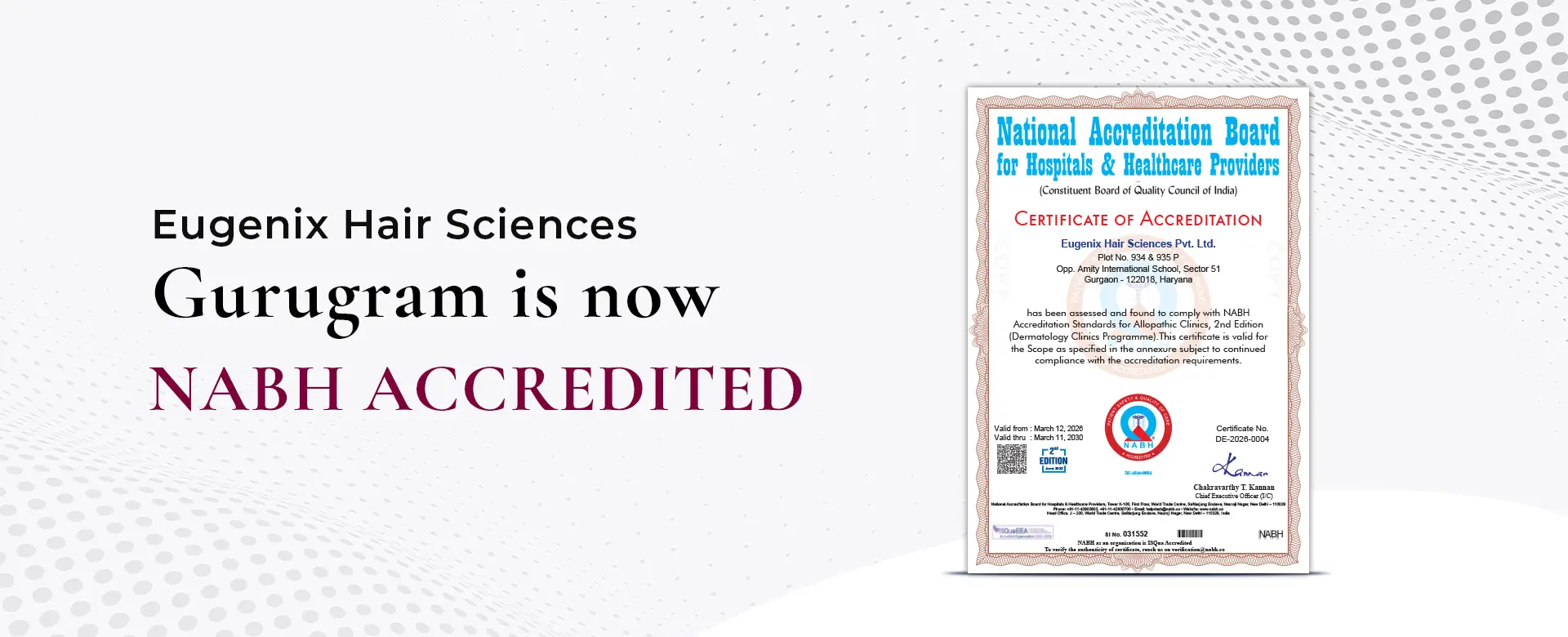
NABH-accreditation for the flagship centre in Gurugram, meeting national patient safety and quality standards.

Read More →
hair-transplant-icon-concept-nns

Direct Hair Transplant (DHT)

Described by our Co-Founders in their 2013 research paper, indexed on PubMed.

Read More →
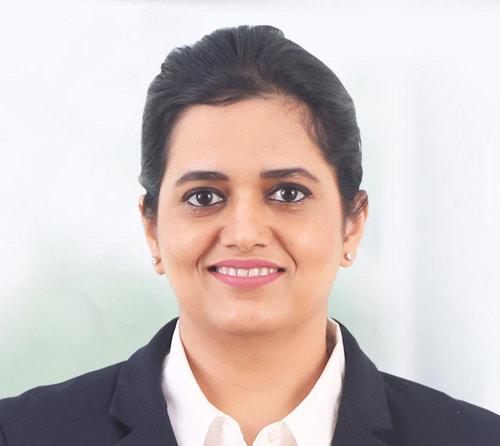
Doctor Arika Bansal

Dr. Arika Bansal

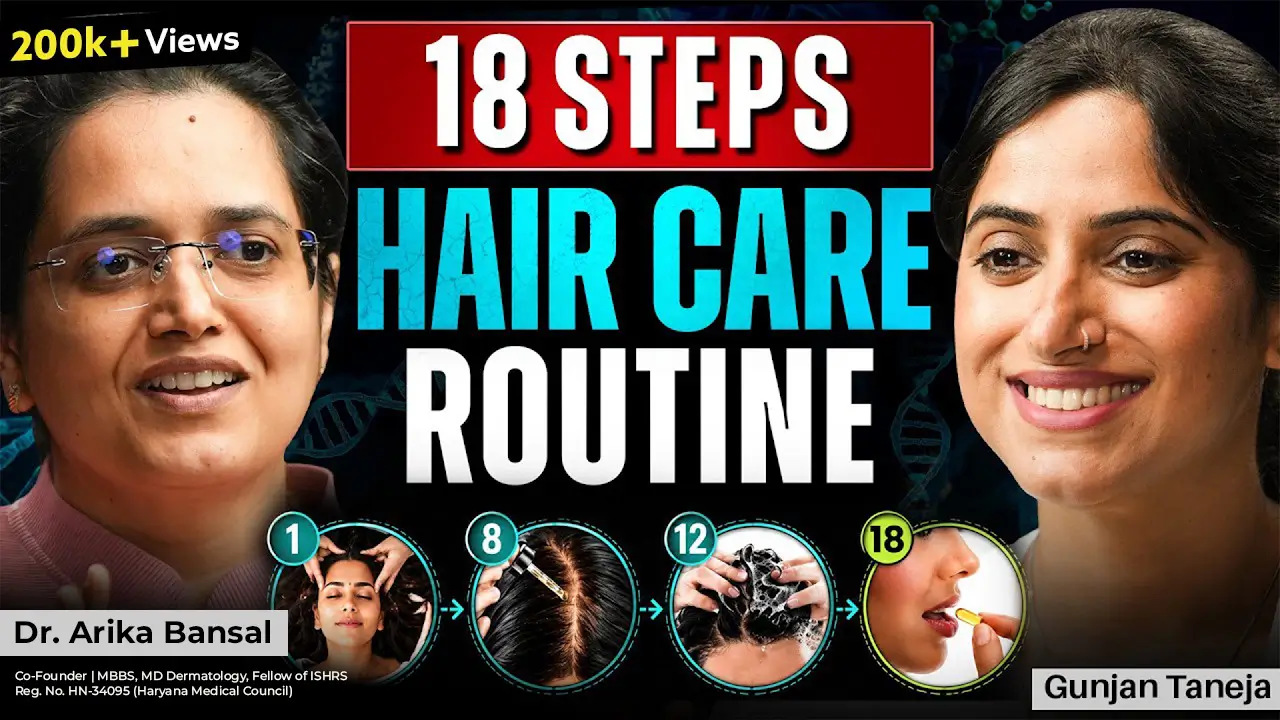
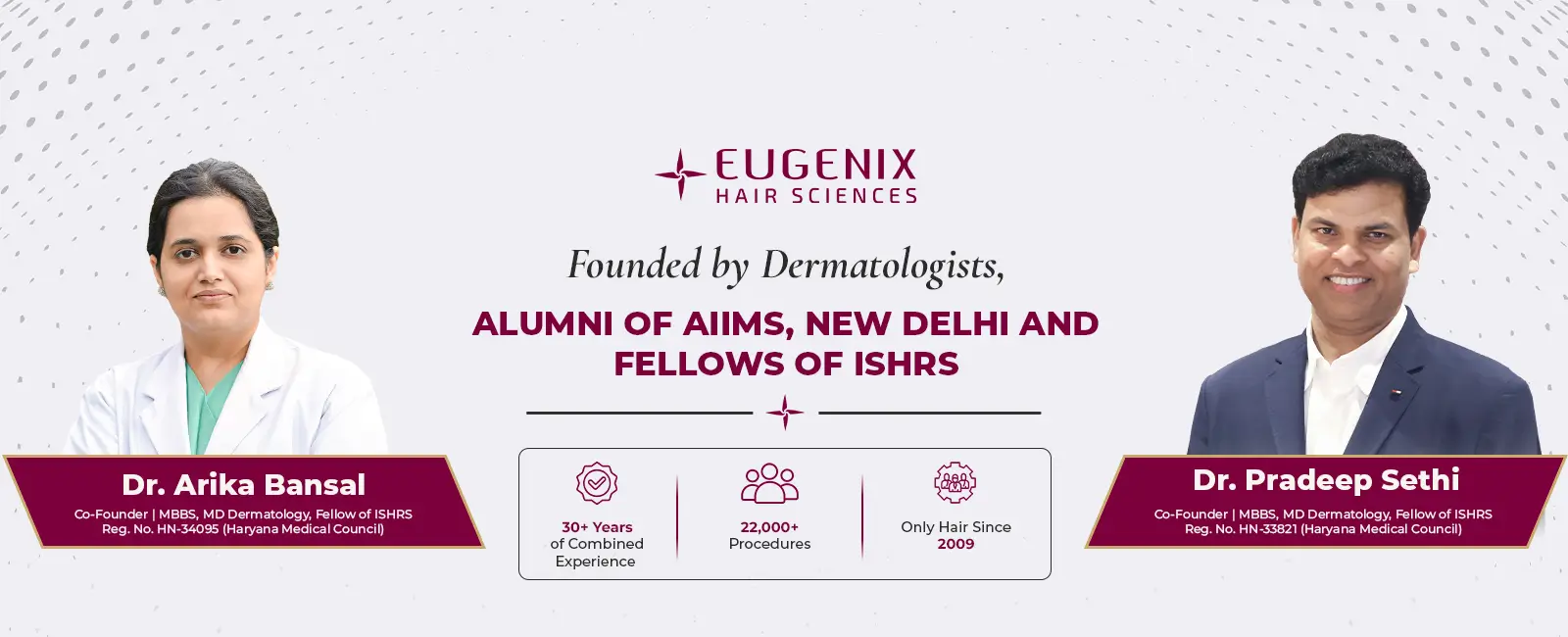
Dr Arika Bansal is a co-founder of Eugenix Hair Sciences and a fellow of the International Society of Hair Restoration Surgery. She holds an MBBS from Lady Hardinge Medical College, New Delhi, where she was awarded a gold medal for academic distinction, and an MD in Dermatology. She is an alumnus of AIIMS, New Delhi, and has over 15 years of experience in surgical hair restoration.

Her areas of focus include female hair transplantation, density enhancement, corrective procedures and hairline design. Reg. No. HN-34095 (Haryana Medical Council)

Doctor Pradeep Sethi

Dr. Pradeep Sethi

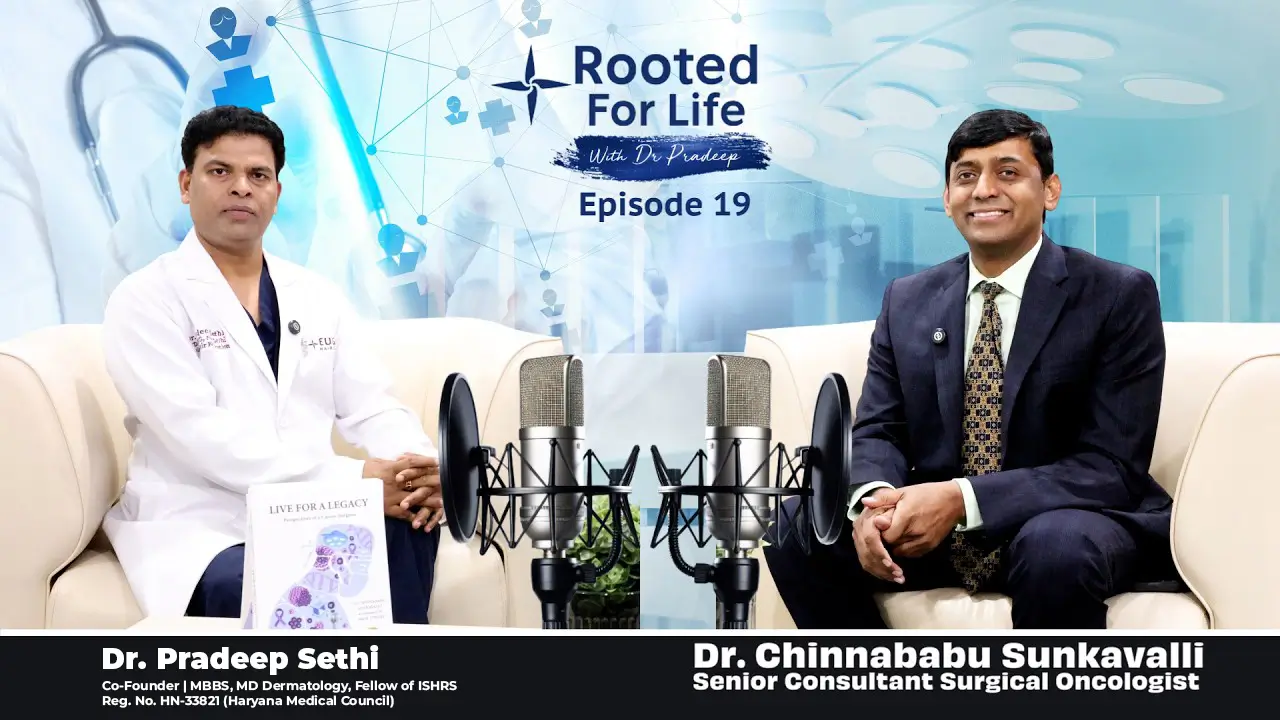
Born and raised in Odisha, Dr. Pradeep Sethi is a Co-Founder of Eugenix Hair Sciences. He holds an MBBS and an MD in Dermatology and is alumni of AIIMS, New Delhi. He is a Fellow of the International Society of Hair Restoration Surgery (ISHRS) and has over 15 years of experience in surgical hair restoration. His areas of focus include natural-looking hairlines, density, and advanced grades of baldness. He and Dr. Arika Bansal described the Direct Hair Transplant (DHT) technique in their 2013 research paper. Reg. No. HN-33821 (Haryana Medical Council)

Reviews on Google
GGN copy

Hair Transplantation at Eugenix

Eugenix Hair Sciences, co-founded by Dr. Arika Bansal and Dr. Pradeep Sethi, has worked only in hair restoration since 2009. We treat Androgenetic Alopecia, Male Pattern Baldness and Female Pattern Hair Loss, and every plan is made for the individual patient.

We perform Direct Hair Transplant (DHT), a modified FUE technique described by our Co-Founders in their 2013 research paper, along with non-surgical treatments such as PRP. Consultations and procedures are carried out by our panel of experienced surgeons, personally handpicked and trained by our Co-Founders, from diagnosis and planning to the procedure and long-term follow-up.

Featured On

Our Infrastructure and Facilities

Hair Transplant Services

At Eugenix, we provide hair restoration and hair transplant services for men and women, planned around your hair loss, your donor area and your goals.

Male Hair Transplant
male-hair-transplant-icon

Male Hair Transplant

Female Hair Transplantation
female-hair-transplant-icon

Female Hair Transplantation

Receding Hairline Reconstruction
receding-hairline-transplant-icon

Receding Hairline Reconstruction

Beard Hair Transplant
beard-hair-transplant-icon

Beard Hair Transplant

Hair Transplant Correction
hair-transplant-correction-icon

Hair Transplant Correction

Crown Hair Transplant
crown-hair-transplant-icon

Crown Hair Transplant

Temple Point Hair Transplant
temple-point-hair-transplant-icon

Temple Point Hair Transplant

Eyebrow Hair Transplant
eyebrow-hair-transplant-icon

Eyebrow Hair Transplant

Body Hair Transplant
body-hair-transplant-icon

Body Hair Transplant

Afro Hair Transplant
afro-hair-transplant-icon

Afro Hair Transplant

Direct Hair Transplant (DHT)
fue-follicular-unit-extraction-icon-1 (1)

Direct Hair Transplant (DHT)

The Eugenix Advantage
adv_icon_1
22000 +

Procedures

adv_icon_2
15 +

Years of Experience

calendar (1)
Only Hair Since

2009

adv_icon_4
1500 +

Grade 6 and 7 Surgeries

nabh_resized_600h

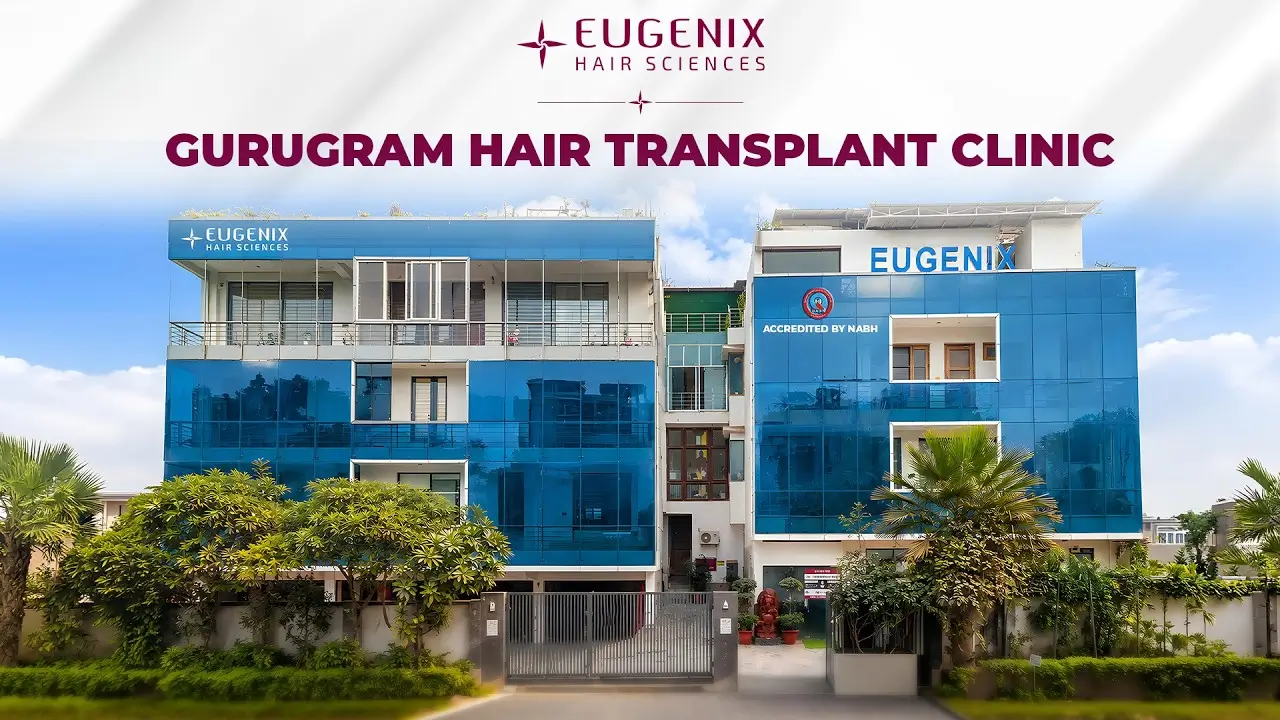
Our Gurugram centre is NABH accredited (Certificate No. DE-2026-0004, valid 12 March 2026 to 11 March 2030) under the NABH Standards for Allopathic Clinics, 2nd Edition, Dermatology Clinics Programme.

The National Accreditation Board for Hospitals & Healthcare Providers works under the Quality Council of India. Its assessment looks at whether a patient’s journey, from enquiry to procedure to follow-up, is safe, documented, ethical and reproducible.

For our whole team, from surgeons and counsellors to the support staff who come in early or stay late to get things right, this accreditation is earned together.

Latest Updates from Eugenix
Michaek Bevan

International Patients

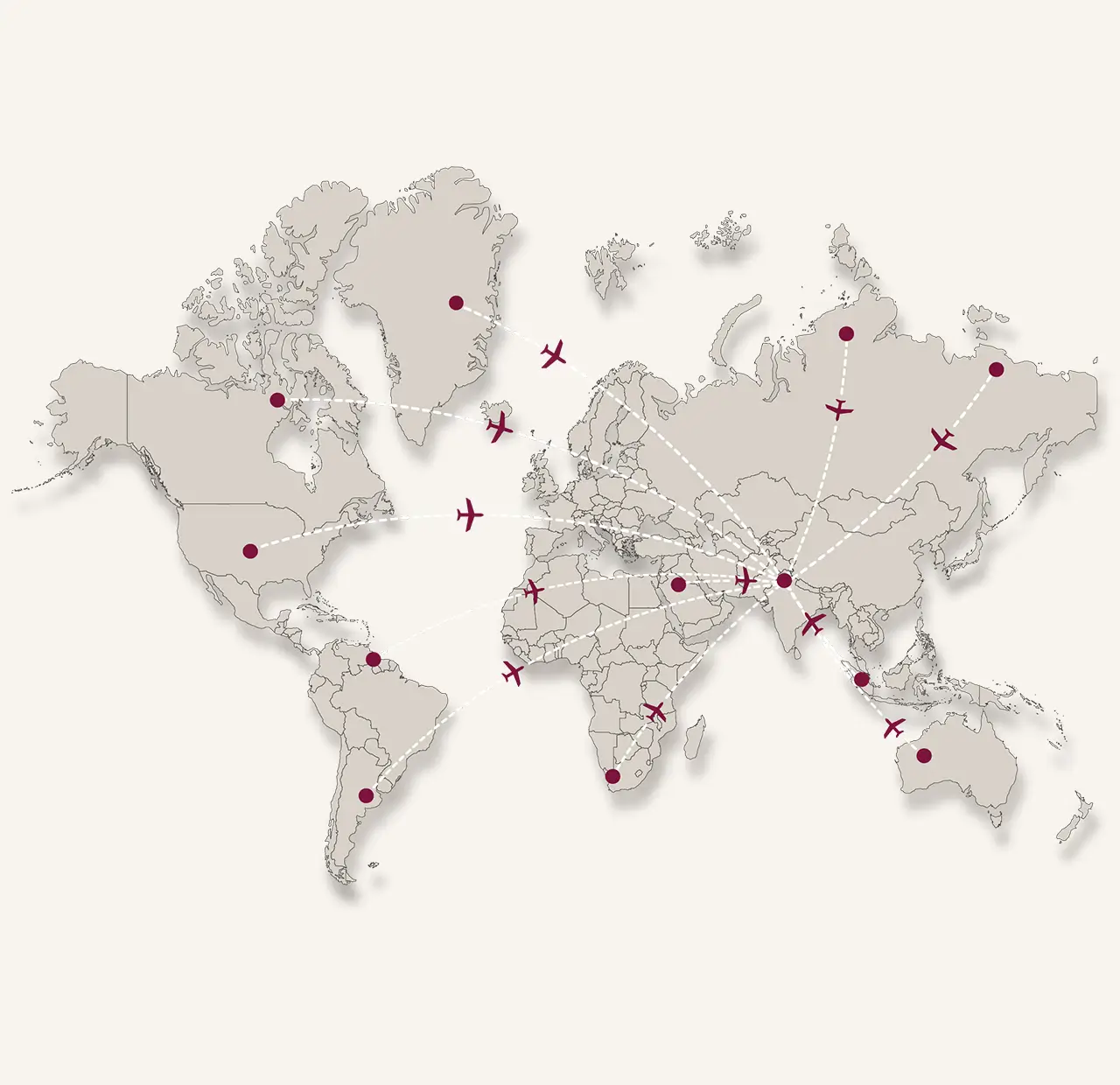
If you are travelling from outside India, our team helps you plan your visit, from your first video consultation to your procedure and follow-up.

Frequently Asked Questions

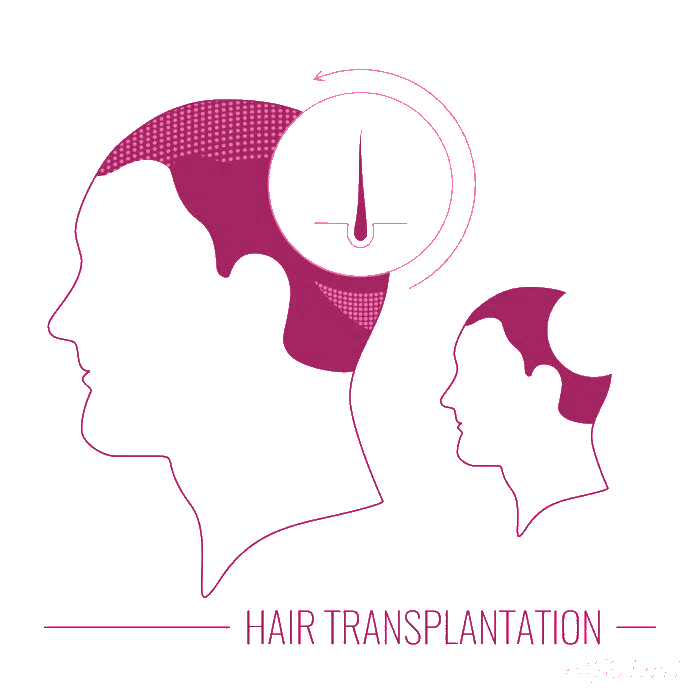
Imagine your scalp is like a garden. A hair transplant is like relocating healthy plants from a dense part of your garden to a patch where the soil is bare.

Here’s how it works:

  1. Sourcing the Hair: Doctors take tiny grafts of hair from an area where you have plenty, usually the back or sides of your head. This is called the “donor area.”
  2. Planting the Hair: They then carefully place these grafts into the thinning or bald areas, like your hairline or crown.
  3. Natural Growth: Once settled, these hairs grow naturally in their new place.   

It uses your own hair to restore a fuller, natural-looking hairline. Grafts are taken from the donor area in a planned way, so that the donor area also stays natural-looking.

The right technique depends on your hair loss pattern, your donor area and your goals and is decided at consultation. At Eugenix we perform Direct Hair Transplant (DHT), a modified FUE technique described by our co-founders in their 2013 research paper.

The lead surgeon creates the recipient slits first and grafts are implanted directly into them, so they stay outside the body for under 30 minutes, compared to 3 to 6 hours with conventional FUE.

Most people return to work in about 7 days (5 to 7 days off if you meet clients or the public). Gentle walking, office work and household tasks can resume the next day, and no bed rest is needed.

  • Days 1 to 7: Mild swelling and tenderness are normal and settle on their own. Your first head wash is on Day 7, as shown by our team. Gym, yoga and heavy exercise can resume after 7 days.
  • Days 30 to 90: The transplanted hairs shed. This is called shedding; it is normal, and the grafts stay in place to grow new hair.
  • Month 4: New growth starts
  • Month 6 to 8: Visible results.
  • Month 10 to 12: Full results (12 to 15 months for the crown).

Our team stays in touch with you through your recovery.

When performed by an experienced surgical team, hair transplant surgery has a strong safety record, with major complications being uncommon. At Eugenix, every patient has pre-operative blood tests and medicine department clearance before surgery, and our Gurugram centre is NABH accredited.

The procedure is performed under local anaesthesia. The lead surgeon supervises your procedure throughout, taking rounds between active steps and remaining available at all times during your surgery.

The procedure is performed under local anaesthesia, so the area being treated is numbed before work begins. After the procedure, any discomfort is managed with pain relief as prescribed by the Eugenix team, who explain your medicines and aftercare in person before you go home.

Our team gives you a detailed guide before your procedure. The main points are:

Before the procedure

  • Blood tests and medicine department clearance are needed for every patient. Women also have some additional hormonal tests.
  • Tell us about every medicine you take. Painkillers and aspirin are usually stopped 4 to 7 days before, only as your doctor advises. If you have had heart surgery in the past 6 months, written clearance from your cardiologist is needed first.
  • Avoid alcohol and smoking for at least 1 week before
  • Do not trim or shave your scalp hair for 30 days before
  • On the day, wear a front-open shirt.

After the procedure (first 7 days)

  • Take the short course of medicines our team explains to you.
  • Spray saline on the transplanted area through the day, as shown.
  • Sleep with your head raised and never face down. For crown transplants, our team shows you how to keep pressure off the crown.
  • Wear only the Eugenix surgical cap when you go out. A loose cap or hat can go over it.
  • First head wash on Day 7
  • Avoid alcohol and smoking for at least 1 week.
  • Avoid direct sun on the transplanted area for 1 week, then limit long sun exposure.
  • Gym, yoga, heavy exercise and contact sports after 7 days
  • Do not touch, scratch or pick at the transplanted area

Our team at Eugenix is committed to your care long after you leave the clinic. We are always available to answer your questions and will guide you through every step of your recovery.

Results depend on your donor density, hair characteristics and how far your hair loss has progressed, as well as the technique, the surgical team’s experience and how carefully aftercare is followed.

A transplant restores approximately 50% of your natural original density, designed to give natural-looking results.

New growth starts around Month 4, visible results come by Month 6 to 8, and full results take 10 to 12 months (12 to 15 months for the crown).

In the context of hair loss and restoration, “DHT” has two key meanings: one is the cause of hair loss, and the other is a hair transplant technique. Both the terms relate to hair restoration in very different ways:

1. DHT: The Hormone That Causes Hair Loss

DHT stands for Dihydrotestosterone. It is a natural and powerful hormone derived from testosterone.

  • How it works: In individuals who are genetically predisposed to hair loss, the hair follicles on the scalp are sensitive to DHT.
  • What it does: DHT binds to these follicles, causing them to shrink over time. This process, called ‘miniaturisation’, makes the hair strands progressively thinner, shorter, and weaker until the follicles eventually stop producing hair altogether.

This DHT-induced hair loss is the primary cause of androgenetic alopecia, commonly known as male and female pattern baldness.

2. DHT: Direct Hair Transplant

DHT also stands for Direct Hair Transplant, a modified FUE technique described by our co-founders in their 2013 research paper. The lead surgeon carries out planning & designing and creates all the recipient slits first. Grafts are then extracted and implanted directly into these slits at the same time, so they stay outside the body for under 30 minutes, compared to 3 to 6 hours with conventional FUE. DHT is different from DHI: in DHT the slits are made first, and grafts are placed into them, rather than an implanter pen making the opening and placing the graft in one step.

In short, dihydrotestosterone is a hormone behind pattern hair loss, while direct hair transplant is a hair transplant technique.

A corrective hair transplant, also known as a repair or revision transplant, is a procedure designed to fix or significantly improve the results of a previous hair transplant that a patient is unhappy with.

Experiencing a disappointing outcome from a procedure that was meant to restore your confidence can be disheartening. A corrective transplant is a second chance to achieve the natural, dense look you originally hoped for.

Who needs a corrective hair transplant?

Common reasons include:

  • An unnatural hairline: the hairline may be too harsh or too straight or have a “doll’s hair” look from large grafts placed incorrectly.
  • Poor Density and Patchy Growth: The final result may look thin and sparse if not enough grafts were transplanted or if a large percentage of the transplanted follicles failed to grow.
  • Incorrect Hair Direction: Hairs growing at the wrong angle or in an unnatural direction can create a chaotic and unsightly appearance.
  • Visible Scarring: Visible scarring: the strip method (FUT), which Eugenix does not perform, leaves a linear scar in the donor area, and earlier extraction can sometimes leave visible marks.

How does a corrective hair transplant work?

Corrective surgery requires a high level of skill and artistry, as it is often more complex than the original procedure. The surgeon will first carefully assess the previous work and the condition of your donor hair. A personalized plan is then created, which may involve:

  • Redesigning the Hairline: Creating a softer, more natural, and age-appropriate hairline using fine, single-hair grafts.
  • Adding Density: Carefully placing new grafts between the previously transplanted hairs to create a fuller and more uniform look.
  • Graft Excision and Re-implantation: In some cases, large, poorly placed grafts are removed, divided into smaller follicular units and re-implanted at the correct angle and direction.
  • Scar camouflage: placing new grafts into scar tissue so that it blends with the surrounding hair.

Yes. A hair transplant can help many women with certain types of hair loss. Because female hair loss often differs from male hair loss, a detailed consultation and blood tests, including hormonal tests, come first to decide whether you are a suitable candidate.

However, female hair loss patterns can be different from men’s, so a thorough consultation is crucial to determine if you are a good candidate.

Who is a good candidate?

Hair transplants for women work well in specific situations. You may be a suitable candidate if you have:

  • Female Pattern Hair Loss: This common type of genetic hair loss in women often causes thinning on the top of the scalp and a widening part, while the donor area at the back of the head remains dense and healthy.
  • A High Hairline: Some women are genetically predisposed to a naturally high hairline and wish to lower it for better facial framing.
  • Hair Loss from Traction Alopecia: This is hair loss caused by prolonged tension on the hair follicles from tight hairstyles like braids or ponytails, and a transplant can restore hair to the affected areas.
  • Hair Loss Due to Scars: A hair transplant can help cover scars from injuries, burns, or previous surgeries.

Your doctor assesses this at consultation

How is a hair transplant for women different?

The fundamental technique is the same as for men, involving the transfer of healthy, permanent hair follicles from a donor area (usually the back of the head) to the thinning or balding areas. However, there are key considerations for female patients:

  • Aesthetic Focus: The goal is often to increase density behind the hairline and narrow the part, requiring an artistic eye to create a soft and natural look.
  • No-Shave and Partial-Shave Options: We understand the concern about shaving the head. In many cases, we can perform the procedure by only shaving a small, easily concealable area of the donor site, or in some instances, without any shaving at all.
  • Thorough Diagnosis: It’s vital to first rule out any underlying medical conditions or hormonal imbalances that could be causing the hair loss.

At Eugenix, we call it a non-Trim procedure. Yes, a hair transplant can be done without shaving your entire head. It suits patients who want more discretion and a quicker return to work and social life.

How does it work?

  • Donor area (back of the head): small sections are trimmed so that the surrounding longer hair covers them. Your existing hairstyle usually covers the donor area after the procedure
  • Recipient area: no shaving is needed. Grafts are implanted between your existing hairs

Who is it suitable for?

  • It takes longer and costs more, so it suits:
  • People in public-facing or client-facing roles
  • Patients who want to keep their procedure private
  • Women who want to keep their long hairstyle
  • Those needing a lower to moderate number of grafts, for hairline refinement or more density

Your doctor assesses at the consultation whether it suits you.


While a hair transplant is technically possible for adults of any age, we at Eugenix advise caution for younger patients, typically those under the age of 25. Our primary goal is to ensure a result that not only looks great now but also remains natural-looking for the rest of your life.

For good reason, don’t get us wrong:

1. Unpredictable Hair Loss Patterns

For most young men, particularly those in their late teens and early twenties, hair loss is an ongoing and unpredictable process.

  • The Risk: If a transplant is performed too early to address a receding hairline, the natural hair behind the transplanted area may continue to thin and recede. This can lead to an unnatural “island” of dense, transplanted hair at the front with a bald area behind it.
  • Our Approach: The most responsible strategy is to wait until the pattern of hair loss becomes more stable and predictable. This usually happens around the mid-twenties. By waiting, our surgeons can design a transplant that accounts for potential future hair loss, ensuring a seamless and natural look that ages well.

2. Preserving Your Donor Hair

Everyone has a limited supply of healthy donor hair (from the back and sides of the head). This hair is a precious resource that must be used wisely.

  • The Risk: Using a large number of grafts to create a very low or dense hairline at a young age can deplete this finite resource. This might leave you with insufficient donor hair for any further procedures you may need later in life as your hair loss progresses.
  • Our Approach: We believe in strategic, long-term planning. Our surgeons will always use the most conservative and effective approach to achieve a significant cosmetic improvement while preserving enough donor hair for the future.

When is a hair transplant a good option for a young person?

There are exceptions, and a transplant may be considered for a younger patient if:

  • The hair loss pattern has clearly stabilized.
  • The hair loss is advanced for their age, and the psychological impact is severe.
  • Non-surgical treatments have been tried and have failed to provide the desired results.

Our Commitment at Eugenix

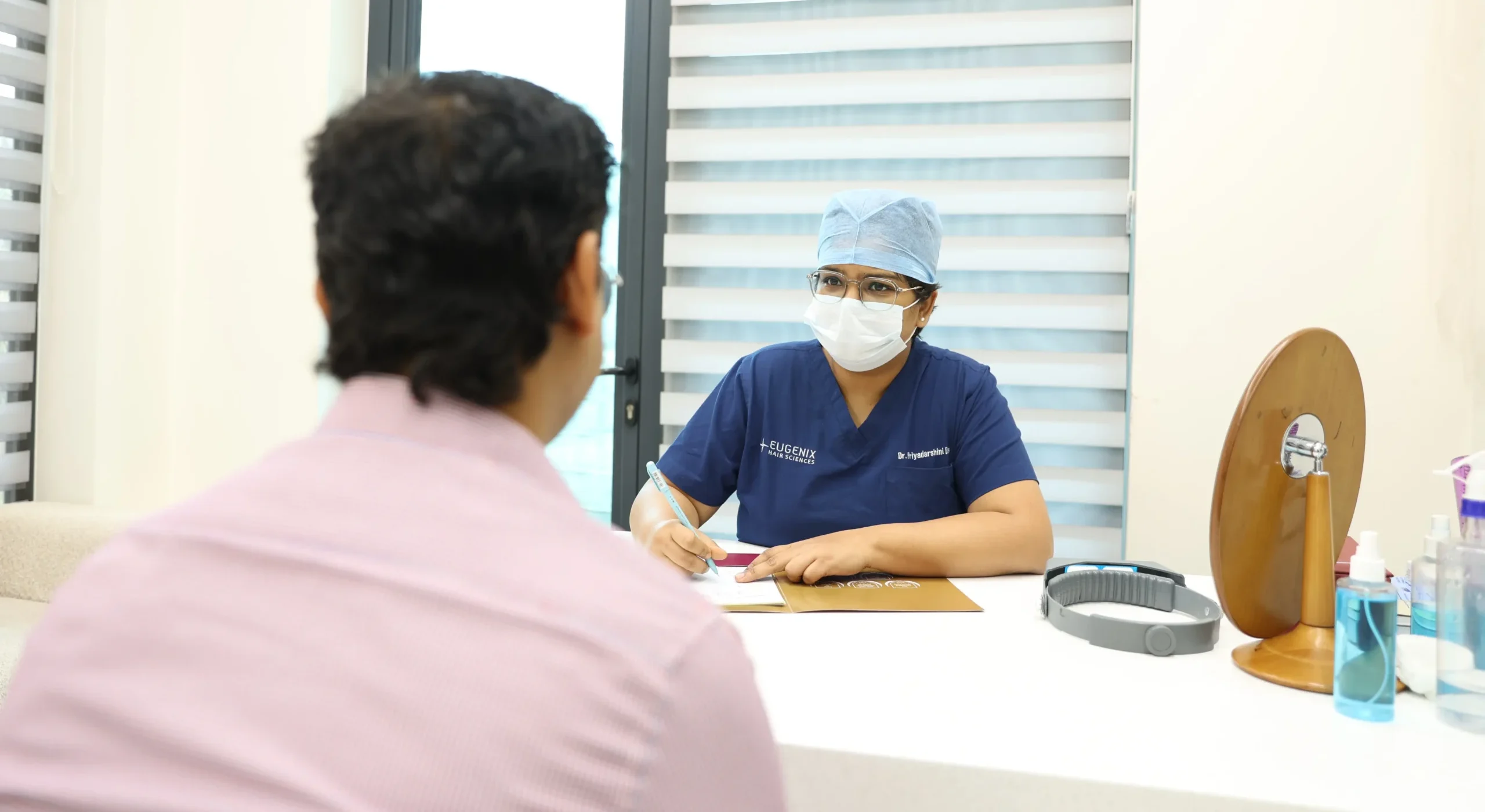
We understand that hair loss at a young age can be particularly distressing. That’s why the first and most important step is a thorough consultation. Our doctors will perform a detailed analysis of your scalp, assess the stability and likely progression of your hair loss, and discuss your long-term goals.

In many cases, we may initially recommend non-surgical treatments to help manage and stabilize your hair loss until you are the ideal age for a transplant. Our commitment is to provide you with an ethical, honest recommendation that prioritizes your lifelong satisfaction and confidence.

For Grade 6 and 7 baldness, the lead surgeon plans the hairline and graft placement around your donor area and possible future hair loss. The hairline zone is planned at 40 to 45 grafts per cm², with 20 to 25 grafts per cm² behind it. Where scalp donor hair is limited, beard or body hair may be used as a filler behind the hairline. Eugenix has performed more than 1,500 Grade 6 and 7 surgeries.*

Every plan is personal, so results depend on your donor area, hair type and hair loss. Transplanted hair usually sheds between Day 30 and Day 90, which is normal. New growth starts around Month 4, visible results come by Month 6 to 8, and full results take 10 to 12 months, or 12 to 15 months for the crown. Your doctor explains what is realistic for you at the consultation.

NABH (National Accreditation Board for Hospitals & Healthcare Providers) is a constituent board of the Quality Council of India. NABH accreditation means a facility has been independently assessed against national standards for patient safety, surgical protocols and ethical practice. Our Gurugram centre is NABH accredited.

NABH is itself accredited by ISQua (the International Society for Quality in Health Care). Our Gurugram centre in Sector 51 was assessed under the NABH Standards for Allopathic Clinics, 2nd Edition, Dermatology Clinics Programme.

Under the Allopathic Clinics, 2nd Edition standards, a clinic must show a sterile surgical environment, emergency equipment, qualified surgeons and an infection control system, among other requirements.

Safety and results go together. Our NABH standards include infection control and careful graft handling. With Direct Hair Transplant, grafts stay outside the body for under 30 minutes, compared to 3 to 6 hours with conventional FUE. We protect the grafts at every step, and a safer procedure supports natural-looking results.

These are six goals that we follow for every single patient:

  1. Correct Identification: Ensuring the right procedure for the right person, every time.
  2. Effective Communication: Clear information sharing between your surgical team members.
  3. Medication Safety: Rigorous checks on all anaesthetics and medications used during surgery.
  4. Safe Surgery: Using the WHO “Time-Out” checklist to verify every step before we begin.
  5. Infection Prevention: Following hand hygiene and sterilisation protocols.
  6. Fall Prevention: Ensuring your stability and safety during the post-operative recovery phase.

NABH requires “Credentialing and Privileging“. Auditors verify that every surgeon performing a procedure at Eugenix is qualified and trained for the tasks they perform.

Transparency is a core requirement of NABH. Accredited clinics must have a formal, documented system for patient feedback and grievance redressal. This ensures that your voice is heard and that we are constantly evolving our care based on your experience.

Recent Blogs
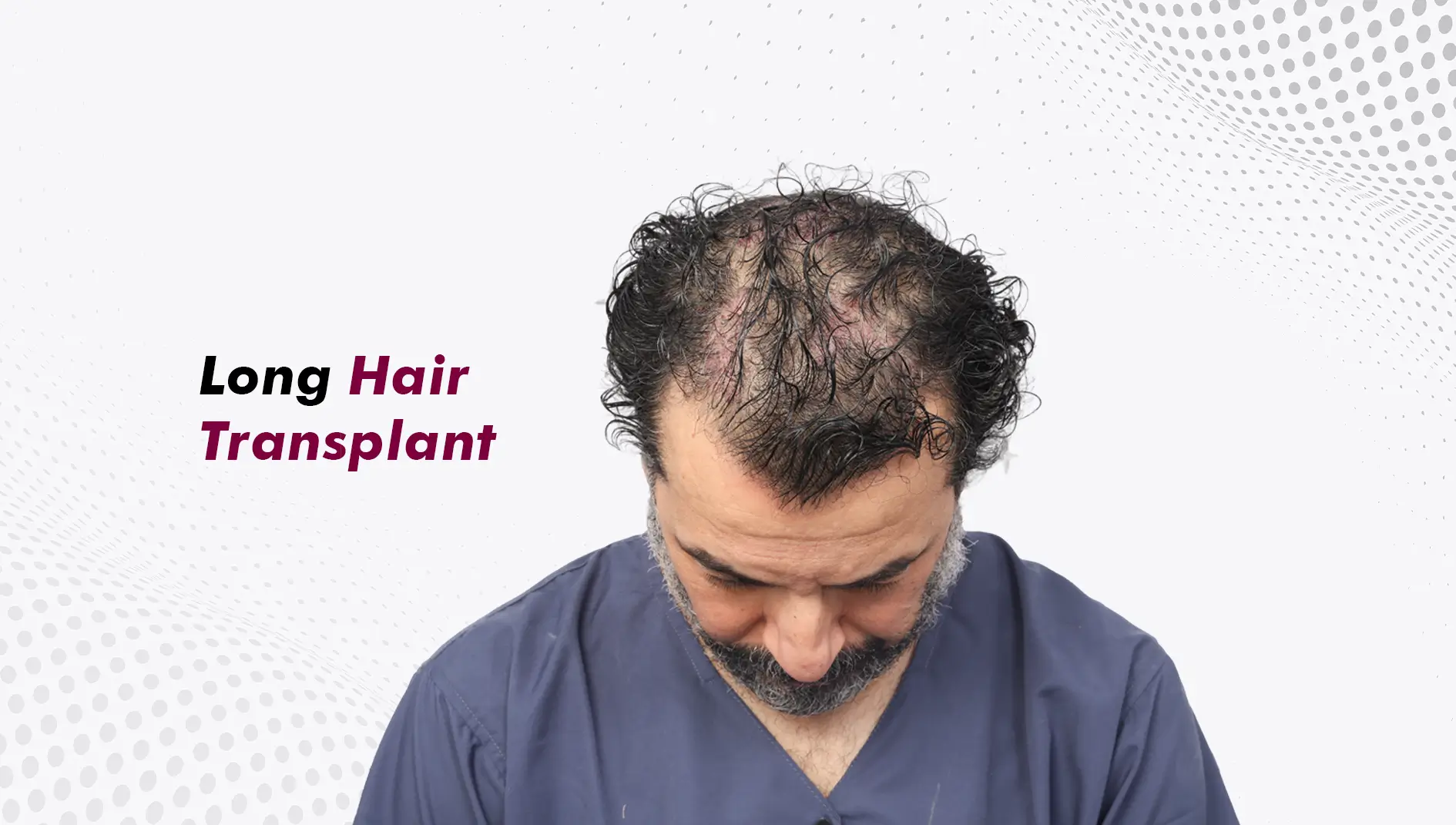
Long Hair Transplant: Can You Keep Your Length During an Unshaven Hair Transplant?
09 Oct 2026

If you wear your hair long, the thought of clippers can be the hardest part of deciding on hair restoration. This is why many patients search for a long hair transplant: a procedure that restores thinning areas while the hair on top stays at its current length.

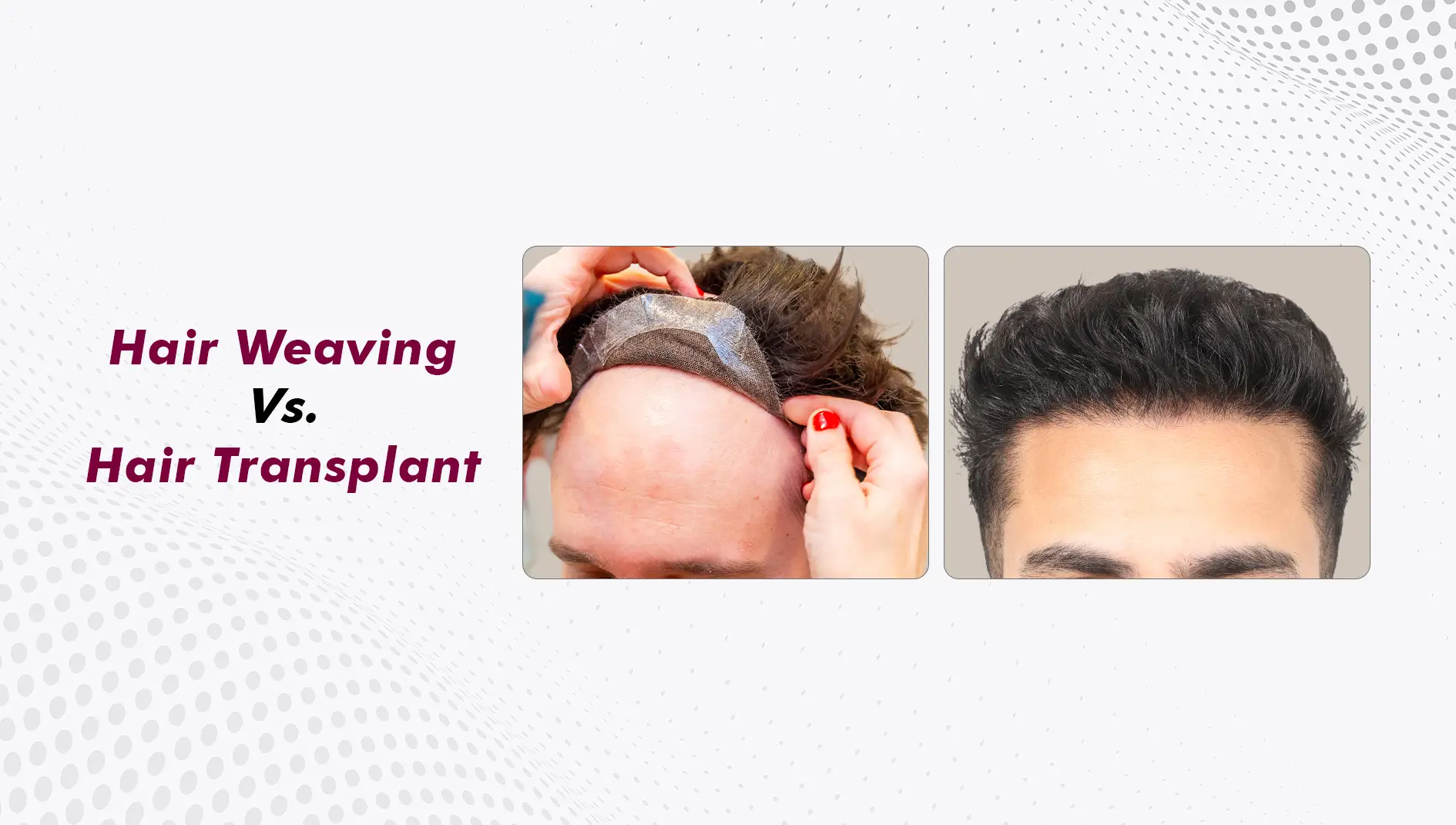
Hair Weaving Cost vs Hair Transplant: What Are You Really Paying For?
06 Oct 2026

If you have started researching solutions for hair loss, you have probably compared hair weaving cost with hair transplant cost and wondered which one makes financial sense.

Hair Transplant in Bengaluru Is Here: Eugenix Hair Sciences Opens Its Doors
01 Oct 2026

Bengaluru, we have arrived. On 24th September 2026, Eugenix Hair Sciences opened its first center in the city, inaugurated by Karnataka Chief Minister Shri D.K. Shivakumar.

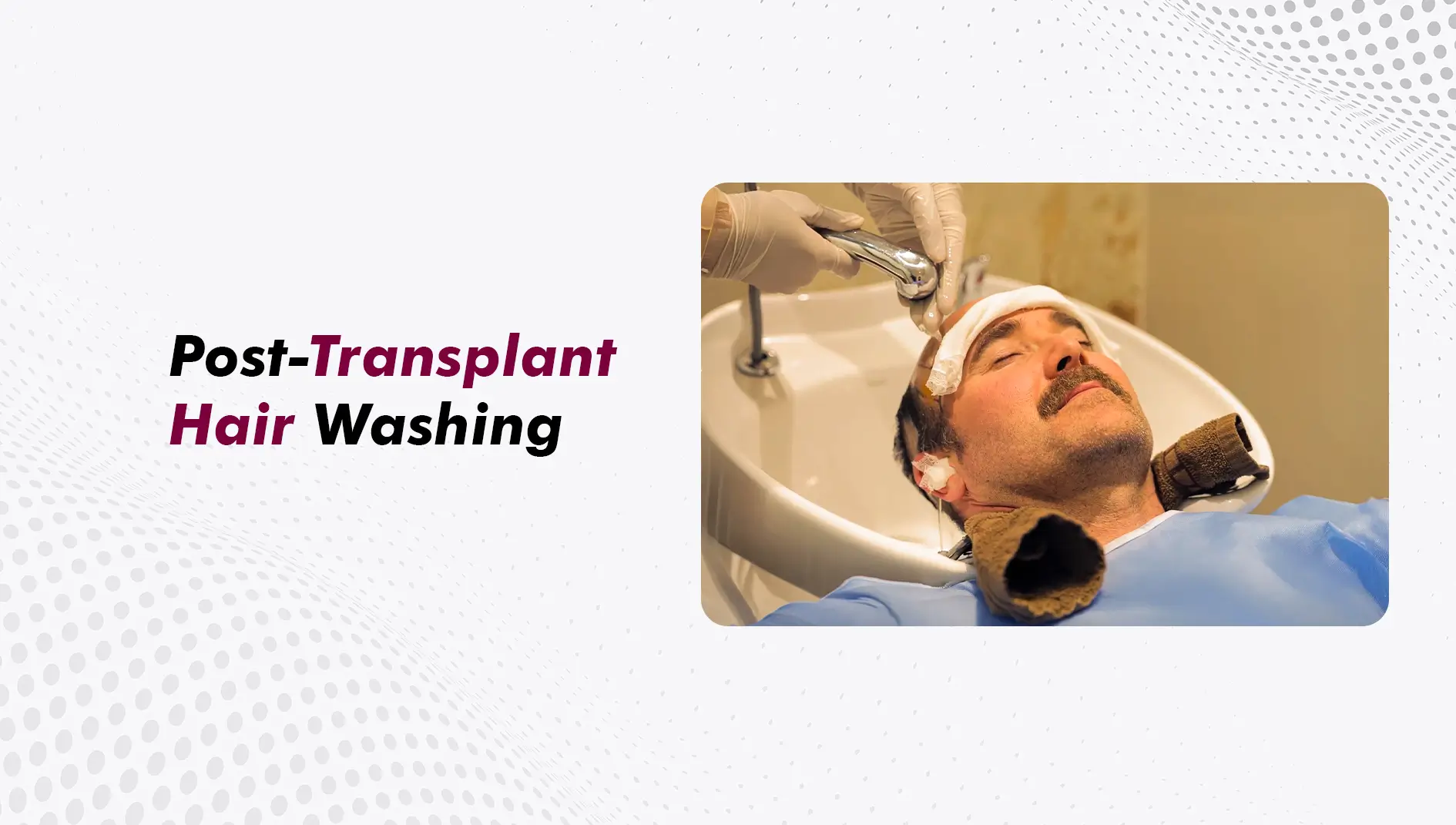
Washing Your Hair After a Hair Transplant: The First 30 Days
28 Sep 2026

Of all the questions patients ask after a hair transplant procedure, washing hair after hair transplant surgery is the most common. In the first week your newly implanted follicles are still settling in, and pressure, rubbing, and hot water work against them.

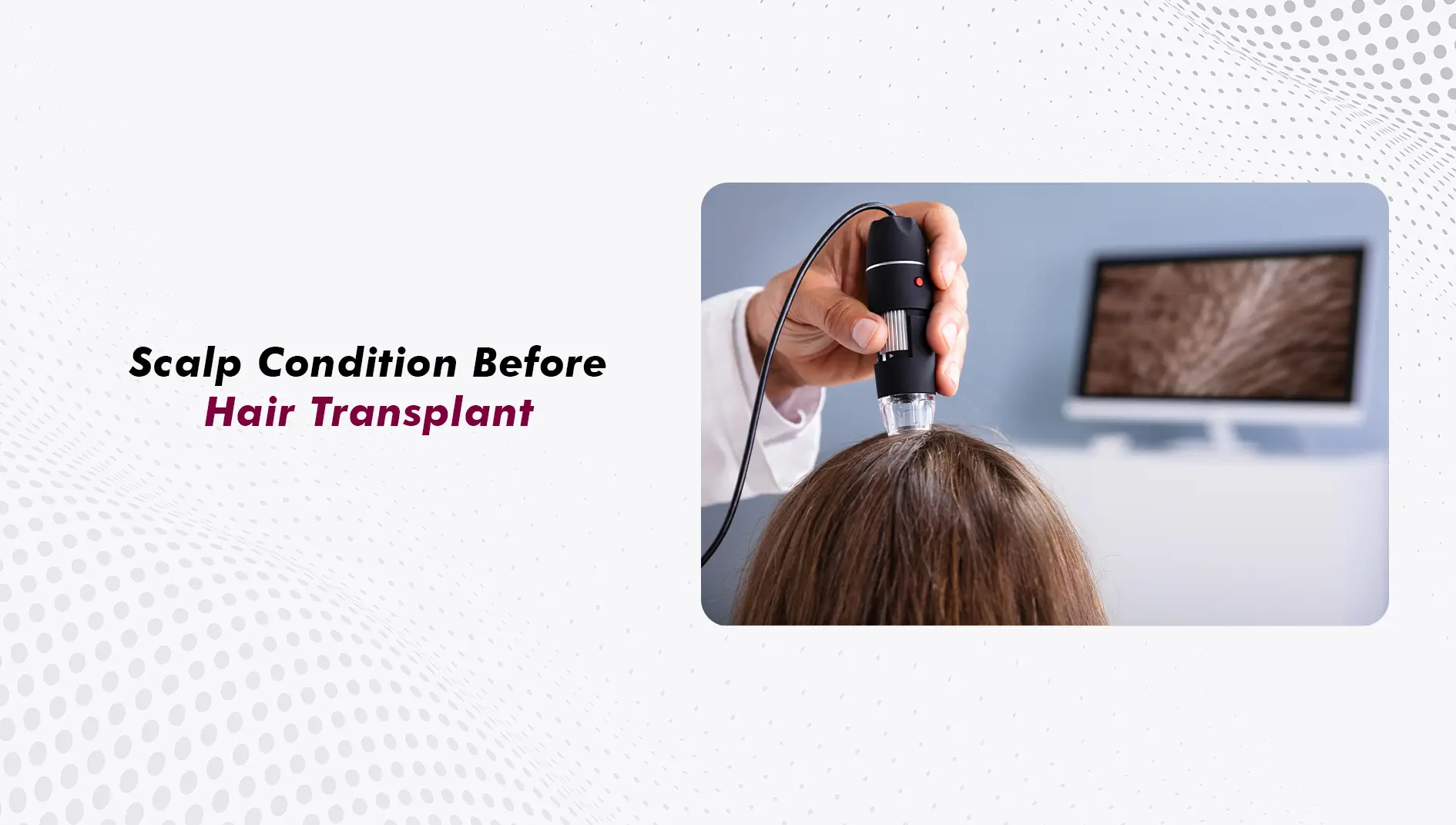
Scalp Conditions Before Hair Transplant Surgery: Dandruff, Psoriasis and What Needs Treating First
26 Sep 2026

If you have been living with flaking, itching or red patches on your head, you have probably wondered whether any of it stands between you and hair restoration. The answer is more reassuring than most expect.

How to Prepare for Hair Transplant Surgery: The 30 Days Before Your Procedure
24 Sep 2026

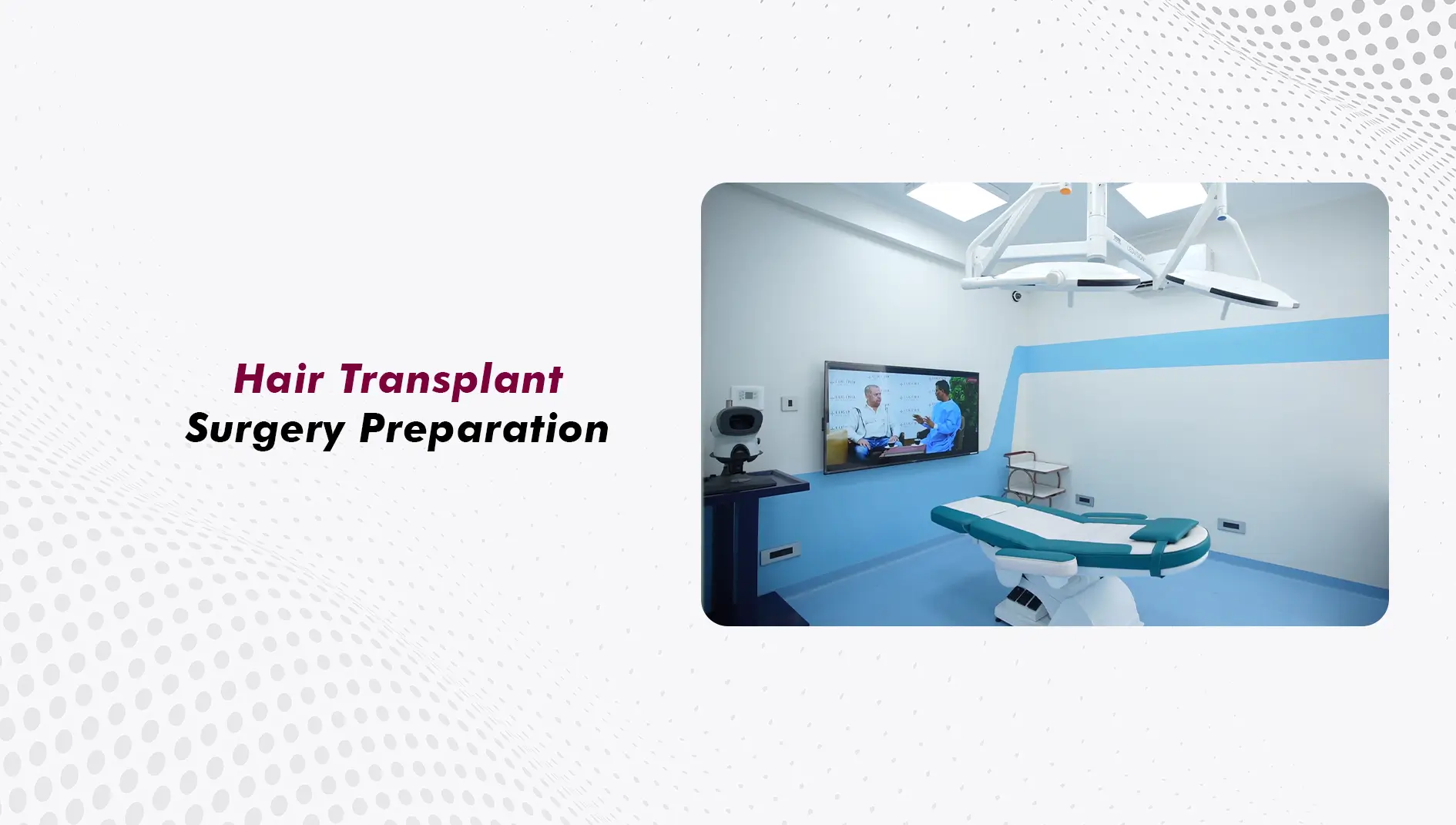
If your date is booked, the next question is almost always the same: how to prepare for hair transplant surgery so that nothing goes wrong on the day. Preparation is simple.

Eugenix Hair Sciences clinic

Contact Us

Share your details and our team will get in touch with you.

Hair Transplant Clinic India Locations

Gurugram:
934 & 935P, Sector 51, Gurugram, Haryana - 122018

Hyderabad:
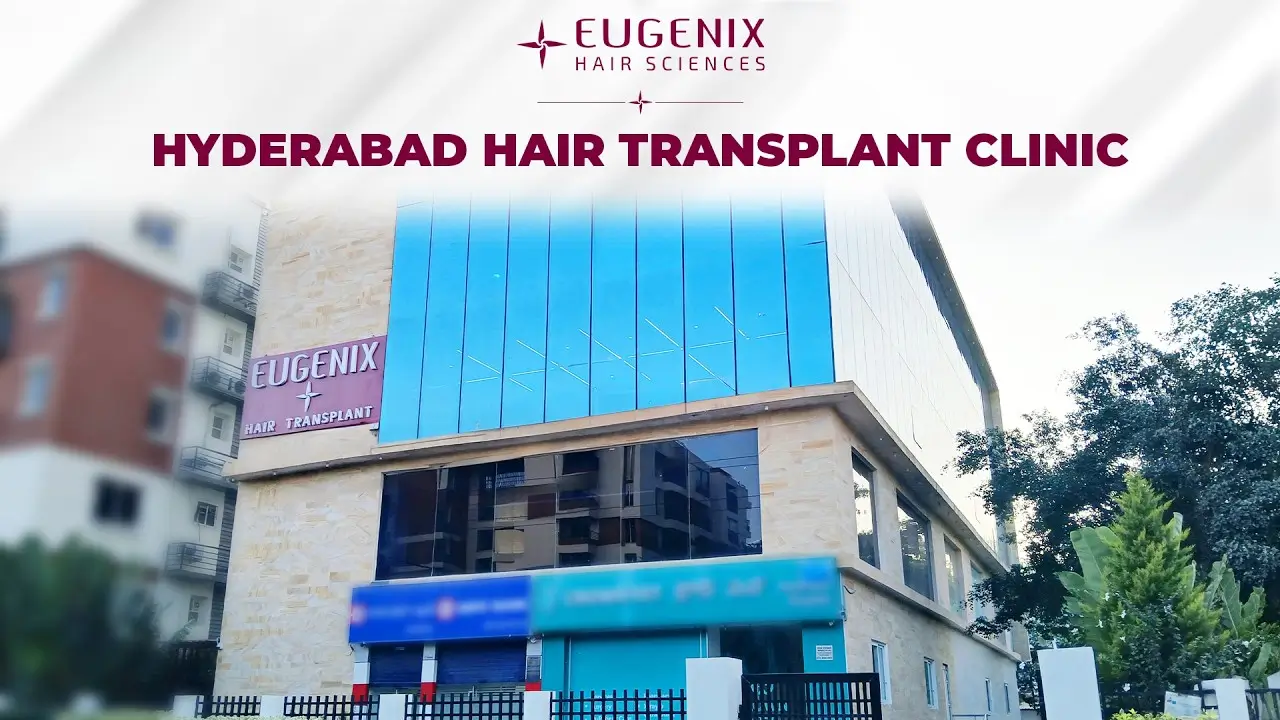
2nd Floor, Mahathi Towers, Novotel Hotel Road, Izzathnagar, Shilpa Hills, Hyderabad, Telangana - 500084

Mumbai:
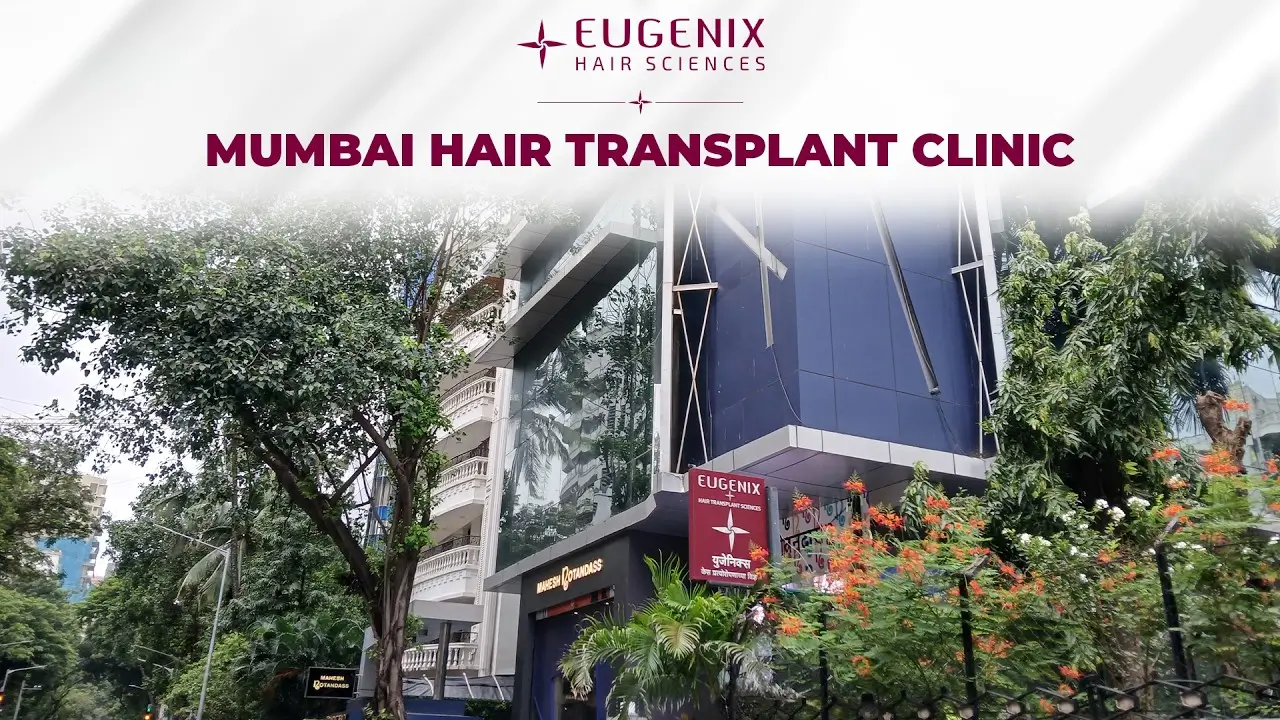
3rd Floor, Notan Plaza, 898, Turner Rd, Bandra West, Mumbai, Maharashtra - 400050

Bhubaneswar:
Plot 39-C, VIP Colony, IRC Village, Nayapalli, Bhubaneswar, Odisha - 751015

Bengaluru:
2nd and 3rd Floor, Featherlite Vantage 100 Feet Rd, HAL 2nd Stage, Domlur, Indiranagar, Bengaluru, Karnataka - 560008

Book an
Appointment
Graft
Calculator
🇺🇸 English 🇩🇪 Deutsch 🇫🇷 Français 🇪🇸 Español 🇮🇹 Italiano