














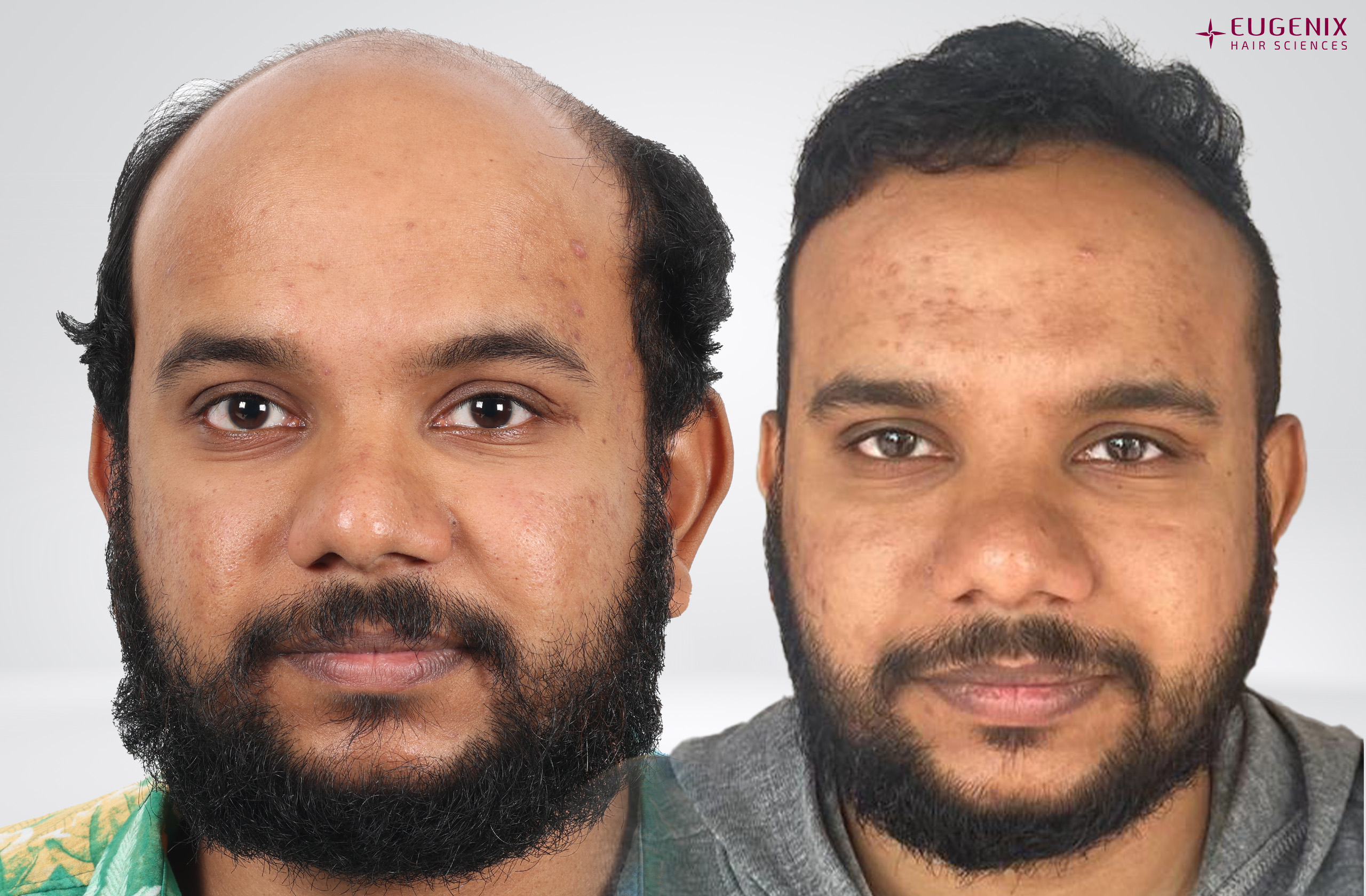

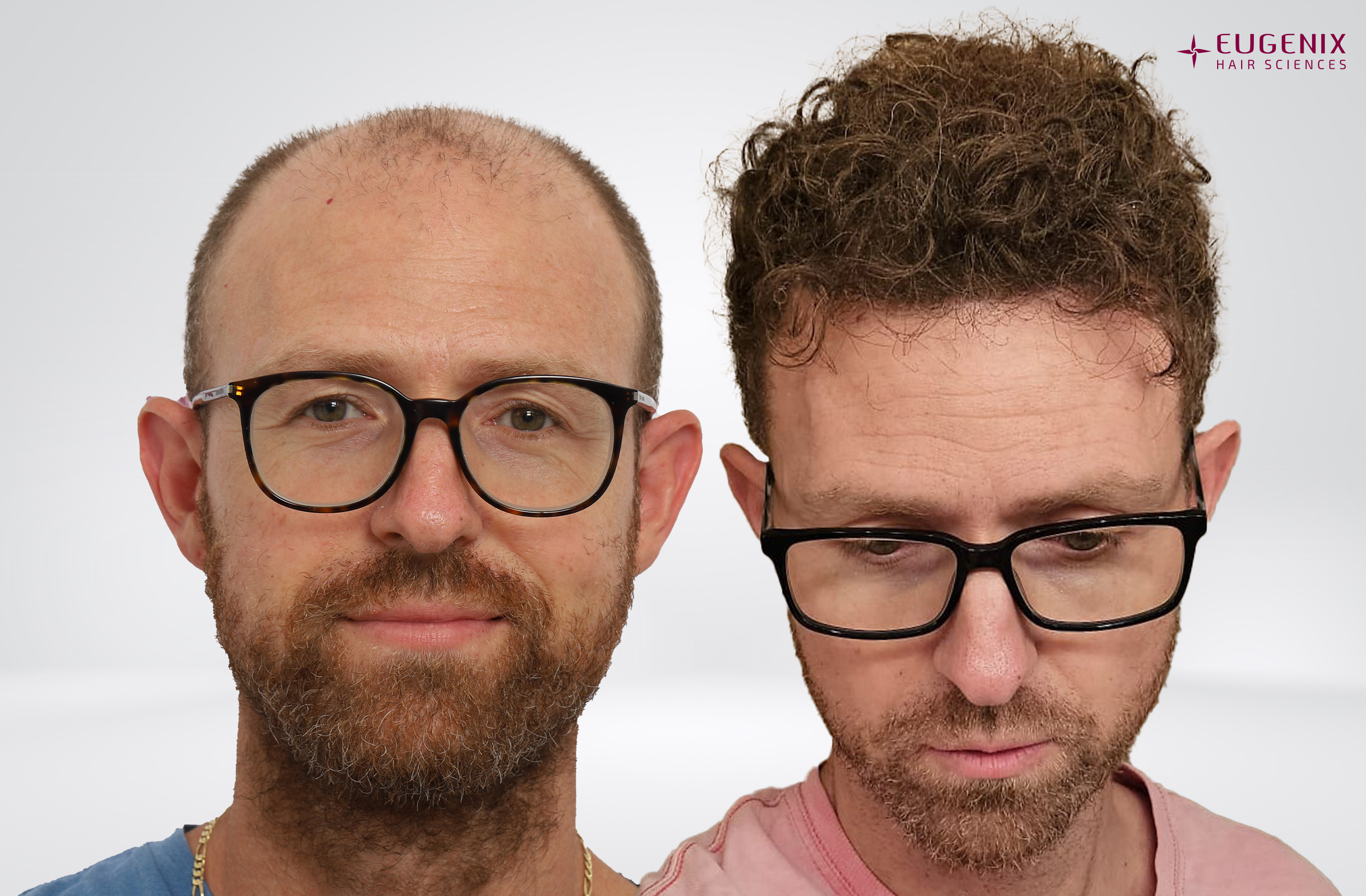



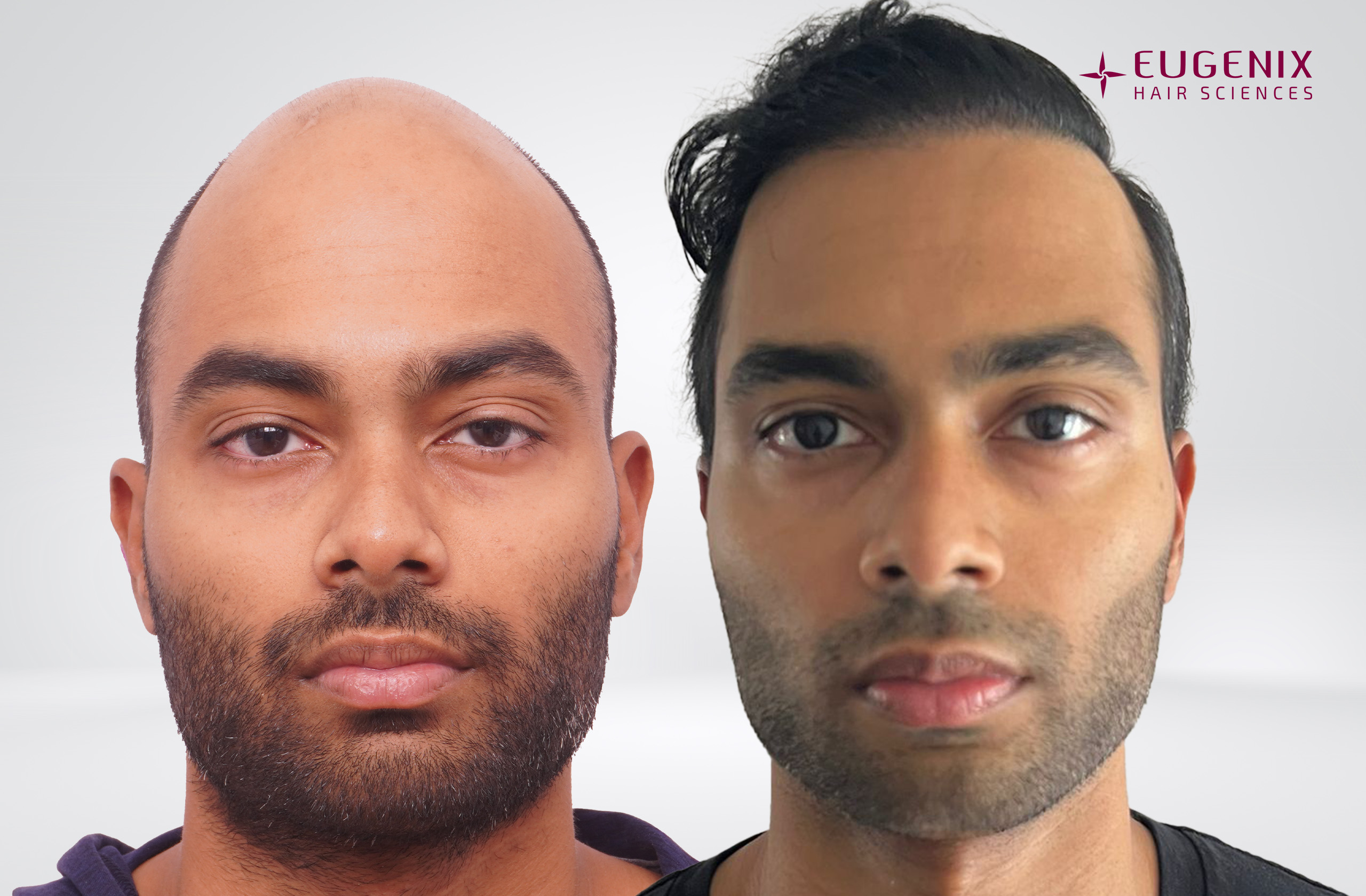
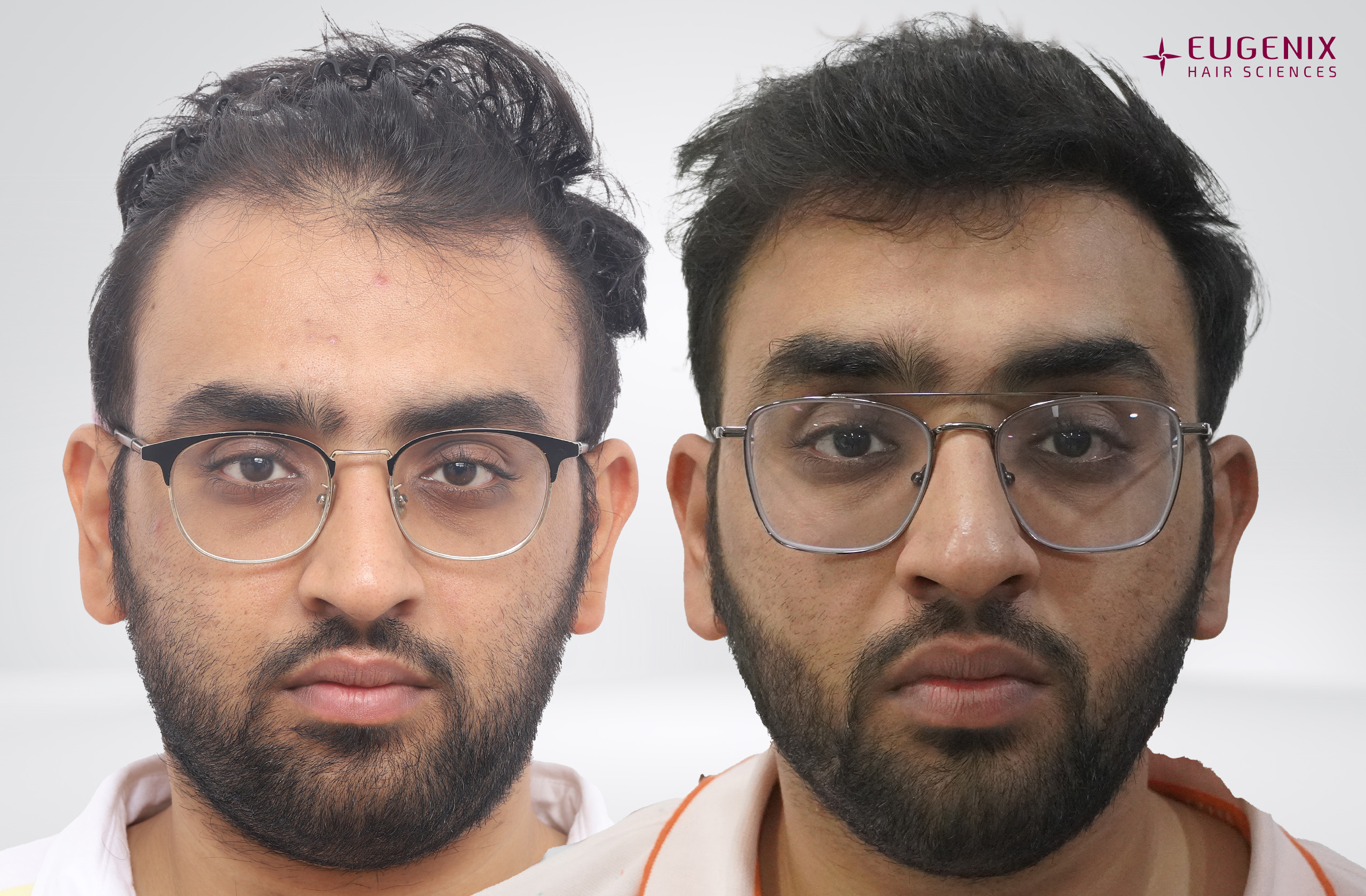



























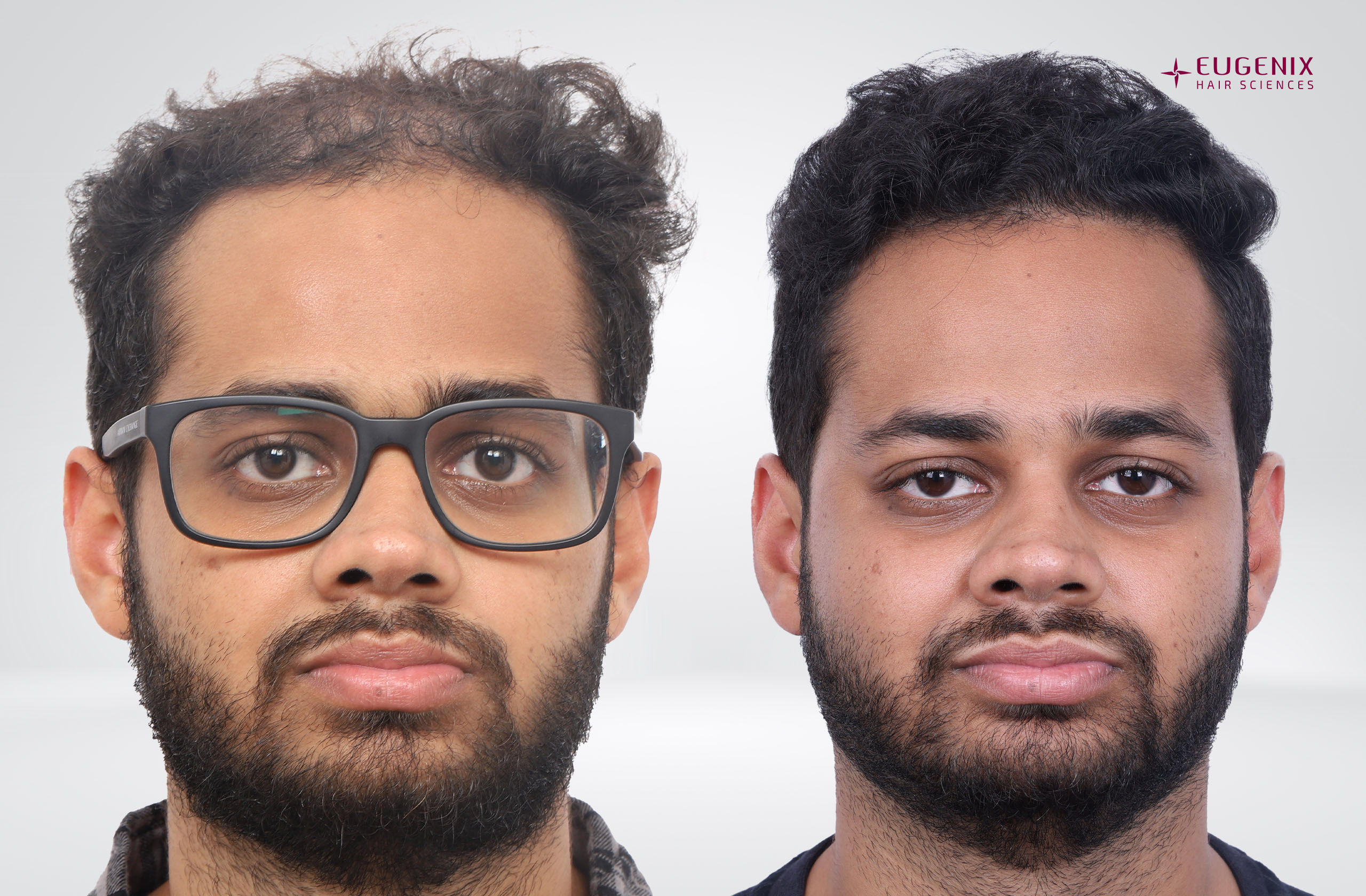

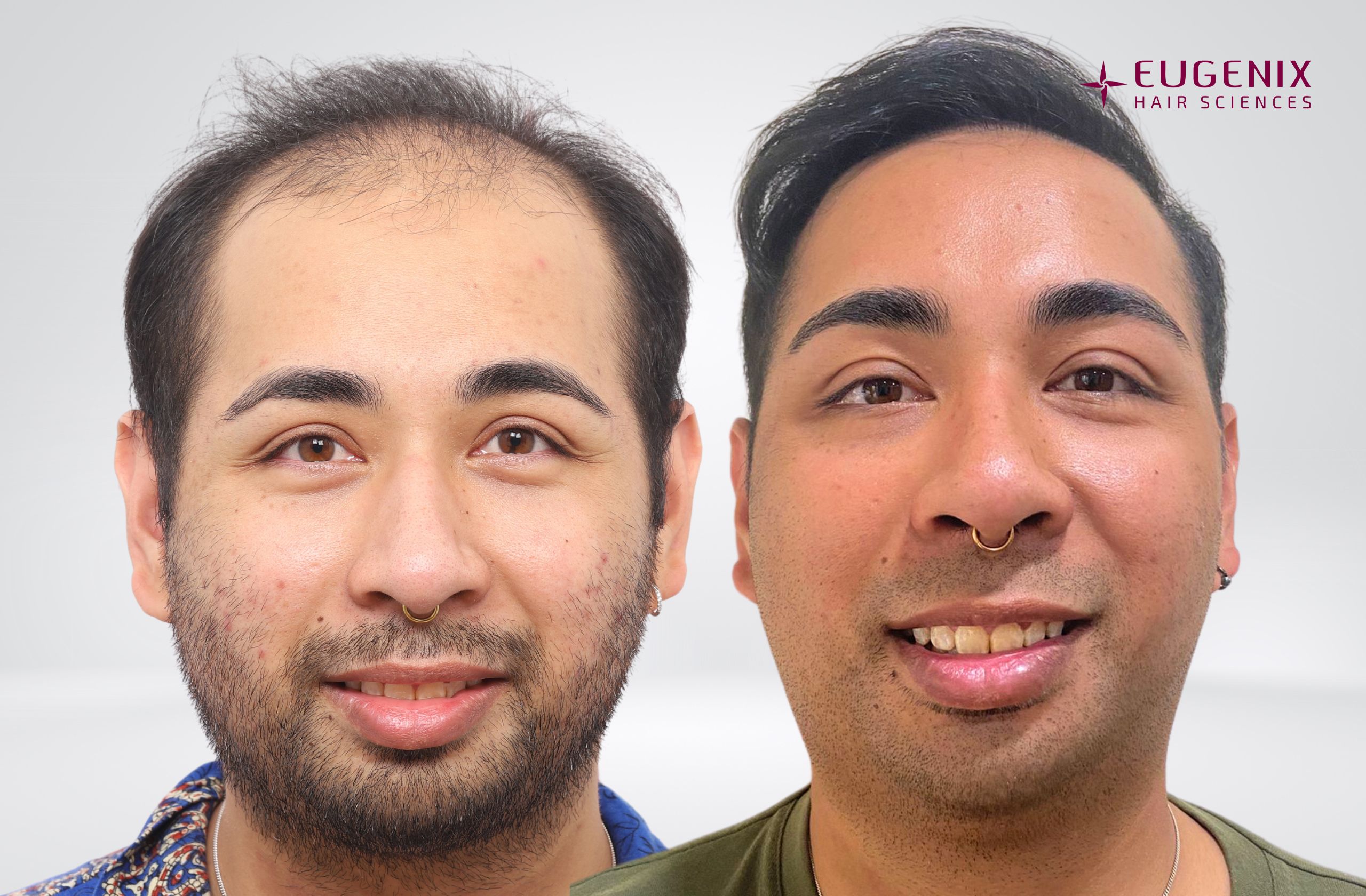
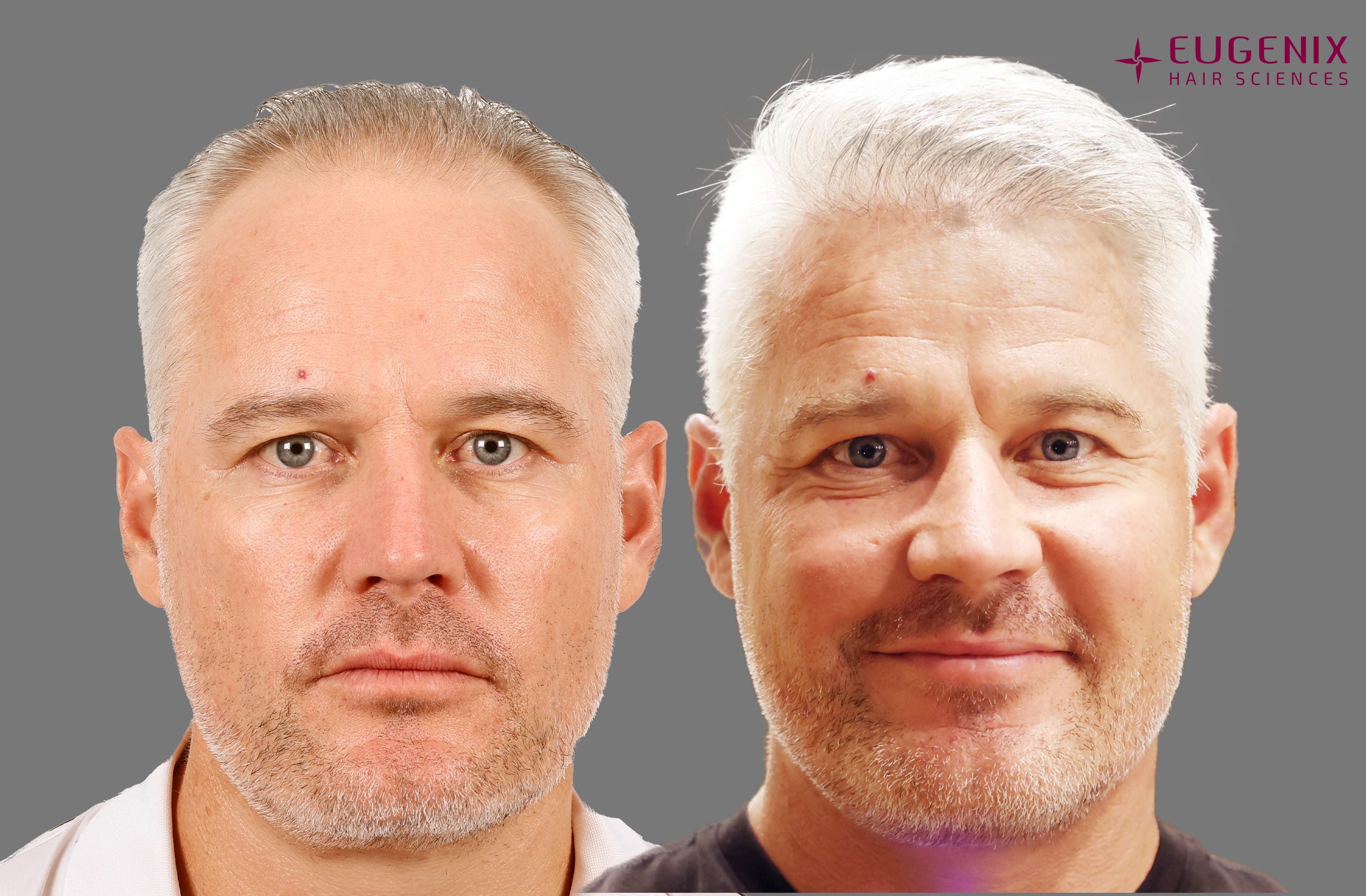

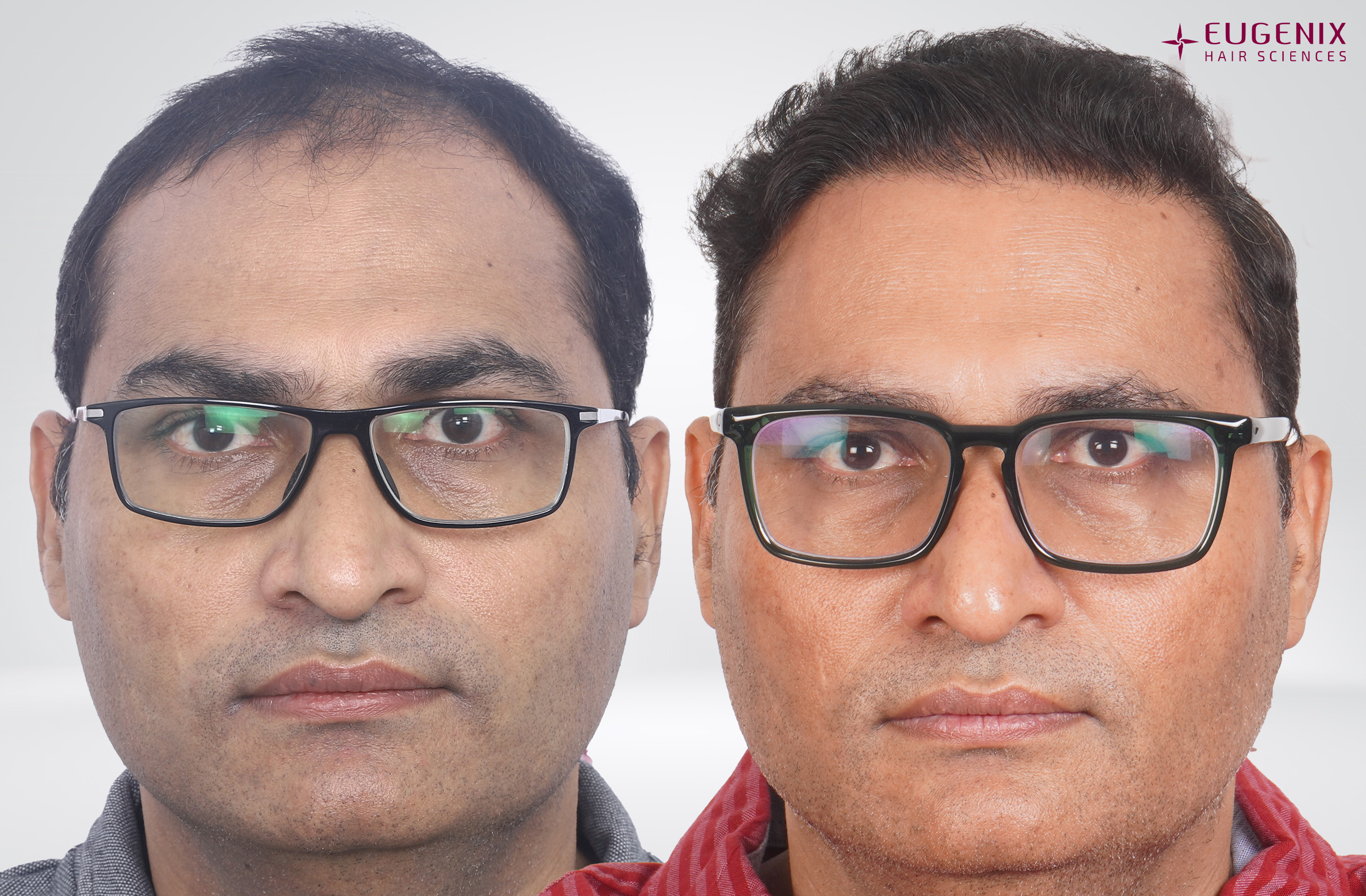



































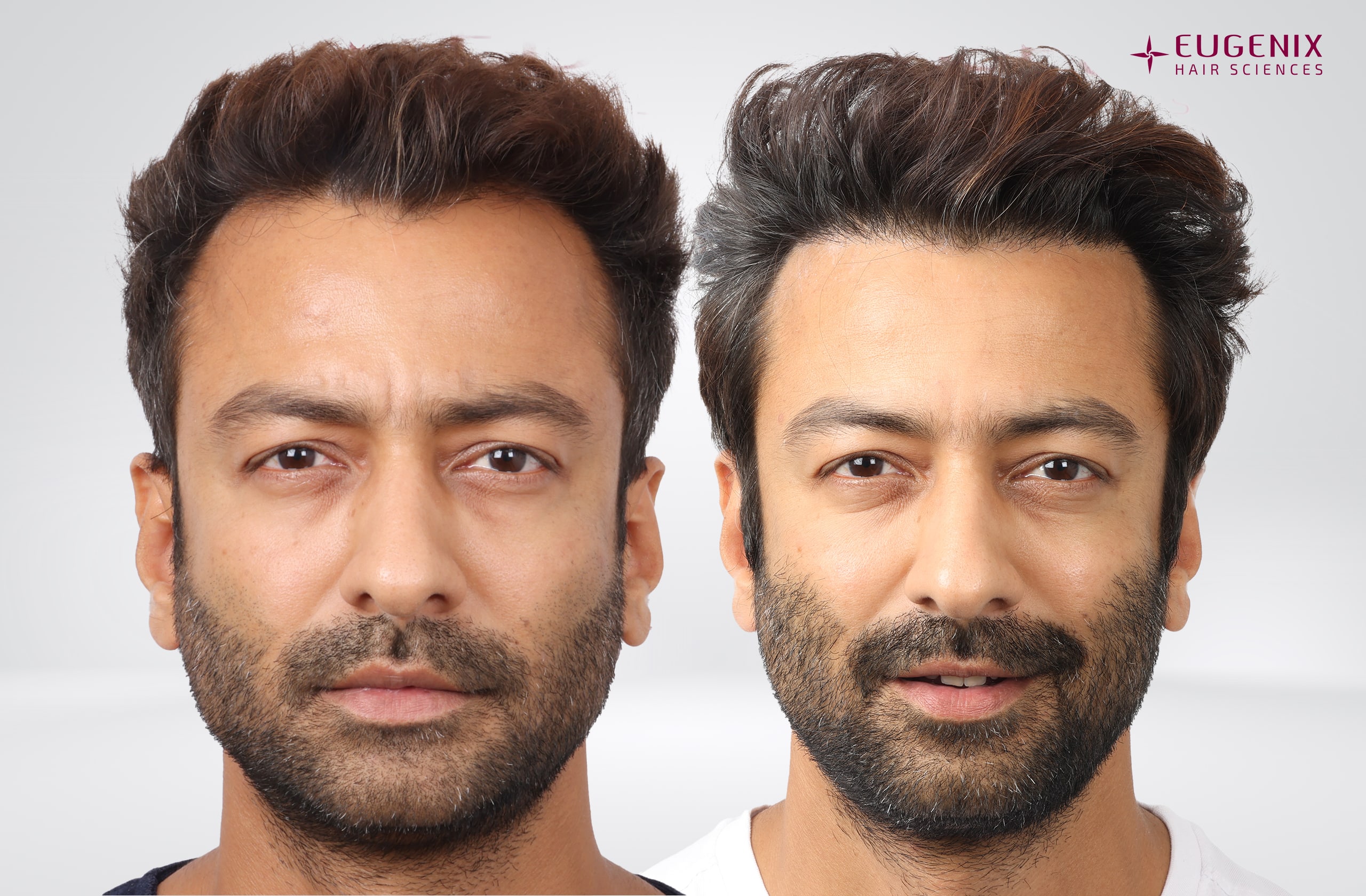
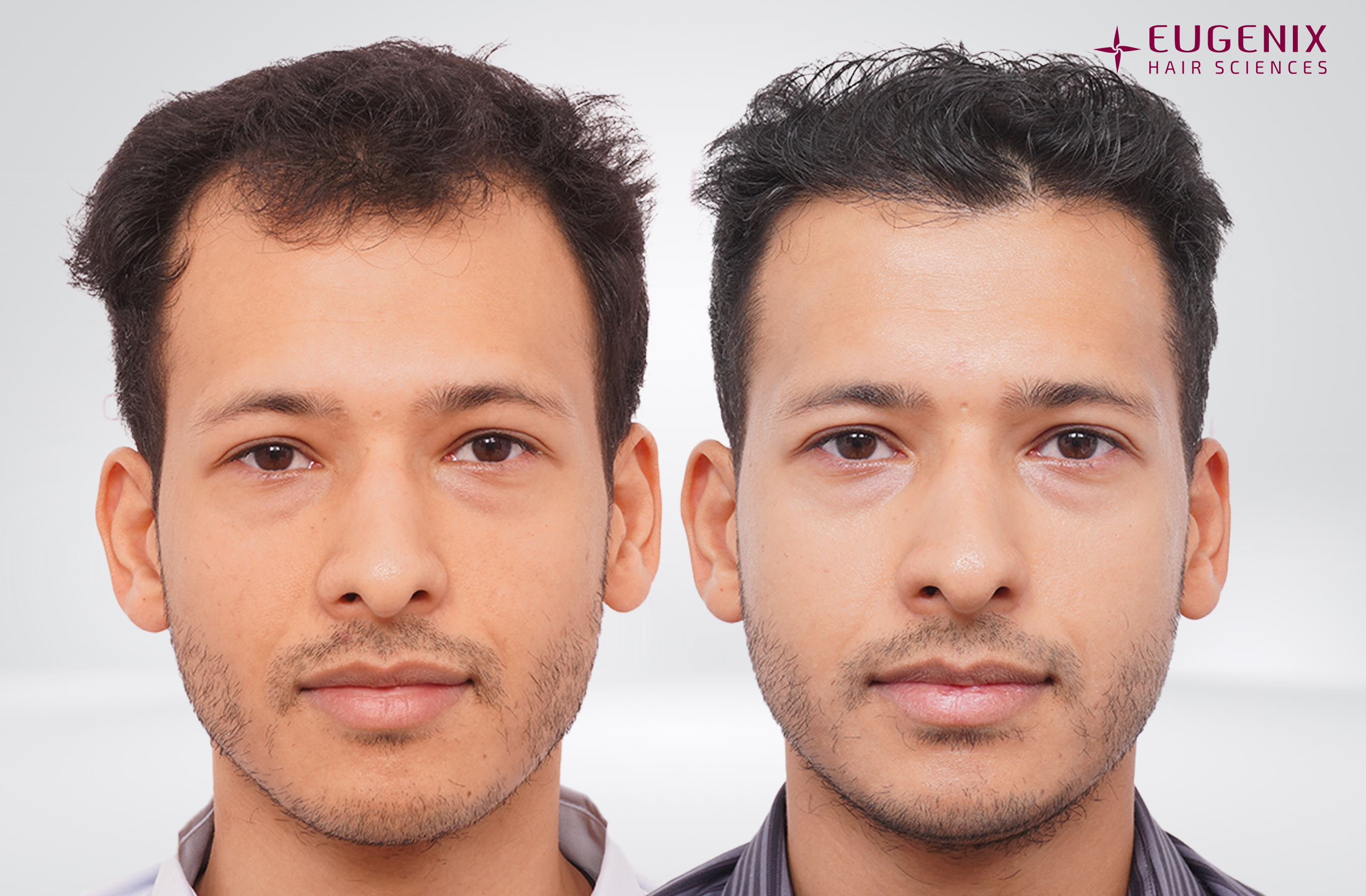


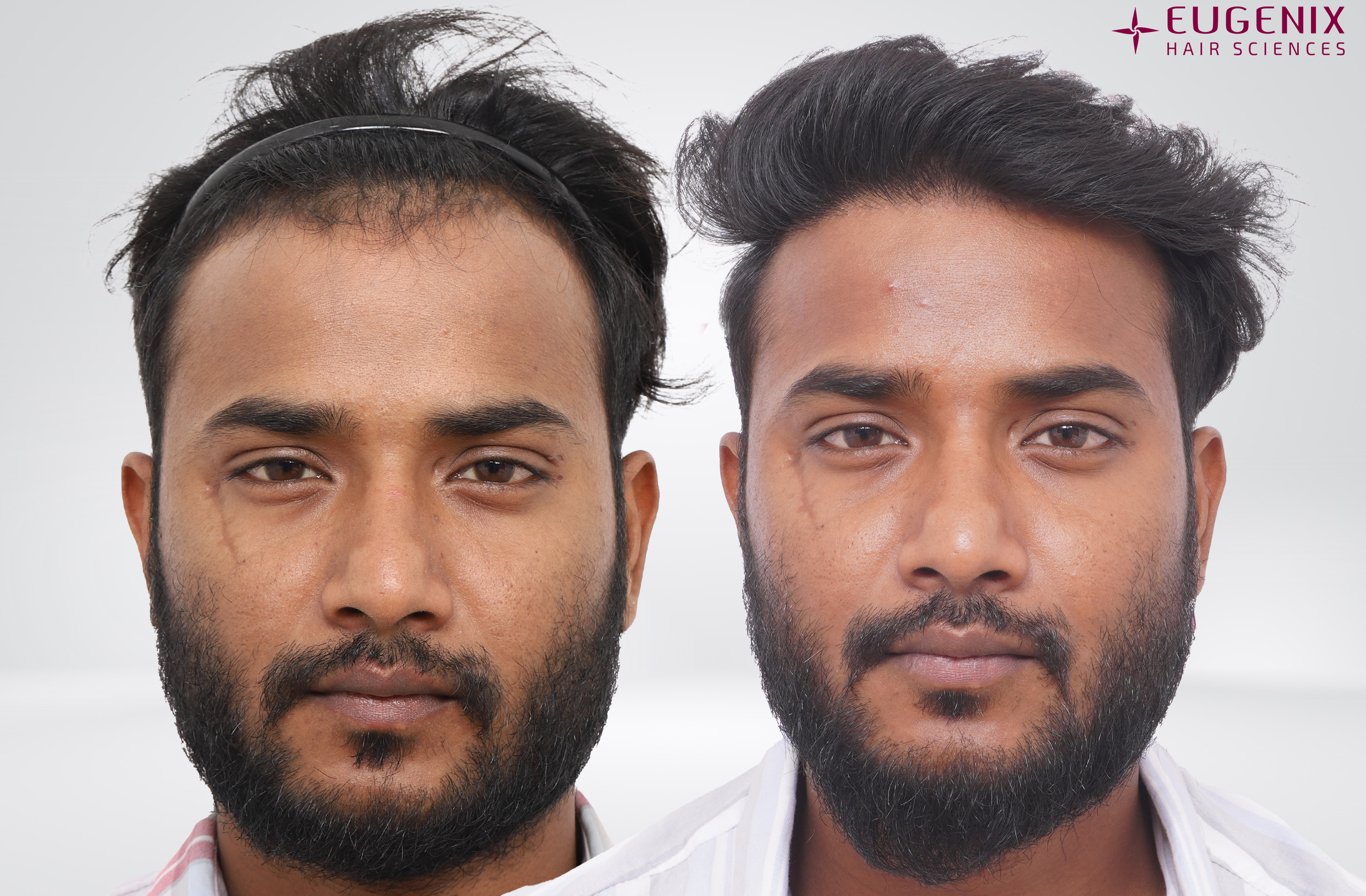
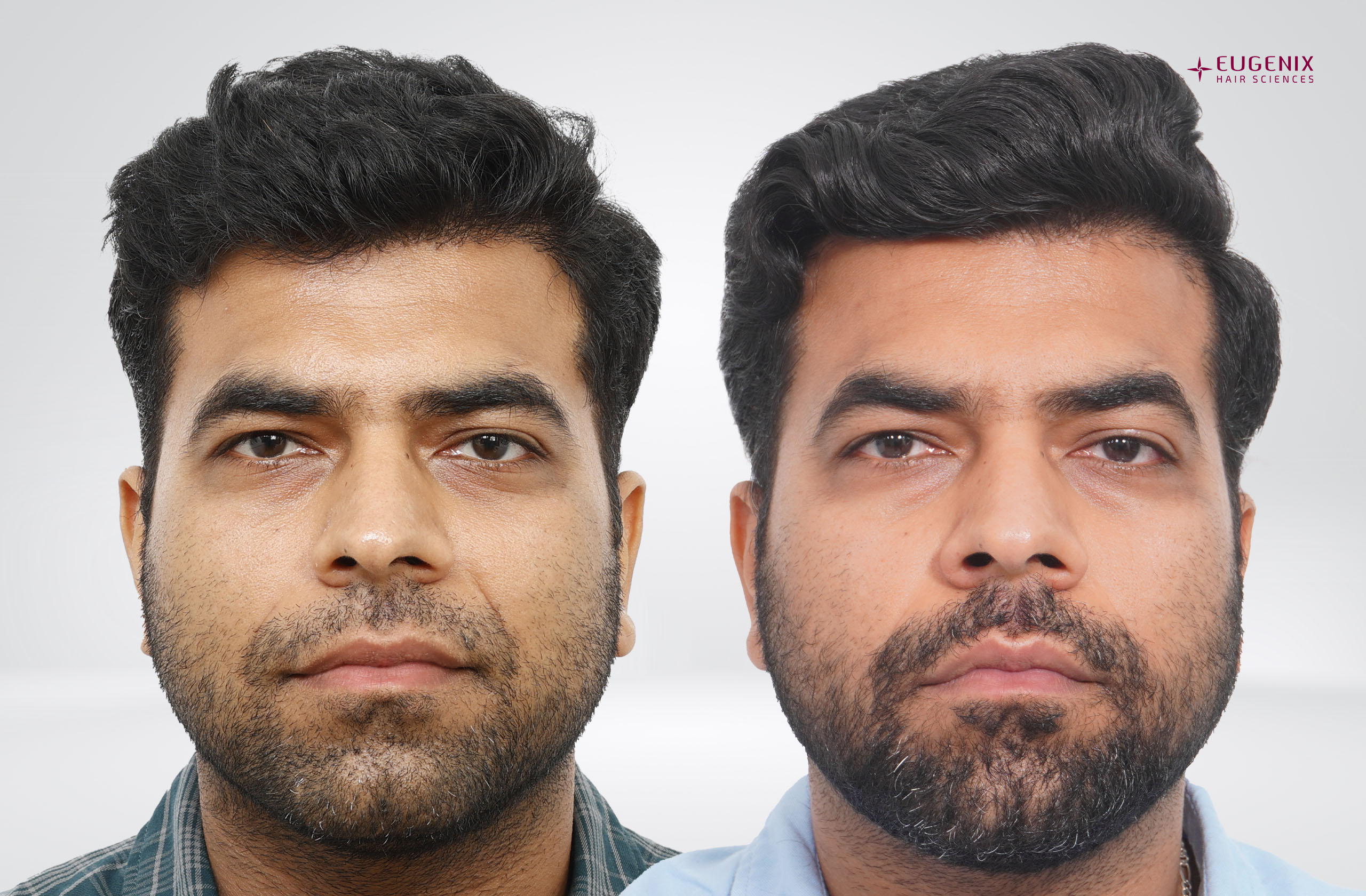



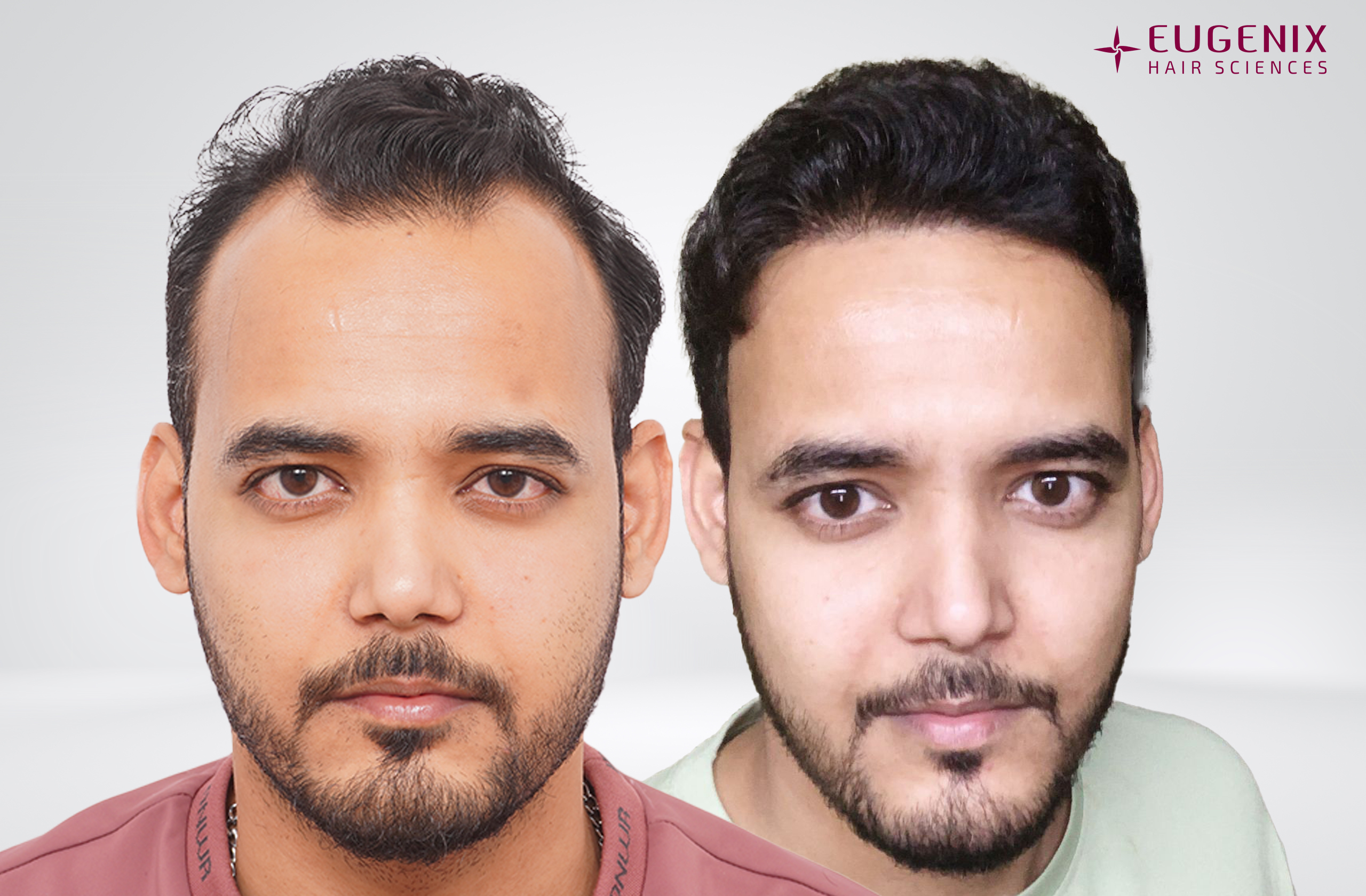
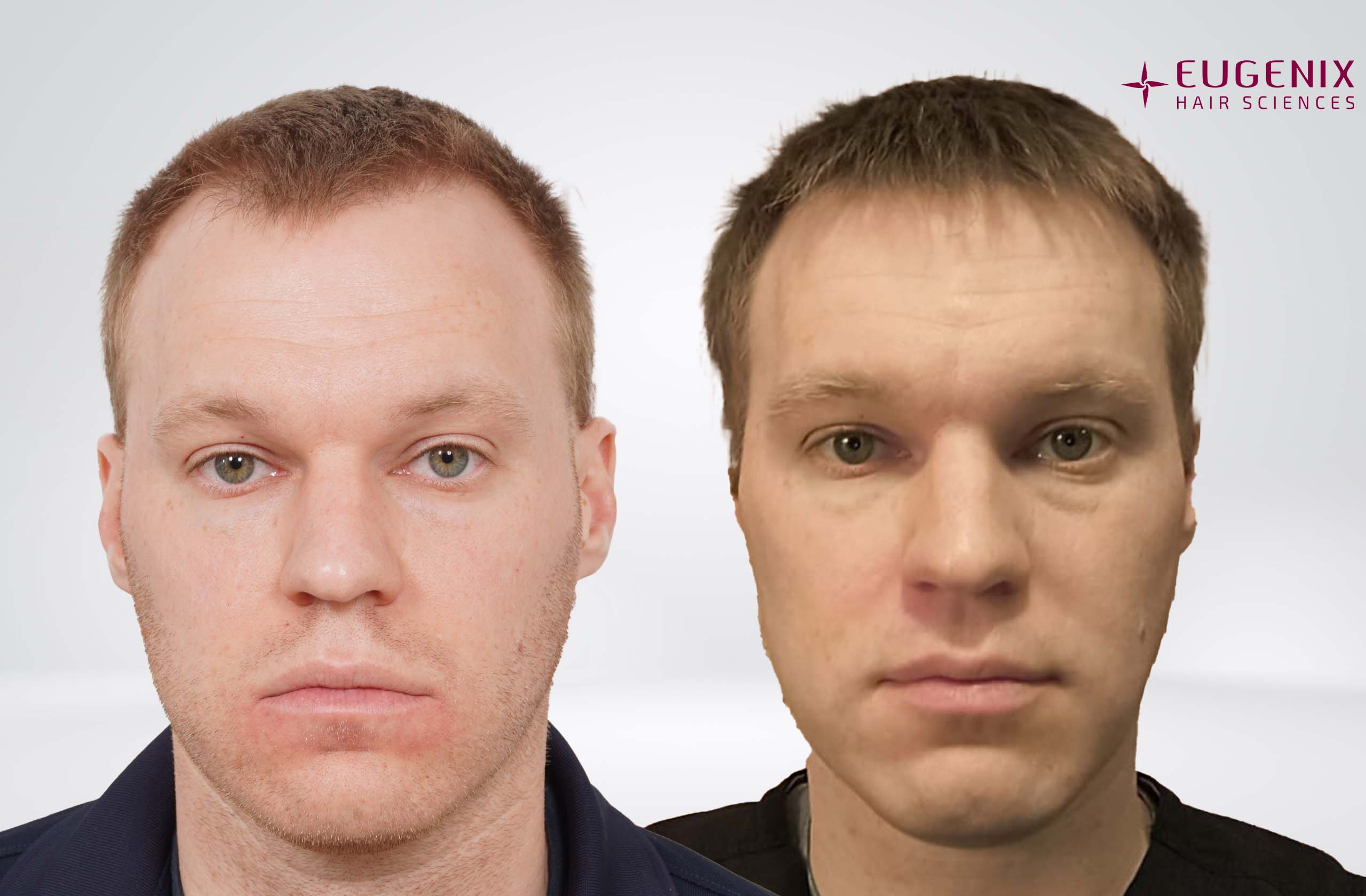

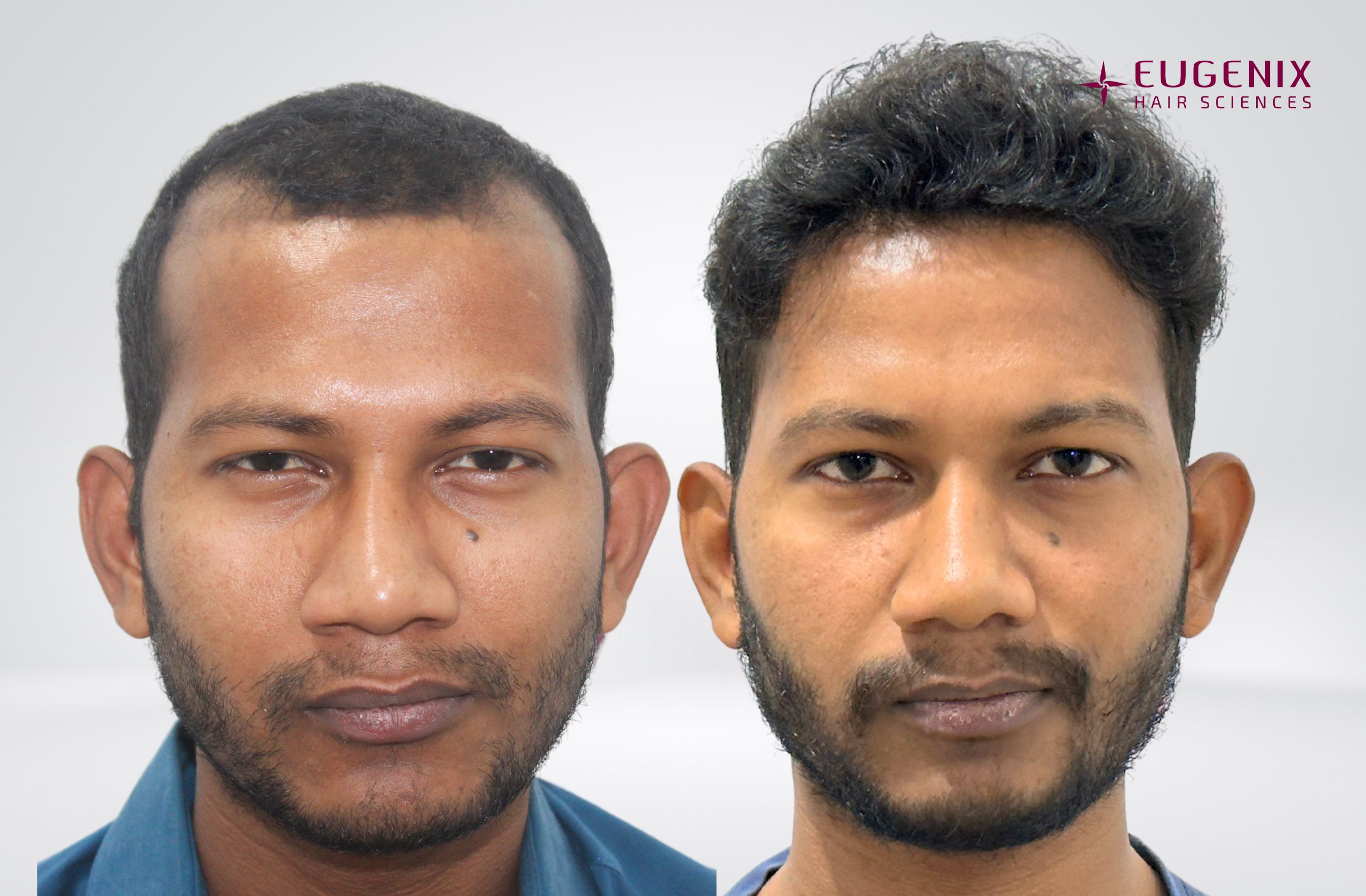


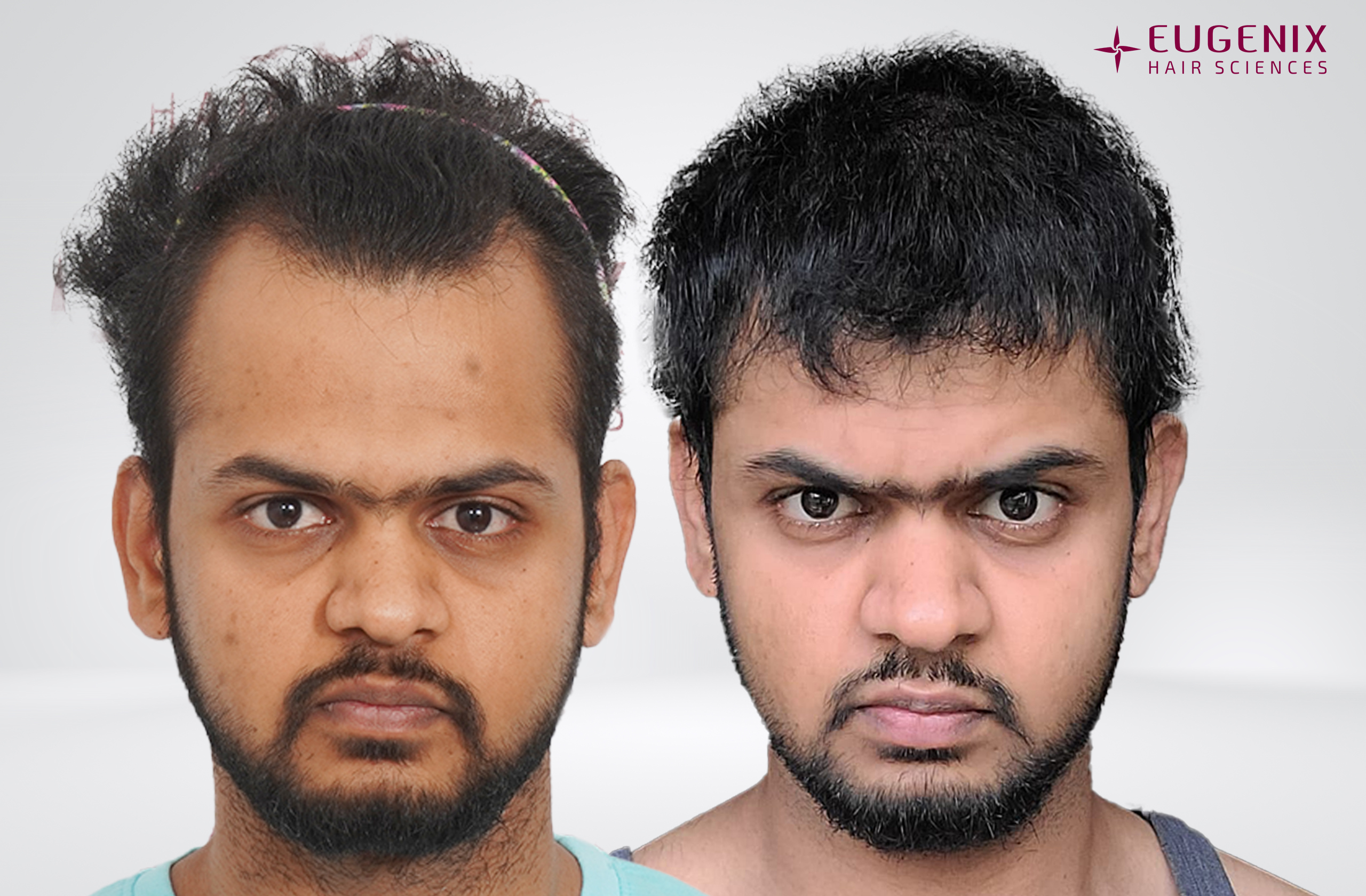



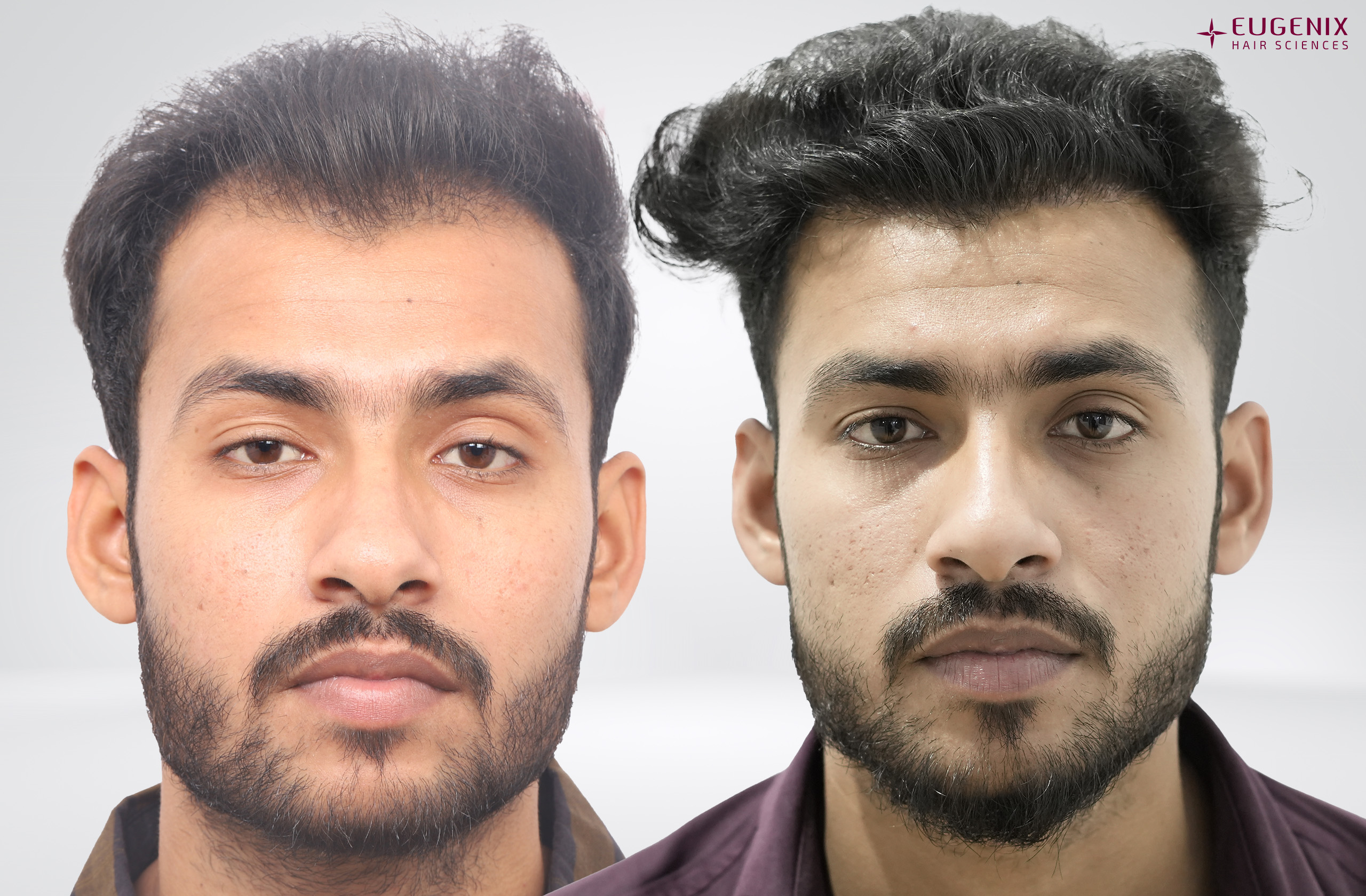
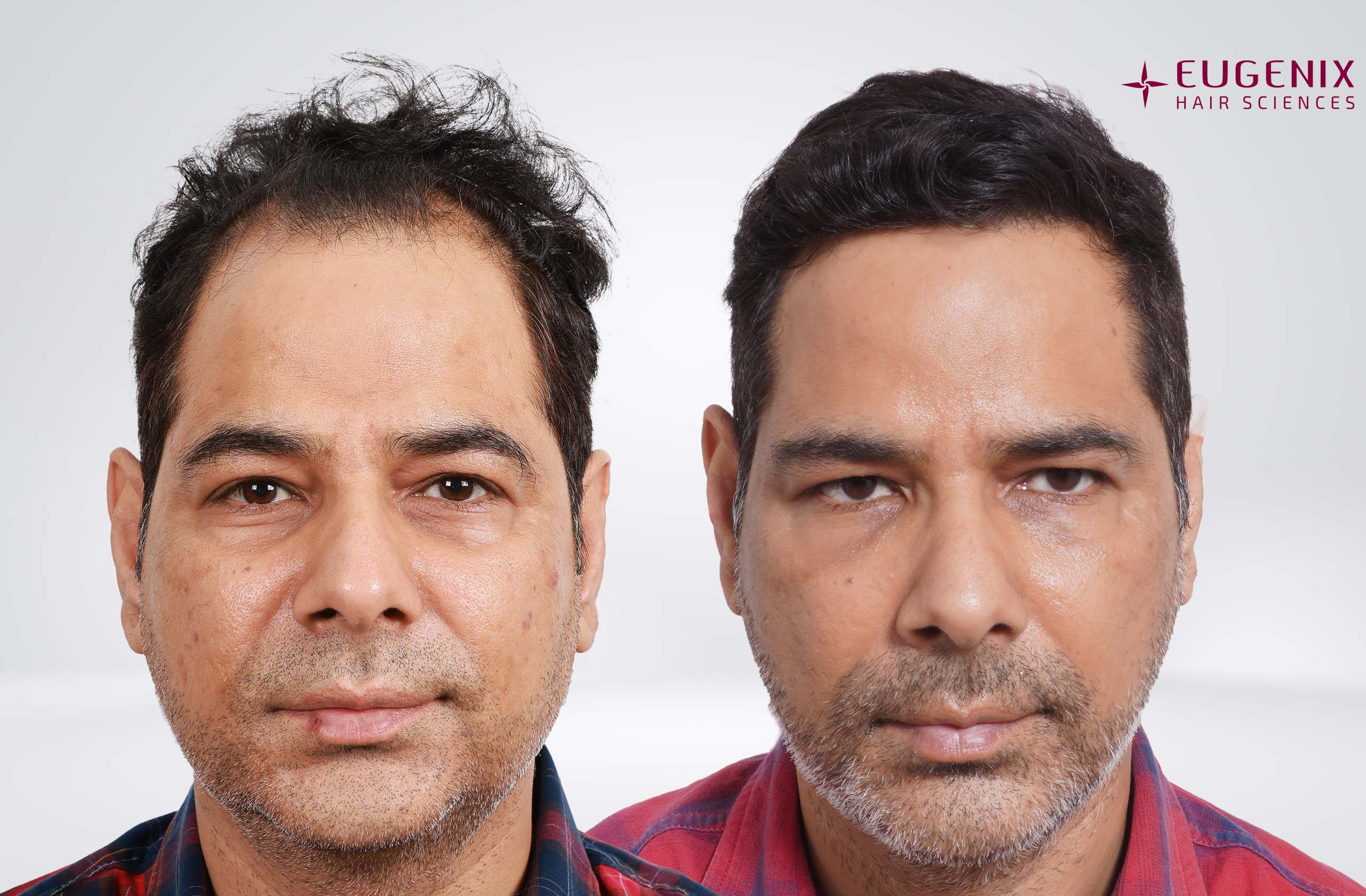
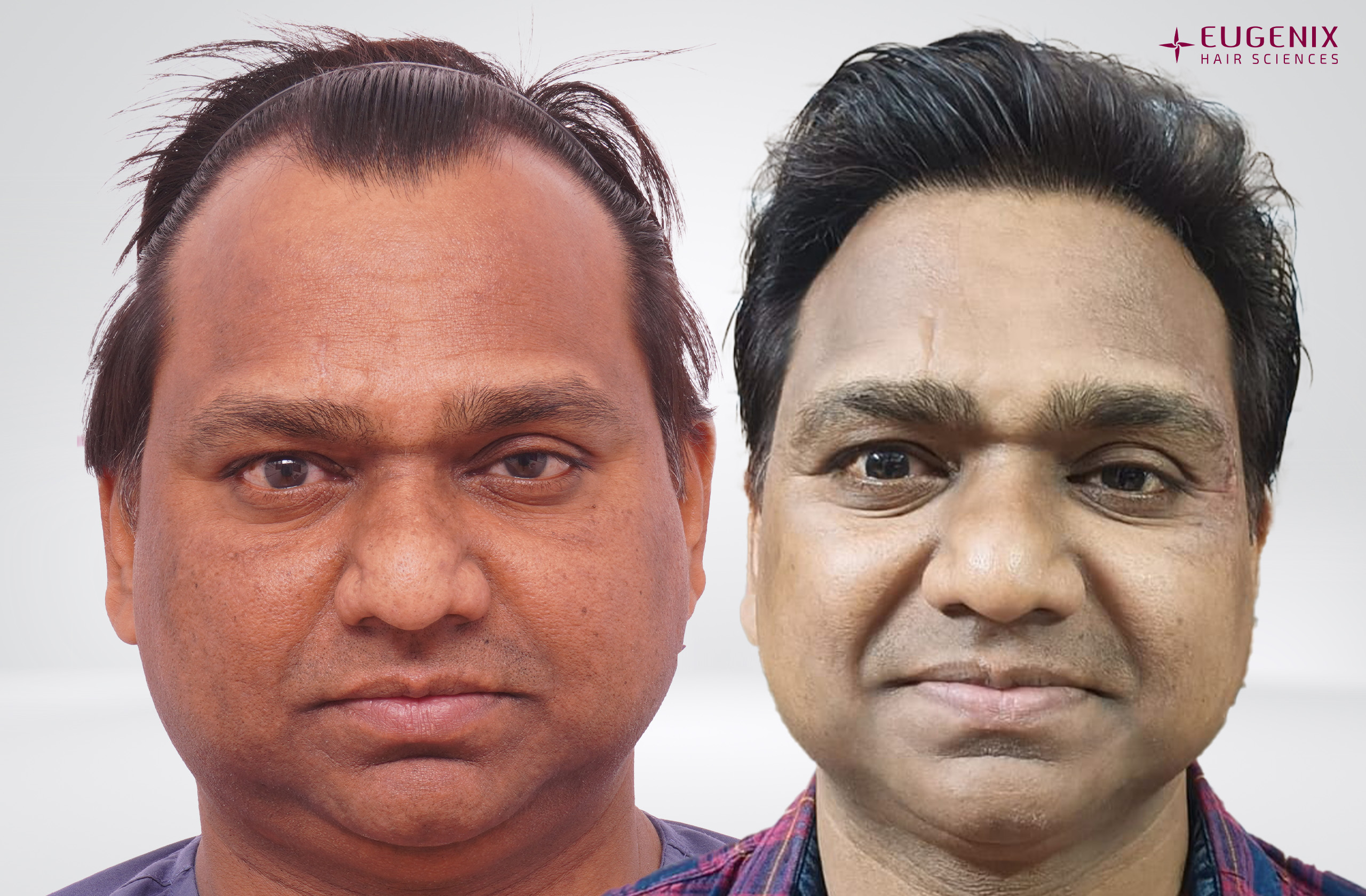


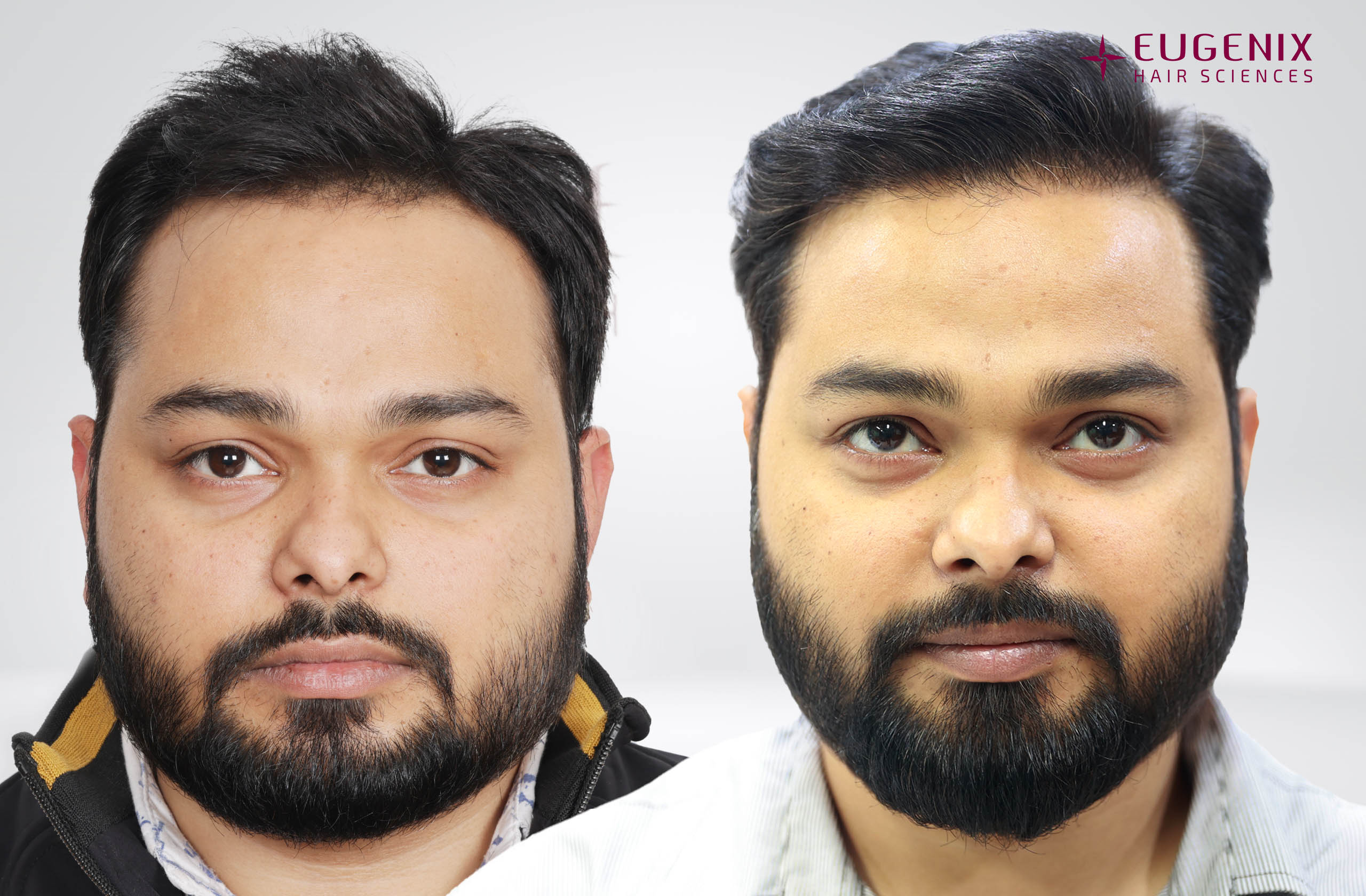
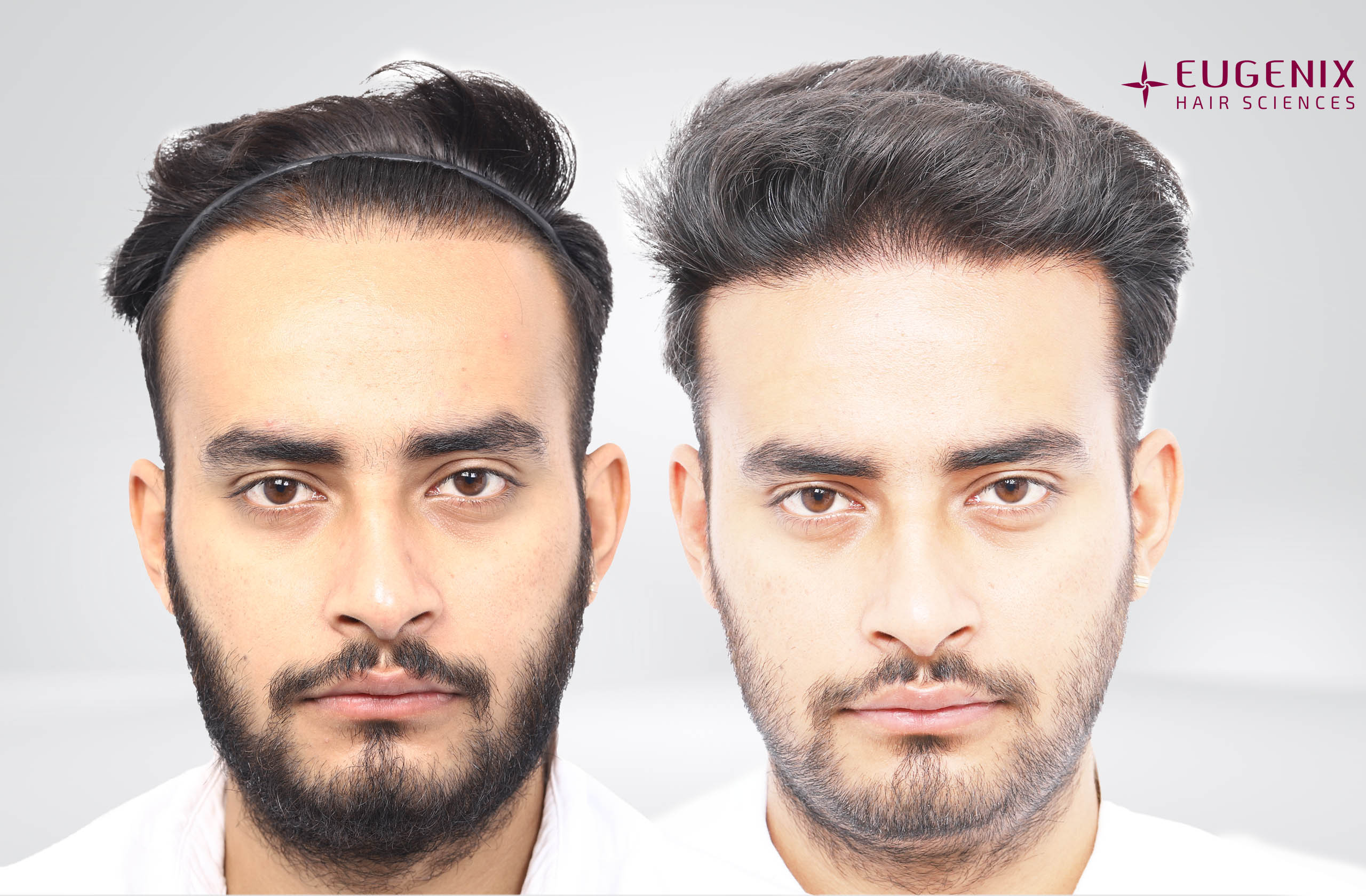

Norwood Scale – Hair Transplant Results for Men
Hair loss is a common concern that affects people of various ethnicities and hair types. While hair transplantation has become an increasingly popular solution, it is essential to consider the unique characteristics of different hair types and how they can influence the before and after outcomes of the procedure. In this article, we will explore the implications of hair type in the context of hair transplants and look at how results differ across hair textures.
When it comes to hair transplantation, one size does not fit all. The success of the procedure depends on understanding the distinct qualities of different hair types and tailoring the approach accordingly. Hair can be categorized into three main types: straight, wavy, and curly. Each type has its own set of characteristics, which must be carefully considered to achieve optimal results.
Male pattern hair loss unfolds in a predictable pattern. It initiates with a receding hairline, often forming an ‘M’ shape at the temples. As time passes, the hair at the crown of the head diminishes in thickness and length, eventually resulting in the emergence of a bald patch. In the most advanced stages, only a slender strip of hair remains encircling the sides and back of the scalp. The Norwood Scale functions as a diagnostic aid for male pattern baldness (with the Ludwig Scale being utilized for women). Effective treatment necessitates your doctor’s assessment of the extent and progression of your hair loss, taking into account factors like age and family medical history.
- Norwood Stages 1-2 don’t signify balding yet. If you’re concerned about hair loss, options like finasteride and minoxidil, both in oral and topical forms, as well as natural supplements, are available.
- Norwood Stages 3-5 mark the onset of more noticeable hair loss. This stage presents an ideal window for intervention, whether through medication, hair transplantation, or a combination of both.
- Norwood Stages 6-7 represent advanced stages, but a hair transplant may still be an option. The plan largely depends on the amount of donor hair available to the patient.
It is important to note that hair type is just one factor that influences the success of a hair transplant. Other considerations, such as hair colour, skin tone, and facial features, also play a role in planning the procedure. A skilled surgeon will assess all these factors and customize the transplant procedure to meet the unique needs of each individual.
- Straight hair is characterized by its smooth texture and tends to be the thickest of the three types. The density and thickness of straight hair often contribute to favourable outcomes in hair transplantation. The individual hair follicles can be easily extracted and transplanted, and each graft is placed at the angle and direction in which your own hair grows.
- Wavy hair, with its gentle S-shaped waves, presents its own unique challenges and advantages in hair transplantation. The natural waves in wavy hair can help to create a sense of volume and fullness, even with a lower hair density. However, the curvature of the hair shafts can make it slightly more challenging to extract and transplant the follicles. Skilled surgeons with experience transplanting wavy hair are adept at preserving the natural wave pattern and achieving aesthetically pleasing results.
- Curly hair, characterized by its tight coils and spirals, requires special attention during the hair transplant process. The curvature of curly hair shafts poses unique challenges when it comes to extracting, handling, and transplanting the follicles. Surgeons must take extra care to avoid damaging the fragile hair shafts during the procedure. The texture and natural curl pattern of curly hair can have a significant impact on the final outcome. A skilled surgeon will consider the curl direction, angle, and distribution to create a natural and harmonious appearance. Curly hair transplants can be more intricate, and the plan takes the natural curl pattern into account.
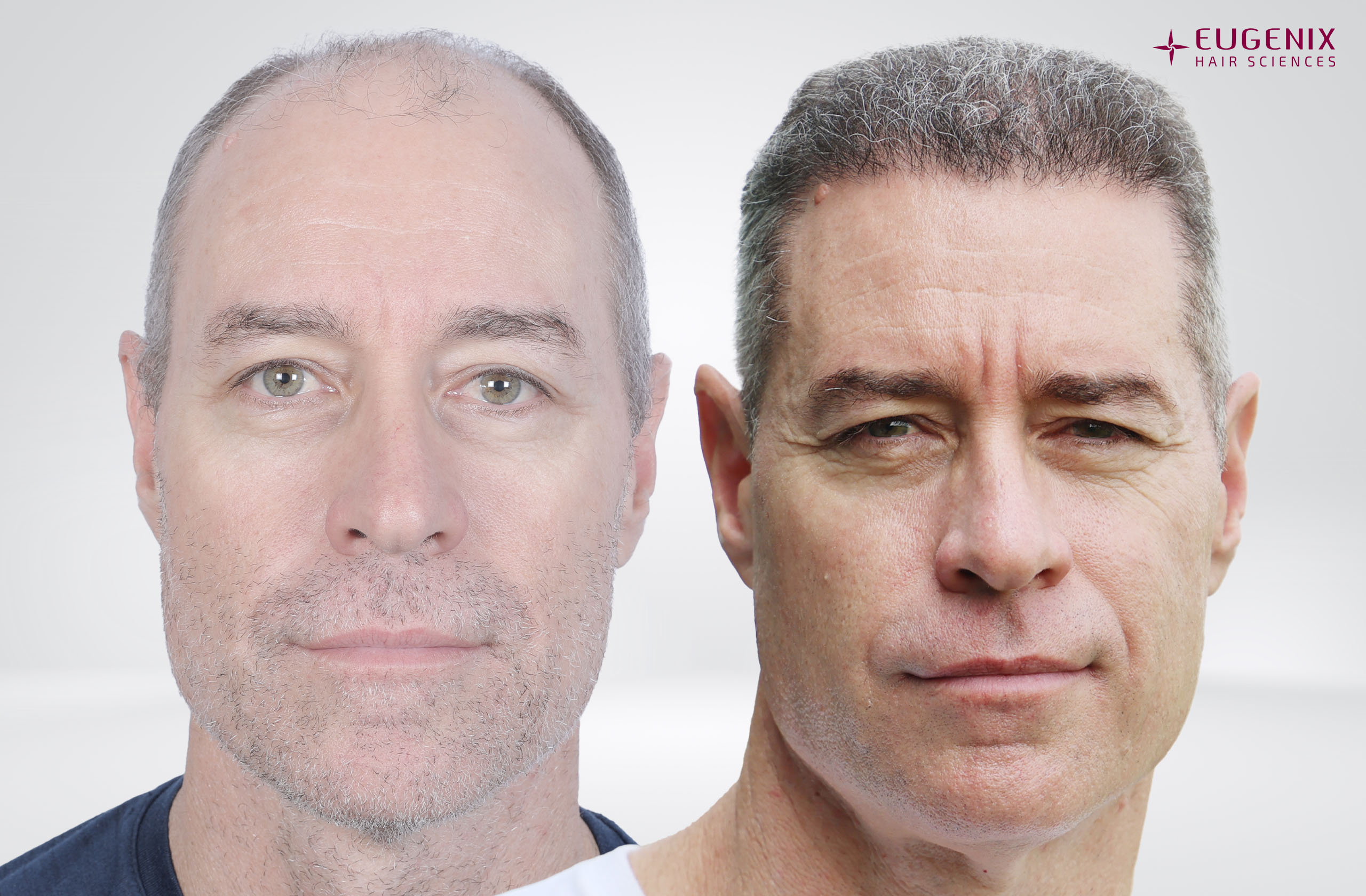
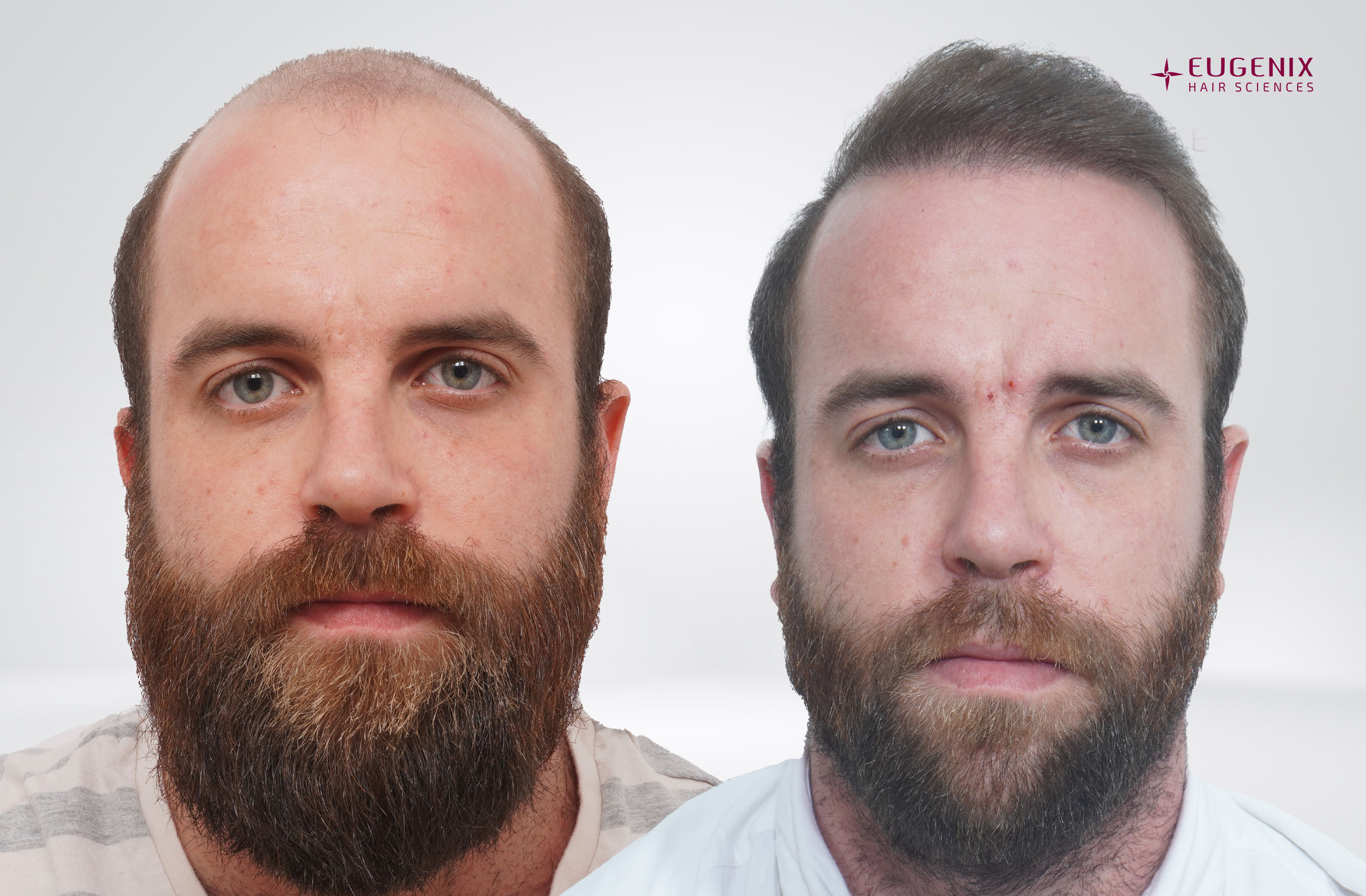
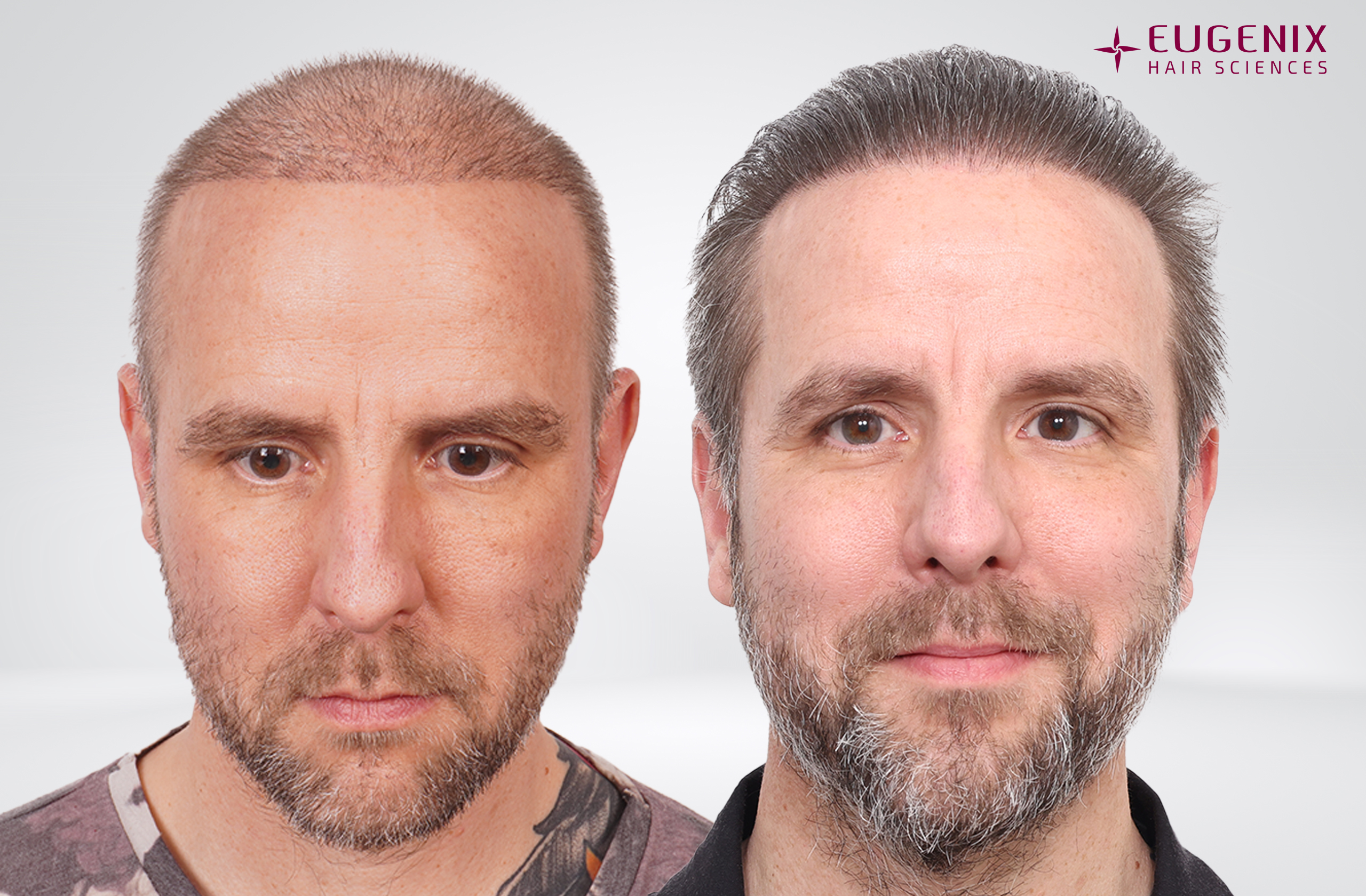
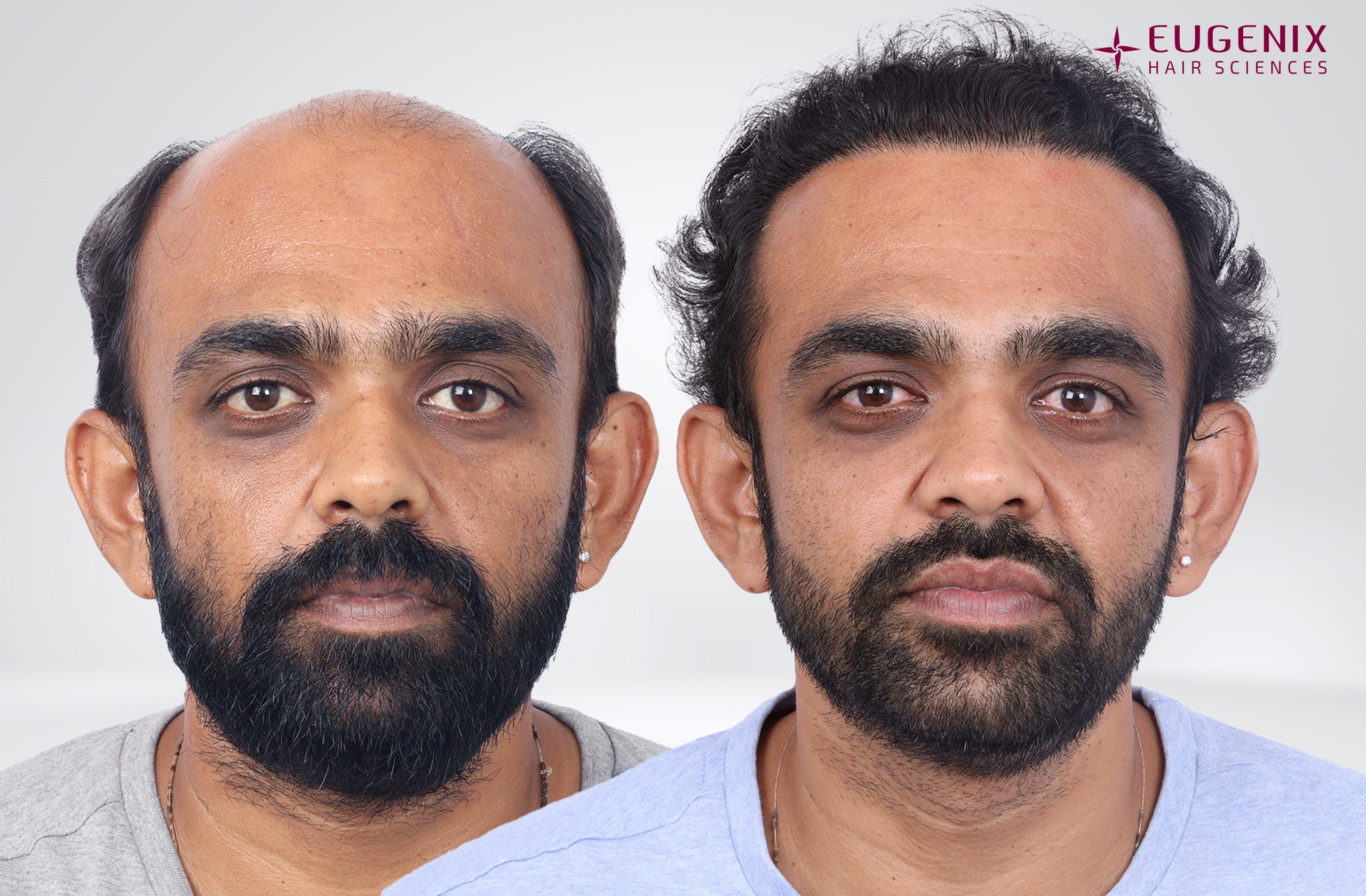
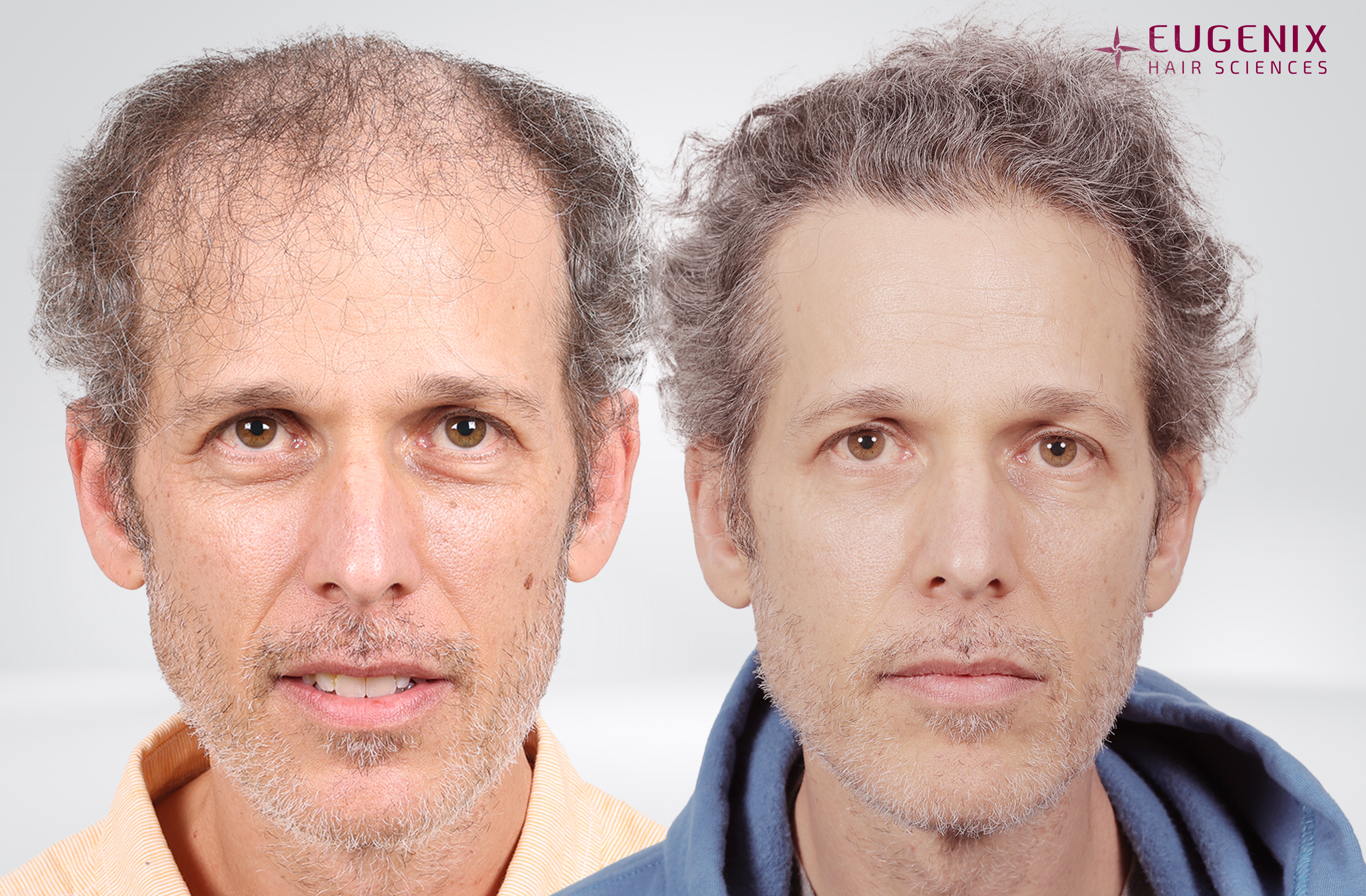
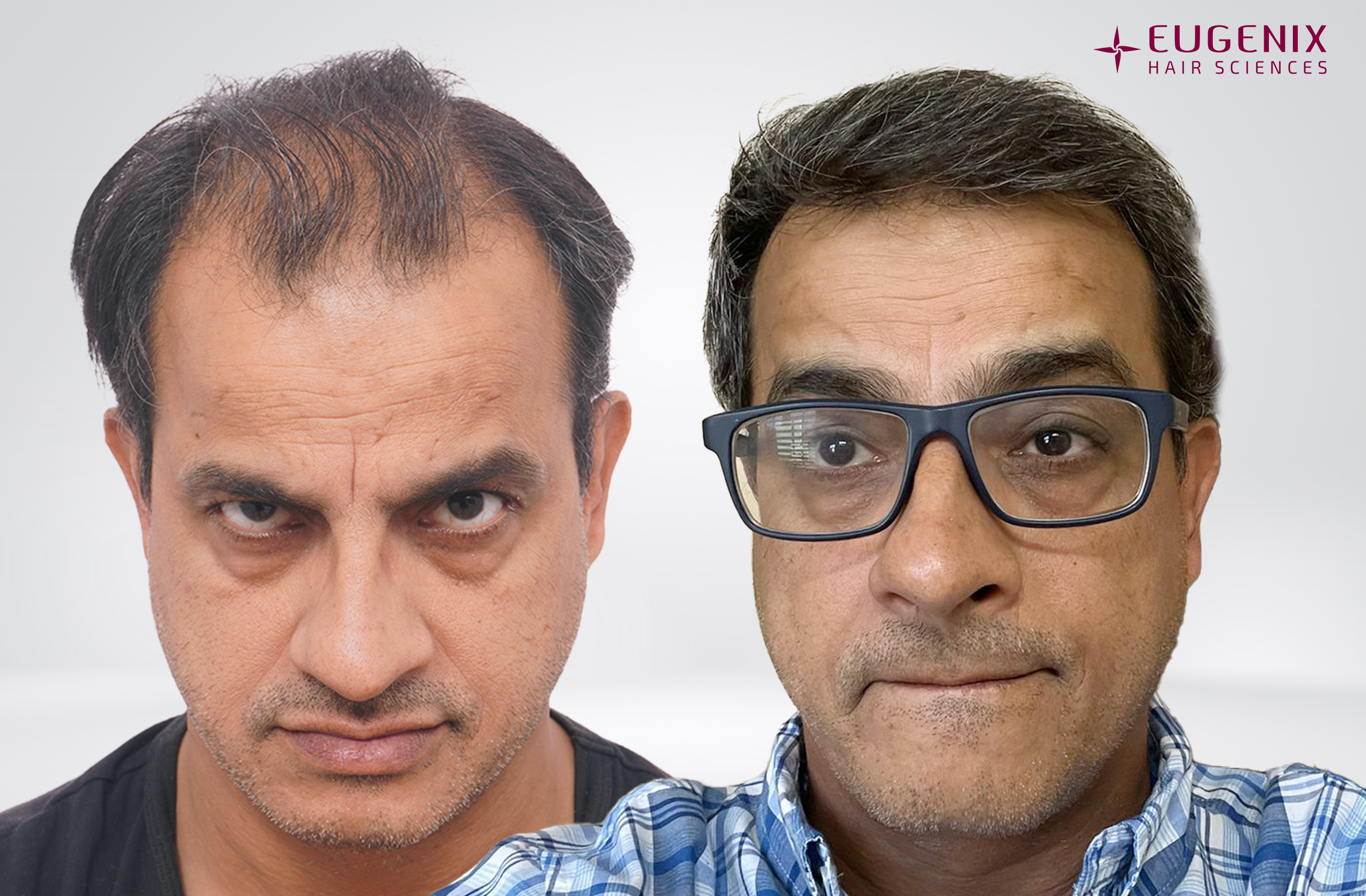
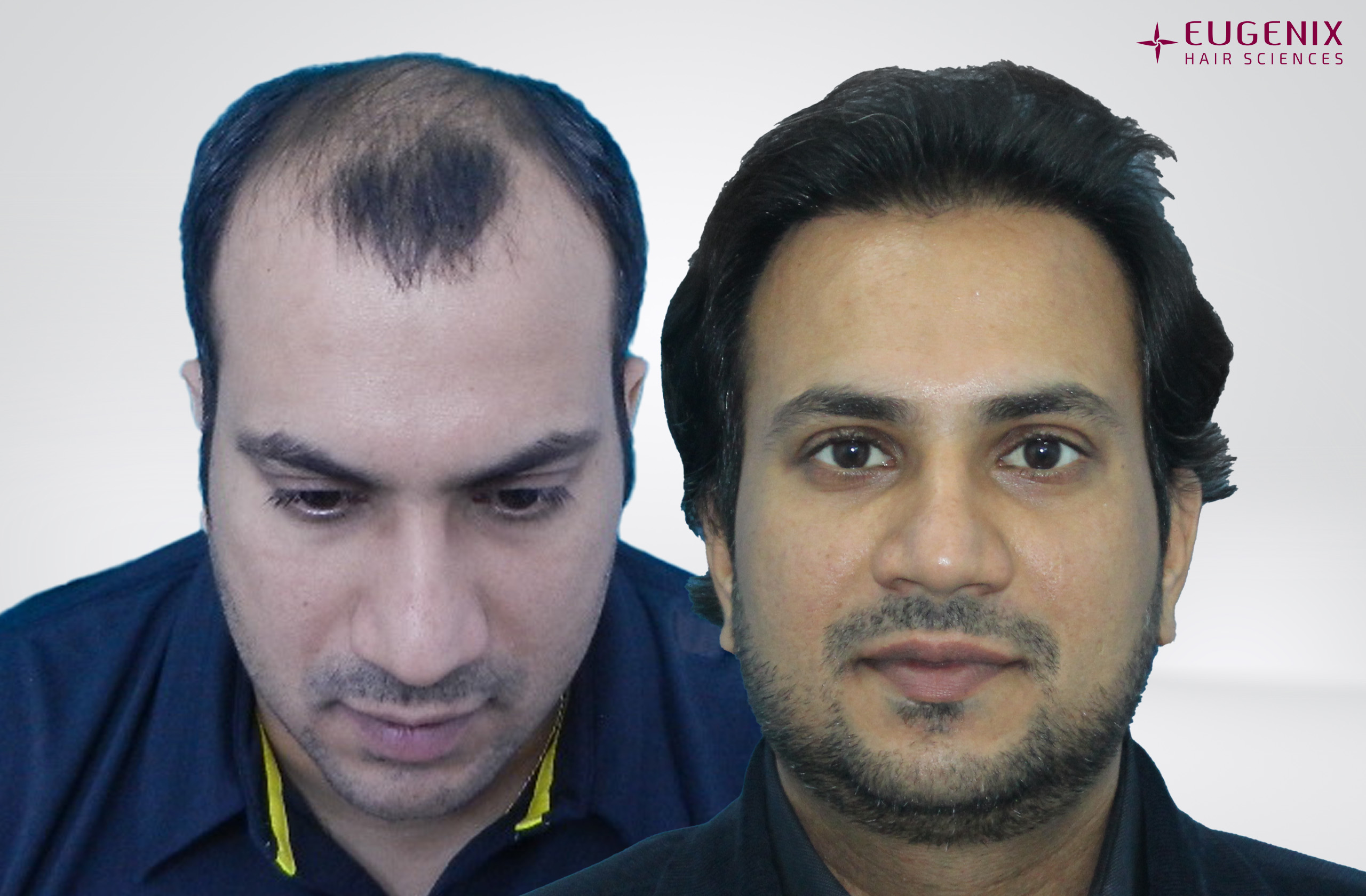
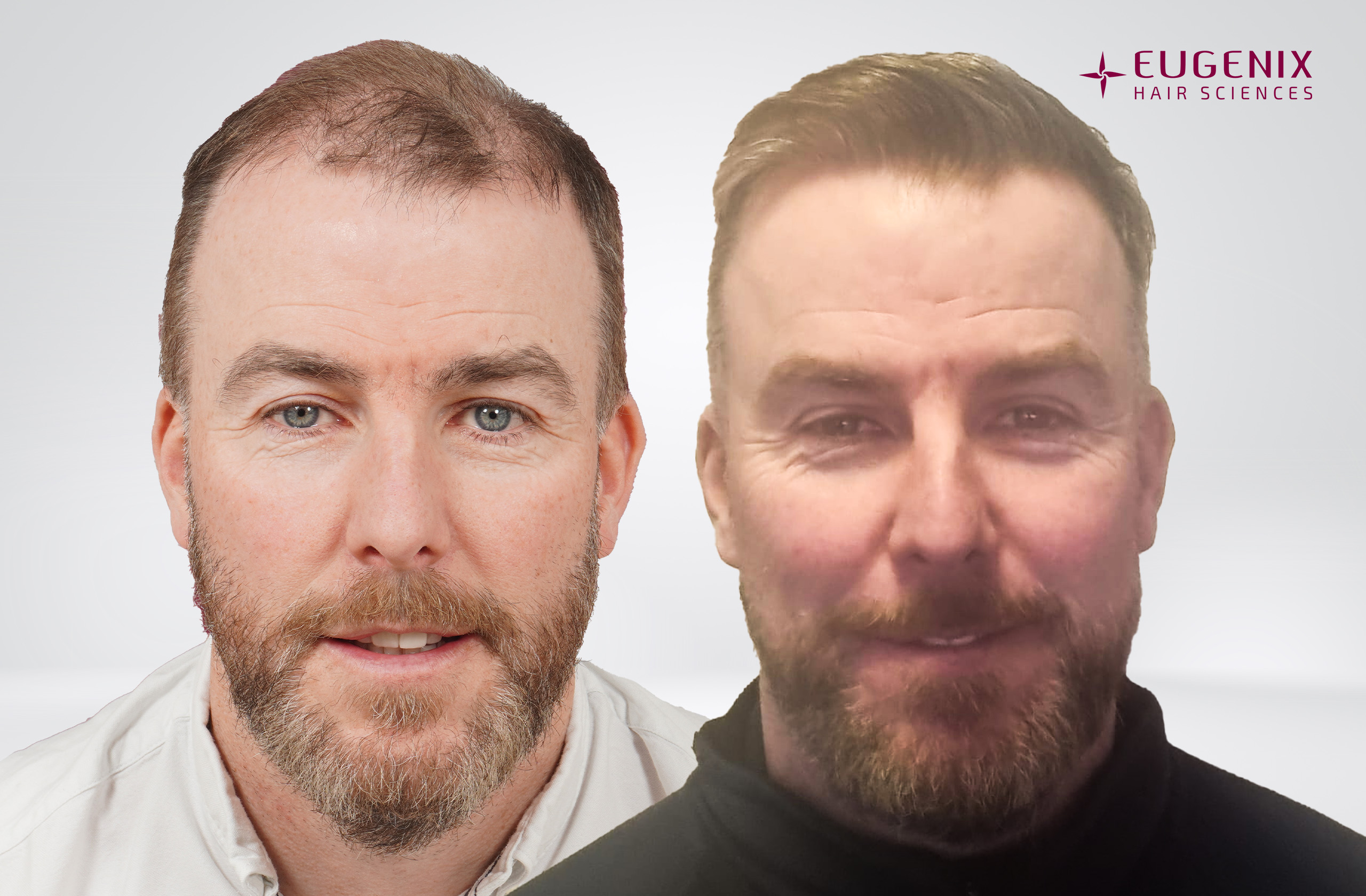
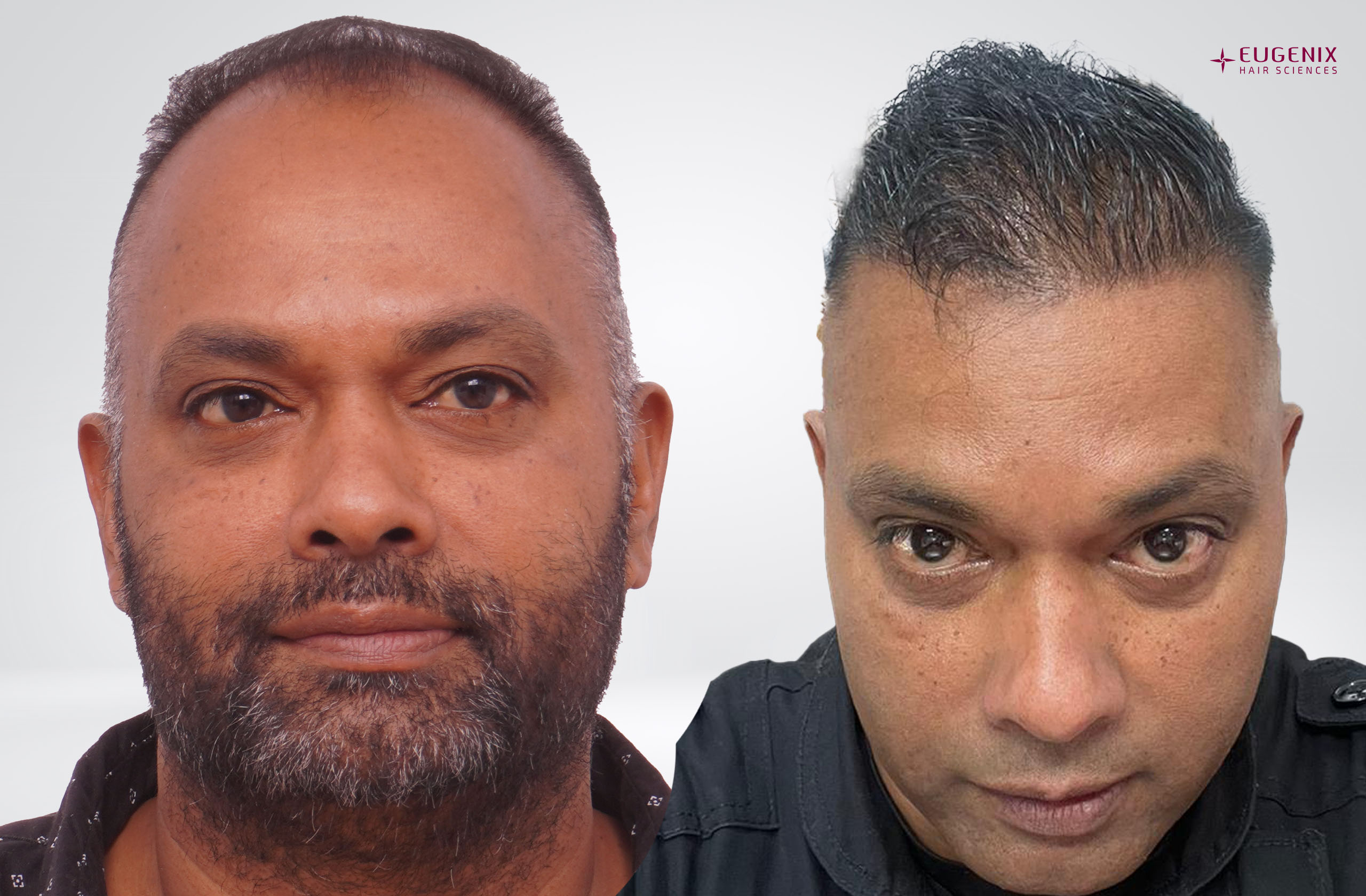
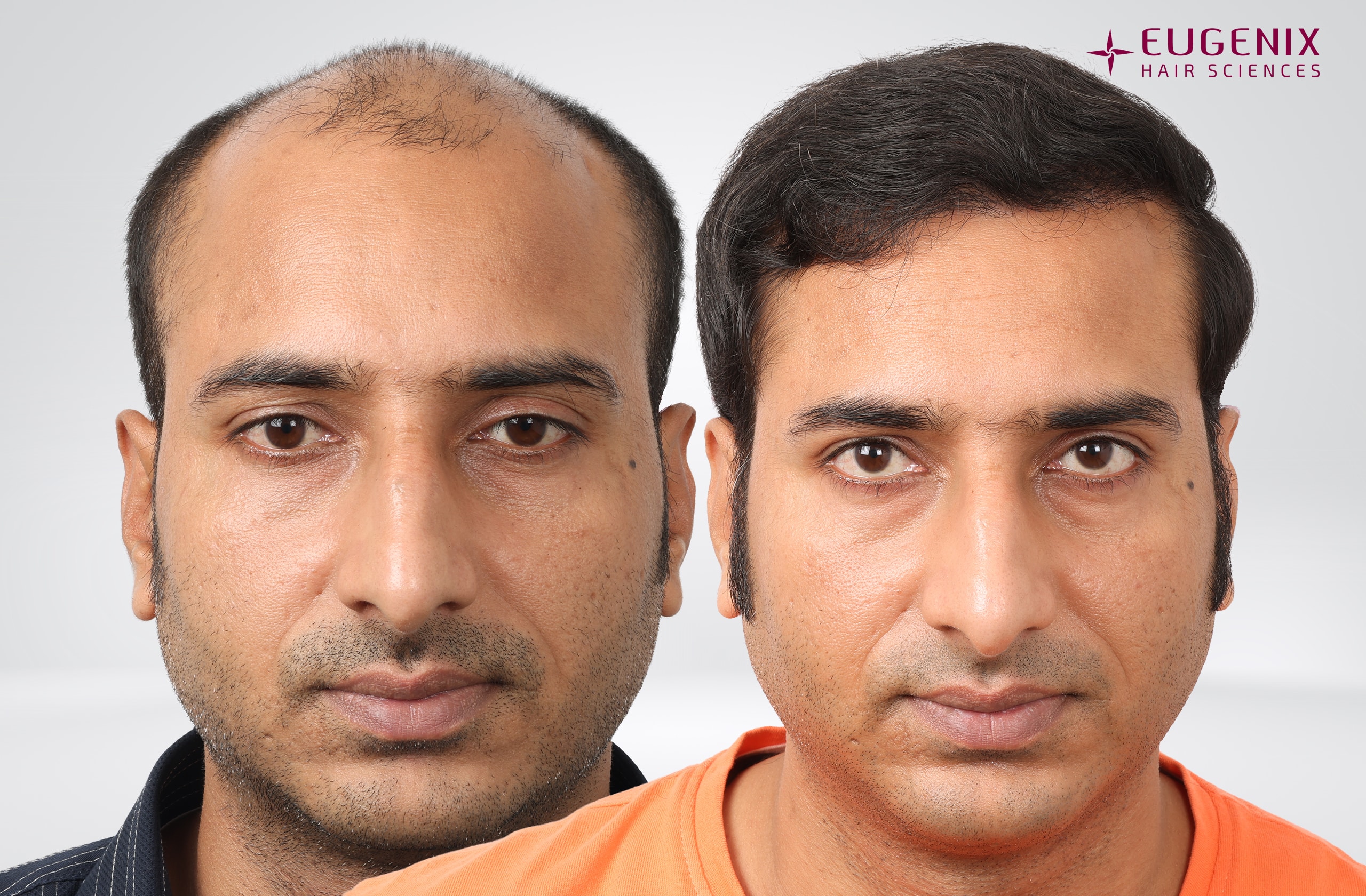
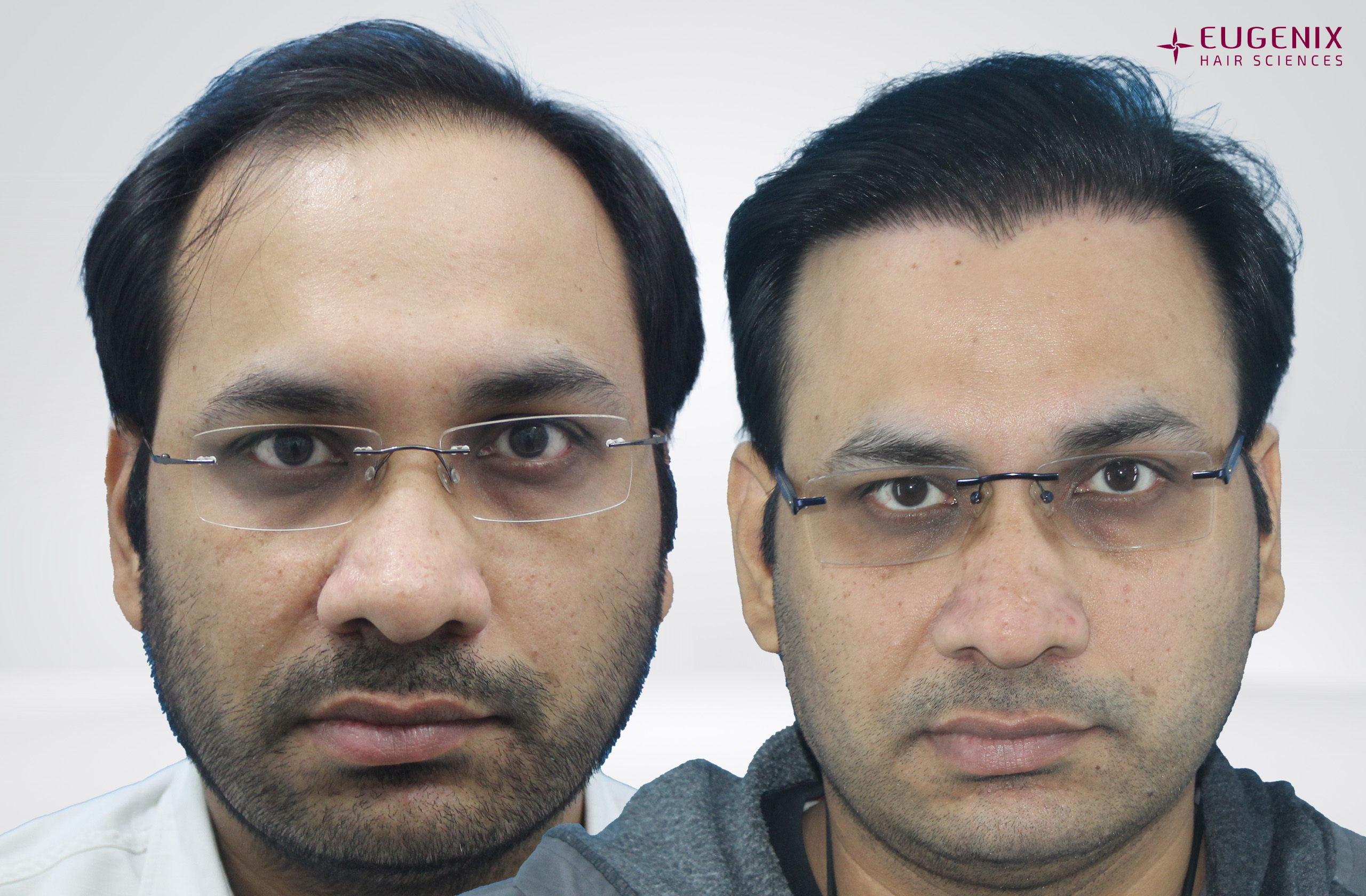
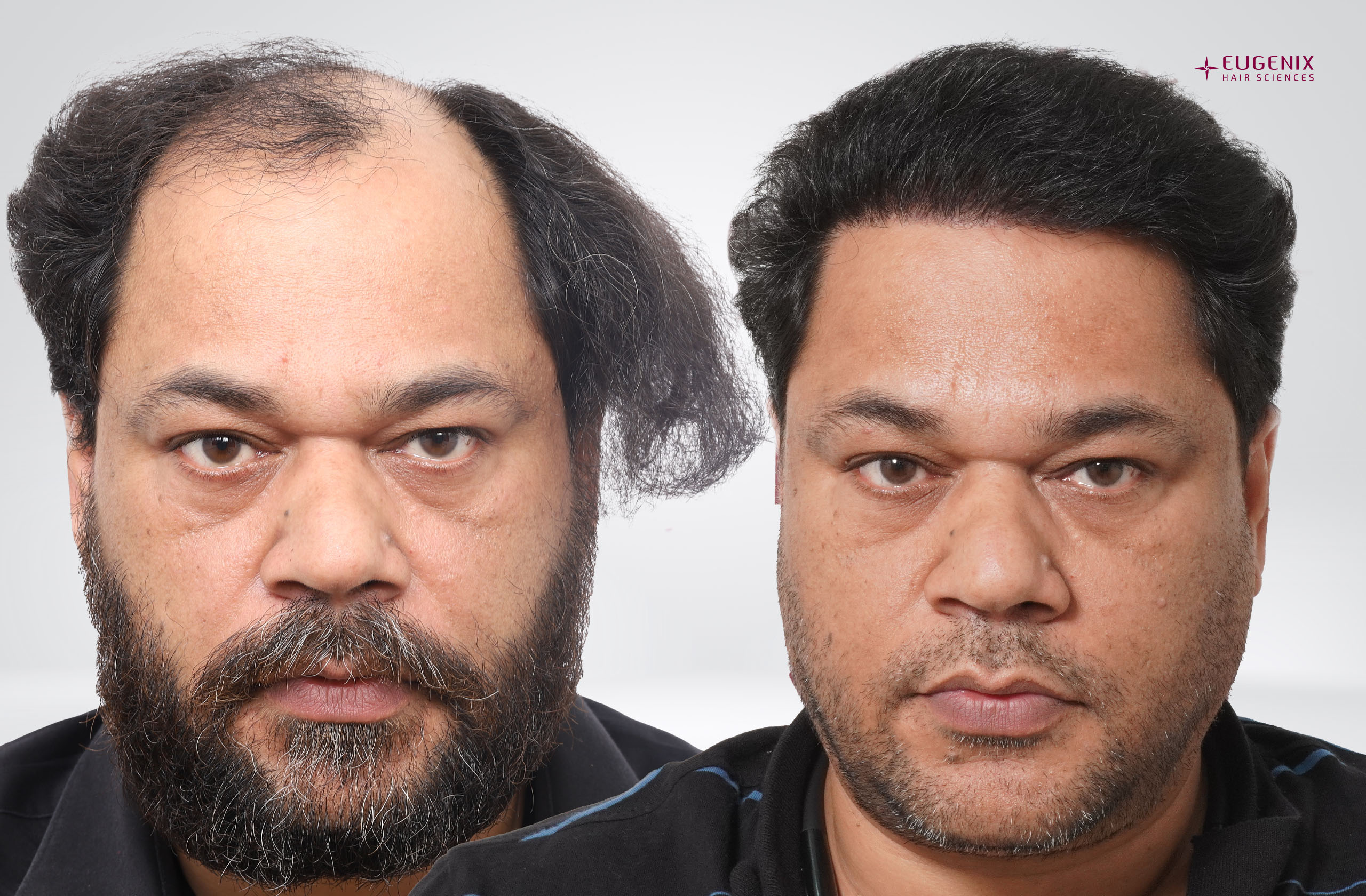
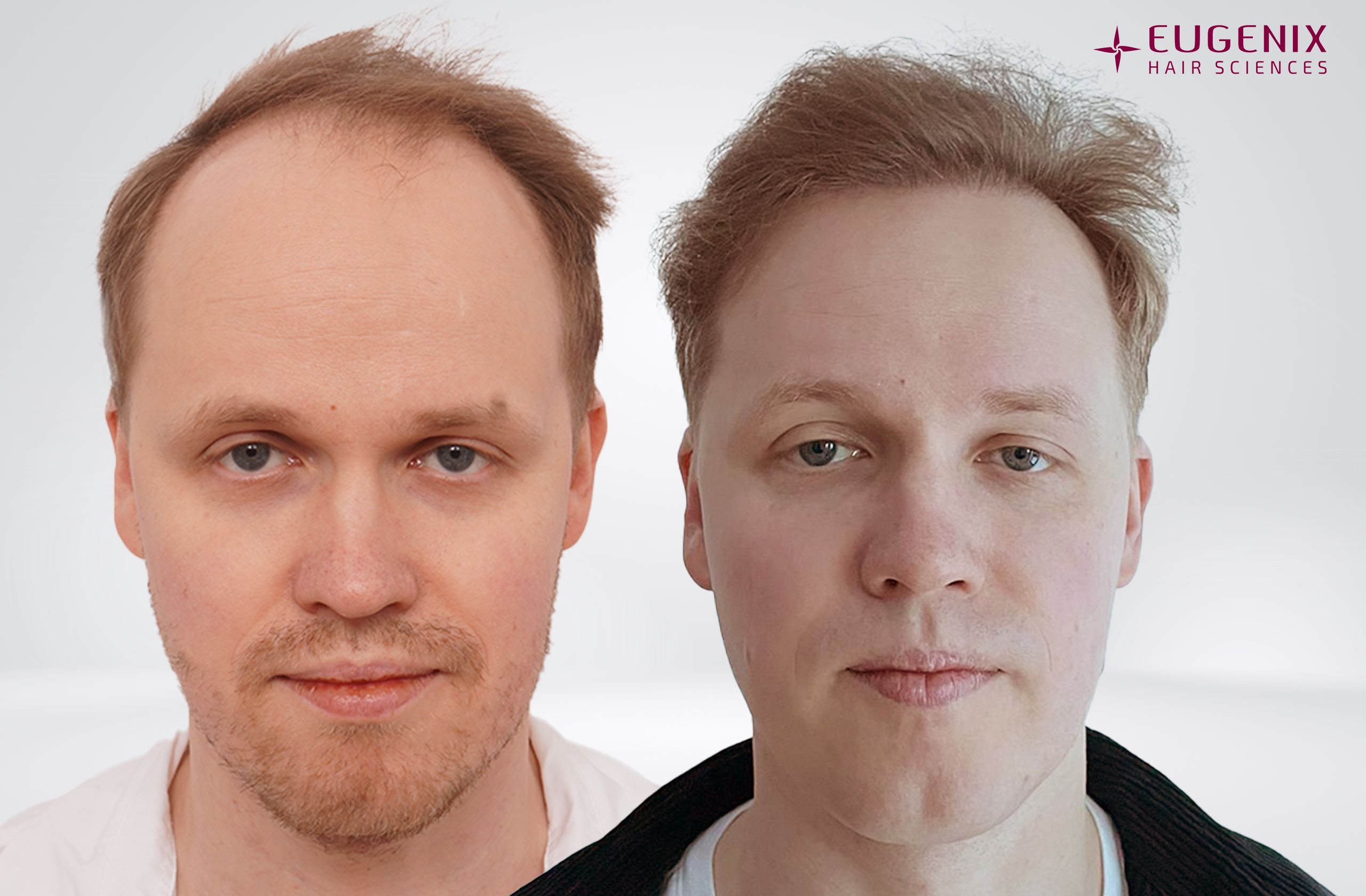
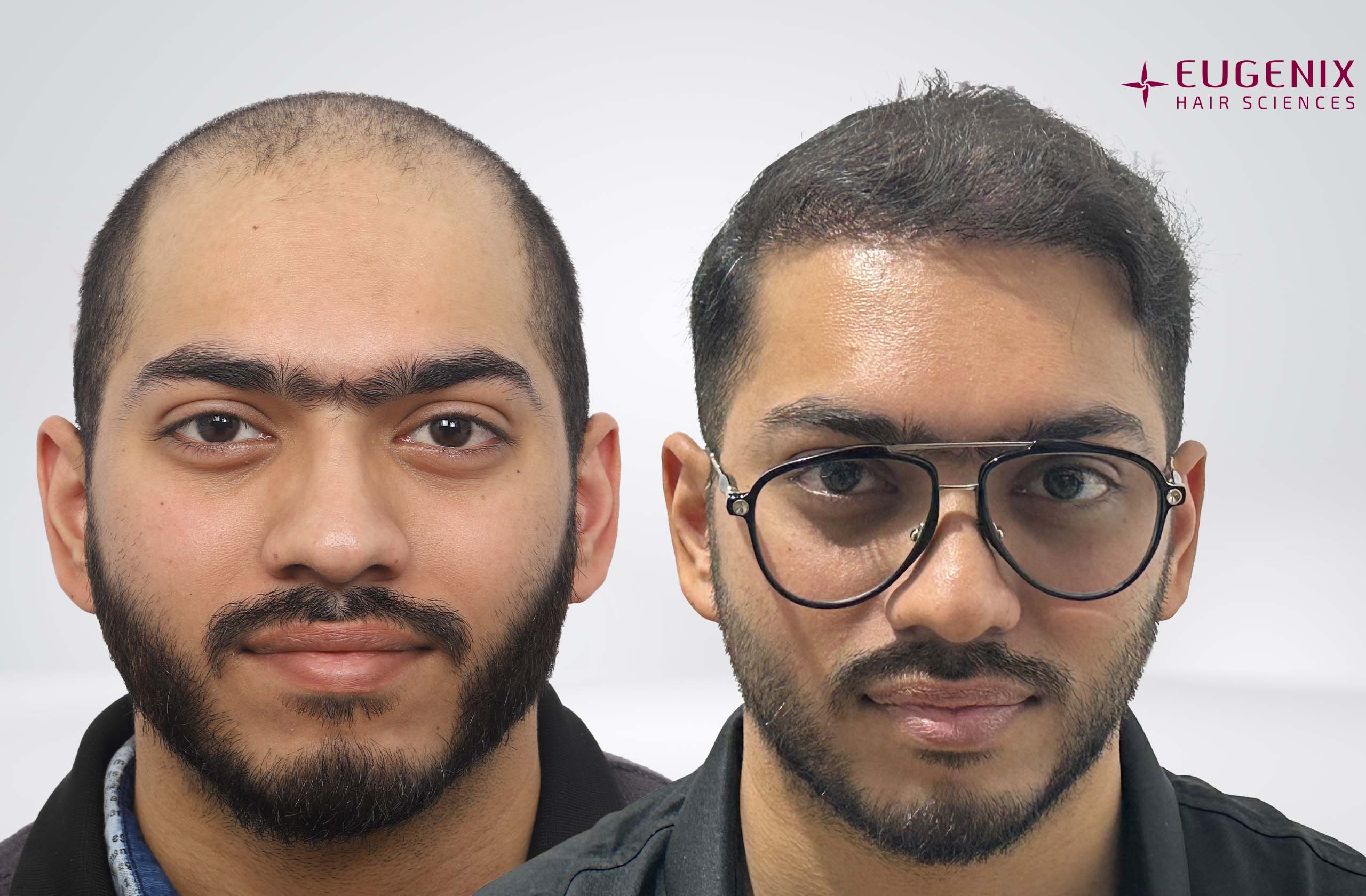
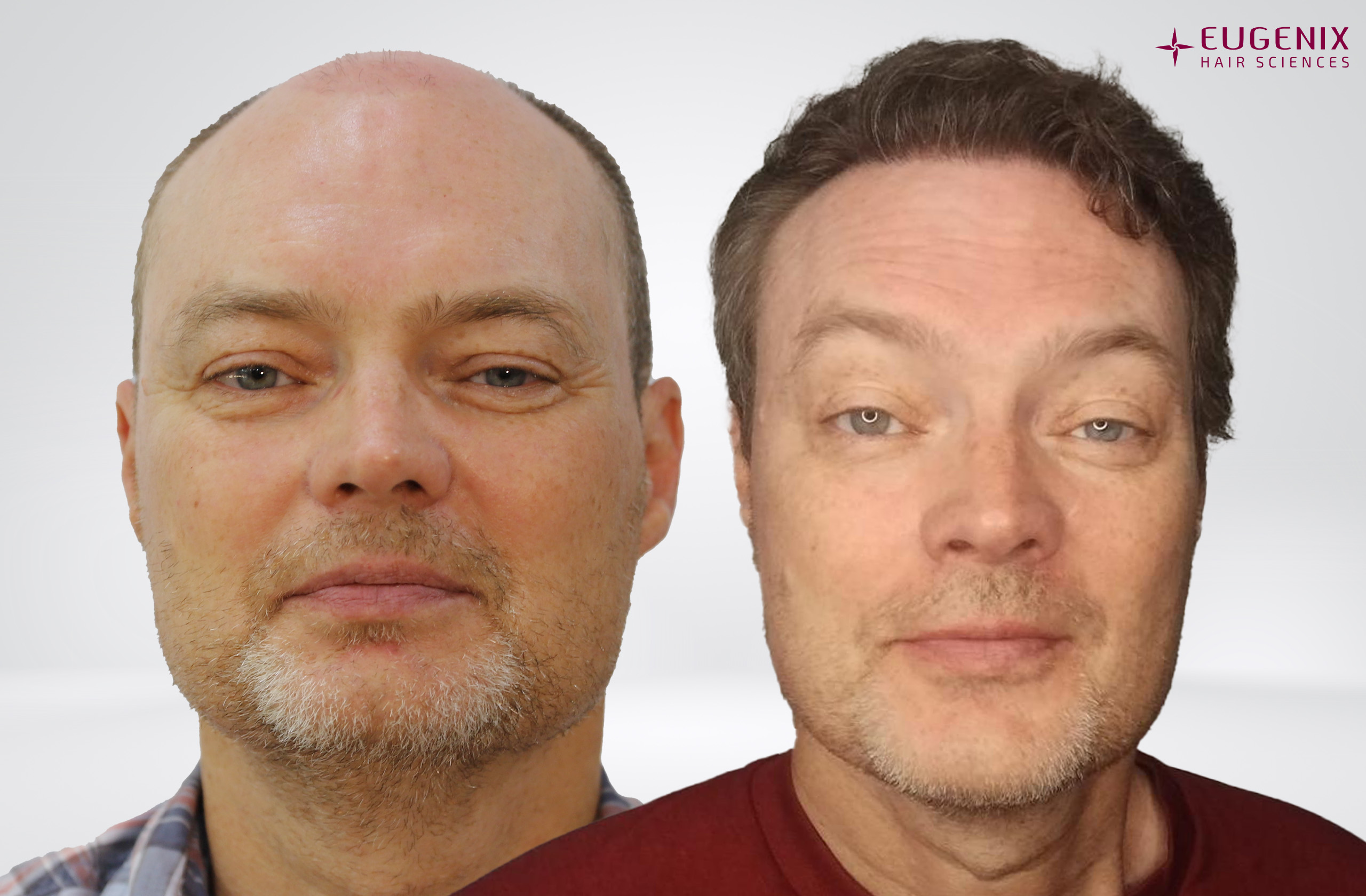
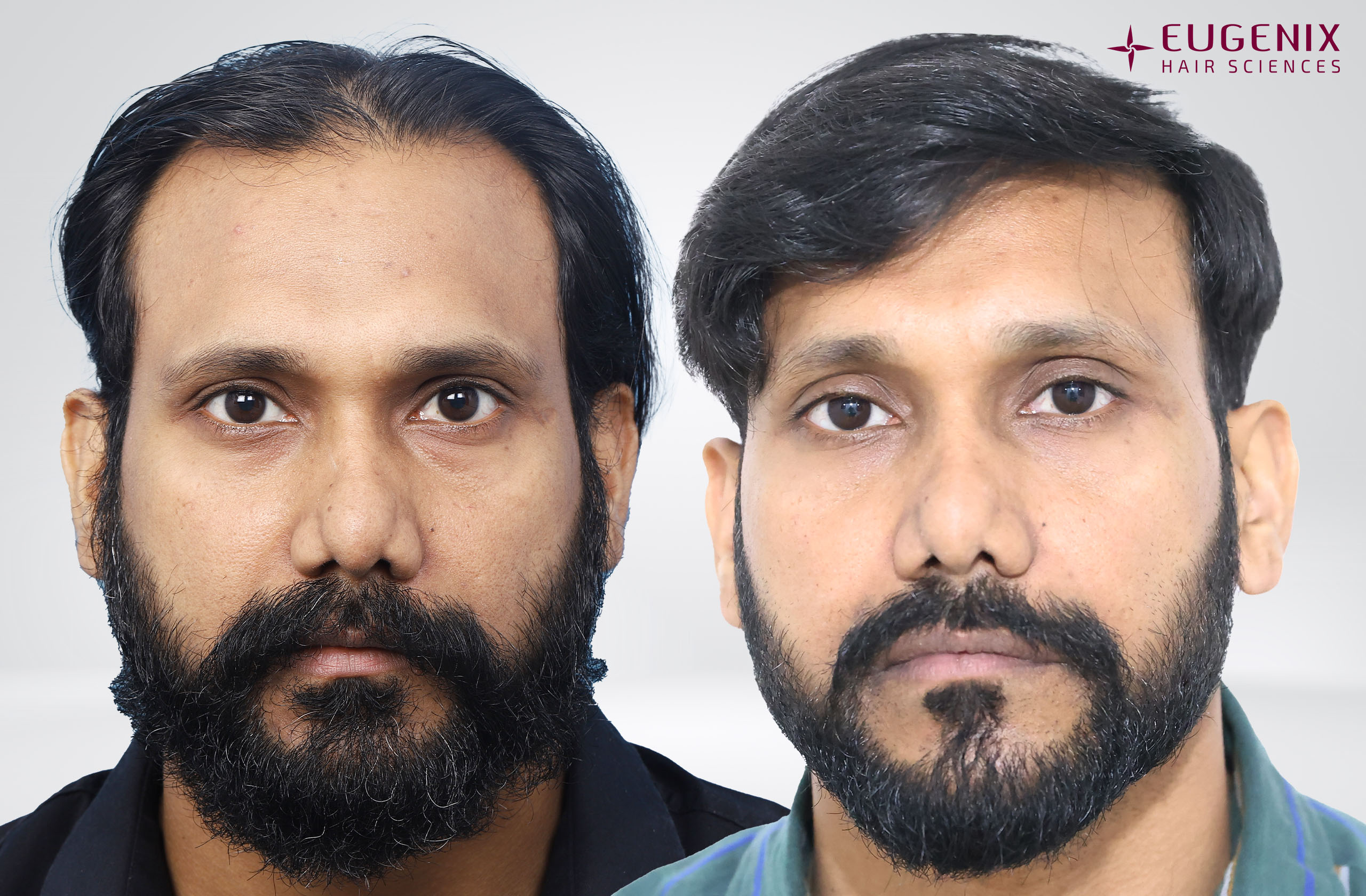
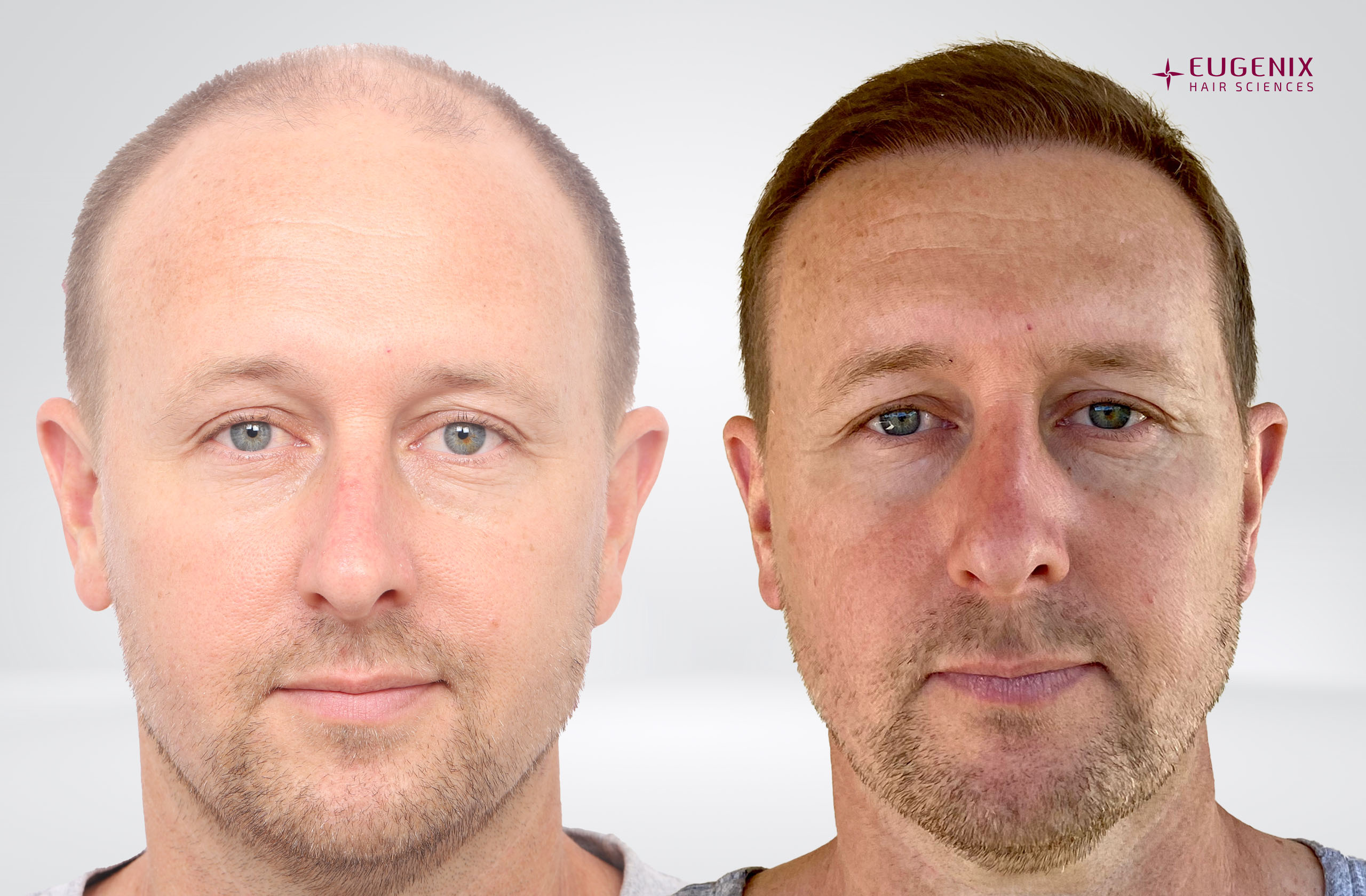
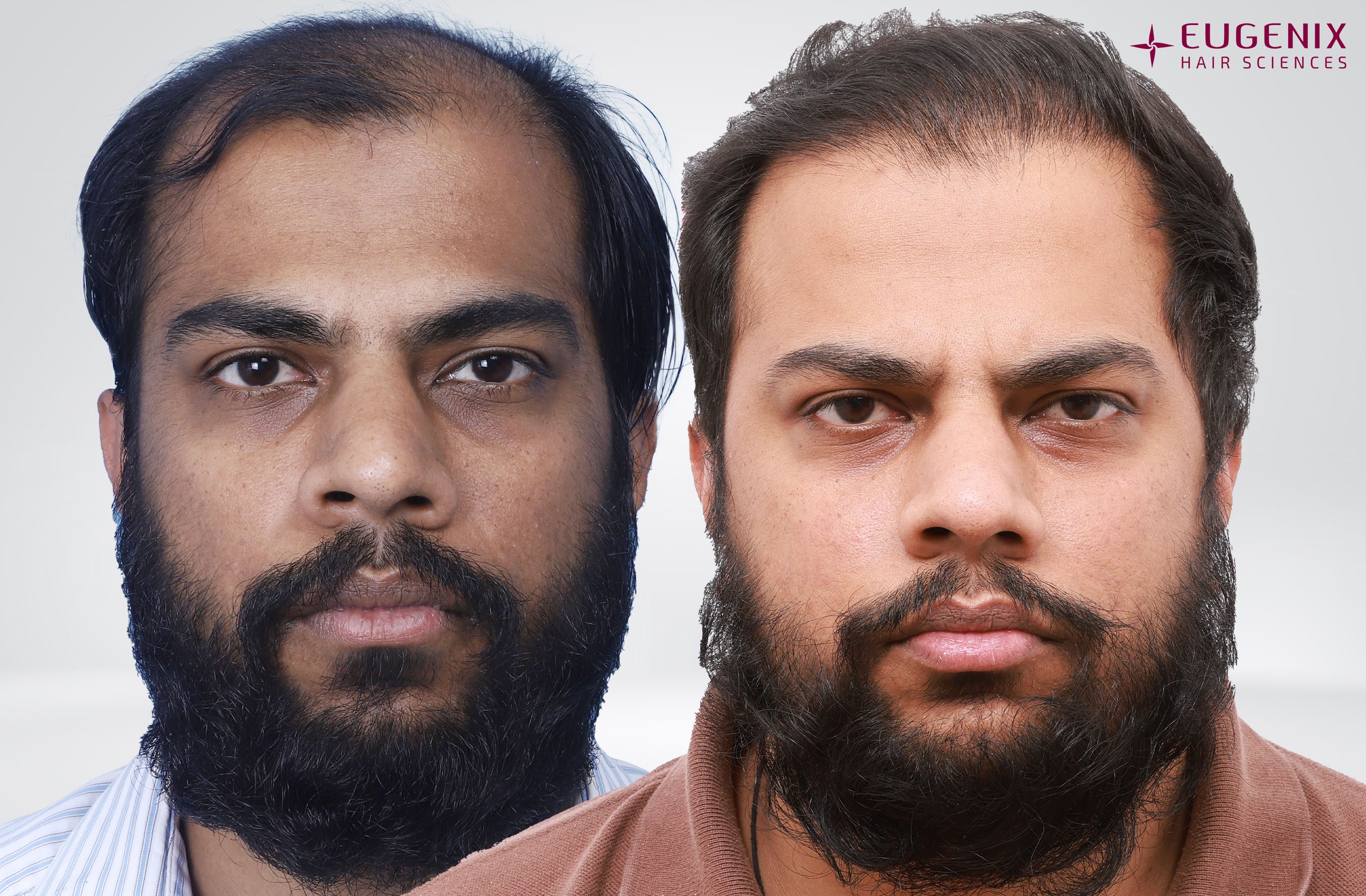
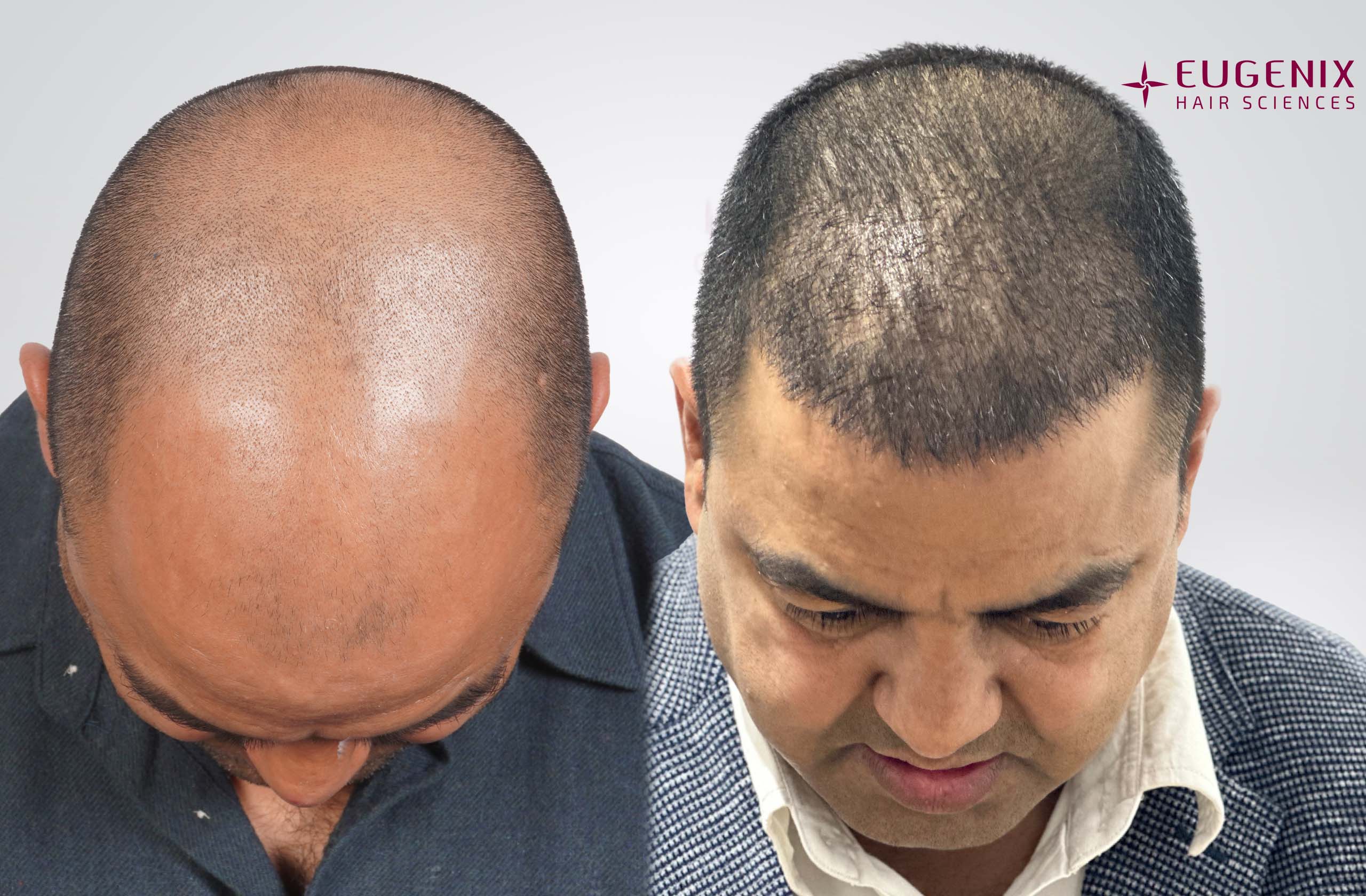
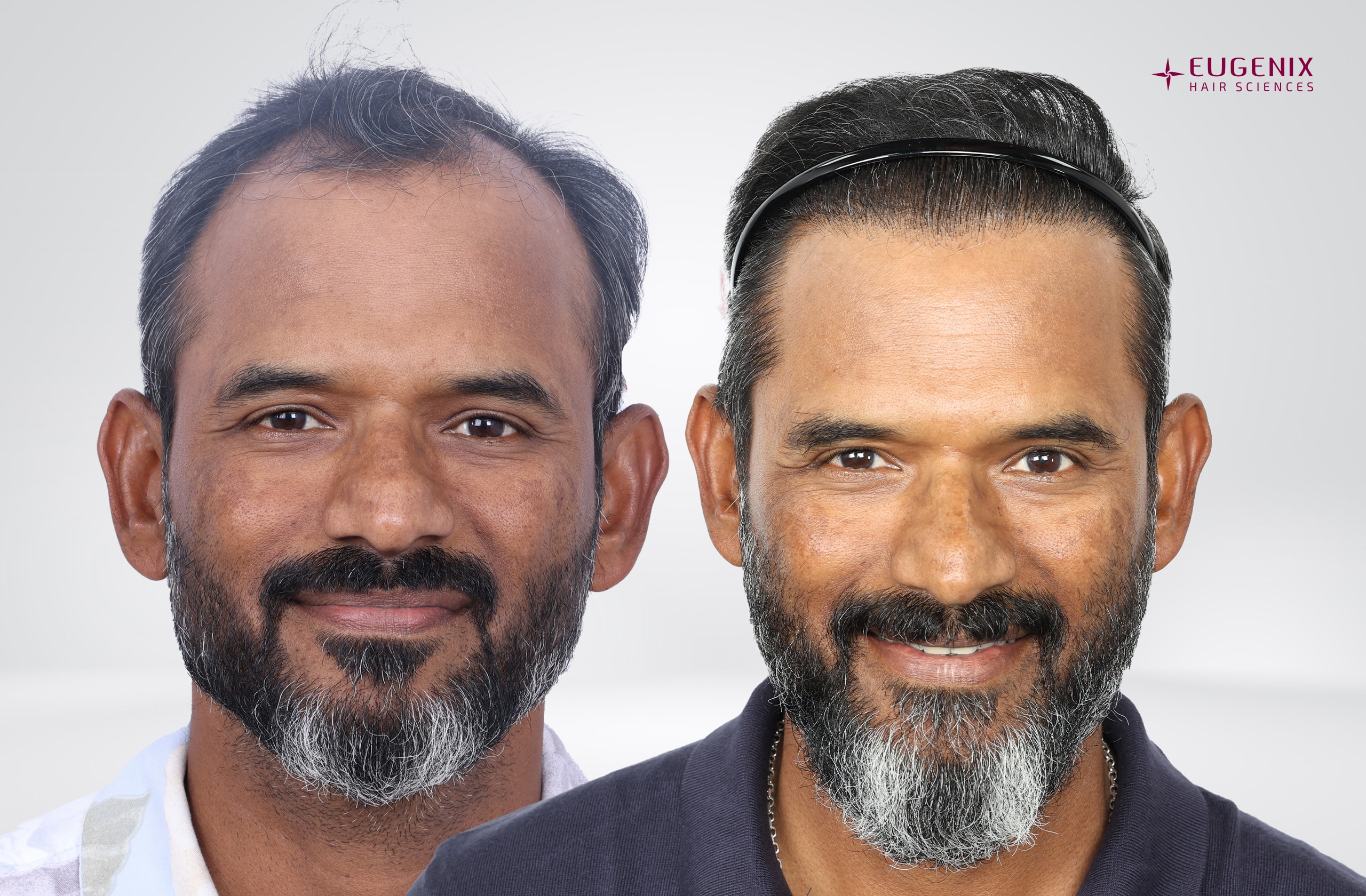
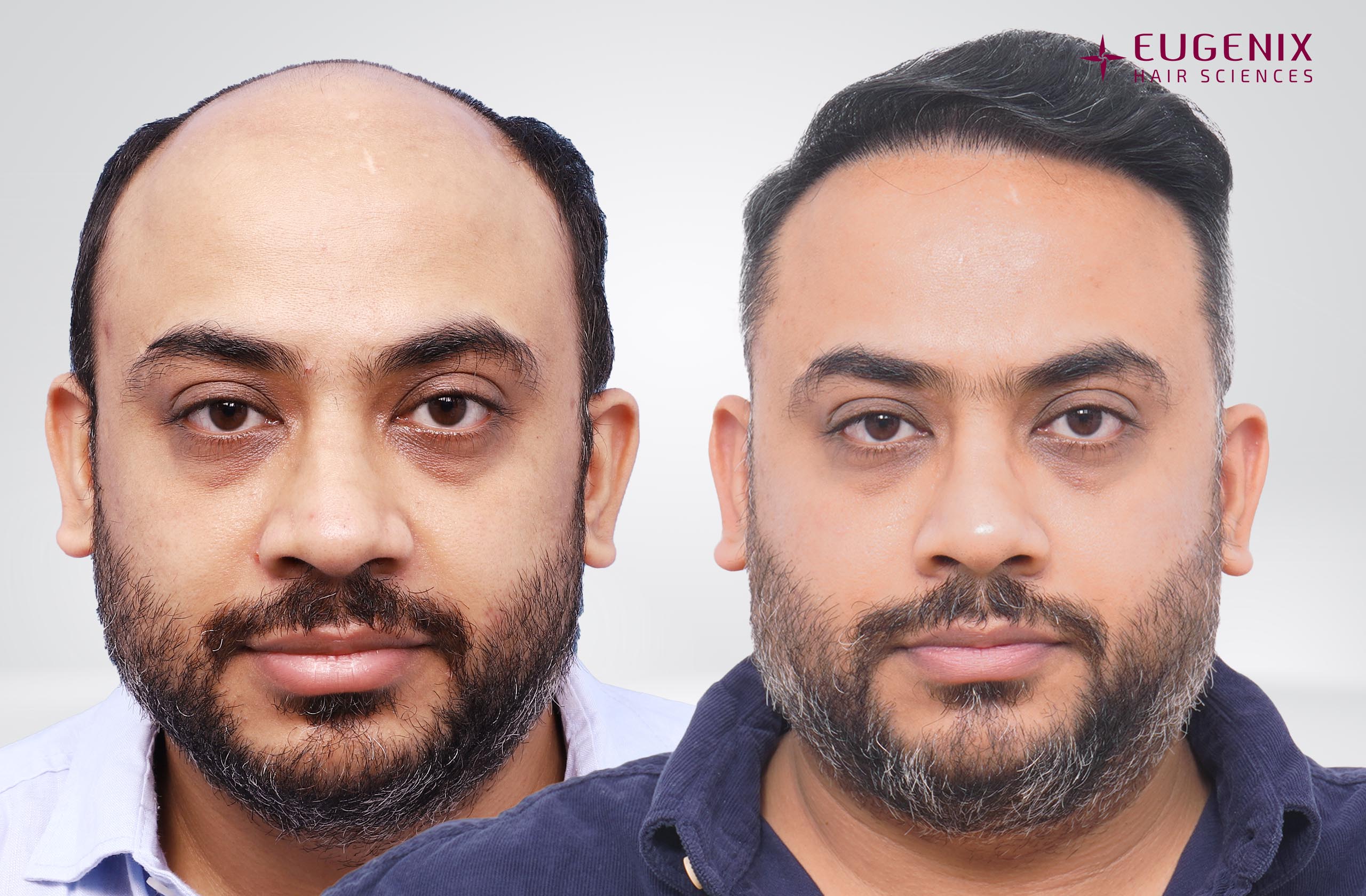
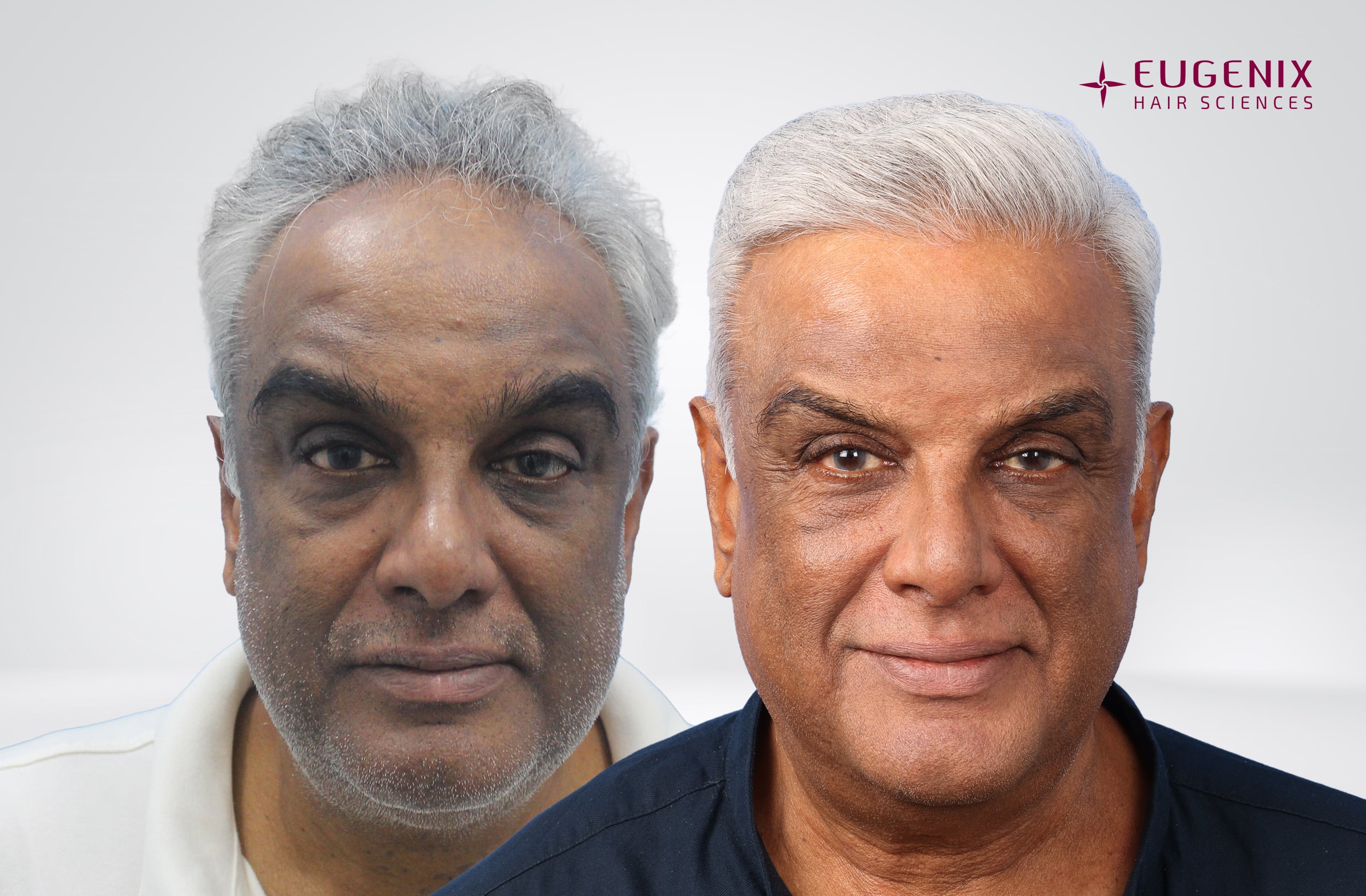
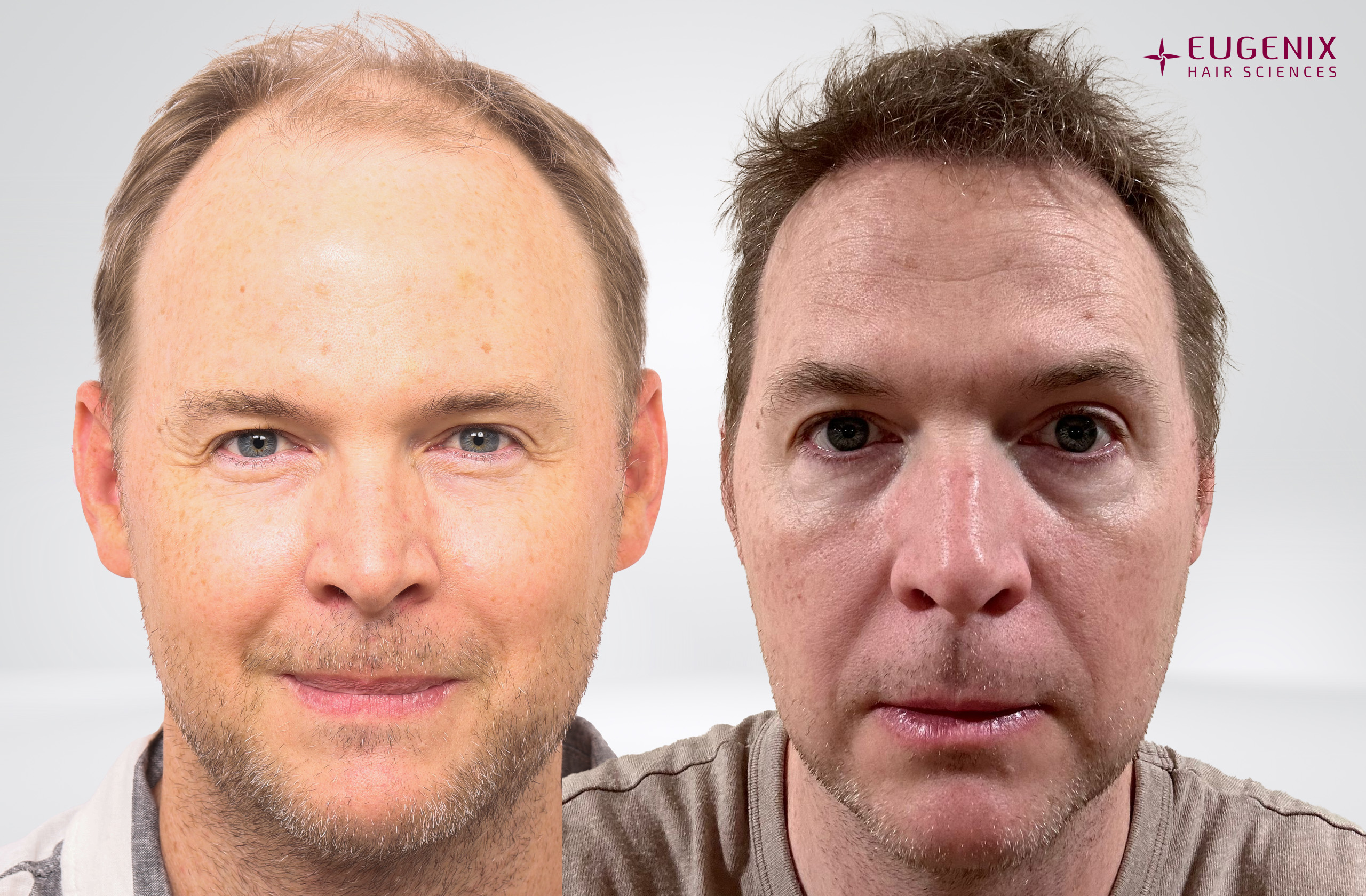
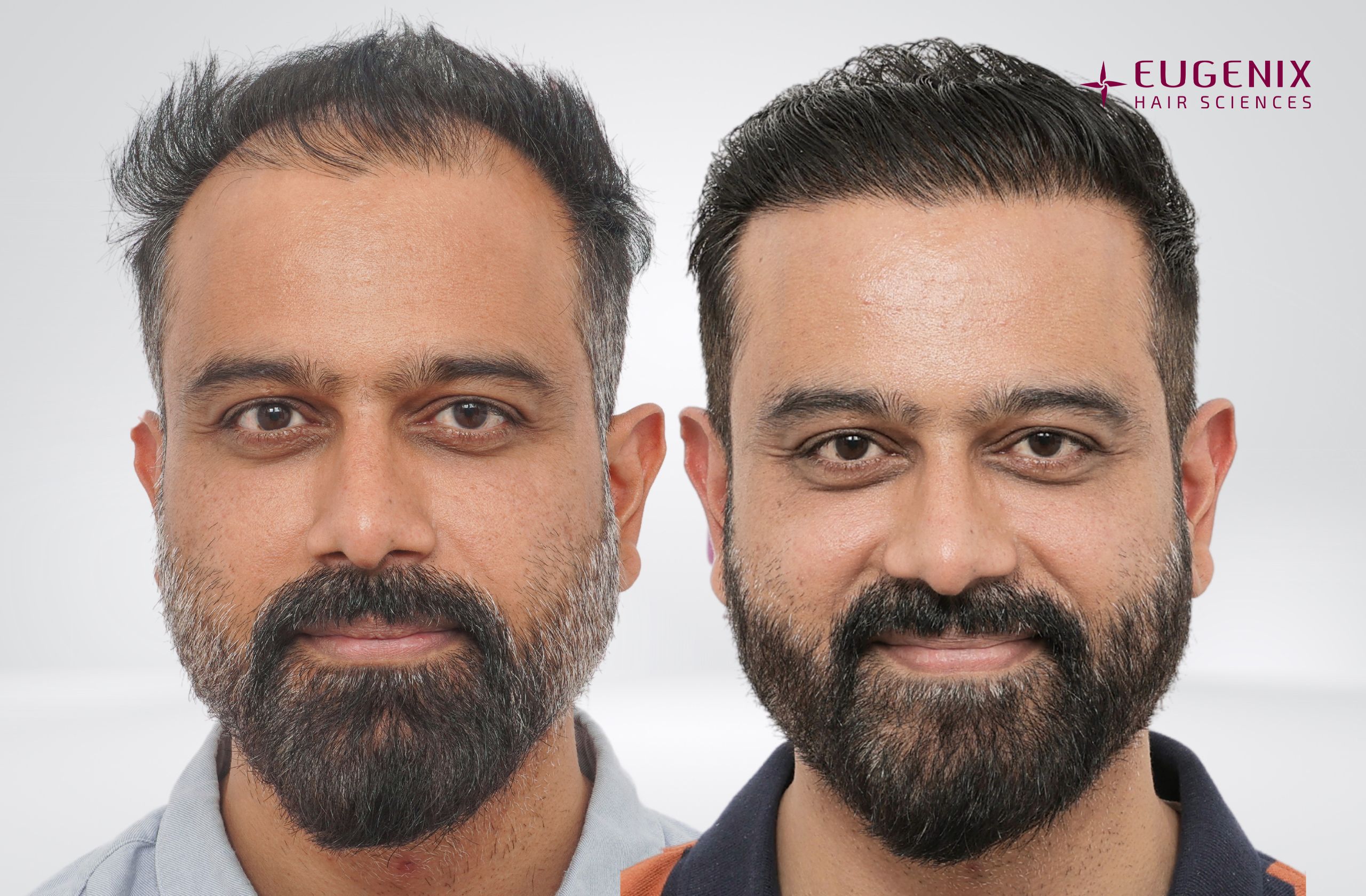
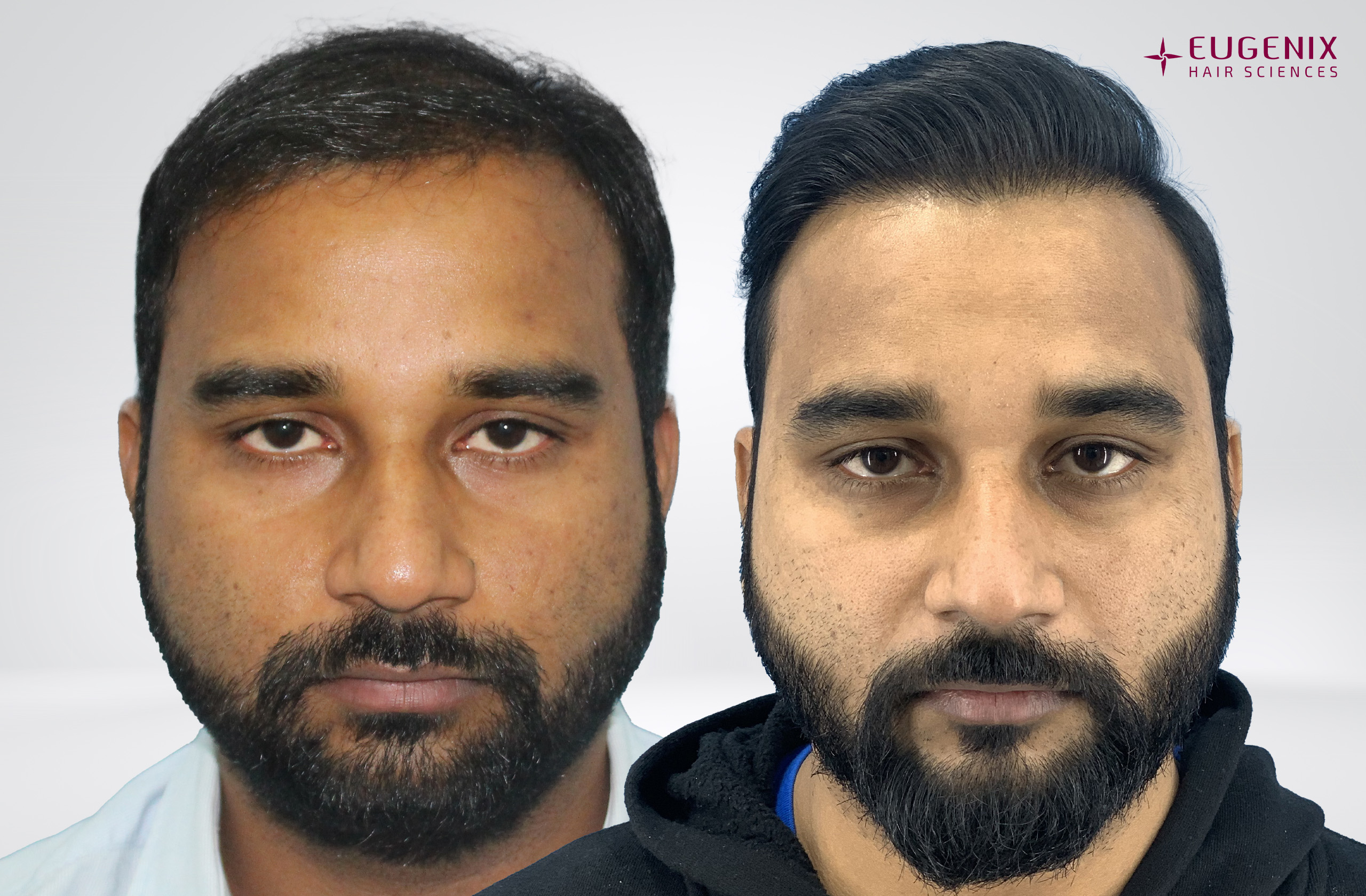
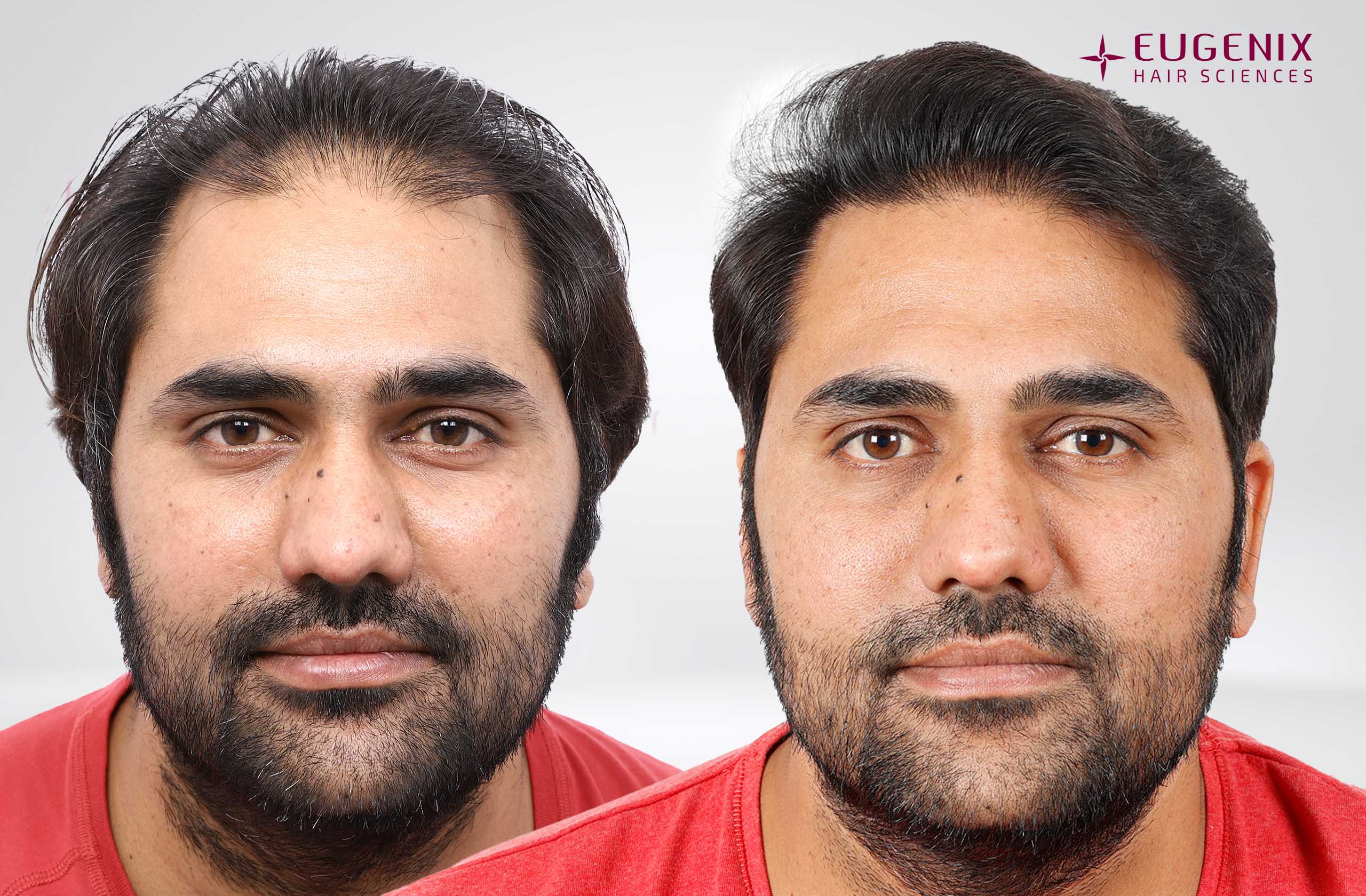
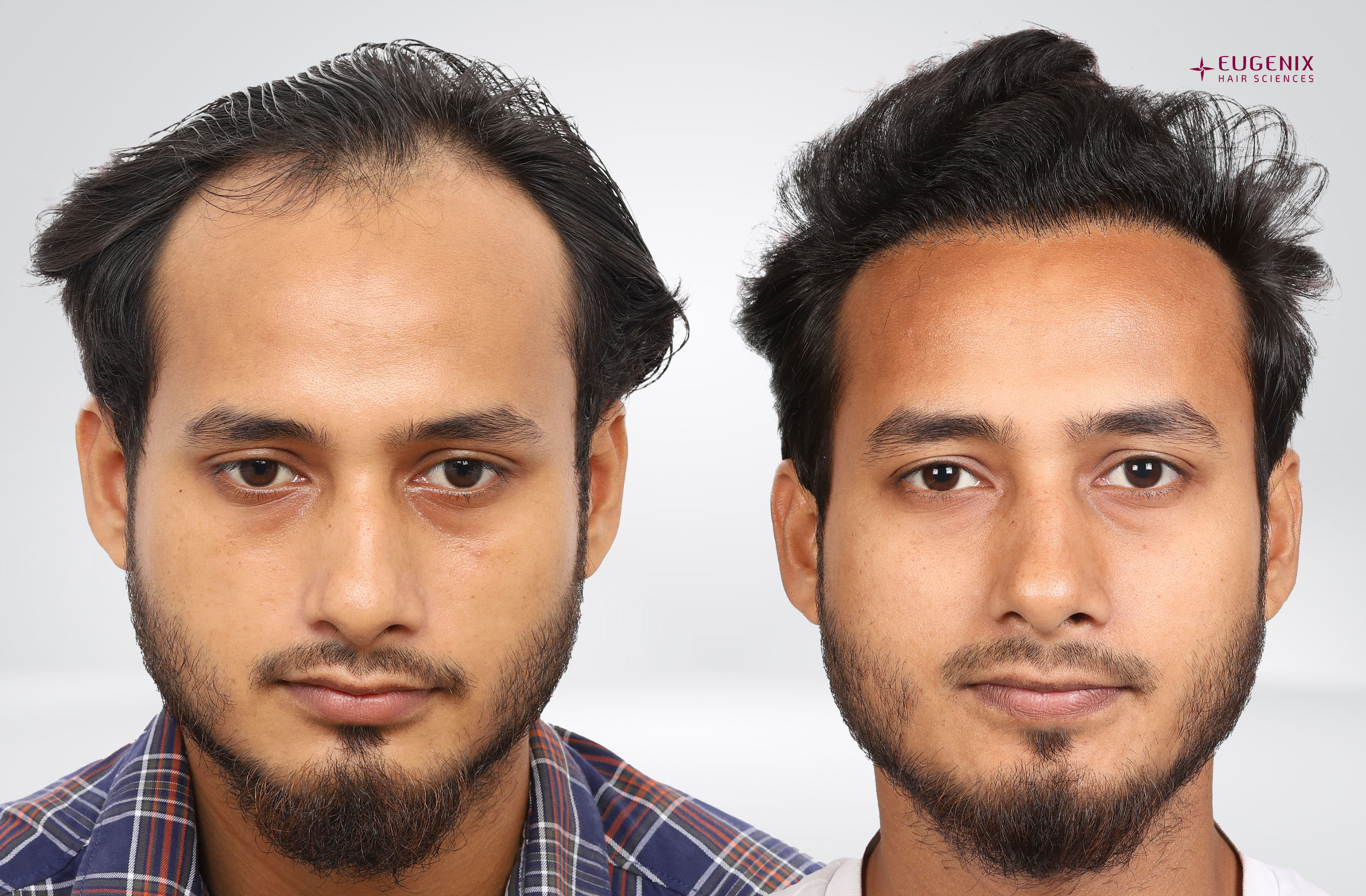
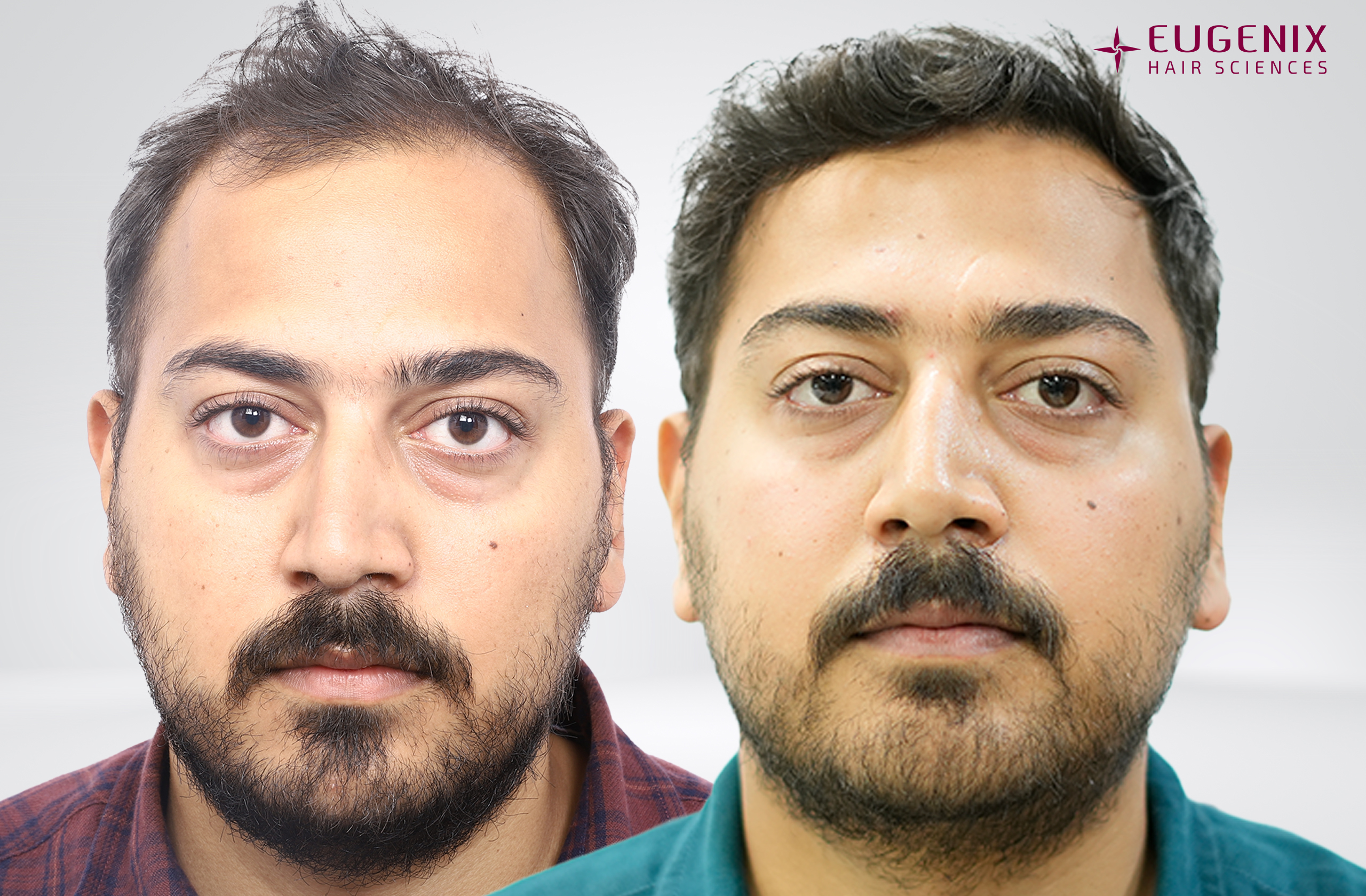
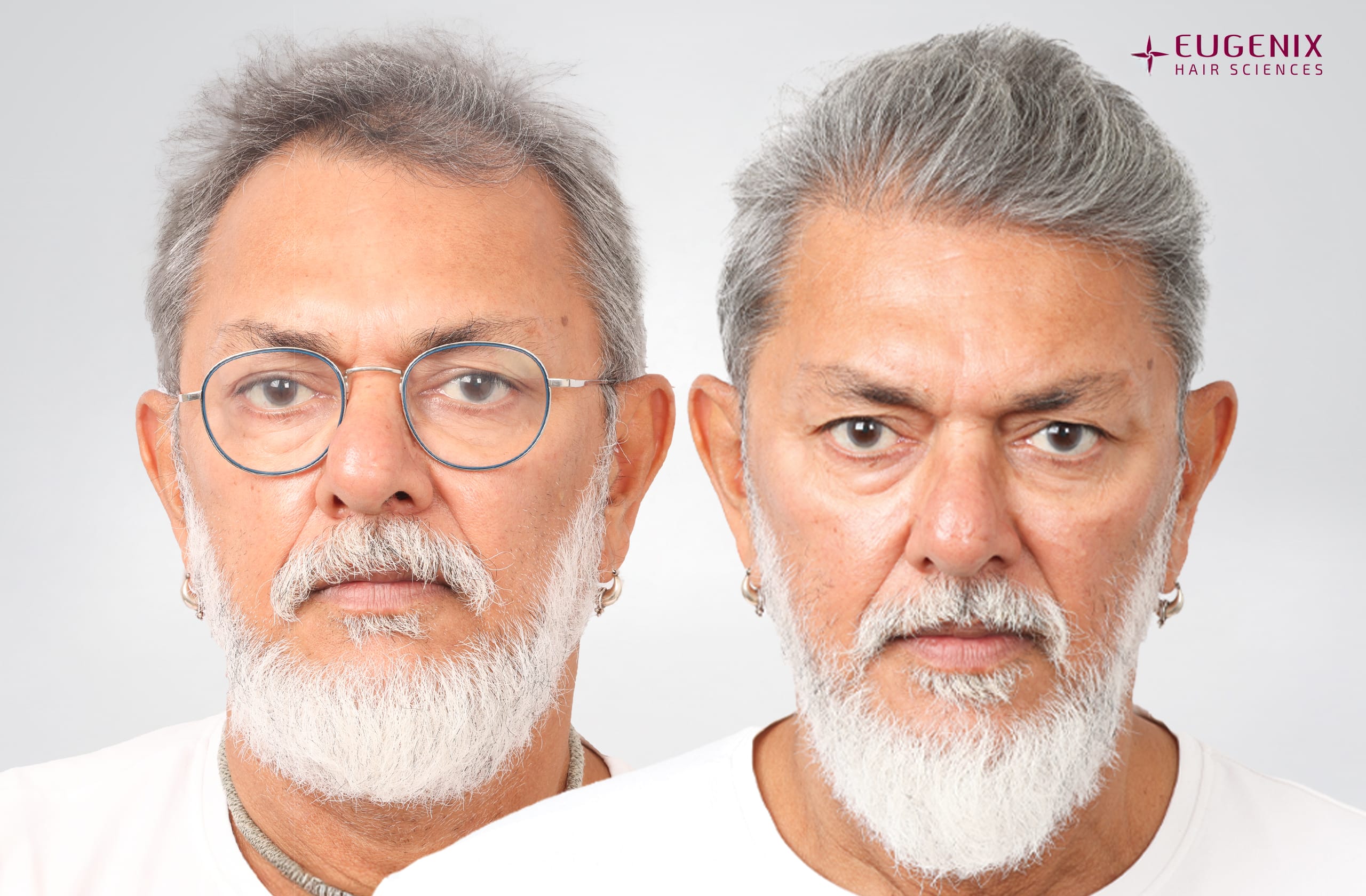
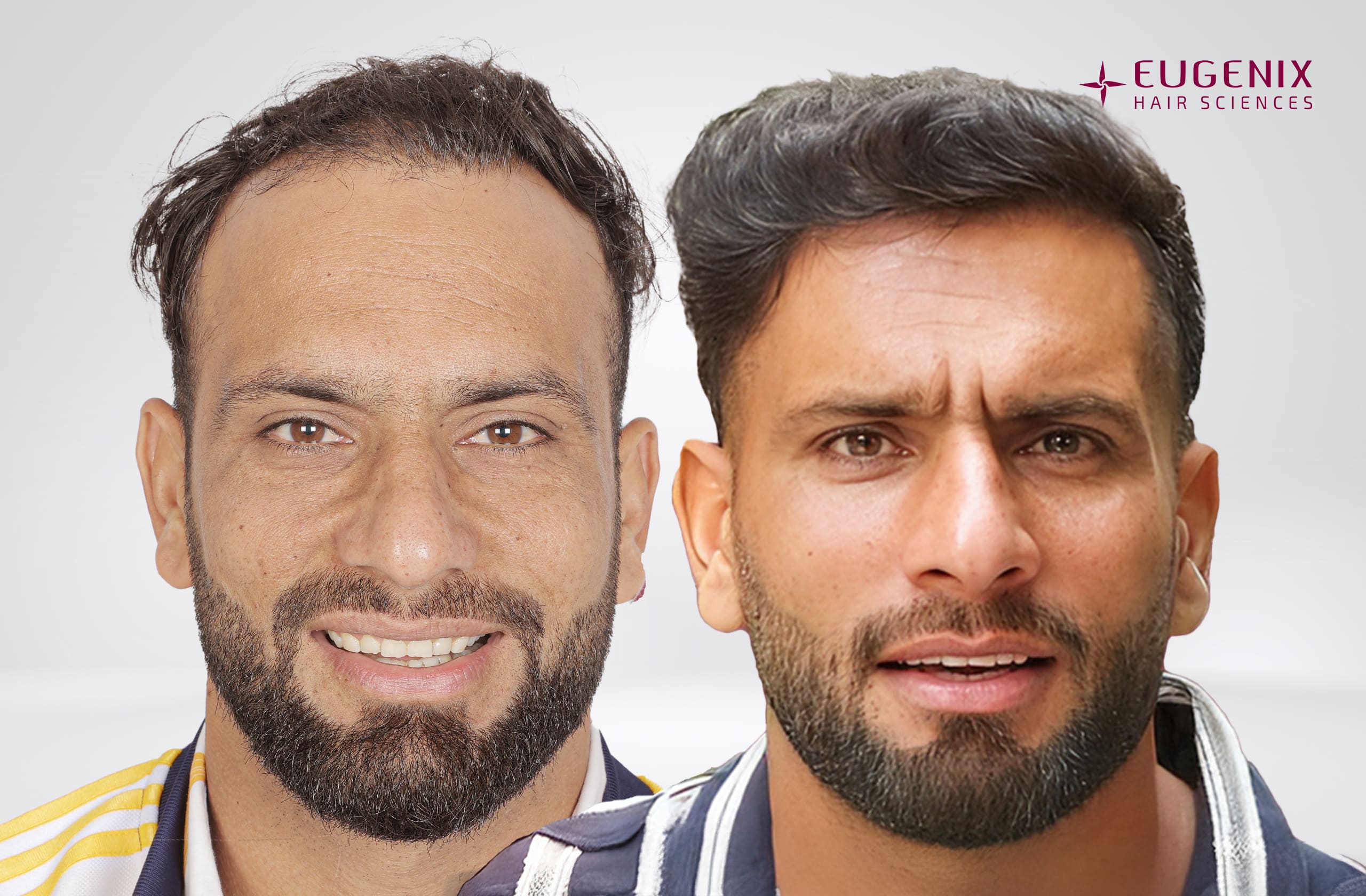
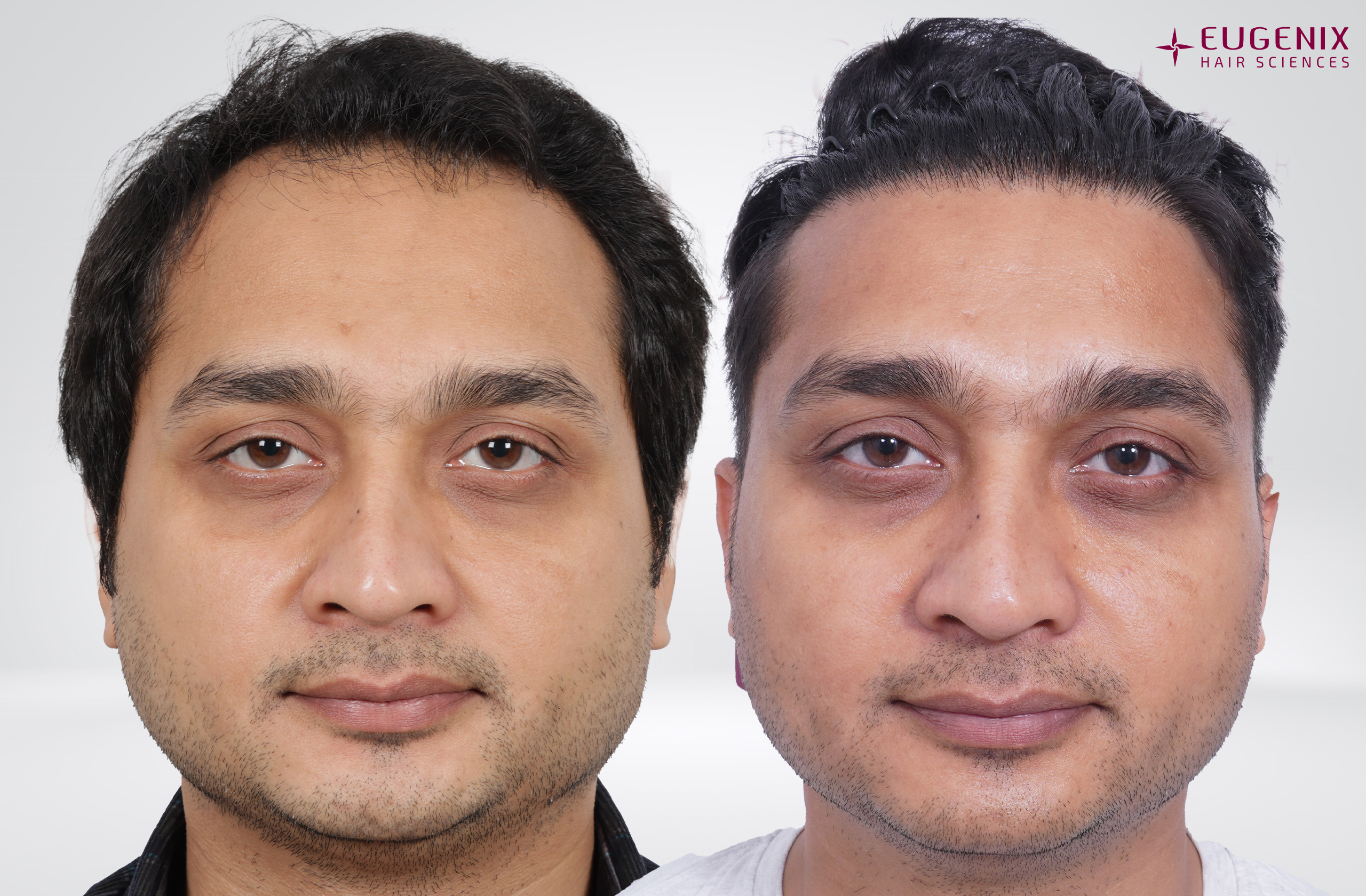
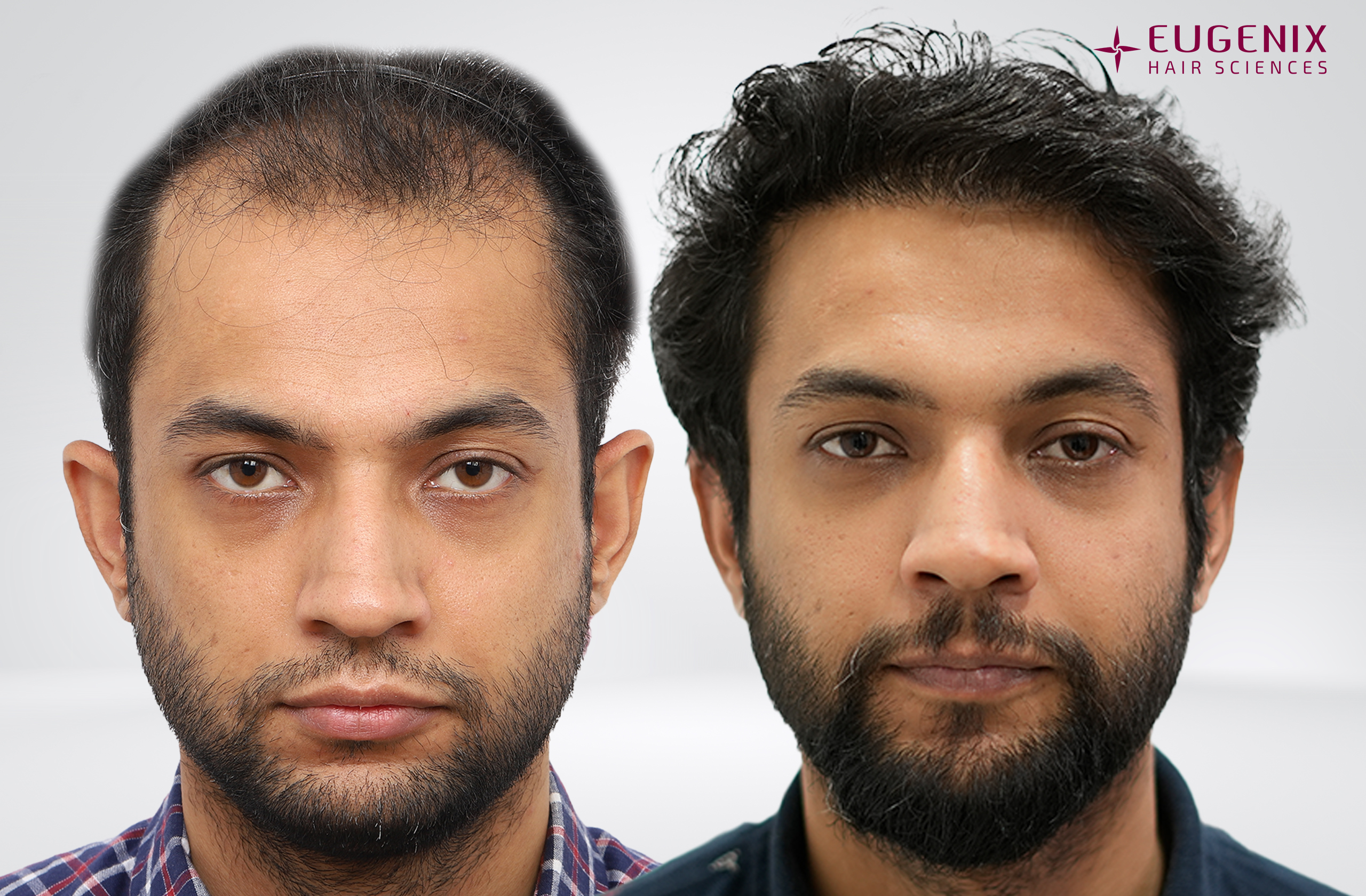
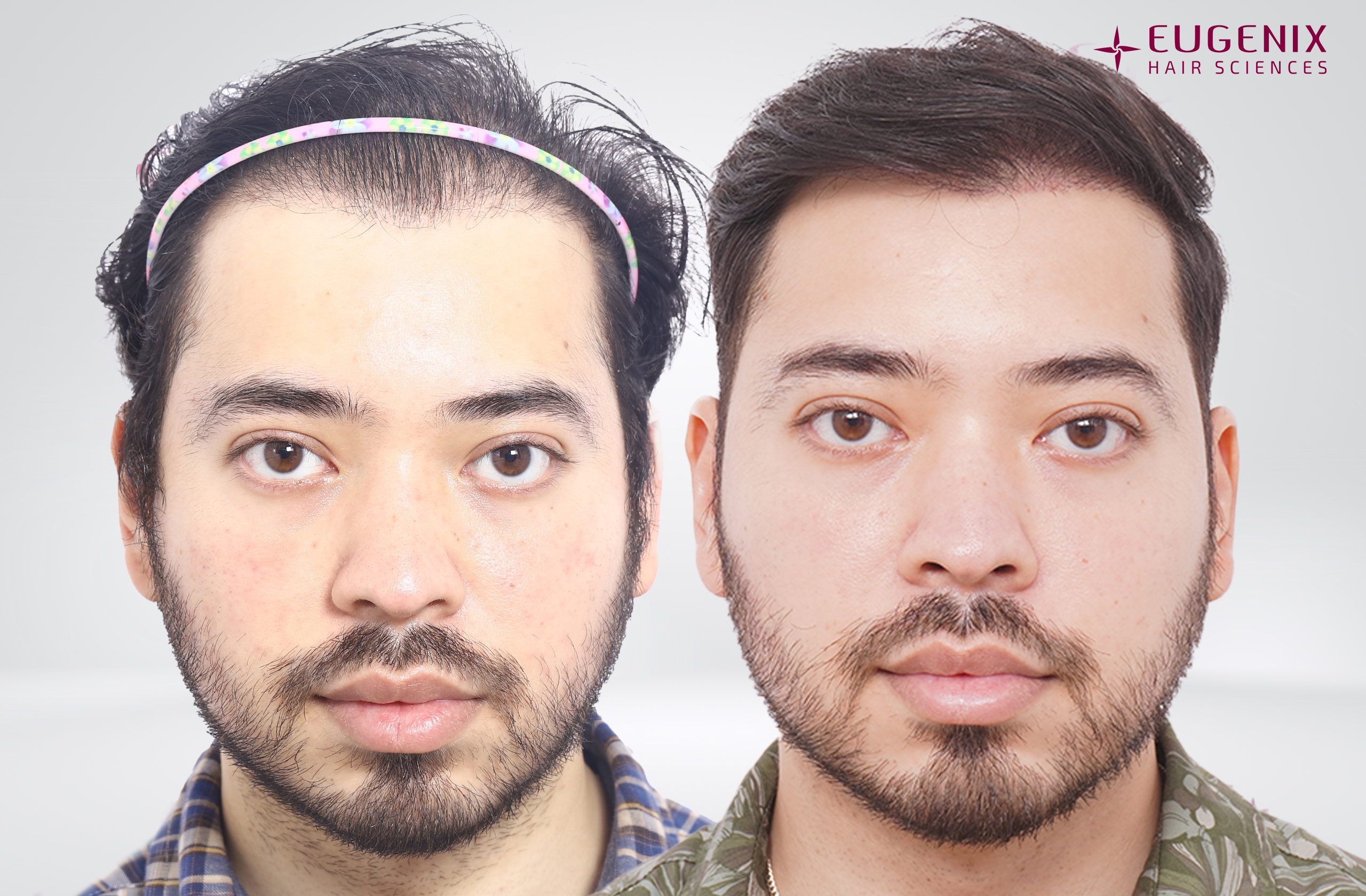
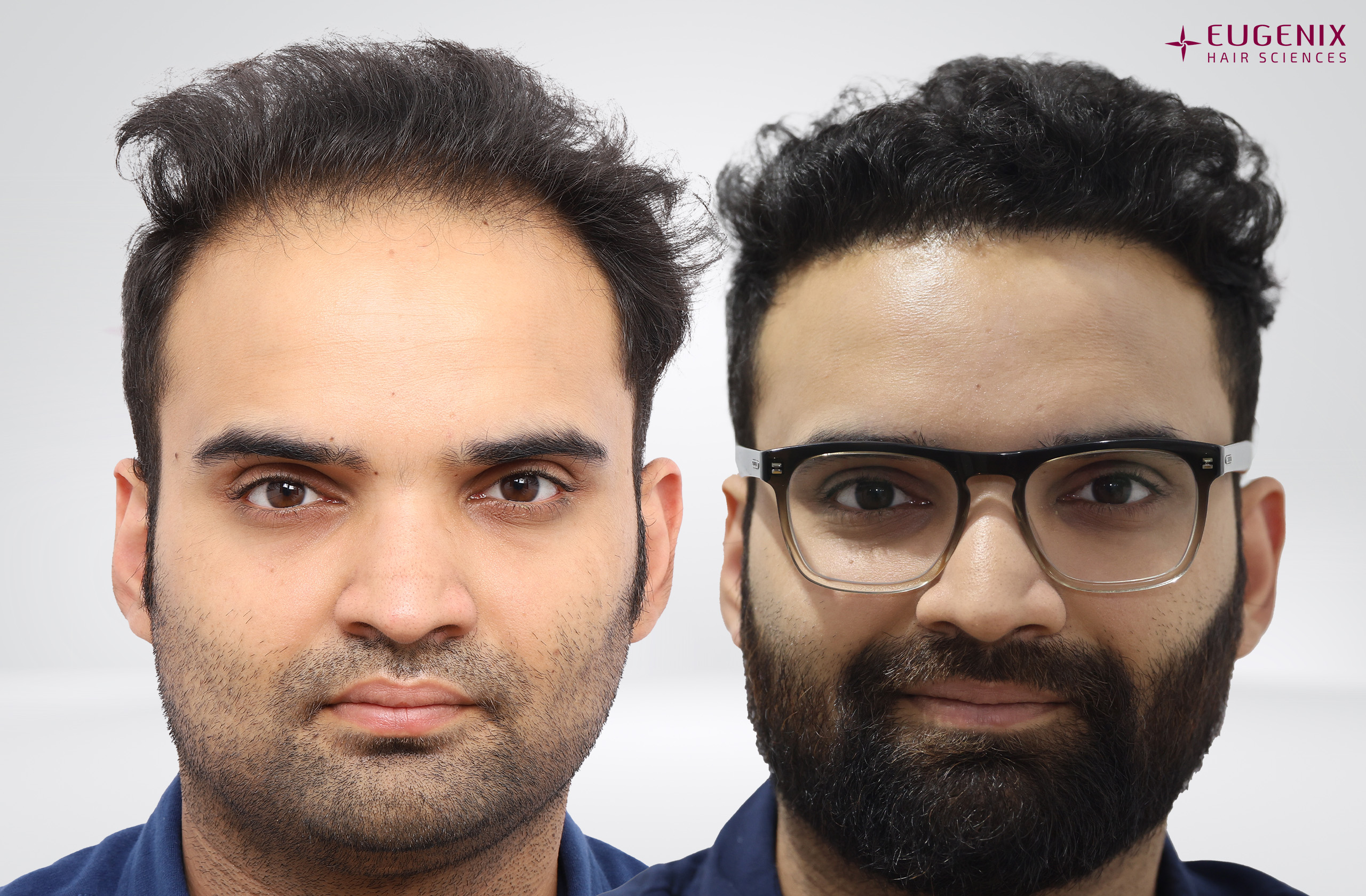
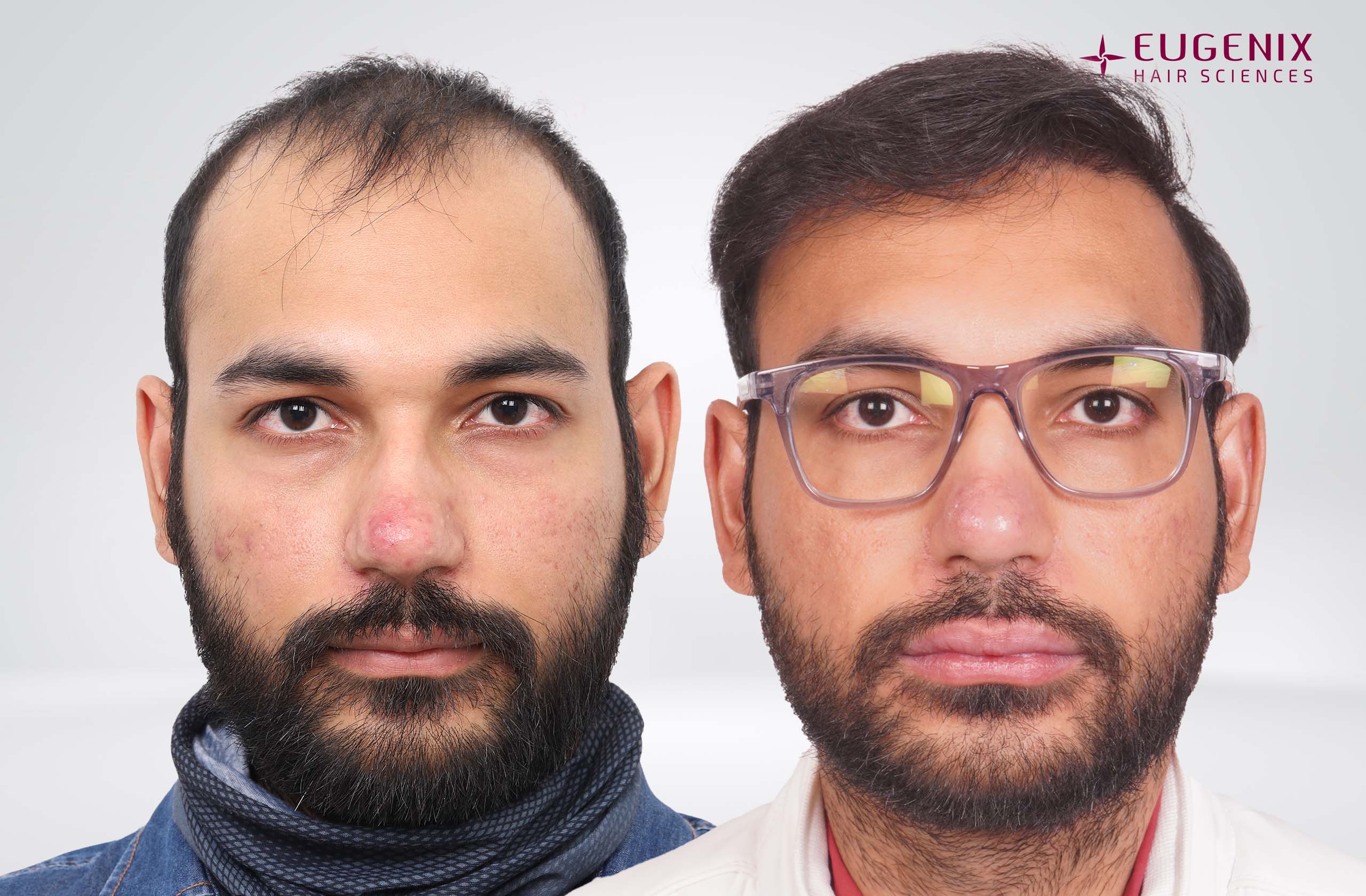
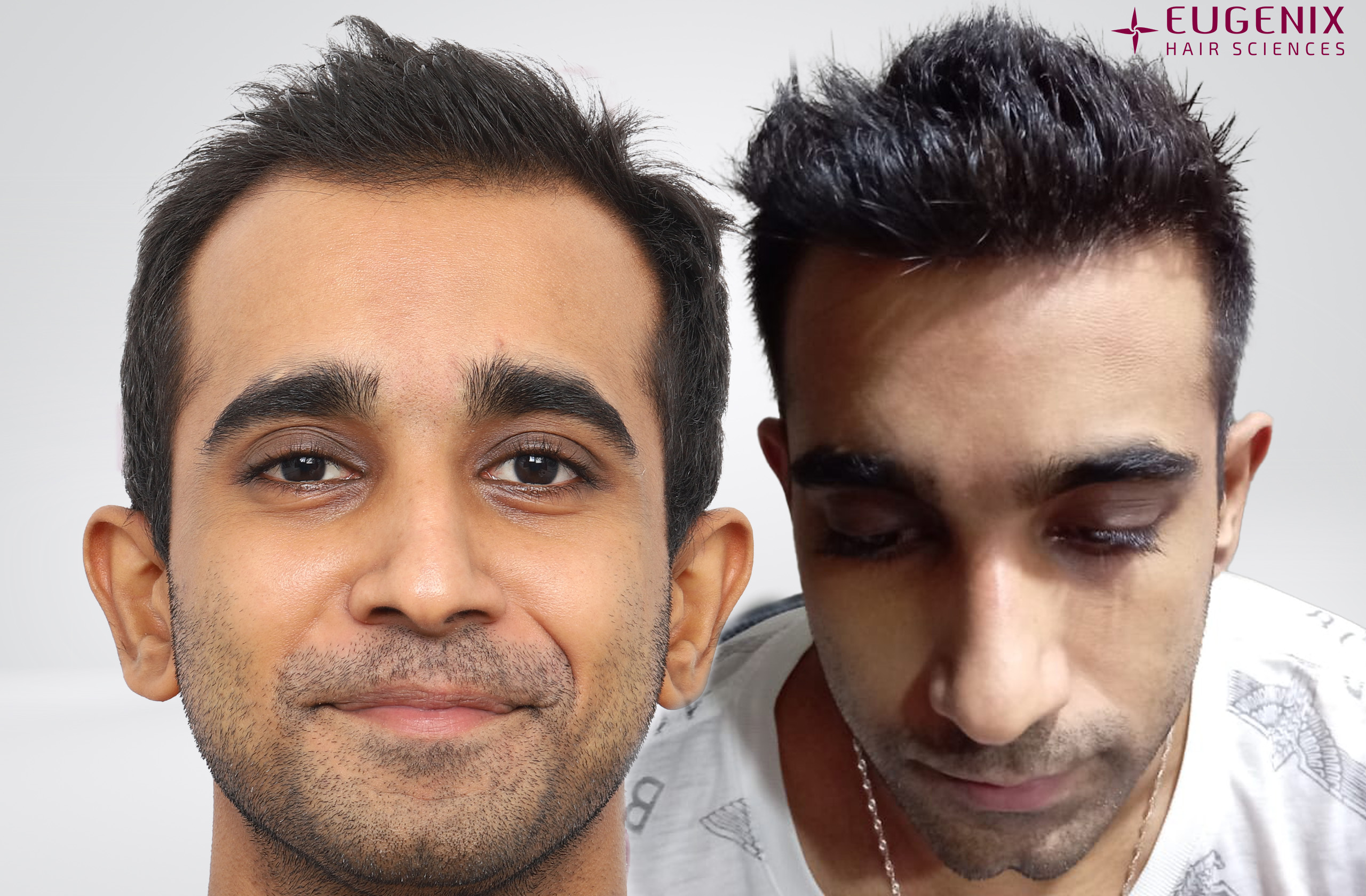
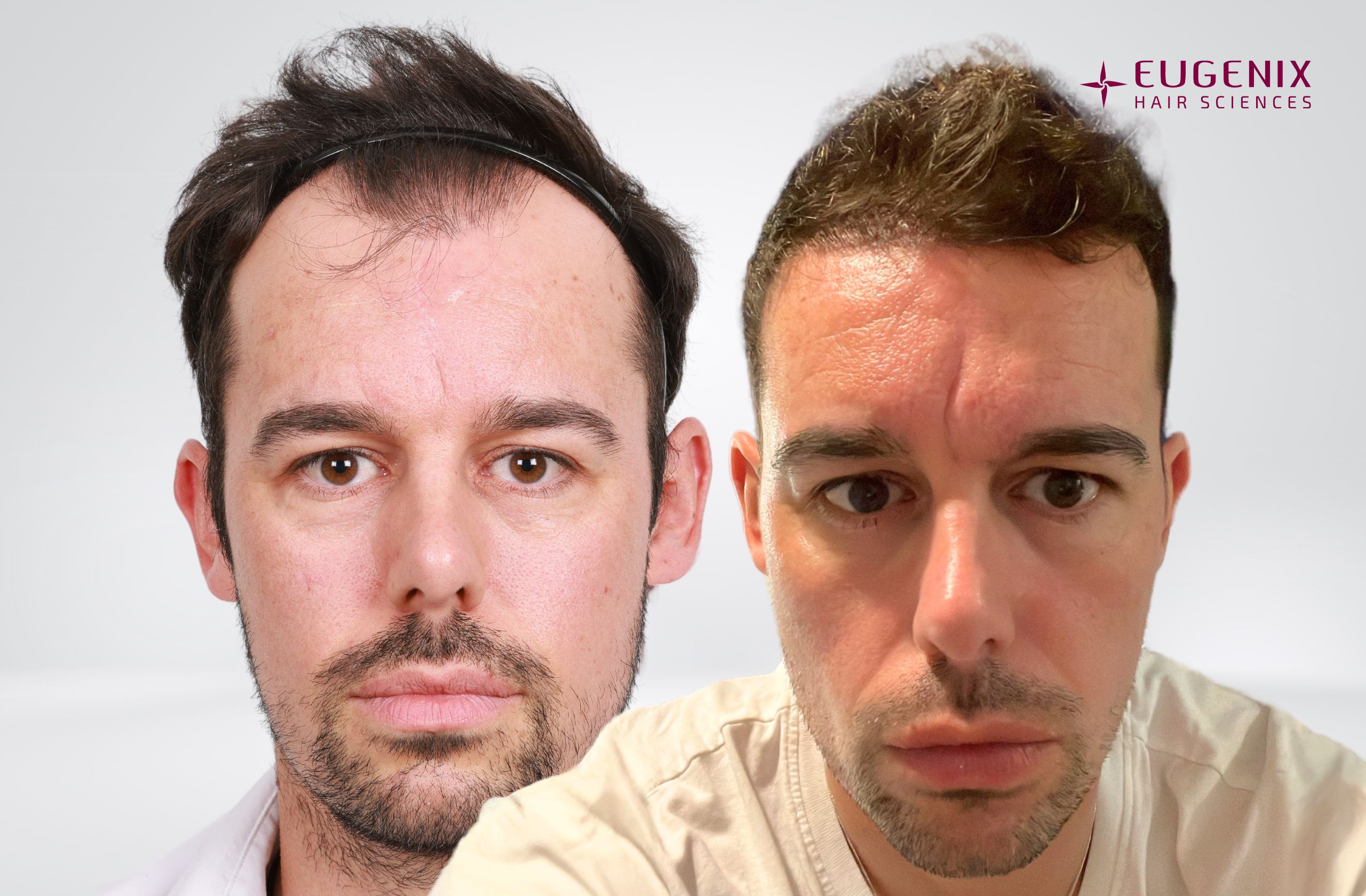
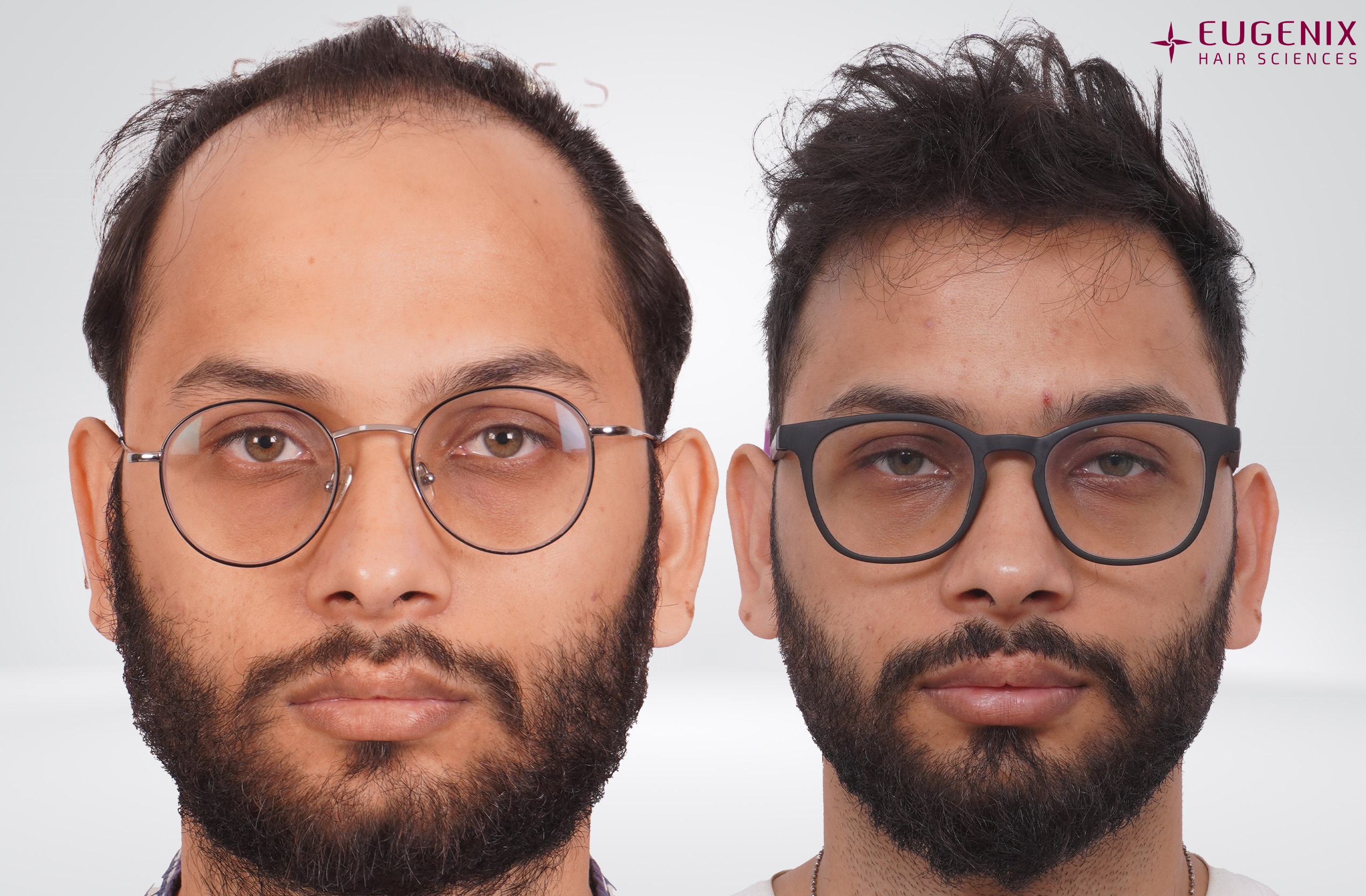
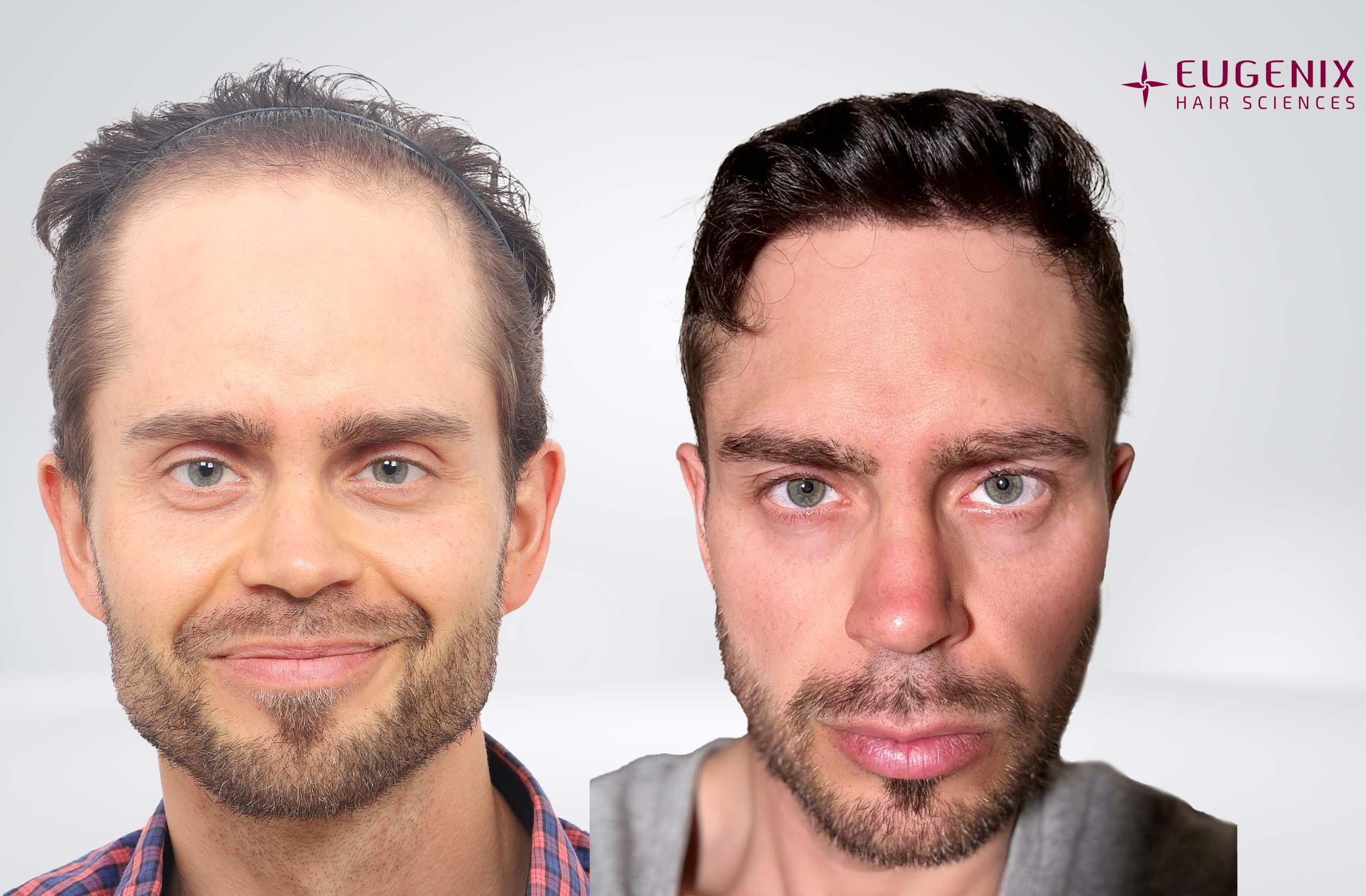
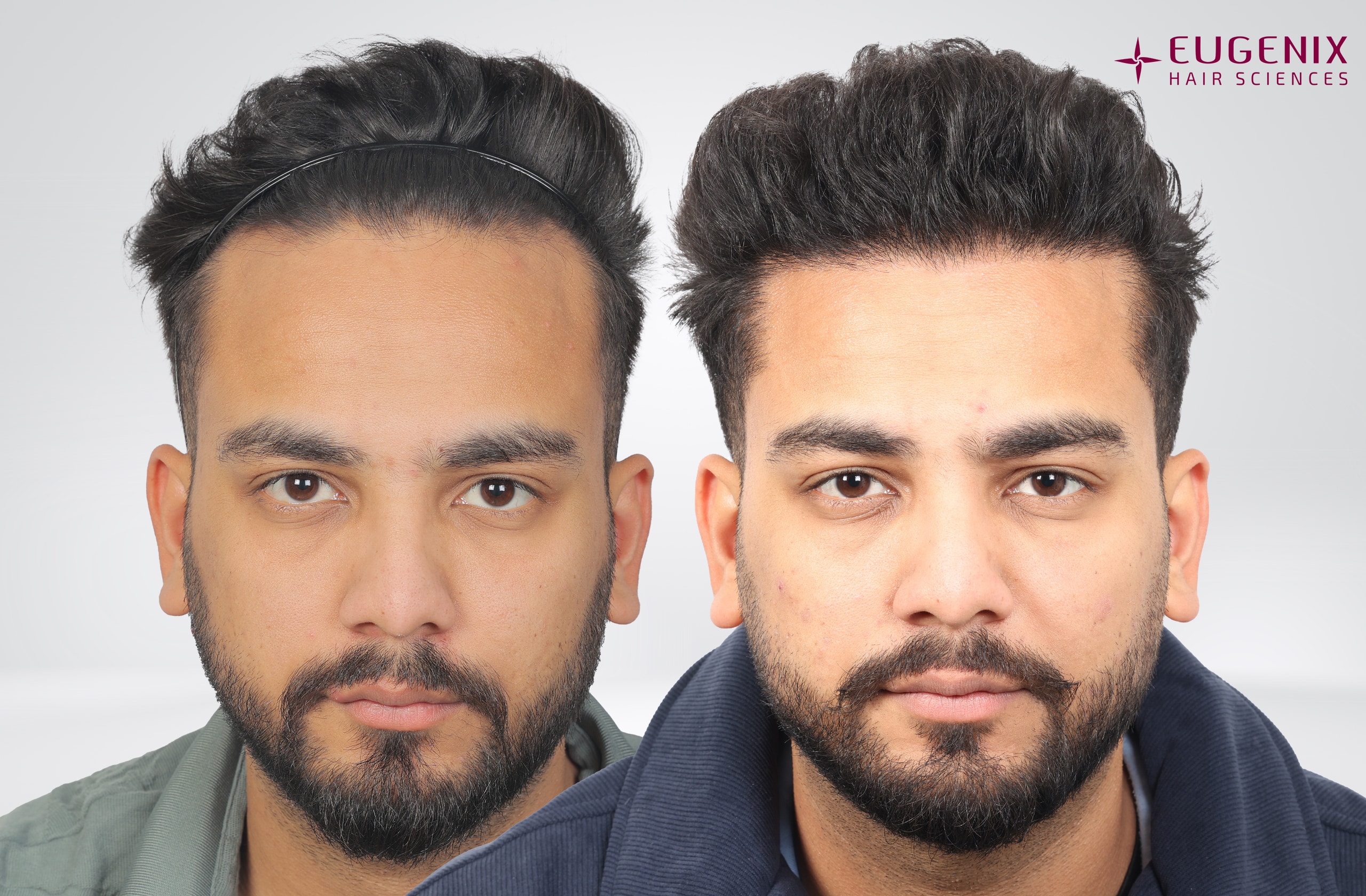
When considering a hair transplant, it is crucial to choose a surgeon with experience in working with diverse hair types. Before committing to the procedure, prospective patients should thoroughly research the surgeon’s portfolio and look for before and after images of individuals with similar hair characteristics. This will provide insight into surgeon’s experience with hair transplant results for a variety of hair types.
Hair transplant planning depends on hair type. Straight, wavy and curly hair each have their own challenges and advantages. By considering the characteristics of each hair type and the Norwood stage from 1 to 7, the doctor plans the procedure for each person. Results vary from person to person.