Before & After Images Book a Free Assessment Graft Calculator
eyebrow-hair-transplant

Enhance Your Beauty with Eyebrow Transplant

What is Eyebrow Hair Transplant?

For years, individuals have heavily relied upon cosmetics and eyebrow tattoos to achieve denser, fuller eyebrows. Having such eyebrows significantly augments facial symmetry and overall attractiveness, hence fuelling an ever-increasing demand for eyebrow cosmetic products. However, for some inexplicable reason, a considerable number of people find themselves dissatisfied with the usage of those products.

Fortunately, with cutting-edge advancements like FUE & DHT Eyebrow Transplants, individuals now possess a superior and lasting option for achieving thick and luscious eyebrows. An eyebrow transplant is a cosmetic procedure that restores eyebrows, resulting in a natural and complete look. The procedure entails removing hair from the donor area, which is the back and sides of your head, and implanting it in the area above the brow.

Eyebrow transplants have gained popularity among both women and men in recent times. As numerous factors contribute to individuals being concerned about the appearance of their brows. For women, social pressures to always look immaculate play a significant role, while men often express discomfort with using eyebrow mascara or cosmetic pencils.

Eyebrows are central to one’s facial symmetry and overall visage, a truth not lost on many. Nonetheless, achieving full, well-arched eyebrows remains an elusive goal for a number of people. In this era of remarkable technological advancement, our hair transplant procedures for women are poised to change this narrative. This swift, painless procedure frequently results in almost 100% natural-looking outcomes, thereby aiding you in acquiring your desired brows without resorting to makeup or other visual artifices.

Eyebrows copy

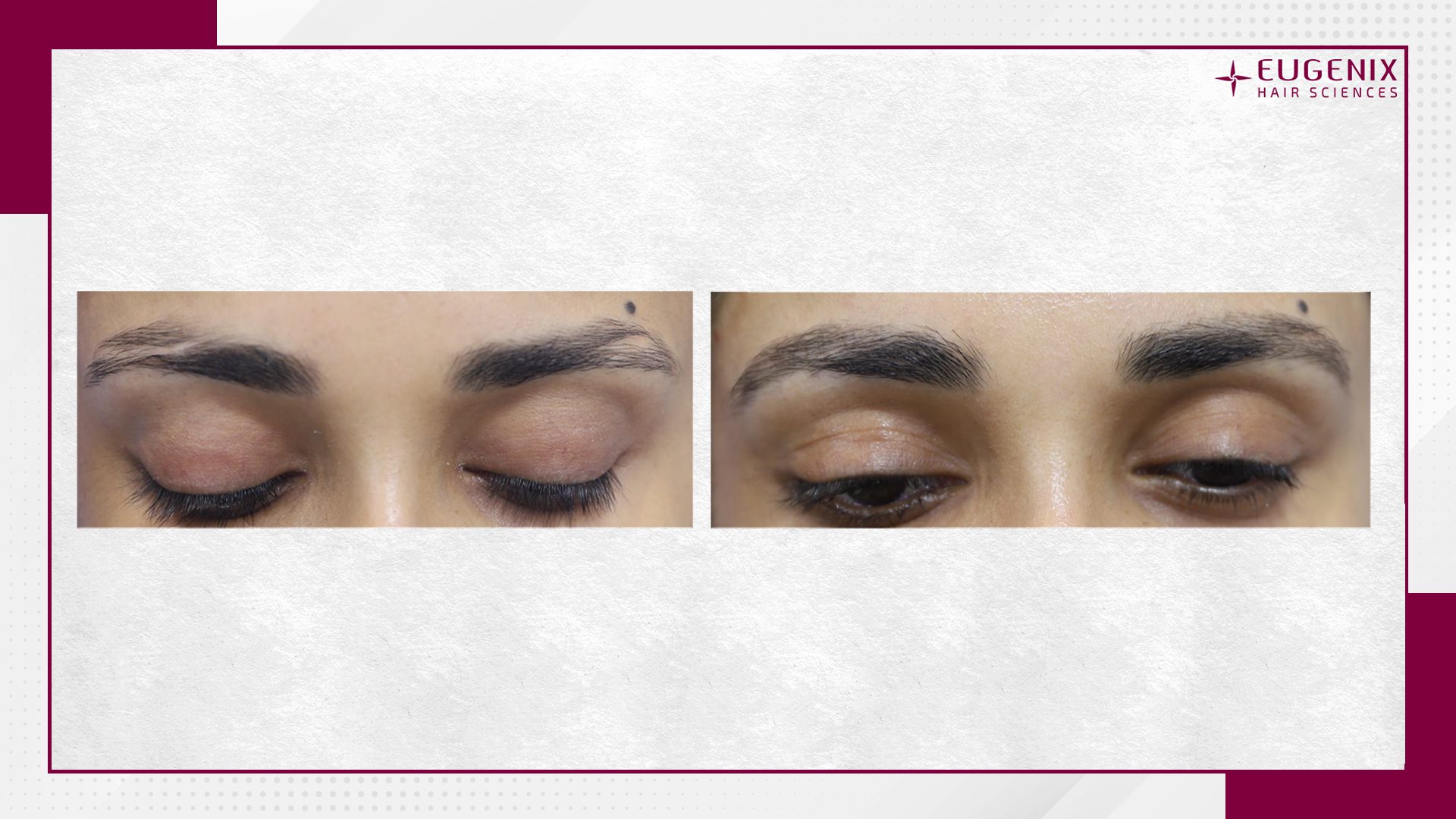
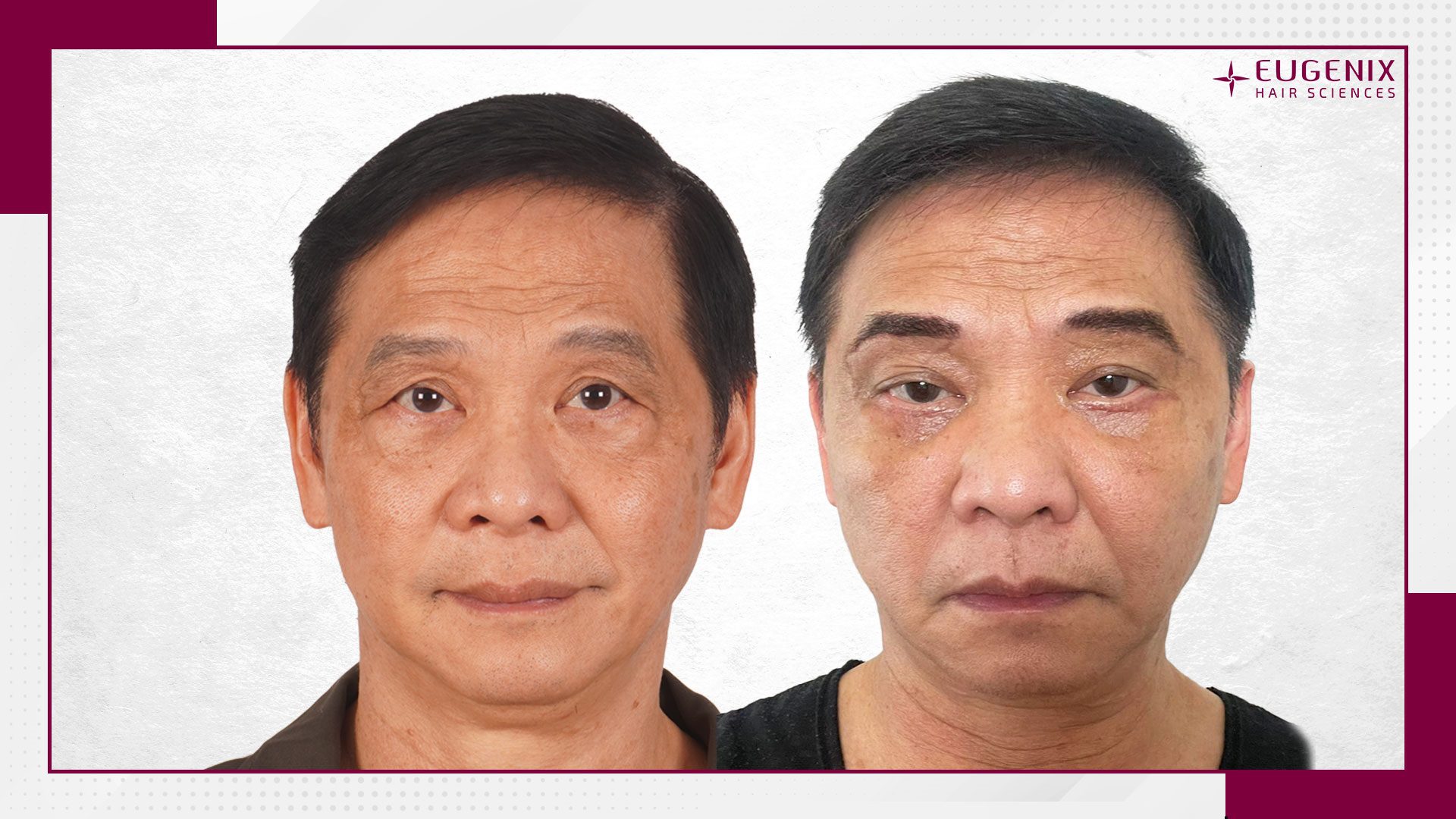
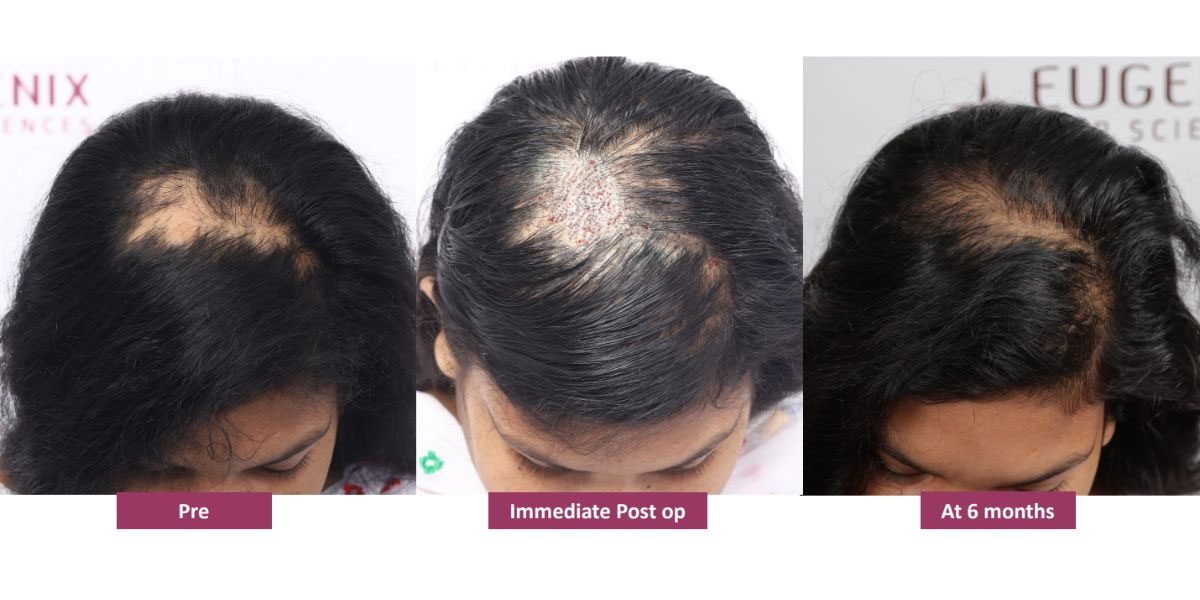
Before & After Images

Behold the breathtaking before & after results of eyebrow hair transplants at Eugenix.

Our world-acclaimed doctors expertly sculpt your expressive arches.

Hence, unleash the power of confident beauty with our advanced eyebrow reconstruction service!

Who are the Ideal Candidates for Eyebrow Hair Transplant?

Those finding it challenging to grow eyebrow hair are ideal candidates. Various factors can hinder the regrowth of eyebrow hair, such as:

  • The natural ageing process
  • Overzealous tweezing, common amongst women
  • Injuries, including burns, unintentional scarring, or post-surgical marks
  • Alopecia Areata (stabilised)
  • Effects of radiotherapy or chemotherapy
  • Inherited sparse eyebrows
  • Conditions related to the thyroid

Benefits of Having Eyebrow Hair Transplant

Here’s what you can expect from Eugenix’s eyebrow reconstruction service:

  • Superior and more natural-looking results compared to other eyebrow restoration procedures.
  • Skilled surgeons with exceptional artistic and aesthetic abilities, crafting precisely defined and sculpted eyebrows.
  • Modern DHT methods leave hardly any noticeable scars.
  • Natural new growth in your eyebrows within approximately 6-7 months.
  • Same-day discharge from the hospital after the surgery.
  • Our success rate for brow transplants ranges from 97 to 100%.
eyebrow hair transplant procedure

How is Eyebrow Hair Transplant Procedure Performed?

At Eugenix, we present to you the ultimate eyebrow hair transplant experience, right from your initial consultation. As you step into our world-class facility, you will witness our unwavering commitment to excellence. We set the standard for state-of-the-art technology and precision with our cutting-edge medical equipment.

What Is the Procedure for an Eyebrow Transplantation?

As hair transplant technology has advanced significantly, the majority of eyebrow transplants we perform employ the DHT technique. In this procedure, grafts for eyebrow transplantation are typically extracted from the scalp or body parts and directly transplanted to the brows to address eyebrow thinning.

However, it’s worth noting that scalp hair tends to grow considerably faster than brow hair. To maintain the desired shortness following the hair transplant, frequent trimming becomes necessary. Thus, legs, pubic hair, and armpits are the preferred donor sites for eyebrow transplants due to the thin and short nature of the hair in those areas.

Key Tips to Remember Before Opting for an Eyebrow Hair Transplant Procedure

  • Consultation First: Always start with a comprehensive consultation with a knowledgeable Counsellor. Click Here to schedule your consultation.
  • Realistic Expectations: Understand that results vary; maintain realistic expectations about the outcomes.
  • Research Your Surgeon: Ensure your chosen surgeon has a proven track record and appropriate credentials.
  • Understand the Methods: Familiarise yourself with FUE, DHT, and other transplant techniques to make an informed choice.
  • Post-Procedure Care: Be prepared for aftercare; follow guidelines diligently for optimal results. Our specialised E-Care Team will walk you through the post-procedure process one step at a time.
  • Wear an open-buttoned shirt on the day of your procedure. It ensures your donor and recipient area is left undisturbed when you change your clothes after the procedure.
  • Limit Alcohol and Smoking: Reduce alcohol intake and refrain from smoking at least a week prior.
  • Health Check: Inform your surgeon about any medications or health conditions you have.
  • Budget Appropriately: Understand each tier and experience level of the surgeons from our Counsellors. This should help you identify your budget for the procedure.
  • Patience is Key: Results aren’t instantaneous. Give your scalp time to heal and your hair to grow. Understand the Shedding Phase that accompanies the period after the Hair transplant surgery.
  • Avoid Sun Exposure: Protect the transplanted area from direct sun exposure for 7 days after the procedure.
  • Ask Questions: Don’t hesitate to clarify any doubts with your Eugenix Counsellor; it’s essential to feel confident and informed.
  • Embrace the Journey: A hair transplant is not just a procedure but a journey towards renewed confidence. Embrace the process.
eyebrow hair transplant cost

Eyebrow Hair Transplant Cost

The cost of an eyebrow hair transplant may vary from patient to patient, depending on the extent of the treatment. The choice of eyebrow hair transplant technique plays a significant role in determining the overall reconstruction procedure cost.

Hence, a visit to our clinic or a virtual consultation is vital for a precise cost assessment.

Our knowledgeable doctors and counselors will provide detailed information about the hair transplant procedure, including the associated cost.

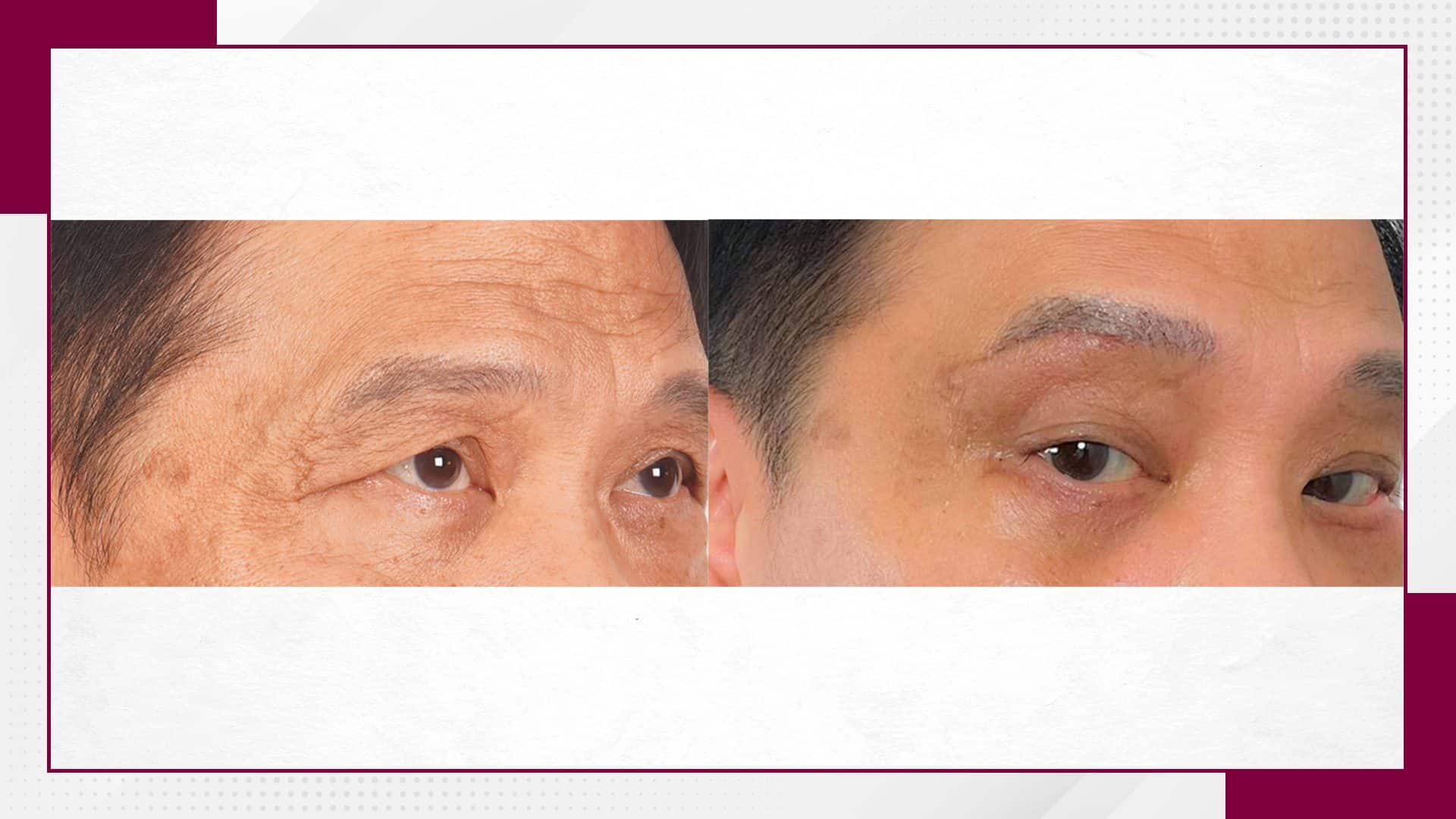
Life-Changing Results
Eyebrows copy
BeforeAfter
austin-eyebrow-transplant
BeforeAfter
austin
BeforeAfter
Informative Videos
Reviews on Google
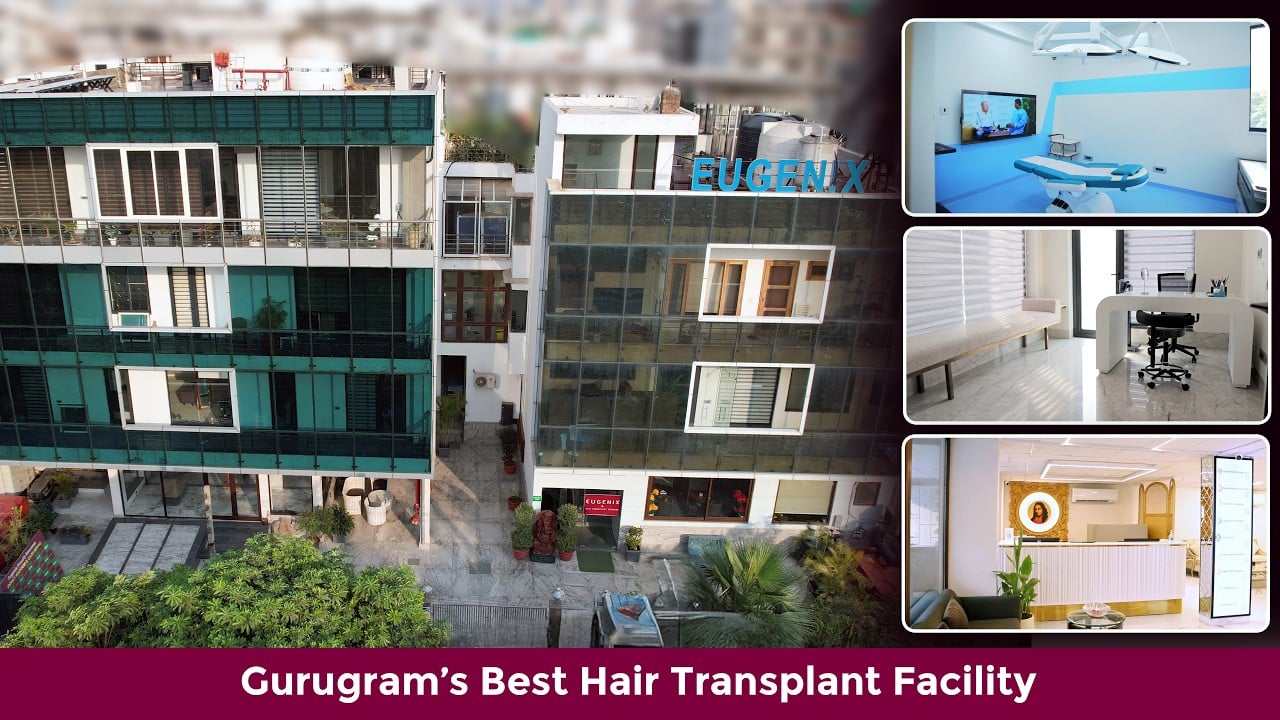
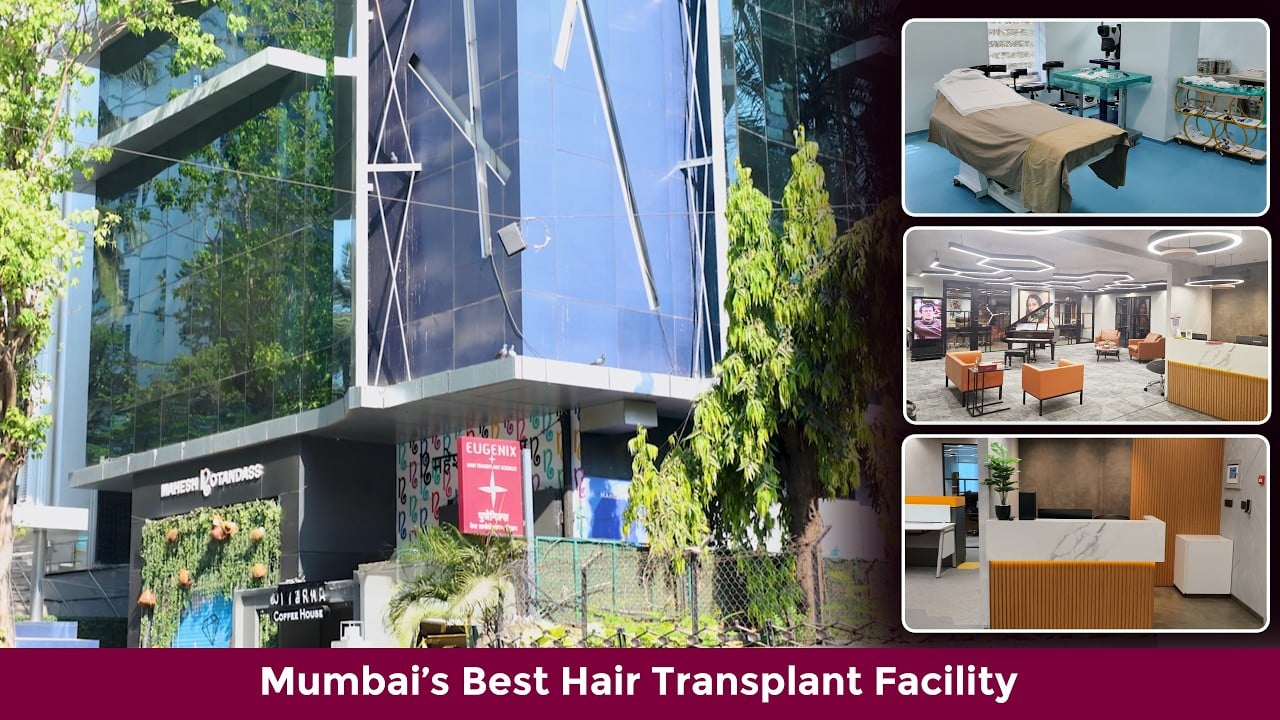
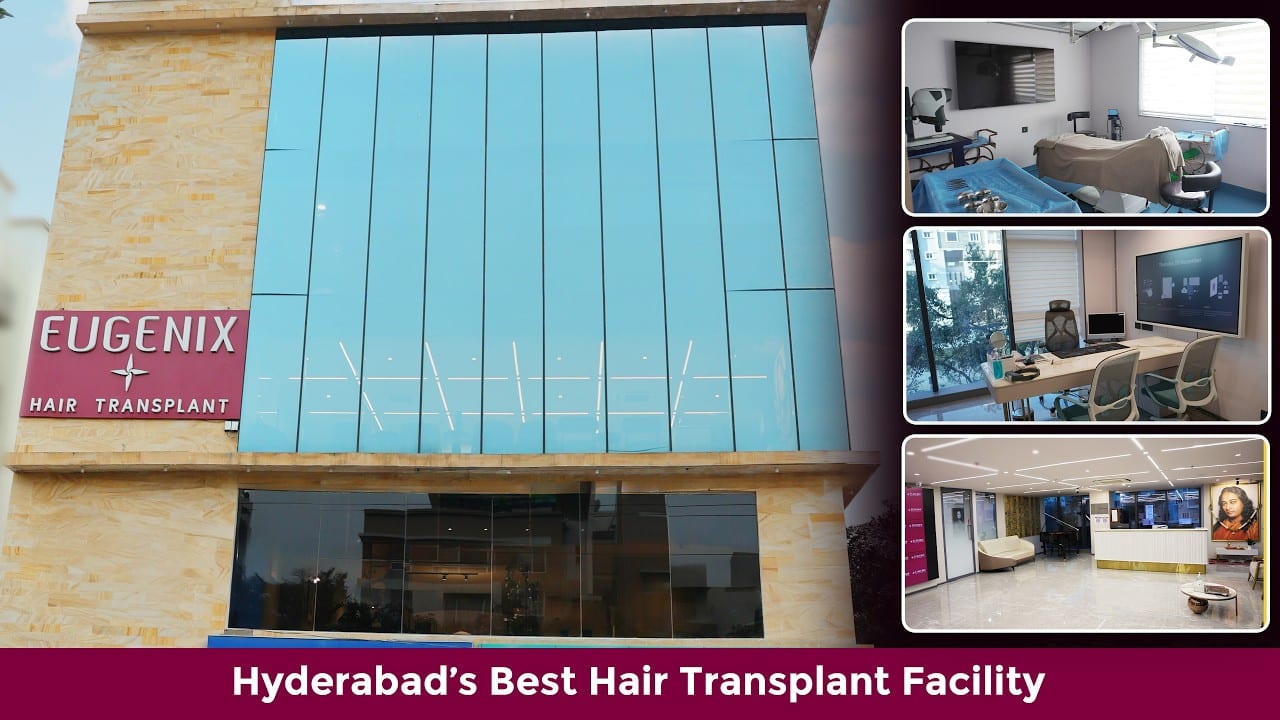
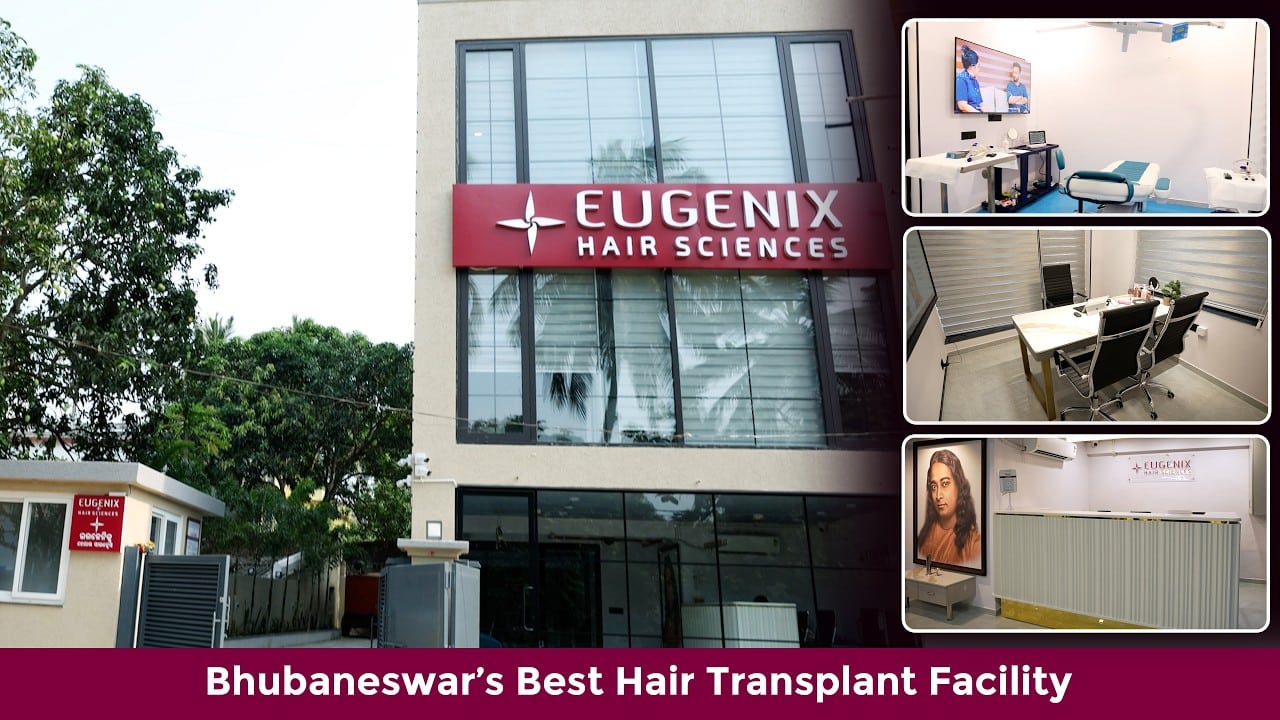
World-Class Infrastructure & Facilities
Why Choose Eugenix?

Trusted Choice of Celebrities, Cricketers and Business Leaders. Under the supervision of Dr. Pradeep Sethi & Dr. Arika Bansal, Eugenix offers international standards in Hair Transplant.

whychoose_icon_1
20,000+

Hair Transplant Procedures Performed

whychoose_icon_2
Free Assessment

Just a Phone Call or WhatsApp Away!

whychoose_icon_3
30+ Years Experience

in Hair Restoration Procedures

whychoose_icon_4
4.8 Google Ratings

From Happy Customers across the World

Frequently Asked Questions

Yes. In fact, follicles harvested from the scalp are the primary and most reliable donor source for eyebrow reconstruction. Because the hair at the back of your head is genetically programmed to be permanent and resistant to thinning, it provides a “lifetime supply” of hair to rebuild even the most over-plucked or naturally thin brows.

However, using scalp hair for eyebrows is a highly specialized task that requires a deep understanding of hair biology and a meticulous artistic eye. Here is how we make it work at Eugenix:

The Science of the “Relocated” Follicle

When we move hair from your scalp to your brow, the follicle retains its “genetic memory.” This means it will continue to grow in its new location just as it did in its old one.

1. Selective Harvesting (The “Micro-Graft” Search)

Not all head hair is suitable for the eyebrows. Eyebrow hair is naturally finer and softer than the hair on top of your head.

  • The Hunt for “Singles”: We specifically look for the finest, thinnest single-hair follicular units located at the very nape of the neck or behind the ears. These “fine-gauge” hairs are a much closer biological match to the delicate nature of a natural eyebrow.
  • The DHT Advantage: Using our Direct Hair Transplantation (DHT) technique, we extract these delicate follicles and plant them almost instantly. This ensures the follicle stays hydrated and healthy, which is crucial when dealing with such fine, sensitive donor hair.

2. The “Growth Rate” Reality

This is the most important thing for patients to understand: scalp hair grows faster and longer than natural eyebrow hair.

  • The Maintenance Phase: Because the transplanted hair “thinks” it is still on your head, it will continue to grow to scalp lengths.
  • The Solution: You will need to trim your new eyebrows approximately once every 10 to 14 days. Over several years, many patients notice a phenomenon called “donor remodeling,” where the transplanted hair starts to slow its growth rate slightly to match its new environment, but regular grooming remains a standard part of the process.

3. Precision Angulation

The hair on your head grows out at a relatively steep angle. Eyebrow hair, however, grows nearly flat against the skin.

  • The Flat-Lay Technique: Our surgeons use specialized tools to ensure the grafts are placed at an extremely acute angle (often 10 to 15 degrees). If the angle is off by even a few degrees, the hair will stick out unnaturally.
  • The Directional Flow: A natural brow changes direction—growing upward at the bridge of the nose, horizontally in the middle, and downward at the “tail.” We replicate this 3D flow follicle by follicle.

4. A Permanent Transformation

Unlike microblading or eyebrow pencils, which are temporary and sit on the skin, a transplant is a biological restoration. The hair is yours. It has texture, it has volume, and it grows. You can swim, sweat, and live your life without worrying about your brows “wiping off.”

An eyebrow transplant isn’t just a “long-term” fix; it is a permanent biological restoration. Unlike microblading, tints, or pencils—which sit on the surface of the skin and eventually fade—a transplant involves relocating living hair follicles into the dermal layer of your brow.

Once these follicles take root, they are yours for life. Here is a deeper look at why this procedure offers a permanent solution and what “permanence” actually looks like in practice.

1. The Science of Lifetime Growth

The longevity of the procedure is rooted in the principle of Donor Dominance. We harvest hair follicles from the “safe zone” at the back of your scalp. These specific follicles are genetically programmed to grow for a lifetime and are resistant to the hormonal changes that typically cause hair thinning.

When moved to your eyebrows, they keep that genetic instructions. They don’t “expire” or disappear after a few years; they continue to produce hair indefinitely.

2. Brows That Stand the Test of Time

Because the hair is your own living tissue, it behaves like natural hair:

  • No Fading: Unlike semi-permanent makeup (microblading) which requires “touch-ups” every 12–18 months as the pigment breaks down, a transplant never loses its “color” or definition.
  • Natural Texture: You gain real 3D volume. You can touch your brows, style them, and even swim or sweat without any fear of your “look” washing away.
  • Aging Gracefully: As you age, your transplanted brows will age naturally with you, maintaining the frame of your face even as other facial features change.

3. The “Scalp Hair” Caveat: Ongoing Maintenance

While the effectiveness is permanent, the maintenance is ongoing. Because the follicles come from your scalp, they still “think” they are on your head for a significant period.

  • Trimming: Scalp hair grows much faster than natural eyebrow hair. To keep your brows looking sharp, you will need to trim them with small aesthetic scissors every 10 to 14 days.
  • Remodeling: Interestingly, many patients observe a phenomenon called “donor remodeling” after several years. The transplanted hair often begins to slow its growth rate slightly as it adapts to the blood supply and environment of the brow area, though regular grooming usually remains necessary.


The hair comes from an area of the patient’s scalp where hair is genetically programmed to continue growing for life. This is typically at the back of the head.

Reconstructing an eyebrow is an exercise in extreme precision. Unlike a scalp transplant, where the goal is often high-volume density, eyebrow restoration is about mapping, angulation, and texture matching. It is a methodical process that transforms scalp follicles into a functional, natural-looking facial feature.

The Mechanics of Eyebrow Hair Reconstruction

1. Artistic Mapping and Symmetry

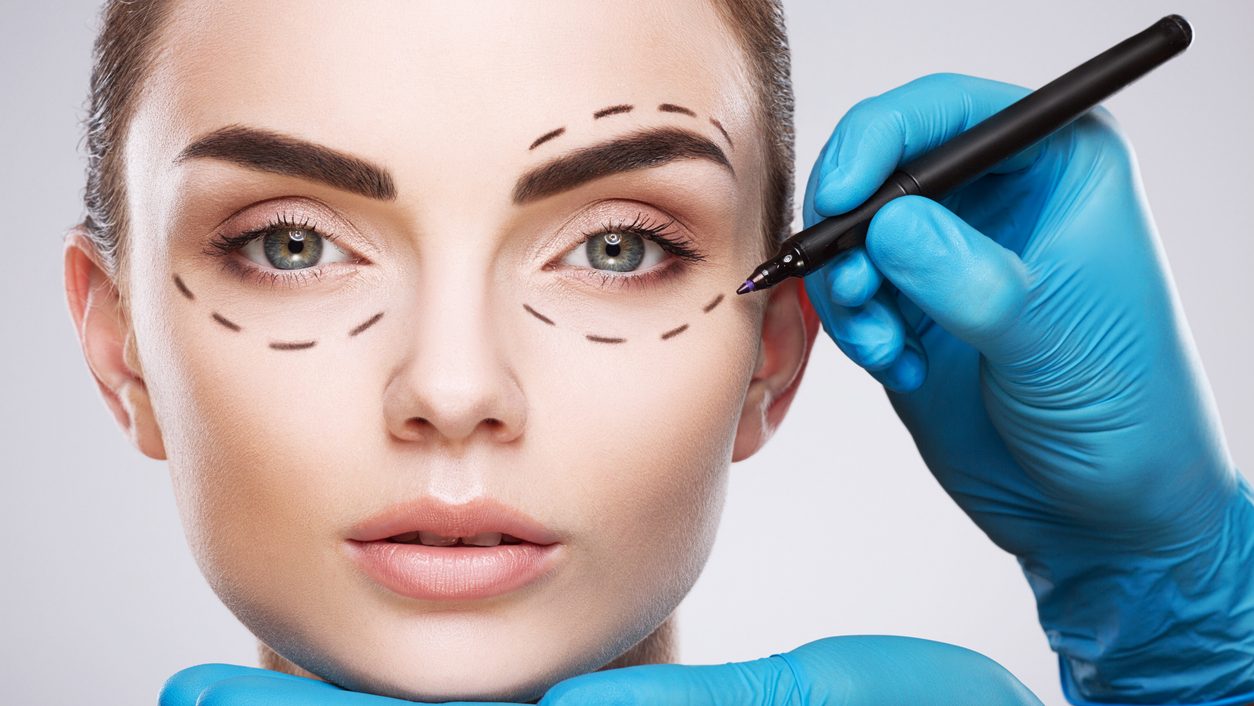
Before any clinical work begins, the brow must be designed. This is not a “one-size-fits-all” stencil. A surgeon maps the brow based on the unique orbital bone structure, eye shape, and facial proportions of the individual.

  • The Frame: The inner corner, the peak of the arch, and the “tail” are marked to create a shape that complements the face even during movement, such as smiling or squinting.
  • The Flow Map: A natural eyebrow has three distinct directions of growth. The inner part (near the nose) grows upward, the middle section grows horizontally, and the tail grows downward toward the ear. These “directional zones” are mapped out follicle-by-follicle.

2. Selective Harvesting of Fine Follicles

Not all hair on the head is suitable for the face. Eyebrow hair is naturally finer and softer than the hair on top of your head.

  • The Search for “Singles”: Surgeons exclusively use single-hair follicular units for the brows. Using multi-hair grafts would result in an unnatural, coarse appearance.
  • The Donor Site: Follicles are typically harvested from the nape of the neck or from behind the ears. These areas provide the thinnest hair shafts, making them the closest biological match for the delicate nature of an eyebrow.

3. The Extraction Process

Individual follicles are removed using microscopic tools (often 0.7mm to 0.8mm in diameter). In advanced restoration, the Direct Hair Transplantation (DHT) technique is preferred. By minimizing the time a follicle spends outside the body, the grafts remain vital and hydrated, ensuring a near-100% survival rate once they are moved to the brow.

4. The “Flat-Lay” Implantation

The most critical part of an eyebrow transplant is the exit angle. While scalp hair grows out at a relatively steep angle, eyebrow hair lies nearly flat against the skin.

  • Acute Angulation: The surgeon must implant each follicle at an extremely shallow angle, often between 10 to 15 degrees. This ensures the hair lays flat rather than sticking out.
  • The Herringbone Pattern: Grafts are placed to replicate the natural “herringbone” pattern where hair from the top and bottom of the brow meet and overlap in the middle.

5. The Healing and Maturation Cycle

The biological journey of a transplanted brow follows a predictable path:

  • The Anchor Phase: For the first week, the grafts “lock in.” You may see tiny, pin-sized scabs that wash away during the first few gentle face washes.
  • The Shedding Phase: Within 2 to 4 weeks, the temporary hair shafts will fall out. This is a normal part of the cycle; the living follicle beneath the skin remains healthy.
  • The Re-Growth: New, permanent hair begins to sprout around the 4-month mark. By month 10 to 12, the brow reaches its full density and maturity.

6. Long-Term Maintenance

Because the transplanted hair retains the genetic characteristics of the scalp, it will grow faster than original eyebrow hair.

  • Grooming: To keep the brows looking sharp, you will need to trim them with small aesthetic scissors every 10 to 14 days.
  • Remodeling: Over several years, some patients experience “donor remodeling,” where the transplanted hair begins to slow its growth rate to better match its new environment.

Eyebrow transplants do not yield long hair growth. The transplanted hair in the eyebrows will follow the same growth pattern as existing eyebrow hairs, without becoming longer than their original length post-transplantation.

Related Blogs
Eyebrow Hair Transplants: How It’s Done
13 Sep 2023

In this article, we will explore how eyebrow hair transplants are done and shed light on the process.

Everything You Need To Know About Hair Restoration For Women
16 Nov 2022

Hair fall is an issue which is not gender-biased. Irrespective of your gender, it can trap you. Consequently, hair restoration for women is not something that is new in the medical field or cosmetic surgery field. Long, lustrous and voluminous hair is something that every woman wants.

Navigating Hair Loss: What Hair Transplant Surgeons Can Do For You?
22 Dec 2022

Aging scares, doesn’t it? Once you leave your twenties and enter the line of thirty you start bothering about your look, health and overall personality. There is no person on the planet who doesn’t wish to look young forever. Alas! Vampires are only in fictional stories.

Hair Transplant Clinic India Locations

Gurugram:
934 & 935P, Opp. Amity International School, Sector 51, Gurugram, Haryana - 122018

Hyderabad:
2nd Floor, Mahathi Towers, Novotel Hotel Road, Izzathnagar, Shilpa Hills, Hyderabad, Telangana - 500084

Mumbai:
3rd Floor, Notan Plaza, 898, Turner Rd, Bandra West, Mumbai, Maharashtra - 400050

Bhubaneswar:
Plot 39-C, VIP Colony, IRC Village, Nayapalli, Bhubaneswar, Odisha - 751015

Book an
Appointment
Graft
Calculator
🇺🇸 English 🇩🇪 Deutsch 🇫🇷 Français 🇪🇸 Español 🇮🇹 Italiano