Before & After Images Book a Free Assessment Graft Calculator
male hair transplant surgery

Restore Your Hair and Confidence with Male Hair Transplant

What is Male Hair Transplant?

Hair loss, a concern faced by countless men worldwide, can impact self-confidence and overall well-being. While genetics, hormones, and other factors play a role, the quest for solutions remains constant. One of the most sought-after and effective remedies is male hair transplantation. If you’re contemplating this procedure or want to understand it better, you can go through all the resources on our website to help you decide.

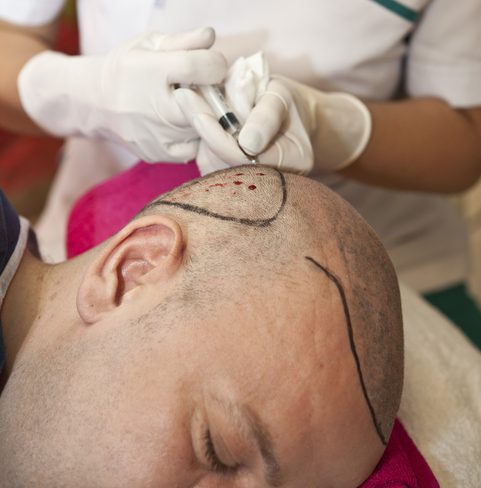
Male hair transplantation is a surgical procedure that relocates hair follicles from one part of the body (usually a denser area like the back or sides of the head) to the balding or thinning regions. The goal is to restore or enhance hair density, offering a natural-looking result.

Male hair transplantation has evolved over the years, offering more sophisticated methods and improved outcomes. For men grappling with hair loss, it presents an exciting avenue to regain not just hair but also confidence. However, it’s crucial to consult with experienced professionals, understand the procedure thoroughly, and set realistic expectations. With the right approach, hair transplantation can be a transformative experience.

boney-kapoor-hair-transplant-results-new

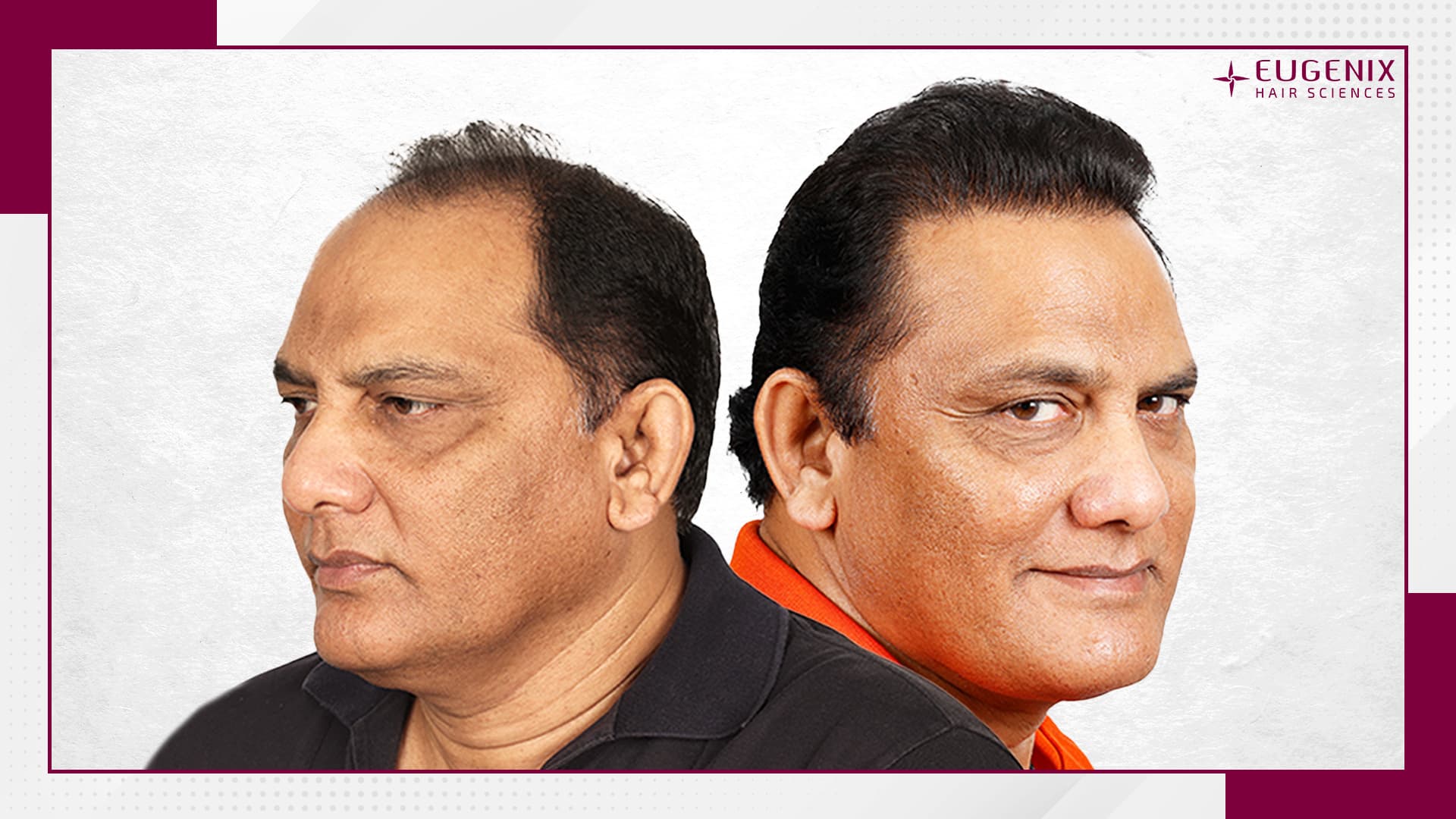
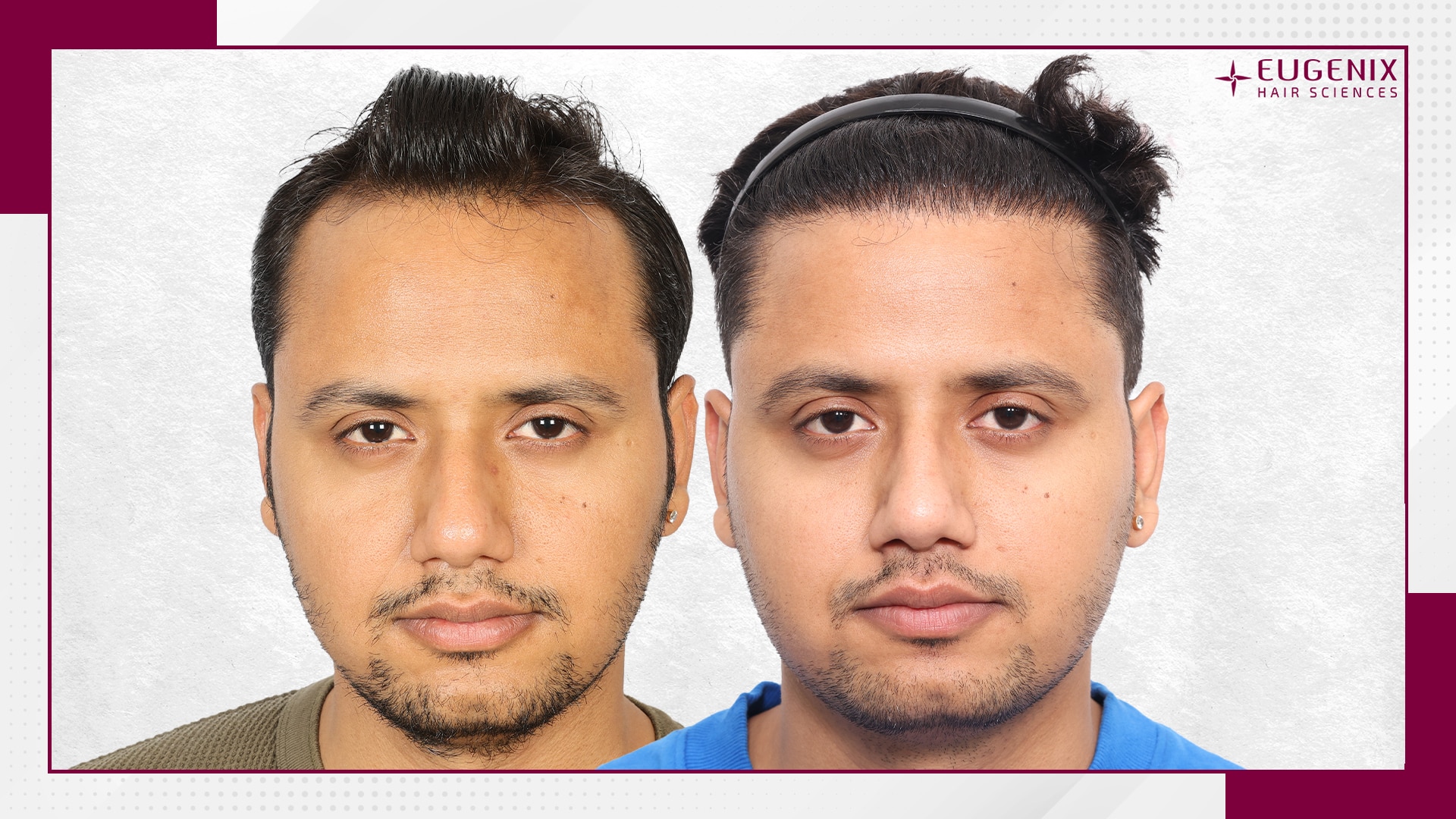
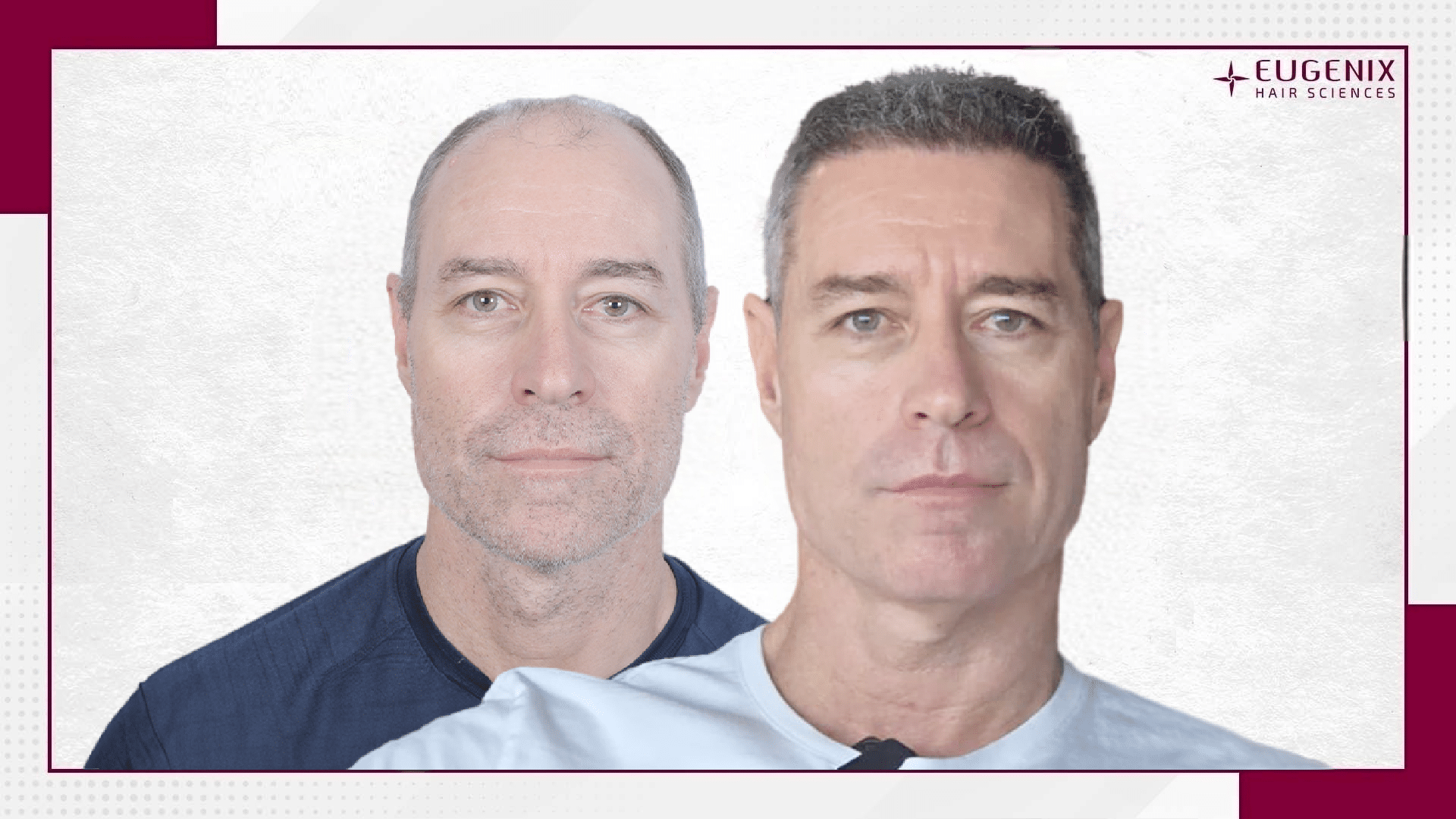
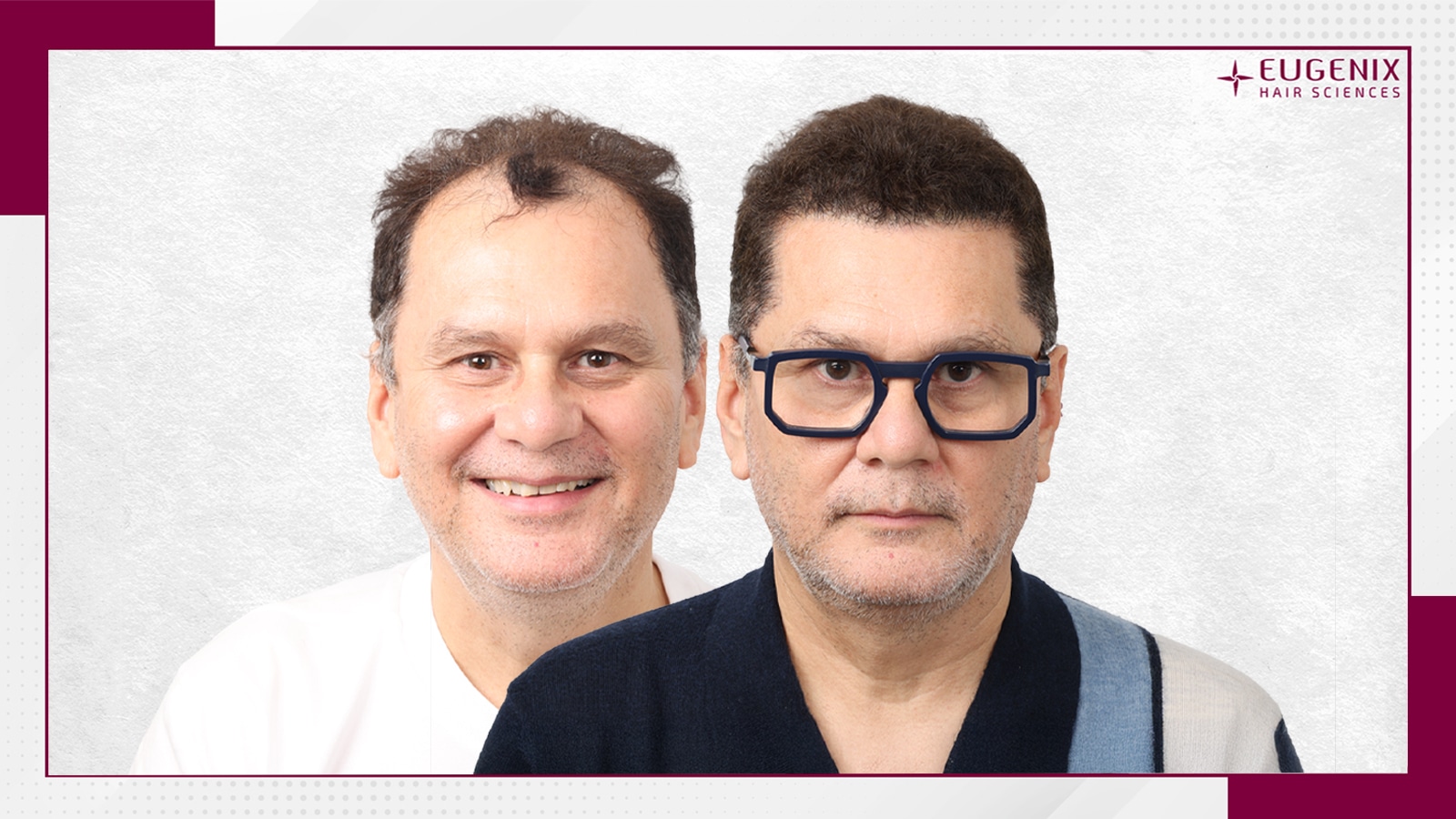
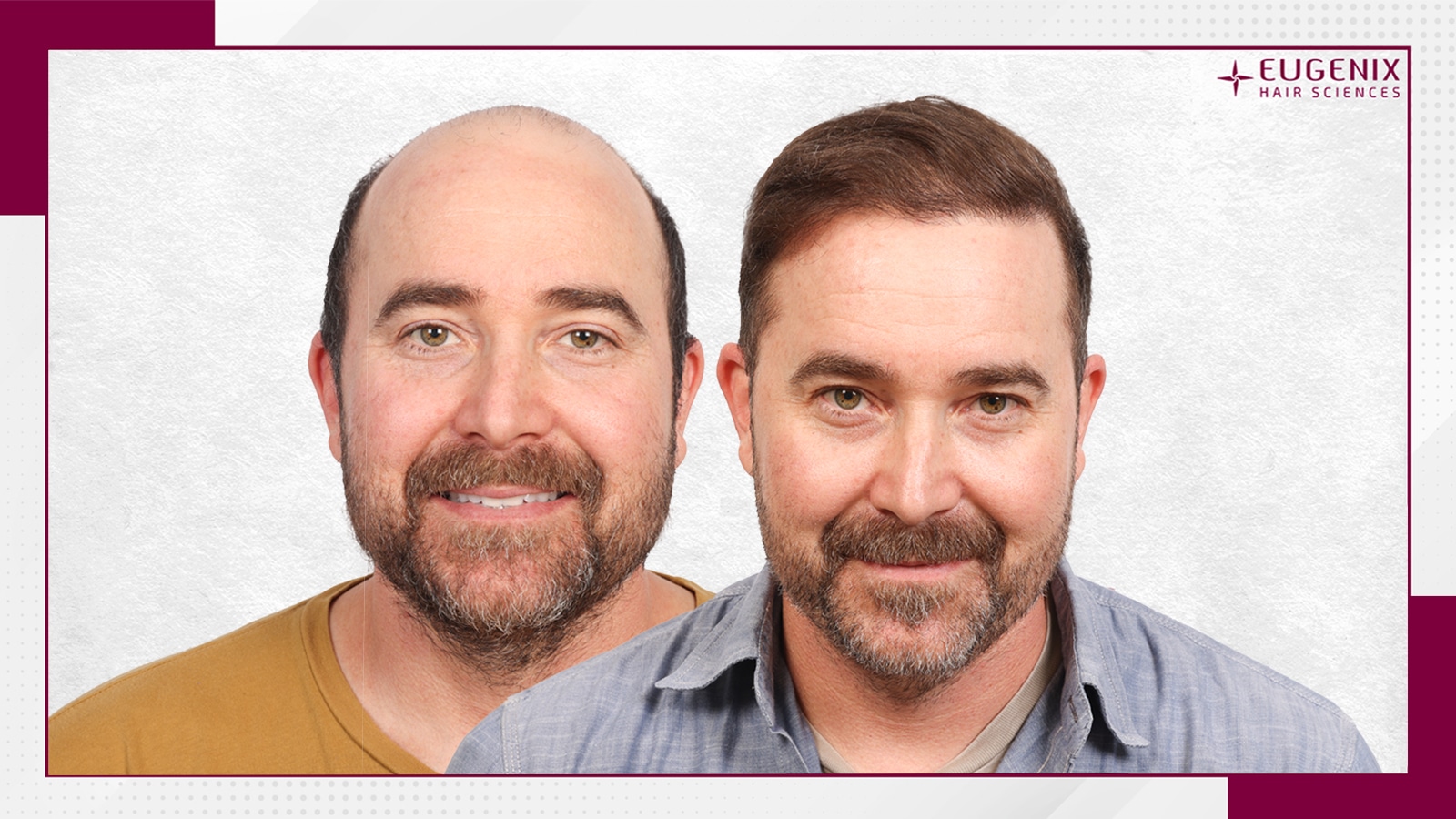
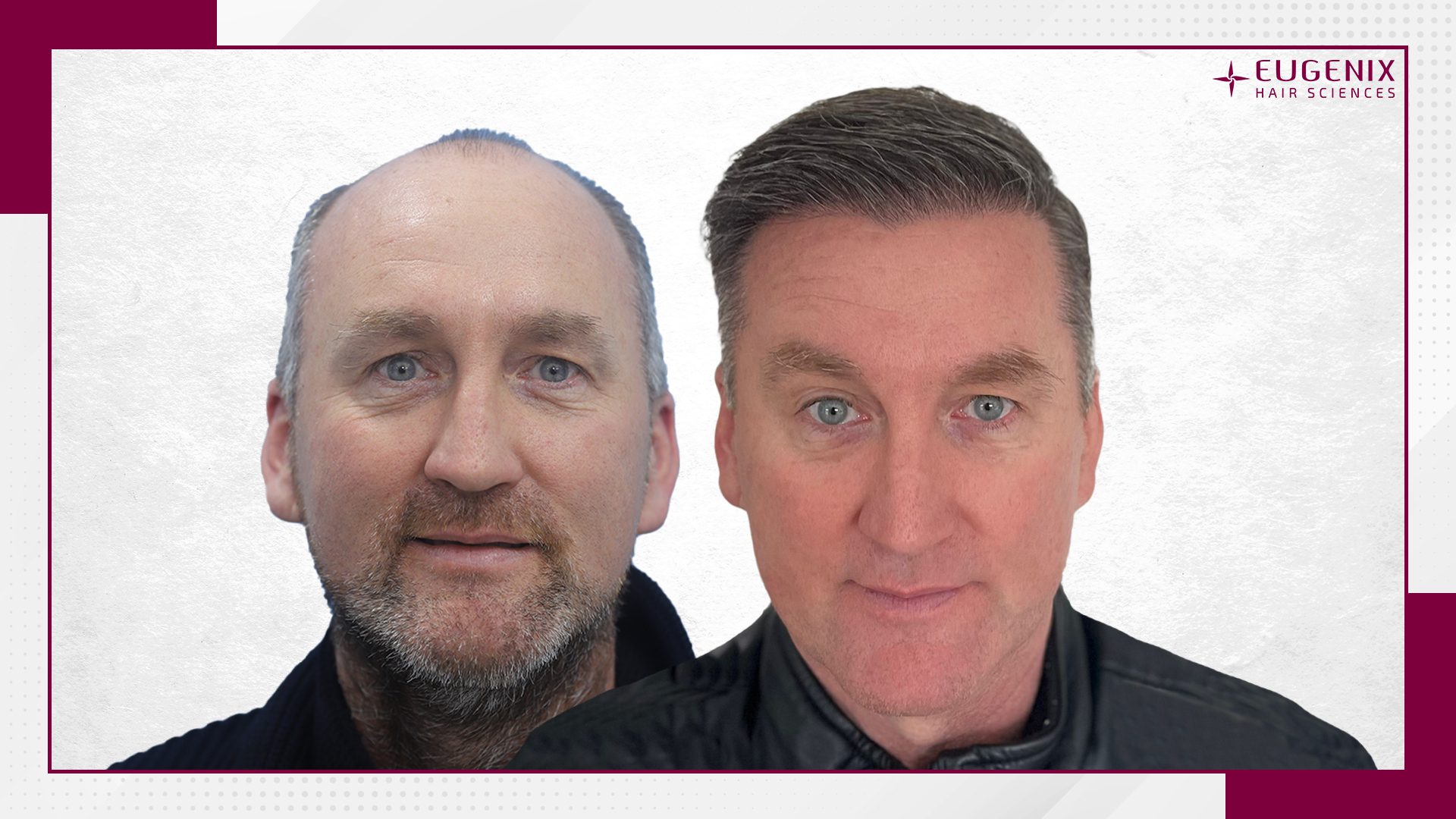
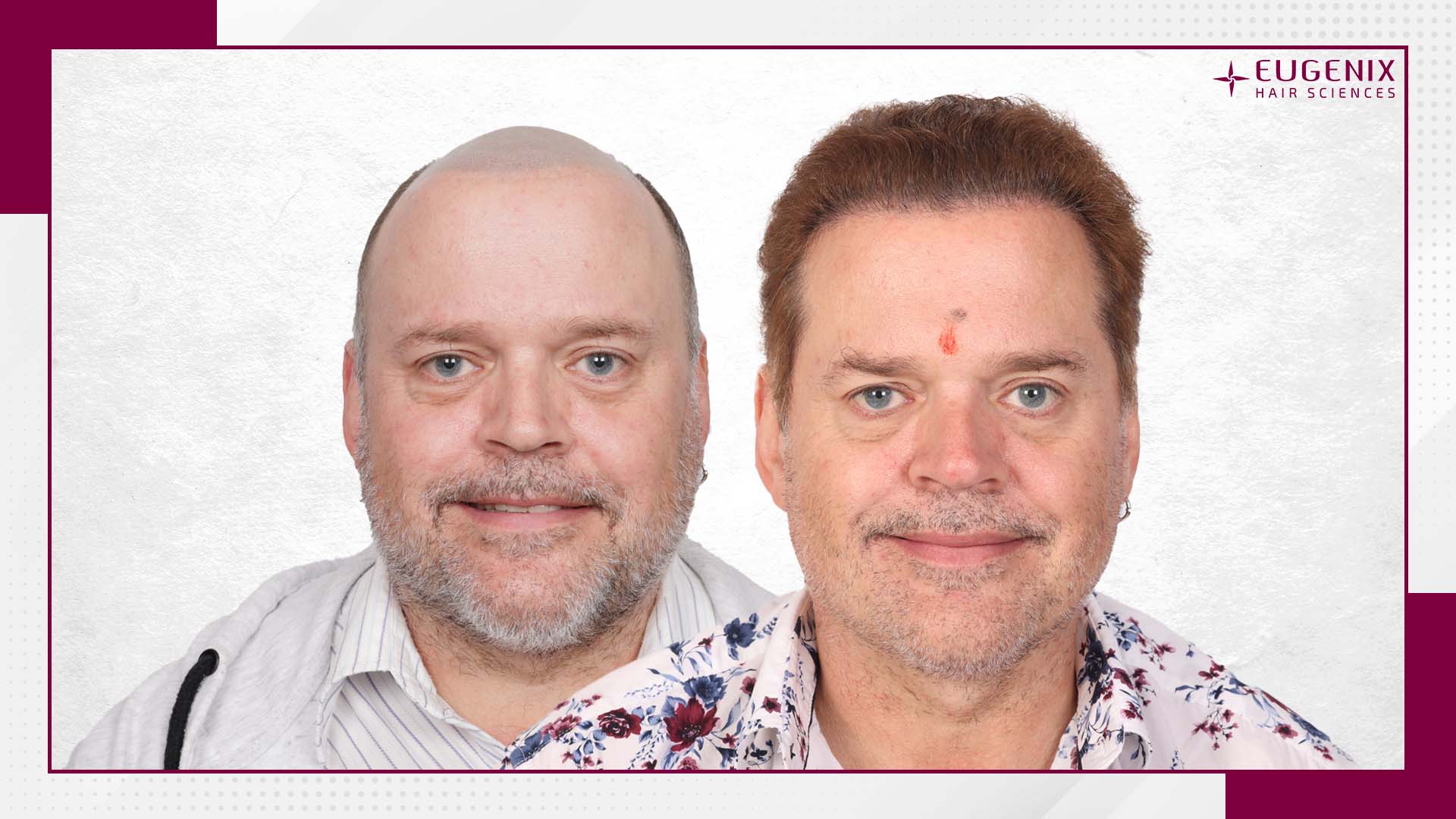
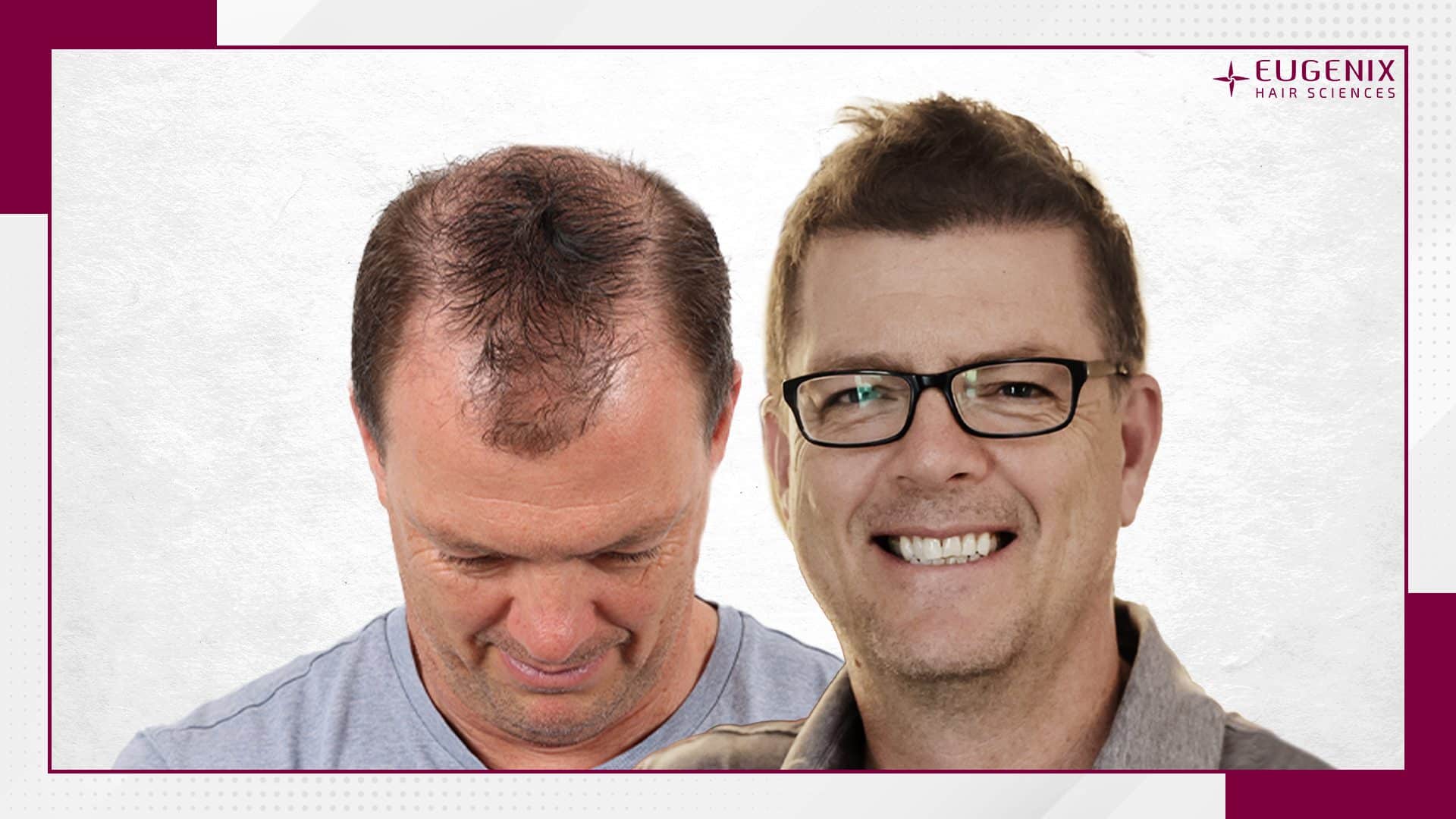
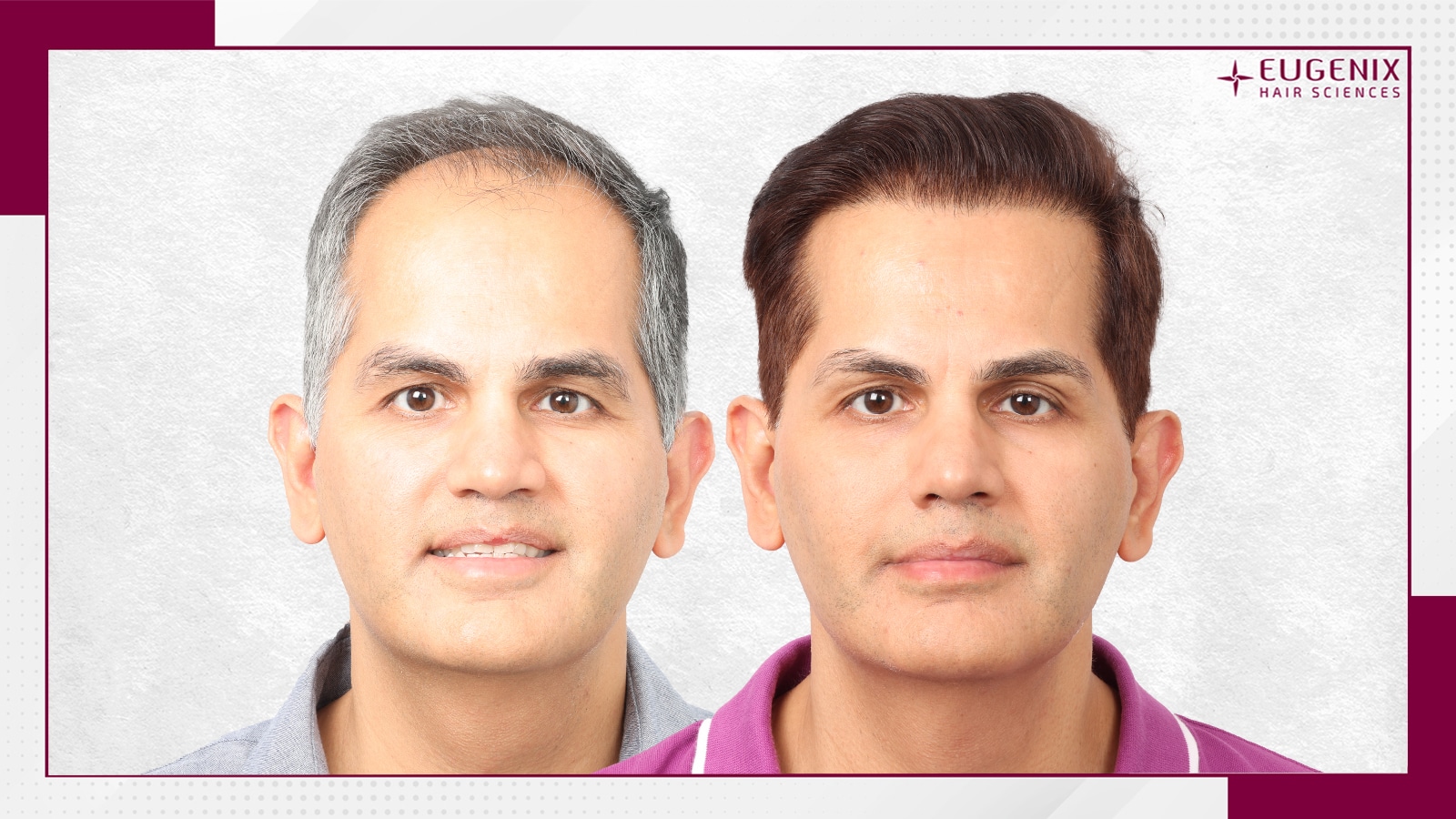
Before & After Images

‘Transforming Looks, Follicle by Follicle’.

Witness the astonishing results from our revolutionary Direct Hair Transplant (DHT) technique at our clinics.

With our state-of-the-art teams, instruments and processes, we ensure you are in the right place and in the right hands. The results speak for themselves. Take a look!

Who are the Ideal Candidates for Male Hair Transplant?

  • Significant Hair Loss: Men experiencing considerable hair thinning or bald patches are typically good candidates.
  • Sufficient Donor Hair: You need to have enough healthy hair follicles in the donor area to transplant.
  • Realistic Expectations: While hair transplants can deliver impressive results, it’s essential to have realistic expectations regarding density, coverage, and the potential need for future sessions.
  • Good Health: As with any surgical procedure, being in good overall health can improve recovery and outcomes.

Benefits of Having Male Hair Transplant

The advantages are numerous, including:

1. Regained self-worth and confidence.
2. A dense, natural-looking hairline and fuller hair.
3. Give you an attractive and youthful appearance.
4. Allows you the freedom to style and trim your hair.

male-hair-transplant-procedure

How is Male Hair Transplant Procedure Performed?

Surgeons at Eugenix Hair Sciences perform male hair transplants employing our primary technique, known as Direct Hair Transplant (DHT). It is a revolutionary variation of FUE hair transplant. The underpinning philosophy of DHT is to enhance the longevity and growth prospects of the extracted follicles.

By dramatically minimising the out-of-body time for each graft alongside their manipulation and exposure to ambient air, the DHT method ensures that these grafts remain in their prime state. A delightful aftermath of the DHT procedure is the increased survivability, swift recovery phase and numerous patients witnessing an impressive resurgence of hair growth shortly after their session.

At its core, the precise extraction of hair follicles from a designated donor area is facilitated using a dedicated and highly skilled team. The surgeon performing slits is assisted by a skilled team performing the extraction and implantation simultaneously.

Key Tips to Remember Before Opting for a Male Hair Transplant Procedure

  • Consultation First: Always start with a comprehensive consultation with a knowledgeable Counsellor. Click Here to schedule your consultation.
  • Realistic Expectations: Understand that results vary; maintain realistic expectations about the outcomes.
  • Research Your Surgeon: Ensure your chosen surgeon has a proven track record and appropriate credentials.
  • Understand the Methods: Familiarise yourself with FUE, DHT, and other transplant techniques to make an informed choice.
  • Post-Procedure Care: Be prepared for aftercare; follow guidelines diligently for optimal results. Our specialised E-Care Team will walk you through the post-procedure process one step at a time.
  • Avoid Harsh Treatments: Steer clear of hair treatments, dyes, or chemicals in the weeks leading up to the procedure.
  • Wear an open-buttoned shirt on the day of your procedure. It ensures your donor and recipient area is left undisturbed when you change your clothes after the procedure.
  • Limit Alcohol and Smoking: Reduce alcohol intake and refrain from smoking at least a week prior.
  • Health Check: Inform your surgeon about any medications or health conditions you have.
  • Budget Appropriately: Understand each tier and experience level of the surgeons from our Counsellors. This should help you identify your budget for the procedure.
  • Patience is Key: Results aren’t instantaneous. Give your scalp time to heal and your hair to grow. Understand the Shedding Phase that accompanies the period after the Hair transplant surgery.
  • Avoid Sun Exposure: Protect the scalp from direct sun exposure for 7 days after the procedure.
  • Ask Questions: Don’t hesitate to clarify any doubts with your Eugenix Counsellor; it’s essential to feel confident and informed.
  • Embrace the Journey: A hair transplant is not just a procedure but a journey towards renewed confidence. Embrace the process.
male-hair-transplant-cost

Male Hair Transplant Cost

Understanding the factors contributing to hair transplant costs and finding the right balance between quality and affordability is essential.

The cost of a male hair transplant may fluctuate from patient to patient, contingent upon the extent of hair loss and complexity of the process. Therefore, it’s imperative that you visit our clinic to obtain a precise pricing estimate.

There, an in-depth consultation with our expert doctors will clarify all your queries about hair transplant process and its cost.

Informative Videos
Life-Changing Results
boney-kapoor-hair-transplant-results-new
BeforeAfter
azhar-hair-transplant
BeforeAfter
Rajesh Yadav Front Before and After copy
BeforeAfter
Standard Before & After (3)
BeforeAfter
michael-bevan-hair-transplant-results-2
BeforeAfter
Anees-Bazmee-Front-Before-and-After-copy
BeforeAfter
Standard-Before-After
BeforeAfter
Elvish-Yadav-Hair-Transplant-Before-and-After-Results
BeforeAfter
Jax Austin (2)
BeforeAfter
Morne Van Wyk Website (1)
BeforeAfter
male-hair-transplant-before-and-after-3
BeforeAfter
Adrian Brown Body Hair Transplant
BeforeAfter
male-hair-transplant-before-and-after-10
BeforeAfter
male-hair-transplant-before-and-after-14
BeforeAfter
Girish Wadhwani (1)
BeforeAfter
Client Video Testimonials
Reviews on Google
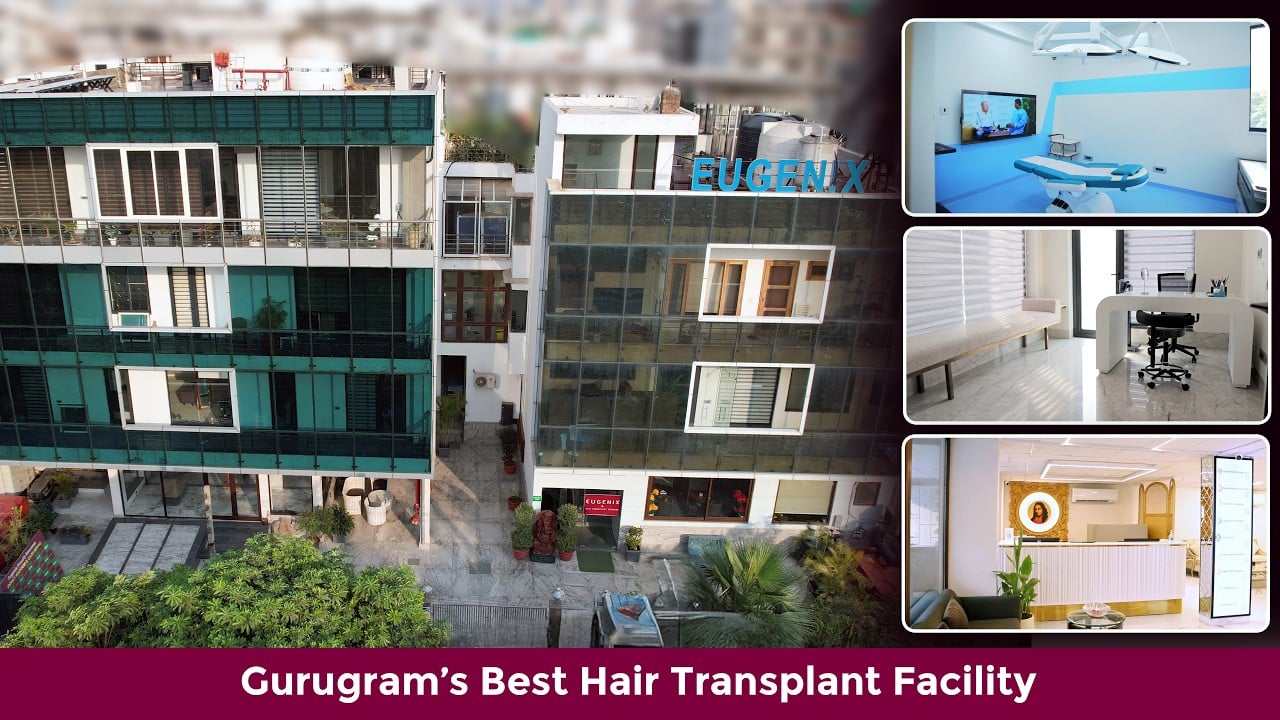
World-Class Infrastructure & Facilities
Why Choose Eugenix?

Trusted Choice of Celebrities, Cricketers and Business Leaders. Under the supervision of Dr. Pradeep Sethi & Dr. Arika Bansal, Eugenix offers international standards in Hair Transplant.

whychoose_icon_1
20,000+

Hair Transplant Procedures Performed

whychoose_icon_2
Free Assessment

Just a Phone Call or WhatsApp Away!

whychoose_icon_3
30+ Years Experience

in Hair Restoration Procedures

whychoose_icon_4
4.8 Google Ratings

From Happy Customers across the World

Frequently Asked Questions

A hair transplant is a permanent, minimally invasive surgical procedure designed to restore hair to areas of the scalp experiencing thinning or baldness. Unlike temporary solutions like wigs or concealers, a transplant utilizes your own living hair follicles to create natural, lifelong growth.

How it Works

The process relies on the principle of Donor Dominance. Hair follicles located at the back and sides of the scalp (the “Donor Zone”) are genetically resistant to DHT (Dihydrotestosterone), the hormone responsible for male pattern baldness.

When these follicles are relocated to thinning areas (the “Recipient Zone”), they retain their genetic resistance and continue to grow naturally for a lifetime.

The Eugenix Approach: DHT (Direct Hair Transplantation)

At Eugenix, we’ve evolved the standard FUE (Follicular Unit Extraction) into our proprietary DHT technique. This method minimizes the time the hair graft spends outside of the body. By reducing “out-of-body time” to nearly zero, we ensure:

  • Higher Graft Survival: Follicles remain hydrated and vital.
  • Faster Healing: Decreased trauma to the scalp.
  • Natural Density: Precision placement allows us to mimic your natural hair exit angles and distribution.

Determining candidacy is one of the most critical steps in the hair restoration journey. At Eugenix, we don’t just look at whether you have hair loss; we evaluate whether a transplant will provide a sustainable, lifelong result that ages gracefully with you.

A suitable candidate is generally defined by the following four pillars:

1. The Quality of the “Donor Bank”

The most vital factor is the availability of healthy, DHT-resistant hair follicles. These are typically harvested from the back and sides of the head.

  • High Density: Candidates with thick, robust donor hair can achieve greater coverage.
  • Alternative Donors: For patients with advanced hair loss, Eugenix specializes in using Body Hair Transplants (BHT)—utilizing beard or chest hair to supplement the scalp donor area when necessary.

2. The Extent of Hair Loss (The Norwood Scale)

We use the Norwood Scale to categorize the stage of male pattern baldness. While candidates at almost any stage (Grade 2 to Grade 7) can be treated, the strategy changes:

  • Early Stages (Grade 2-3): Focus is on hairline restoration and reinforcing the temporal peaks.
  • Advanced Stages (Grade 6-7): Focus shifts to strategic coverage and “Giga Sessions” to provide a full look despite significant loss.

3. Stability and Age

Age is more than just a number; it’s a predictor of future loss.

  • Under 25: We often advise caution or medical management first, as hair loss patterns may not be fully established.
  • Established Patterns: Candidates whose hair loss has stabilized—either naturally or through medication—are ideal, as this allows our surgeons to design a hairline that won’t look “isolated” if further native hair is lost.

4. Realistic Expectations and Health

A successful candidate understands that a transplant is about redistribution, not the creation of new hair. You are an ideal candidate if:

  • You have realistic goals regarding density versus coverage.
  • You are in good general health (controlled blood pressure, no active scalp infections).
  • You are committed to a long-term hair maintenance plan to protect your non-transplanted hair.

At Eugenix, we believe in using the most advanced, scientifically-backed methods to achieve high-density, natural-looking results. While several techniques have evolved over the decades, the choice of method significantly impacts both the survival of the hair grafts and the final aesthetic outcome.

Here is a breakdown of the primary hair transplant techniques available today:

1. DHT (Direct Hair Transplantation): The Eugenix Gold Standard

Developed and perfected by Dr. Pradeep Sethi and Dr. Arika Bansal, the DHT technique is an advanced evolution of the FUE method. It is designed to maximize graft survival by minimizing the “out-of-body” time.

  • How it Works: In a simultaneous process, hair follicles are extracted and then immediately implanted into the recipient area.
  • The Key Advantage: By reducing the time a follicle spends outside the body to nearly zero, the graft remains hydrated and vital. This leads to near-100% graft survival and faster healing.
  • Precision: This technique allows for meticulous control over the angle, depth, and direction of each hair, ensuring a seamless, natural-looking hairline.

2. FUE (Follicular Unit Extraction)

FUE is a modern, minimally invasive technique where individual follicular units are extracted from the donor area (usually the back of the head) using a specialized micro-punch tool.

  • The Process: Unlike older methods, FUE does not require a large linear incision. Each graft is removed one by one, leaving tiny, dot-like scars that are virtually invisible, even with short hair.
  • The Result: It is the preferred method for those who want to avoid a “strip scar” and seek a quicker recovery time.

3. BHT (Body Hair Transplant)

For patients with advanced baldness (Norwood Grade 6 or 7) who have limited scalp donor hair, Body Hair Transplantation is a revolutionary solution.

  • How it Works: Using the FUE or DHT method, we harvest follicles from other parts of the body, most commonly the beard, followed by the chest or even the back.
  • Why it Matters: Beard hair is particularly robust and can provide excellent density and volume when mixed with scalp hair. This allows us to provide full coverage even for patients who were previously told they weren’t candidates for a transplant.

4. FUT (Follicular Unit Transplantation): The “Strip” Method

FUT is an older, more traditional technique that involves removing a thin strip of skin from the donor area.

  • The Process: The strip is then dissected into individual follicular units under a microscope for implantation.
  • The Drawback: While it can harvest many grafts in one go, it leaves a permanent linear scar at the back of the head and involves a longer, more painful recovery period.
  • Note: At Eugenix, we predominantly focus on the more advanced, scar-less DHT and FUE techniques to prioritize patient comfort and aesthetic freedom.

Which Technique is Right for You?

The “best” technique depends entirely on your degree of hair loss, the quality of your donor hair, and your desired outcome. During your consultation, we use high-definition imaging to determine the most effective strategy for your specific scalp biology.


This is one of the most common concerns for patients, and it’s important to address it with both transparency and reassurance. At Eugenix, we prioritize patient comfort as much as the aesthetic outcome.

The short answer is: No, the procedure itself is not painful. Here is a detailed look at how we ensure a comfortable, pain-free experience from start to finish:

1. Advanced Local Anesthesia

Before the procedure begins, we apply a local anesthetic to the donor and recipient areas. This numbs the scalp completely.

  • The “Pinch” Factor: You may feel a few minor pricks during the initial administration of the anesthesia, similar to a standard dental injection, but these last only a few seconds.
  • Total Numbness: Once the anesthetic takes effect, you will not feel any pain, tugging, or discomfort during the extraction or implantation phases.

2. Comfort During the Procedure

A typical hair transplant at Eugenix can last several hours, especially for “Giga Sessions.” We’ve designed our environment to be as relaxing as possible:

  • Entertainment: Many of our patients spend the time watching movies, listening to music, or even chatting with the surgical team.
  • Breaks: You are welcome to take breaks for lunch or to stretch your legs.
  • Napping: It is very common for patients to actually fall asleep during the implantation phase because the process is so non-invasive and quiet.

3. Post-Procedure Sensitivity

Once the anesthesia wears off (usually a few hours after the surgery), you might feel some mild tightness or “soreness” in the scalp, similar to a mild sunburn.

  • Management: We provide a detailed post-operative kit that includes mild pain relievers. Most patients find that they only need these for the first 24 to 48 hours.
  • Minimal Trauma: Because our DHT (Direct Hair Transplantation) technique uses specialized micro-punches, the trauma to the skin is significantly less than traditional methods, leading to a much faster and more comfortable healing process.

4. Psychological Comfort: “The Eugenix Touch”

We understand that surgery can be nerve-wracking. Our team is trained to provide constant support, explaining each step as we go. We monitor your comfort levels throughout the day and can top up the local anesthesia if you begin to feel even the slightest sensation.

The duration of a hair transplant is not a “one size fits all” answer. At Eugenix, the time spent in the procedure room is a direct reflection of the precision, artistry, and volume required to achieve your specific goals.

On average, a hair transplant procedure can take anywhere from 4 to 6 hours for a single day, though more extensive cases may span multiple days.

Factors That Determine the Duration

The timeline of your surgery is primarily influenced by three main factors:

  • Number of Grafts: This is the biggest variable. A minor hairline refinement (1,500–2,000 grafts) may be completed in 4–5 hours. However, high-density “Giga Sessions” for advanced baldness (4,000–6,000+ grafts) typically require two or even three consecutive days of work.
  • Source of Donor Hair: Harvesting from the scalp is generally faster than harvesting from the beard or chest (Body Hair Transplant). If we are combining multiple donor sites to achieve maximum coverage, the extraction process takes more time and meticulous care.
  • The DHT Technique: Unlike traditional FUE, where all grafts are extracted first and then implanted later, our Direct Hair Transplantation (DHT) technique often involves a simultaneous approach to minimize “out-of-body” time. This ensures maximum graft survival but requires a highly coordinated, steady pace by our surgical team.

A Typical Day at the Clinic

We treat the procedure day as a journey, not a race. Here is what you can expect:

  1. Design & Preparation (30–60 mins): We finalize the hairline design and prep the donor area. This is a collaborative phase where we ensure you are happy with the artistic plan.
  2. Extraction & Implantation (The Bulk of the Day): This is the active surgical phase. Because we prioritize comfort, we include breaks for:
  3. Lunch & Refreshments: A nutritious meal is provided to keep your energy up.
  4. Stretch Breaks: You are never “trapped” in the chair; we encourage movement to keep you comfortable.
  5. Post-Op Briefing (20 mins): Once the last graft is placed, we walk you through your immediate aftercare instructions and provide your post-op kit.

Quality Over Speed

While we utilize an efficient team of experts, we never rush the process. Every follicle is a finite resource. Whether it takes six hours or sixteen, our priority is the integrity of the donor area and the naturalness of the final result.

This is one of the most important questions for anyone considering a hair transplant. The short answer is yes, a hair transplant is considered a permanent solution, but understanding why and how it remains permanent is key to managing your long-term results.

Here is the scientific and clinical breakdown of why a hair transplant at Eugenix offers lifelong value:

1. The Science of “Donor Dominance”

The permanency of a transplant is based on a biological principle called Donor Dominance.

  • The “Safe Zone”: Hair follicles located at the back and sides of your head (the donor area) are genetically programmed to be resistant to DHT (Dihydrotestosterone), the hormone responsible for male pattern baldness.
  • Memory: When these follicles are transplanted to a thinning or bald area, they do not “learn” to fall out just because they are in a new location; they continue to grow as they would have in their original spot, for the rest of your life.

2. The “Shedding Phase” vs. Permanent Growth

It is vital to distinguish between temporary shedding and permanent loss:

  • Shock Loss (2-4 Weeks Post-Op): Most patients experience a temporary shedding of the shaft of the transplanted hair. This is a normal part of the healing process.
  • New Growth (3-4 Months Post-Op): The living follicle remains healthy beneath the skin. After a resting phase, it begins to produce new, permanent hair that will thicken and mature over 12 to 18 months.

3. Protecting Your “Native” Hair

While the transplanted hair is permanent, your original (native) hair in the surrounding areas may still be susceptible to future loss if your male pattern baldness is not yet stable.

  • The “Isolated Island” Effect: If you lose more native hair behind your transplant, the results may look unnatural over time.
  • Long-Term Strategy: At Eugenix, we design hairlines with the future in mind. We often recommend medical management (like Finasteride or Minoxidil) to preserve your existing hair and ensure your transplant looks seamless as you age.

4. The Precision of the DHT Technique

The longevity of a transplant also depends on the health of the graft during the procedure. Our Direct Hair Transplantation (DHT) technique ensures that:

  • Grafts spend almost very little time outside the body.
  • Grafts remain hydrated and vital, leading to higher survival rates.
  • The “Donor Bank” is managed conservatively, ensuring you have enough hair for future touch-ups if your natural hair loss progresses decades later.

The hallmark of a world-class hair transplant is that it should be completely undetectable. At Eugenix, our philosophy is that if someone can tell you’ve had a transplant, the procedure hasn’t met our standards.

Achieving a natural look is a blend of advanced medical science and high-level artistry. Here is how we ensure your results look like the hair you were born with:

1. Artistic Hairline Design

A natural hairline is never a straight line. We design “irregularly regular” hairlines that mimic the soft, staggered patterns found in nature.

  • The Micro-Macro Jaggedness: We use a specialized technique to create tiny indentations and protrusions along the hairline, avoiding the “doll’s hair” or “wall-like” appearance seen in lower-quality transplants.
  • The Transition Zone: We place the finest, single-hair follicles at the very front to create a soft “feathered” edge, gradually increasing density as we move back.

2. Precise Angulation and Direction

Hair doesn’t just grow “up.” Every area of the scalp has a specific exit angle and direction (swirls, cowlicks, and forward-leaning slopes).

  • Custom Implantation: Our surgeons meticulously match the angle of the implanted grafts to your existing hair.
  • Natural Flow: This ensures that when your hair grows out, it combs, styles, and flows naturally with your native hair.

3. The DHT Technique

The Direct Hair Transplantation (DHT) technique is pivotal for naturalness. Because we minimize the time the hair spends outside the body, the grafts remain robust and healthy.

  • Maximum Survival: High graft survival allows us to achieve the “optical density” required to make the scalp look full, even under bright lights.
  • Seamless Integration: By using your own live follicles, the texture, color, and curl of the transplanted hair perfectly match your existing hair.

4. Strategic Donor Management

A natural look also depends on the donor area looking untouched.

  • No Linear Scars: Because we use FUE and DHT, there are no unsightly “strip” scars at the back of your head.
  • Diffused Extraction: We harvest grafts in a scattered pattern, ensuring that even if you wear your hair very short, the donor area remains thick and uniform.

5. Aging Gracefully

A hairline that looks good at 25 might look unnatural at 55. We design hairlines with longevity in mind. We account for future facial changes and potential further hair loss, ensuring that your transplant remains an asset as you age.

Recovery after a hair transplant is often much faster and smoother than patients expect. Because the DHT (Direct Hair Transplantation) technique is minimally invasive, the “downtime” is more about social discretion and protecting the new grafts than it is about physical recovery.

Here is a step-by-step breakdown of what to expect during the healing journey:

Phase 1: The First 48 Hours (The “Protection” Phase)

The first two days are the most critical for graft “anchoring.”

  • Minimal Discomfort: Any slight tightness or soreness can be easily managed with the mild pain relievers provided in your post-op kit.
  • The Bandage: You will leave the clinic with a surgical headband or light dressing to prevent swelling.
  • Sleeping: We recommend sleeping with your head slightly elevated (at a 45-degree angle) using a travel pillow to minimize forehead swelling.

Phase 2: Days 3 to 7 (The “Healing” Phase)

During this week, the tiny incisions made during extraction and implantation begin to close.

  • Crust Formation: Small, sand-like scabs will form around each graft. This is a sign of healthy healing.
  • Washing: You will begin a specific washing routine. At Eugenix, we provide detailed instructions on how to gently “dab” the area with a specialized foam to keep it clean without dislodging the grafts. You can also come in to the clinic and we’ll do it for you.
  • Return to Work: Most patients return to desk jobs or “work from home” within 2 to 3 days. If you prefer to keep the procedure private, you might wait 7 days until the initial redness subsides.

Phase 3: Days 10 to 14 (The “Clean Slate” Phase)

By the end of the second week, the grafts are permanently anchored.

  • Scab Removal: Following our protocol, you will gently massage away the remaining crusts. Underneath, you’ll see the short “stubble” of your new hair.
  • Exercise: You can typically resume light exercise (walking, yoga) at day 10 onwards.

Phase 4: Weeks 3 to 8 (The “Shedding” Phase)

This is the most misunderstood part of the process, you may notice something often called “Shock Loss.”

  • Temporary Shedding: The temporary hair shafts will fall out. Do not panic! This is a natural physiological response. The living follicle remains healthy and dormant beneath the skin.
  • The “Ugly Duckling” Stage: Your scalp may look much like it did before the transplant during this brief period as the follicles prepare for new growth.

Phase 5: Months 3 to 12 (The “Growth” Phase)

  • Month 3-4: Fine, baby-like hairs begin to sprout.
  • Month 6: You will see about 50-60% of the final result. The hair begins to thicken and gain pigment.
  • Month 12-18: The final result is achieved. The hair has reached its full density, texture, and length.

The Eugenix Post-Op Kit

We don’t just send you home; we provide you with everything you need for a seamless recovery. Our Eugenix Care team will also remain in touch with you throughout this time to walk you through this. 

While hair transplantation is a minimally invasive, outpatient procedure with an extremely high safety profile, it is still a surgical intervention. At Eugenix, we believe in complete transparency. Understanding the potential risks, and more importantly, how we mitigate them, is essential for any patient.

Here is a breakdown of the common side effects and the rare complications associated with the procedure:

1. Common and Temporary Side Effects

These are not “complications” but rather a normal part of the body’s healing response. They typically resolve within a few days:

  • Minor Swelling: Some patients experience swelling around the forehead or eyes in the first 2–4 days. 
  • Itching: As the tiny incisions heal, the scalp may feel itchy. We provide a saline spray and specific oils to keep the scalp hydrated and soothe any irritation.
  • Folliculitis: Occasionally, as new hairs begin to sprout (around month 3), you may rarely see small, pimple-like bumps.These are usually temporary and easily treated with warm compresses or mild topical creams.

2. Potential Clinical Risks (and how we prevent them)

While rare, these risks are inherent to any procedure involving the skin. Our protocols are designed to reduce these risks to near-zero:

  • Infection: This is extremely rare in a modern clinic. We maintain a sterile, hospital-grade surgical environment and provide a short course of prophylactic antibiotics.
  • Shock Loss: This refers to the temporary shedding of original (native) hair near the transplant site due to surgical “stress.” At Eugenix, our DHT technique uses microscopic precision to avoid traumatizing existing follicles, and we often recommend medical management to strengthen native hair before and after the procedure.
  • Poor Graft Survival: If grafts are handled poorly or kept outside the body for too long, they may not grow. This is why we use the Direct Hair Transplantation (DHT) method, which ensures follicles are implanted almost immediately after extraction, leading to industry-leading survival rates.

3. Aesthetic Risks

The most common “complication” in the industry isn’t medical, it’s poor aesthetic design.

  • Unnatural Hairlines: Many clinics use robotic or “straight-line” patterns that look artificial.
  • Donor Depletion: Over-harvesting the donor area can leave the back of the head looking thin or “moth-eaten.”
  • The Eugenix Mitigation: Our surgeons are internationally recognized for their artistry. We use High-Definition Trichoscopy to map your donor area, ensuring we never over-harvest and always create a hairline that looks natural even under close inspection.

Our “Safety First” Protocol

To ensure you are a safe candidate for surgery, we conduct a thorough pre-operative screening, including:

  • A complete medical history and blood panels.
  • Assessment of scalp health (to rule out conditions like Alopecia Areata or scarring alopecias).
  • Continuous monitoring throughout the procedure.
Related Blogs
Giga Hair Transplant Sessions for Advanced Hair Loss | Maximum Grafts, Naturally Fuller Hair
20 Jan 2026

Restore extensive baldness with Giga hair transplant sessions offering maximum graft survival, natural hairlines and dense, permanent hair restoration.

How the Mantis Microscope Enables Precision and Natural Results in Hair Transplants at Eugenix Hair Sciences
12 Mar 2026

At Eugenix Hair Sciences, we don’t chase shortcuts. We chase outcomes, and outcomes come from details. In the hands of our Hair Experts, the Mantis microscope isn’t just a lens.

What’s Trending in Hair Restoration in 2026
05 Feb 2026

In a world where trends shift fast and gimmicks rise even faster, the clinics that matter are the ones rooted in balanced judgment. Where technology enhances skill, not replaces it.

Hair Transplant Clinic India Locations

Gurugram:
934 & 935P, Opp. Amity International School, Sector 51, Gurugram, Haryana - 122018

Hyderabad:
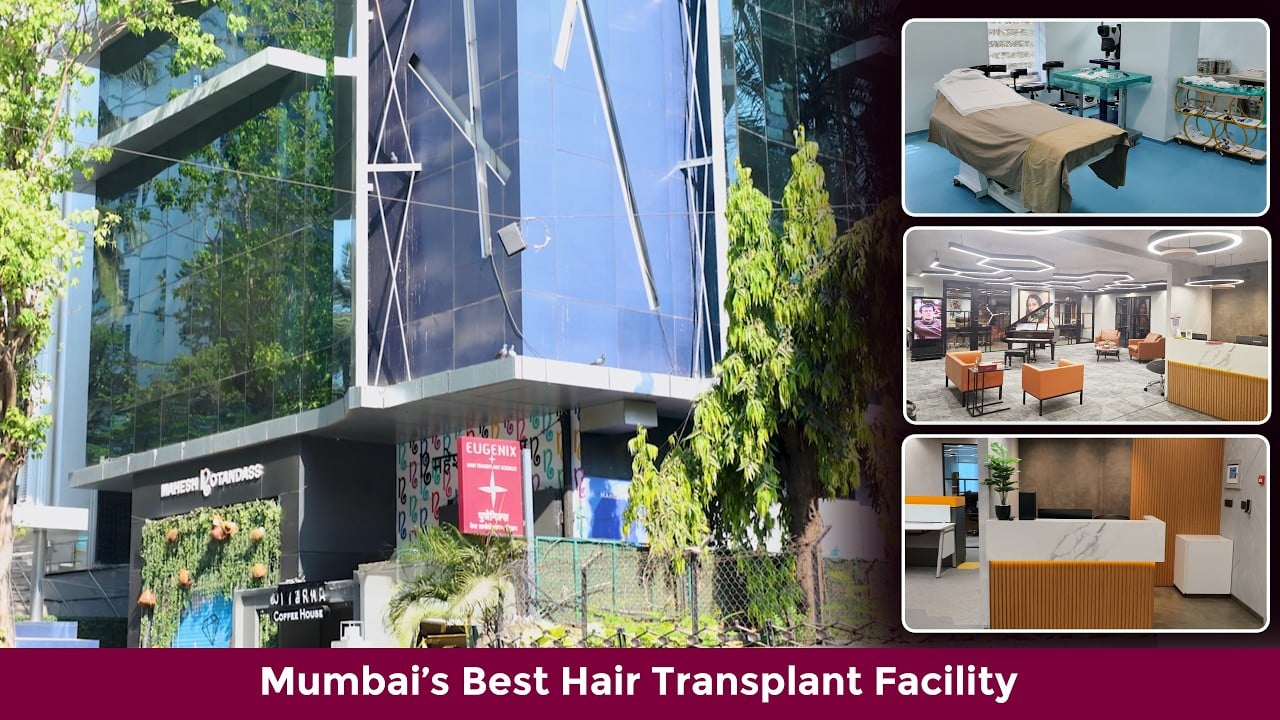
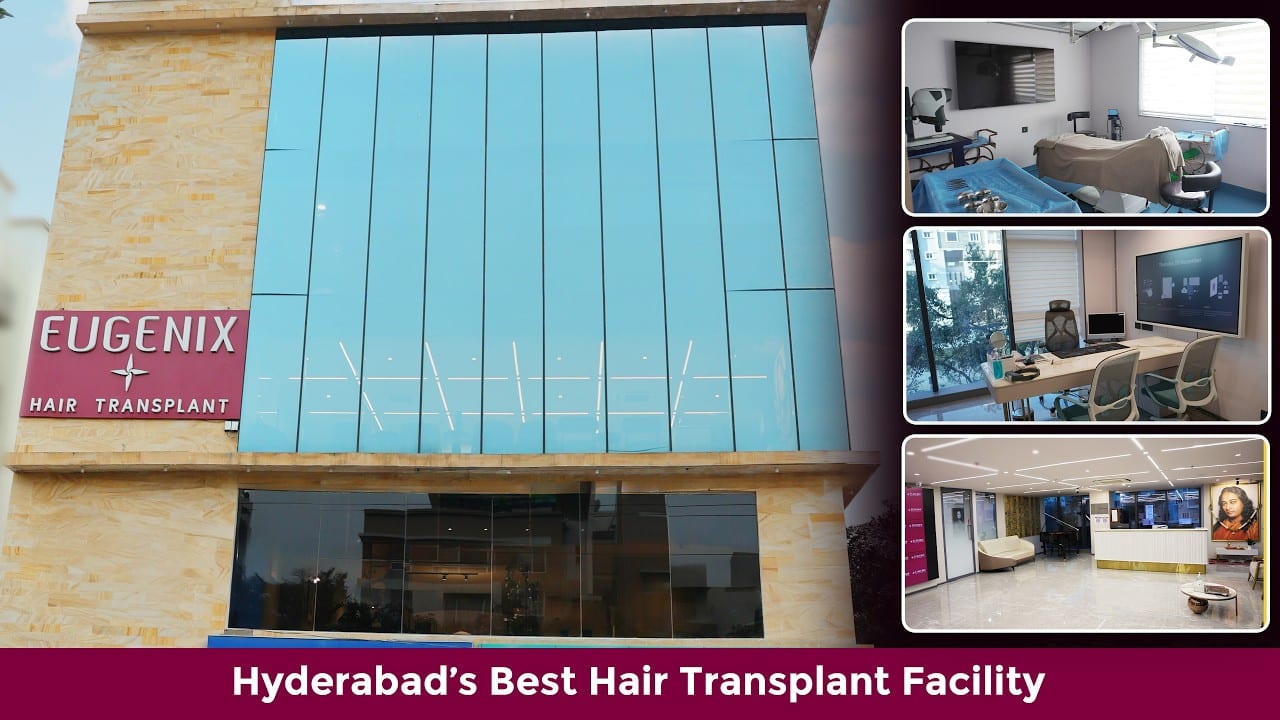
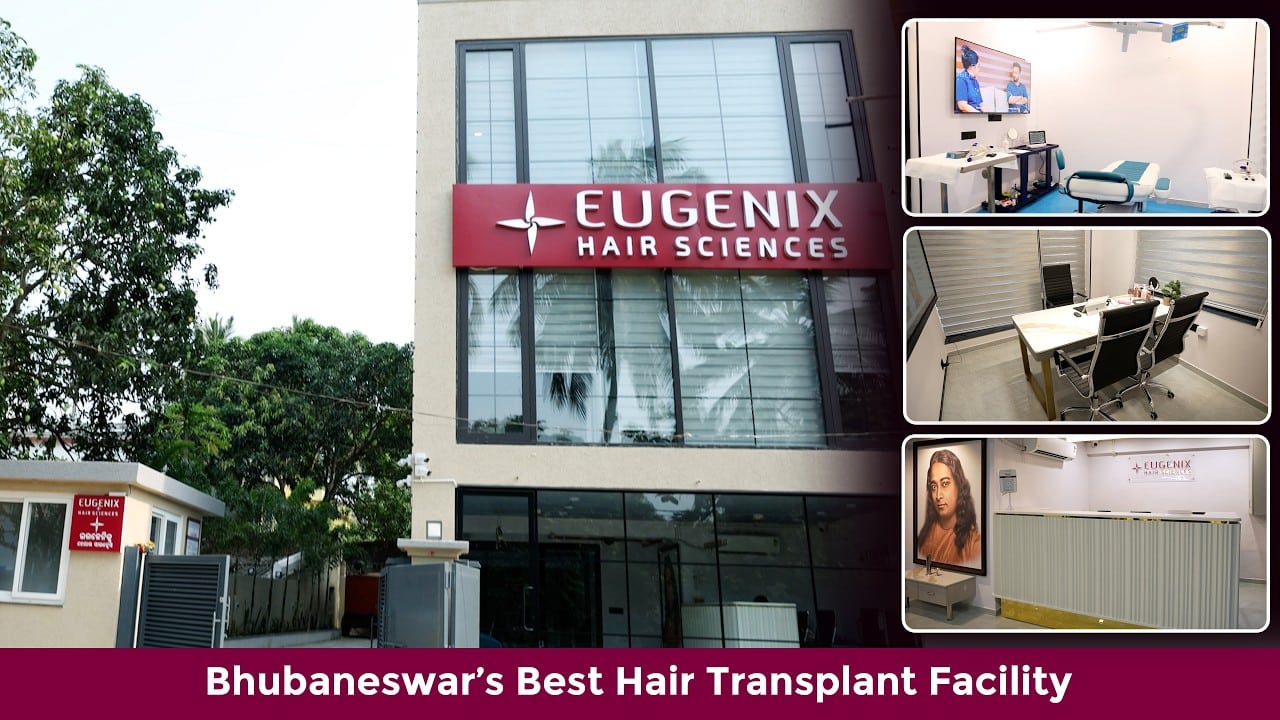
2nd Floor, Mahathi Towers, Novotel Hotel Road, Izzathnagar, Shilpa Hills, Hyderabad, Telangana - 500084

Mumbai:
3rd Floor, Notan Plaza, 898, Turner Rd, Bandra West, Mumbai, Maharashtra - 400050

Bhubaneswar:
Plot 39-C, VIP Colony, IRC Village, Nayapalli, Bhubaneswar, Odisha - 751015

Book an
Appointment
Graft
Calculator
🇺🇸 English 🇩🇪 Deutsch 🇫🇷 Français 🇪🇸 Español 🇮🇹 Italiano