Before & After Images Book a Free Assessment Graft Calculator

Moustache Hair Transplant

Are you longing for a fuller and more defined moustache to complement your style? Our Moustache Hair Transplant service offers a revolutionary solution to transform your facial appearance.

moustache hair transplant

Moustache Hair Reconstruction

Are you longing for a fuller and more defined moustache to complement your style? Our Moustache Hair Transplant offers a revolutionary solution to transform your facial appearance.

A Moustache Hair Transplant is a meticulous procedure designed to enhance the density and shape of your moustache, providing a natural and aesthetically pleasing result. At Eugenix, we take pride in our innovative Direct Hair Transplant (DHT) Technique, which sets us apart in the field of hair restoration.

The DHT Technique at Eugenix involves:

This cutting-edge approach ensures precision, natural-looking results, and minimal downtime. Our skilled surgeons meticulously craft the moustache design, considering your facial features and desired style to achieve a personalised and authentic appearance.

Why choose Eugenix for your Moustache Hair Transplant?

Embark on your journey to a more confident and stylish you with Eugenix Hair Sciences.

Choose us for a Moustache Hair Transplant that meets and exceeds your expectations. Rediscover your facial charm and make a statement with a moustache that reflects your unique personality.

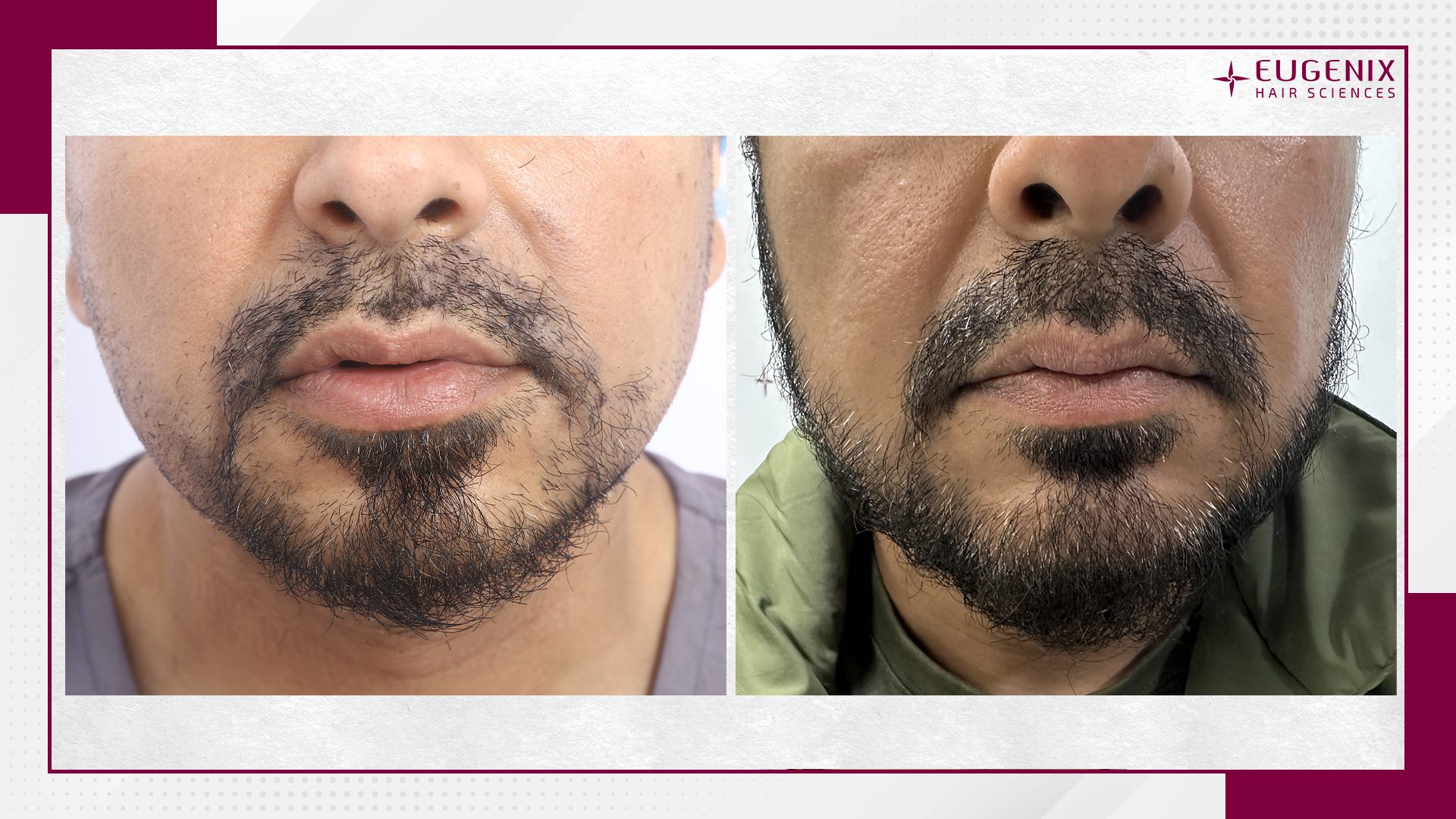
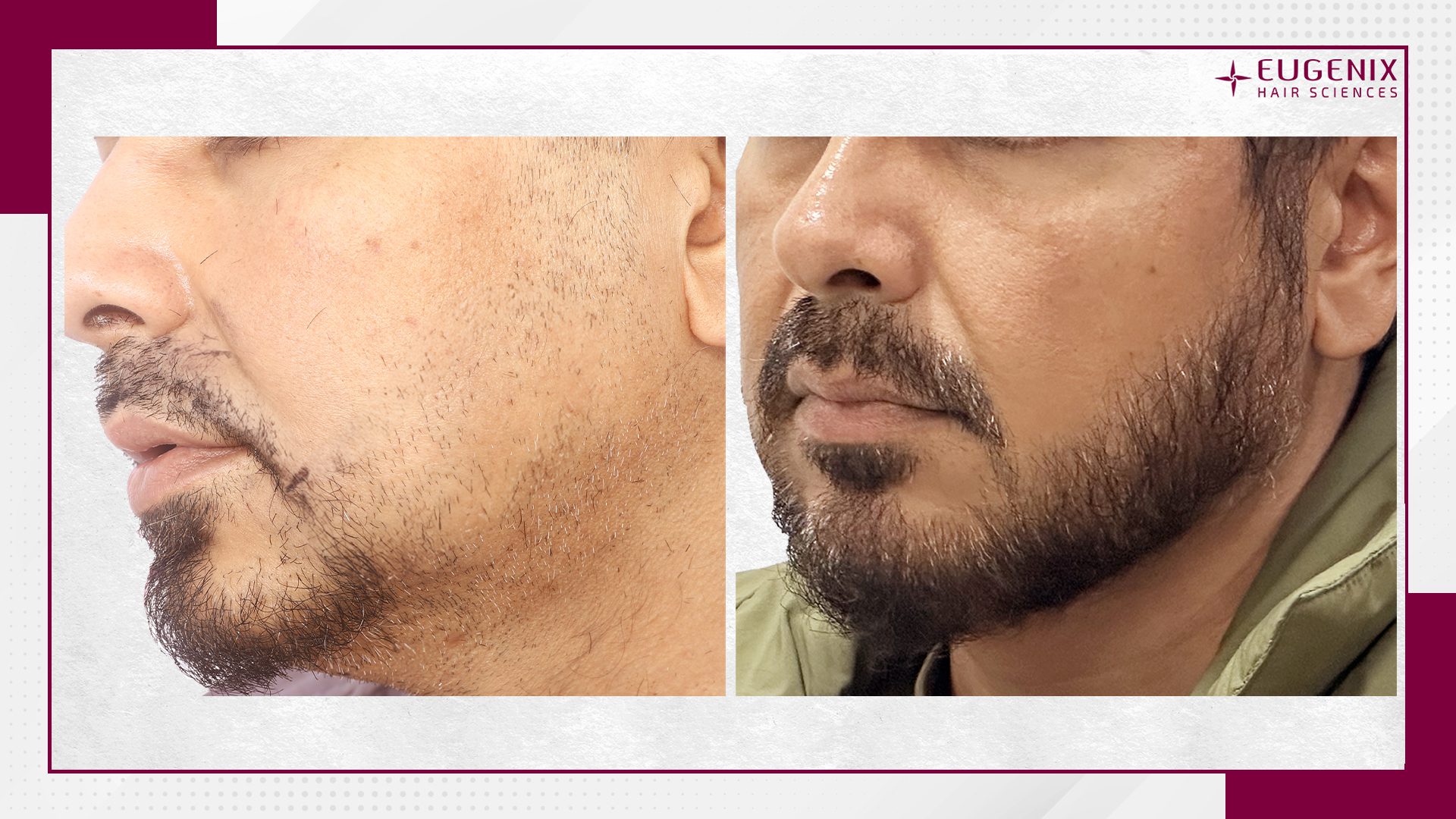
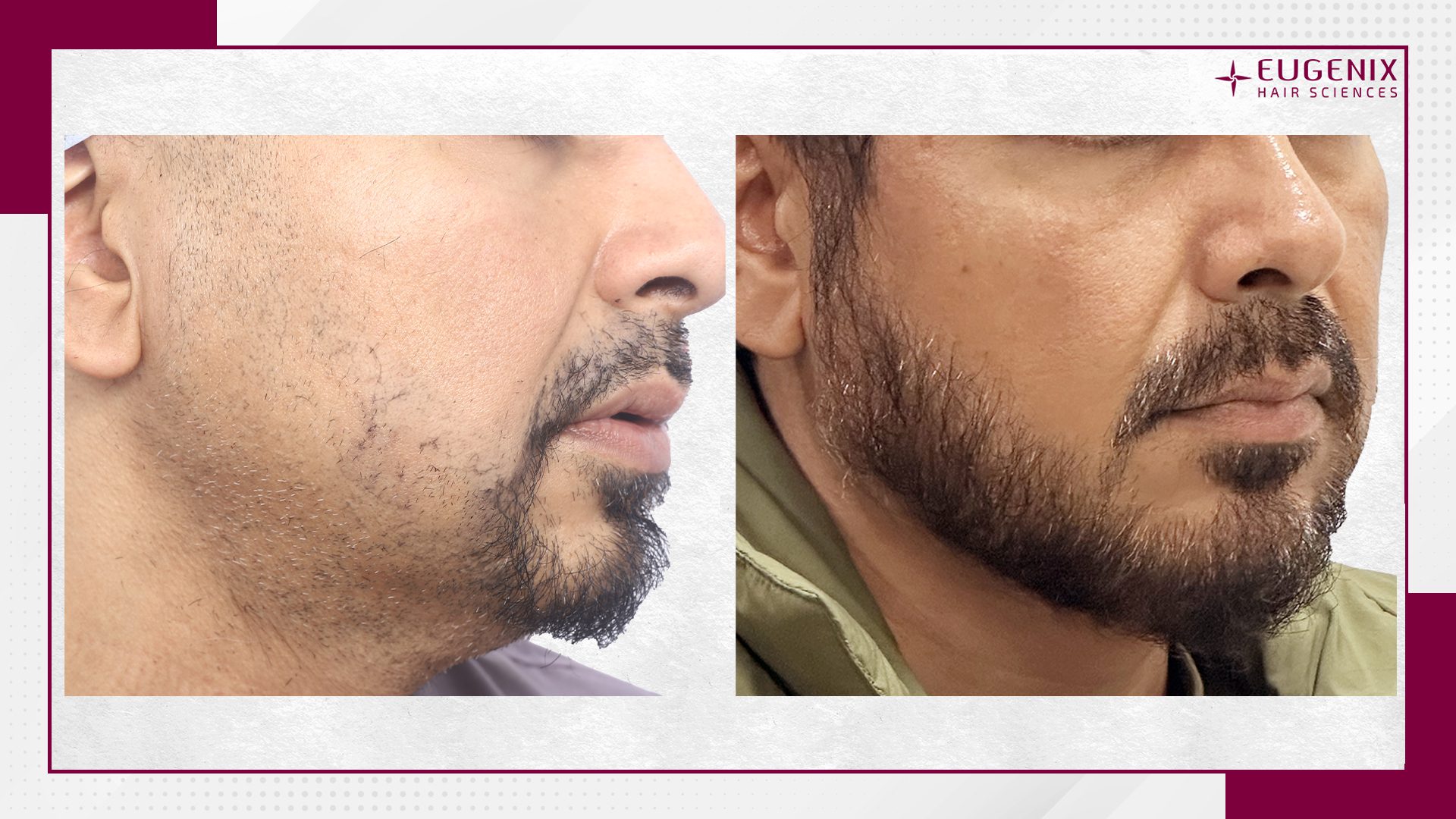
Life-Changing Results
mustache-hair-transplant-2
BeforeAfter
mustache-hair-transplant-1
BeforeAfter
mustache-hair-transplant-3
BeforeAfter
Watch Videos
Reviews on Google

Frequently Asked Questions

What is a Moustache Hair Transplant?

A Moustache Hair Transplant is a meticulous procedure designed to enhance the density and shape of your moustache, providing a natural and aesthetically pleasing result.

What is a moustache hair transplant?

A moustache hair transplant is a facial hair transplant procedure in which healthy hair follicles are taken from a donor area on the patient’s body and implanted into the upper lip area. The objective is to restore natural-looking moustache density with the correct angle, direction, and shape so the result blends seamlessly with surrounding facial hair. Moustache restoration is one of the most precision-dependent procedures in facial hair transplantation because the upper lip area is small, highly visible, and reads as unnatural very quickly if angles or shape are off.

Can you actually transplant a moustache?

Yes. Moustache transplantation is a well-established hair restoration procedure performed routinely at specialist clinics worldwide. The procedure relocates DHT-resistant donor follicles, the same category used to treat male pattern baldness, into the upper lip to restore moustache hair density. Once the transplanted hair follicles integrate, they grow continuously for life, behaving like the donor hair from which they were taken. A skilled surgeon designs the moustache shape to suit the patient’s face and places single hairs along the front edge for a natural appearance.

How does the procedure work?

At Eugenix, every moustache hair transplant is performed using the flagship Direct Hair Transplant (DHT) technique, an evolution of follicular unit extraction that keeps out-of-body time for each graft under 30 minutes compared to 3 to 4 hours in standard FUE. The entire procedure is performed under local anesthetic, on an outpatient basis, and typically runs 2 to 4 hours.

The doctor first designs and creates the recipient sites along the upper lip following the ADDD principle: Angle, Depth, Density, and Direction. The doctor uses a fine instrument to create tiny incisions matched precisely to the natural growth direction of moustache hair, then performs follicular unit scoring during extraction, aligning the motorized punch precisely along the angle of each donor hair before each incision. Senior surgical assistants perform graft removal from the donor sites and implantation into the pre-made recipient slits using the SAVA Implanter, a patented no-root-touch device. Extraction and implantation happen simultaneously rather than in sequence. The doctor may also assist with implantation depending on the case. The procedure is minimally invasive, with no stitches and no overnight stay required.

How many grafts are needed for a moustache hair transplant?

How many grafts a patient needs depends on the area to cover, current density, and the level of fullness targeted. Partial enhancement of a thin moustache typically requires fewer hair grafts; full reconstruction in a patient with little to no native hair needs significantly more. Most cases fall in the 200 to 600 graft range, but there is no universal number, and any responsible plan is built only after a detailed evaluation of the donor and recipient areas. The Eugenix surgical team finalises the graft plan during your initial consultation.

What is the donor area used for the procedure?

The donor area depends on the individual case. In most patients, beard hair from the cheek or below the jawline is the preferred donor because it most closely matches moustache hair in texture, calibre, and growth pattern. Patients with a full beard typically have ample donor capacity. Where beard area density is limited, scalp hair from the safe donor zone at the back and sides of the scalp area may be used selectively. Healthy follicles harvested from these donor sites integrate well into the upper lip and produce new beard hairs and moustache hairs that grow in line with the surrounding facial hair pattern. The exact donor strategy is decided during the surgical consultation.

Can a beard and moustache transplant be done together?

Yes. Many patients pursue a combined beard and moustache transplant when both areas are sparse or scarring has affected the lower face. The combined beard and moustache transplant is typically planned in a single sitting, since the donor area and the surgical team are already engaged. The combined approach also helps the surgeon design a coherent overall shape rather than restoring one area in isolation. A standalone beard transplant uses the same DHT technique and the same donor zones, and a standalone moustache restoration follows similar principles. Patients who have already had a beard transplant elsewhere can still pursue moustache restoration as a second sitting; in such cases, the beard transplant history is reviewed in consultation so the surgeon can adjust the plan to account for prior donor extraction.


Several factors can cause sparse, patchy, or absent moustache hair. Understanding the cause helps determine whether surgery is the right step.

Genetic and hormonal factors

For many men, moustache density is largely genetic. Some men do not produce thick facial hair in the upper lip area regardless of age, even when they have a full beard elsewhere. Genetics also influence how facial hair distributes across the face, which is why some men have a thick beard but a sparse moustache. Beyond genetics, facial hair growth is closely linked to androgen levels, particularly testosterone and dihydrotestosterone. Hormonal imbalances, including low testosterone in young men, can result in thinner facial hair across the beard and moustache. Where a hormonal cause is suspected, a clinical workup is the right first step before considering surgery.

Injury, scarring, and medical conditions

Trauma to the upper lip, including burns, cuts, surgical scars, and cleft lip repair, can disrupt natural moustache hair growth and leave permanent patchy areas. In these cases moustache hair transplantation restores hair through scarred tissue, though the surgical plan must account for reduced blood supply in scar zones. Alopecia areata, an autoimmune condition, can also cause patchy hair loss in defined zones, including the moustache and beard area. Active alopecia areata is generally not a candidate condition for moustache hair transplantation because the immune response can target transplanted follicles as well; stable, longstanding cases may be considered after dermatology evaluation. Other medical conditions, certain medications, and severe nutritional deficiencies can also contribute to facial hair loss, which is why an initial consultation always includes a full medical history review.

Who is a good candidate for the procedure?

A good candidate is a man with sparse, patchy, or absent moustache hair, with adequate donor capacity in the beard or scalp area, in general good health, and with realistic expectations about the outcome. Eugenix offers a free photo evaluation with a Hair Advisor, followed by a consultation with the surgeon who confirms suitability after reviewing donor capacity, desired shape, and any underlying medical issues. Patients with active alopecia areata, uncontrolled medical conditions, or unrealistic goals are counselled honestly rather than booked for surgery.

Are non-surgical alternatives available?

Patients with mild moustache thinning may benefit from a topical treatment before considering surgery. Topical Minoxidil applied twice daily can stimulate facial hair growth in some men, though results vary and require ongoing application to maintain. Realistic expectations matter: topical treatments do not work for everyone and cannot rebuild a moustache where follicles are absent. For permanent restoration of density, a moustache hair transplant remains the most reliable option, and it is the only option that produces a fuller moustache the patient can shape and groom like natural facial hair.

How is natural moustache direction achieved?

Moustache hair grows in specific directions across different zones of the upper lip. Hair near the philtrum tends to angle slightly outward and downward; the corners angle more horizontally; the centre flows downward over the lip line. The doctor designs each recipient slit to match the precise angle and direction of growth in that micro-zone. Single hairs are placed along the very front edge of the moustache border to create a soft transition rather than a hard line. Because slits are created before extraction begins, the surgeon can plan and adjust the design before any individual follicles are placed.

How does Eugenix ensure symmetry in moustache reconstruction?

Symmetry is planned at the design stage, not improvised during surgery. The skilled surgeon studies the patient’s facial proportions, philtrum width, lip line, and existing hair pattern, then marks reference points on either side of the upper lip with millimetre precision. The shape, density, and outer borders are designed to support balanced masculine facial features. Once the design is locked in and confirmed, recipient sites are created strictly within those boundaries. Graft placement then follows the design exactly, which produces a balanced, symmetrical result with natural looking results across the upper lip area.

What is the surgeon’s role during the procedure?

At Eugenix, the doctor is responsible for the most technique-dependent steps: moustache shape design, recipient site creation using the coronal slit technique, and follicular unit scoring during extraction. Graft removal and implantation are performed by senior surgical assistants trained exclusively in this work over many years. Extraction and implantation run in parallel rather than in sequence, which keeps out-of-body time under 30 minutes. This is the principle that protects each follicular unit and supports natural-looking moustache results.

What does the immediate post-procedure period look like?

Tiny scabs form around each implanted graft within the first 24 to 48 hours and typically clear over the first 7 to 10 days. Mild swelling around the upper lip is common in the first few days and settles on its own; sleeping with the head elevated helps reduce swelling. Some patients experience temporary numbness in the recipient area for a few weeks as small nerves heal. Most patients return to work within 7 days. Gentle activities such as walking, office work, and routine household tasks can resume the day after the surgical procedure. Yoga, gym, heavy exercise, and contact sports are cleared after at least a week. A painkiller is prescribed by the Eugenix team as part of the post-operative protocol. SignoFlam is the only painkiller used in the Eugenix protocol, and patients should not substitute other medications without surgeon guidance.

When does the shedding phase occur?

Between Day 30 and Day 90, the transplanted hair sheds almost completely. This is a normal, expected part of the hair growth cycle, not a sign of failure. The hair shaft falls but the follicle remains firmly anchored beneath the skin. The follicle then enters a resting phase before producing new hair from Month 4 onwards. Shock loss of a small portion of native facial hair around the recipient area can also occur in some patients during this window; native hair typically recovers as the new hair growth cycle begins.

When will I see the final results?

Initial new hair growth begins around Month 4. Visible moustache density develops between Month 6 and Month 8. Full results are typically seen at 10 to 12 months. At 14 to 15 months, the transplanted hair returns to its natural growth cycle, distributing back to the canonical 80 percent anagen and 20 percent telogen split. This causes approximately 20 percent reduction in hair mass compared to the peak synchronisation density at 10 to 12 months. This is the permanent stable density and the expected long-term result of a successful moustache hair transplant. Density at this point is approximately 50 percent of natural pre-loss density, which is consistent with what every responsible hair transplant achieves.

What post-operative care does Eugenix recommend?

Eugenix prescribes a 7-day post-operative medication course: Augmentin 625 mg twice daily, SignoFlam twice daily, BIFILAC twice daily, and Pantop once daily before breakfast. Specific instructions for moustache patients during the first 7 days include semi-solid food only and avoiding hard or chewy food, avoiding excessive speaking and smiling, spraying normal saline on the recipient area every 1 to 2 hours, and showering below the neck only so water does not touch the transplanted area. The first wash of the moustache zone is on Day 7. Direct sun exposure to the transplanted area should be avoided for at least a week, and prolonged exposure should be minimised after that. Alcohol and smoking should both be avoided for 1 week each.

Are the results permanent?

The transplanted follicles are taken from genetically resistant donor zones. Once they integrate and resume their natural growth cycle, the transplanted hair follicles continue to grow for life. This is therefore a permanent solution. Existing hair around the transplanted zone follows its own genetic pattern, so any future change in native hair density is independent of the transplant.

Are major complications common?

Hair transplant surgery has a strong safety record when performed by an experienced surgical team. At Eugenix, major complications are exceptionally rare, supported by over 20,000 procedures performed across more than 15 years of clinical practice. Common temporary effects, such as minor scabbing, mild swelling, temporary numbness, and shedding, are part of normal healing and are not complications.

Eugenix Hair Sciences is led by Dr. Arika Bansal, MBBS Gold Medallist from Lady Hardinge Medical College and post graduate and alumna of AIIMS, New Delhi, and Dr. Pradeep Sethi, post graduate and alumnus of AIIMS, New Delhi. Both founders are Fellows of the International Society of Hair Restoration Surgery (ISHRS), each with 15 plus years of exclusive experience in hair transplant surgery and over 30 combined years in the field. The DHT technique developed by the founders has been validated in two separate PubMed-indexed research papers: the 2013 paper introducing DHT itself, and the 2019 paper on the use of implanters in pre-made sites. Eugenix has performed over 20,000 procedures and serves patients from over 90 countries.

The procedure is performed by Senior Eugenix Hair Transplant Doctors (SEHTD), part of a panel of senior surgeons personally trained by the founding doctors, with the founding doctors available for direct consultation by appointment. The Gurgaon clinic is NABH accredited (Certificate No. DE-2026-0004, valid through March 2030, Allopathic Clinics 2nd Edition Dermatology Clinics Programme), India’s highest standard for clinical quality and patient safety. Eugenix operates 4 centres in India: Gurgaon, Mumbai, Hyderabad, and Bhubaneswar.

If you are considering a moustache hair transplant, the next step is a free photo evaluation with a Hair Advisor at Eugenix, followed by a consultation with the surgeon to map donor capacity, design the moustache shape, and finalise your plan. Reach out to the Eugenix team today.

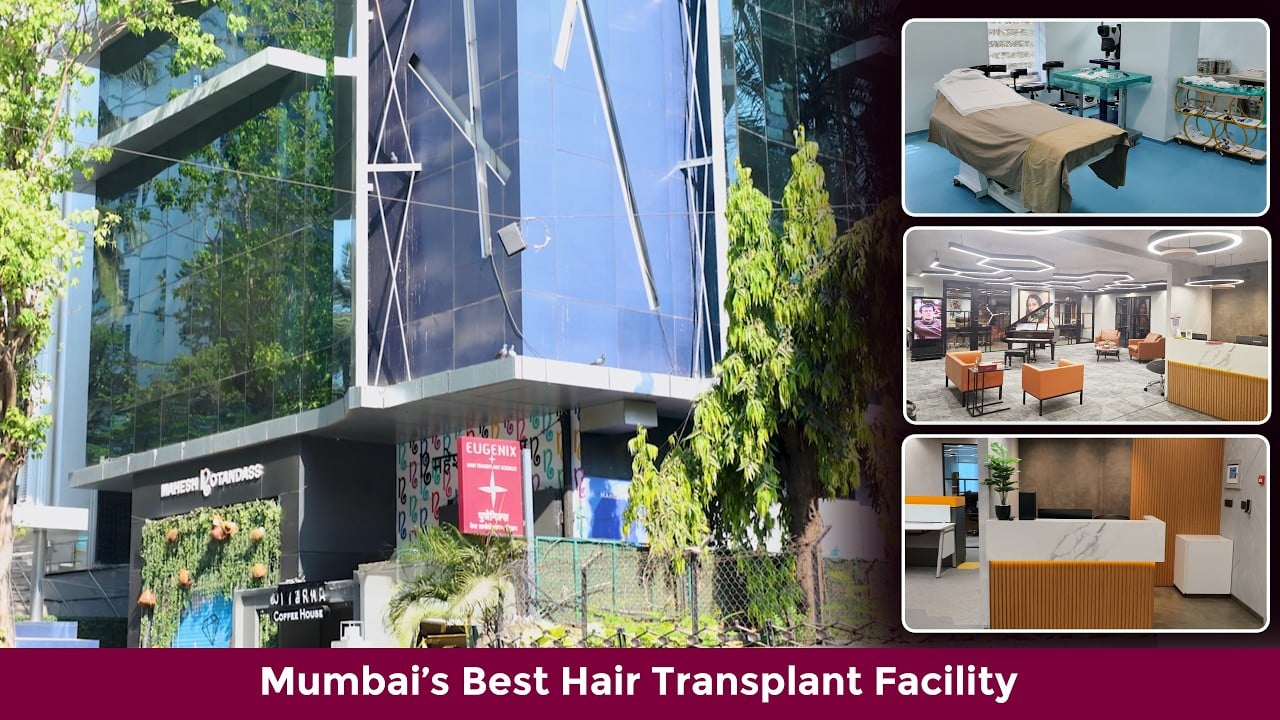
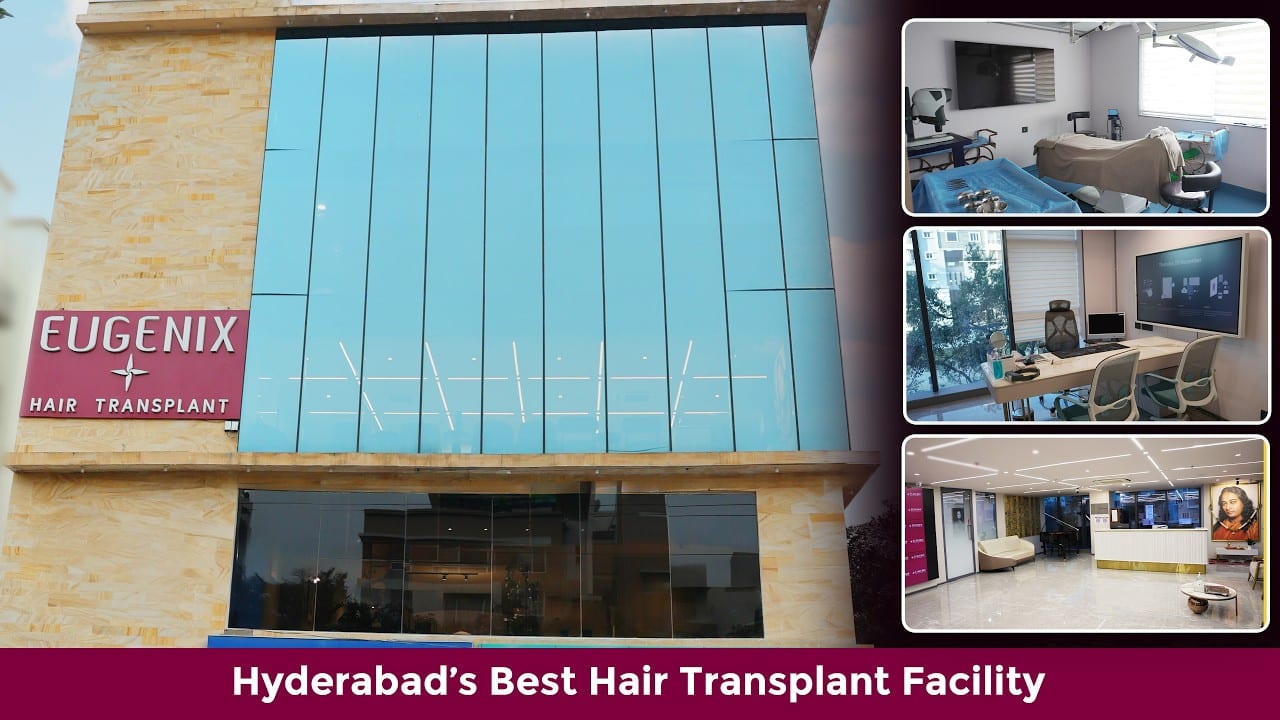
World-Class Infrastructure & Facilities
Why Choose Eugenix?

Trusted Choice of Celebrities, Cricketers and Business Leaders. Under the supervision of Dr. Pradeep Sethi & Dr. Arika Bansal, Eugenix offers international standards in Hair Transplant.

whychoose_icon_1
20,000+

Hair Transplant Procedures Performed

whychoose_icon_2
Free Assessment

Just a Phone Call or WhatsApp Away!

whychoose_icon_3
30+ Years Experience

in Hair Restoration Procedures

whychoose_icon_4
4.8 Google Ratings

From Happy Customers across the World

Hair Transplant Clinic India Locations

Gurugram:
934 & 935P, Opp. Amity International School, Sector 51, Gurugram, Haryana - 122018

Hyderabad:
2nd Floor, Mahathi Towers, Novotel Hotel Road, Izzathnagar, Shilpa Hills, Hyderabad, Telangana - 500084

Mumbai:
3rd Floor, Notan Plaza, 898, Turner Rd, Bandra West, Mumbai, Maharashtra - 400050

Bhubaneswar:
Plot 39-C, VIP Colony, IRC Village, Nayapalli, Bhubaneswar, Odisha - 751015

Book an
Appointment
Graft
Calculator
🇺🇸 English 🇩🇪 Deutsch 🇫🇷 Français 🇪🇸 Español 🇮🇹 Italiano