
Before & After Images Book a Free Assessment Graft Calculator
beard hair transplant surgery

Reclaim Your Masculine Charisma with Beard Hair Transplantation

What is Beard Hair Transplant?

A robust, well-defined beard is a hallmark of masculinity and confidence, but only some are blessed with the ability to grow one naturally. Eugenix Hair Sciences provides a cutting-edge solution for those facing genetic challenges or other inhibiting factors: beard hair transplants​​​​.

Facial hair is associated with looks and masculinity. Losing facial hair or being unable to grow it in teenagers leads to a dent in confidence and is also sometimes associated with manhood.

It is better to understand the anatomy of a beard transplant before you decide to undergo it. The beard formation begins during puberty and it continues to grow and develop till the mid-thirties. For beard transplant, the face is divided into two sections – Frontal and Lateral. The lateral part will involve the sideburns, the jawline and the cheeks. While the frontal part includes the goatee and the mustache involving the chin and lower part of the jawline.

The doctor who performs the hair transplant keeps in mind that the hair density in the mustache and beard is usually different. The number of grafts needed also differ from person to person. However, usually, on average, 2000 to 2500 grafts are needed.
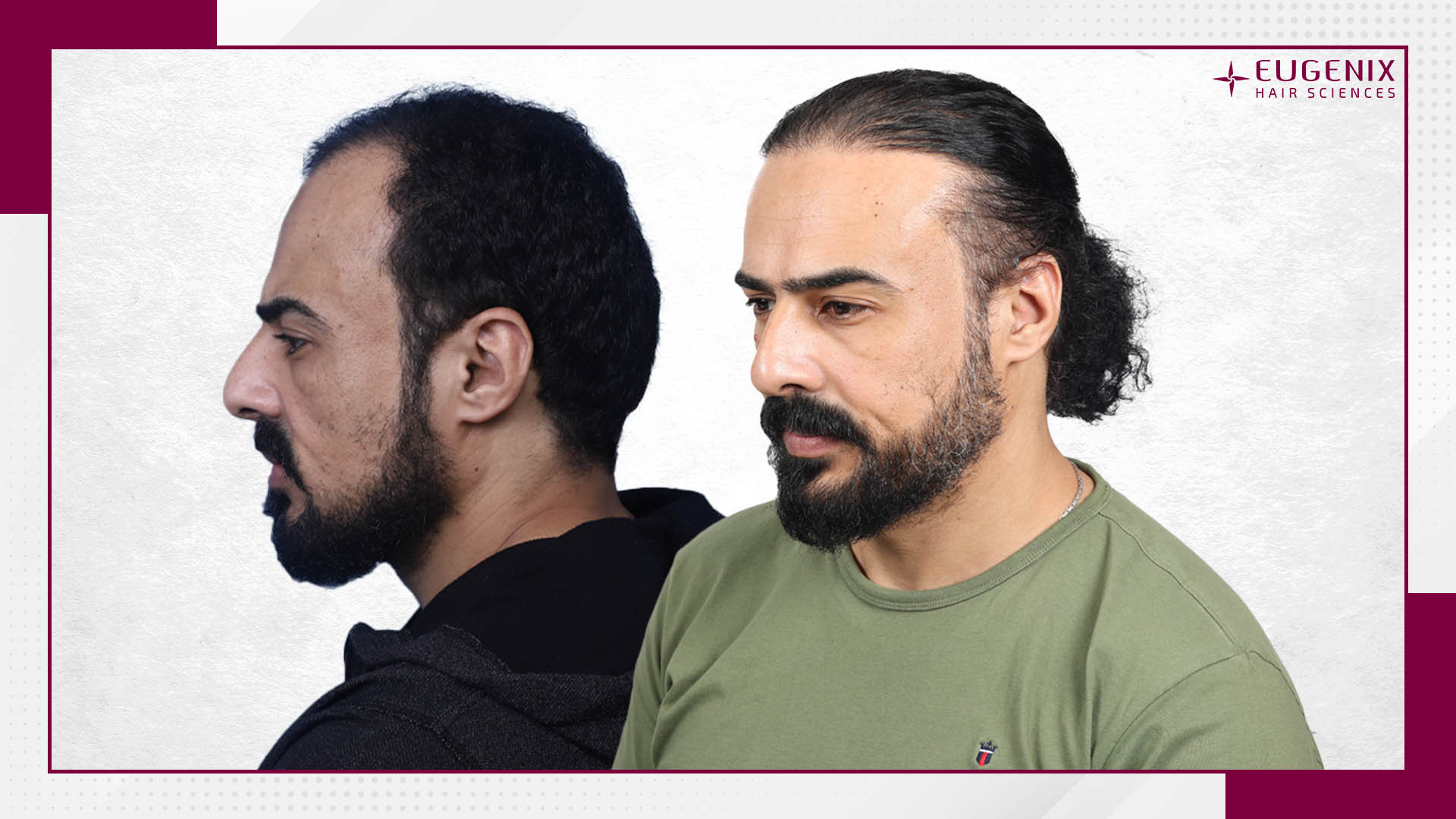
Beard Hair Transplant Website Image Border with before after

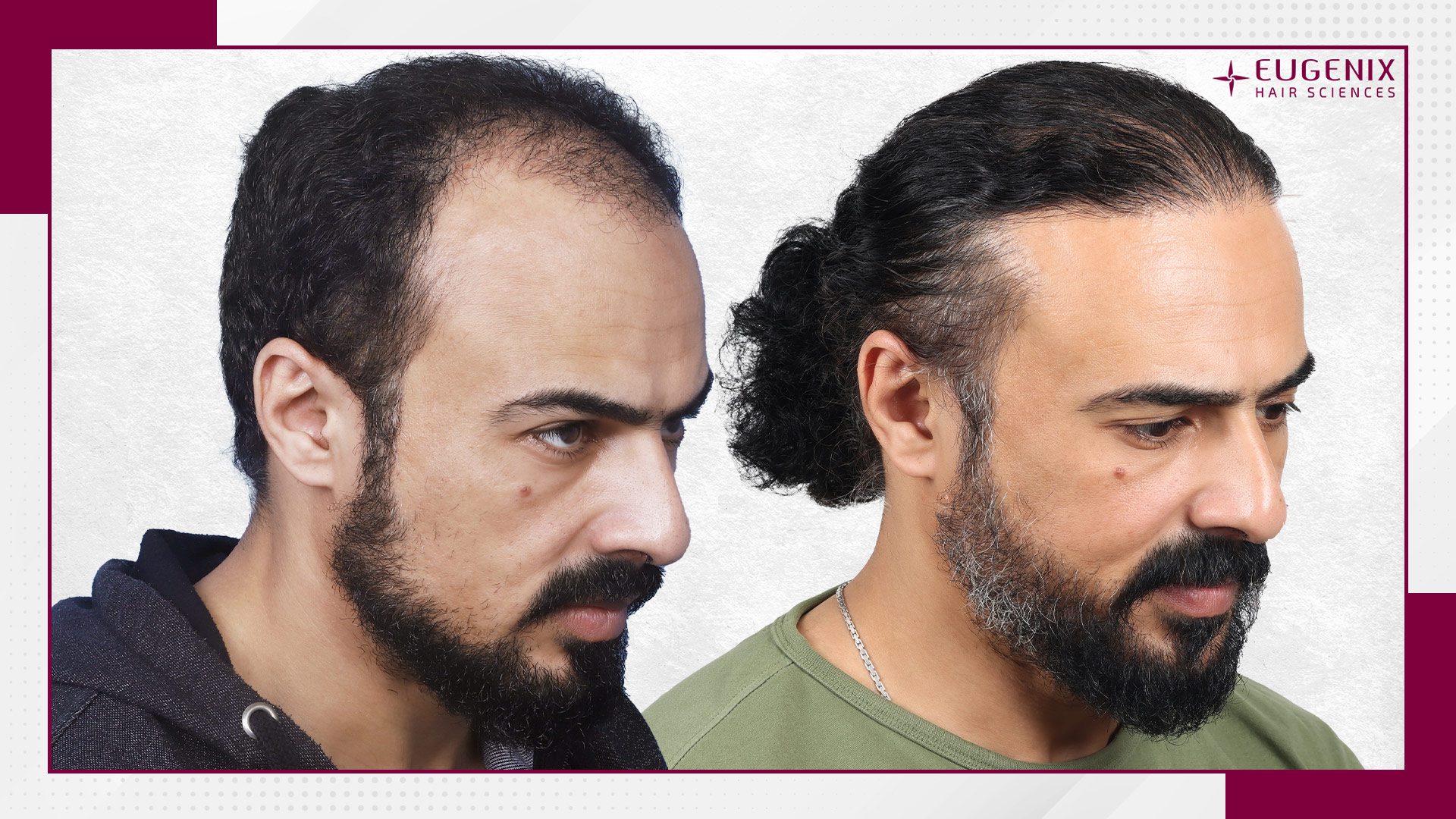
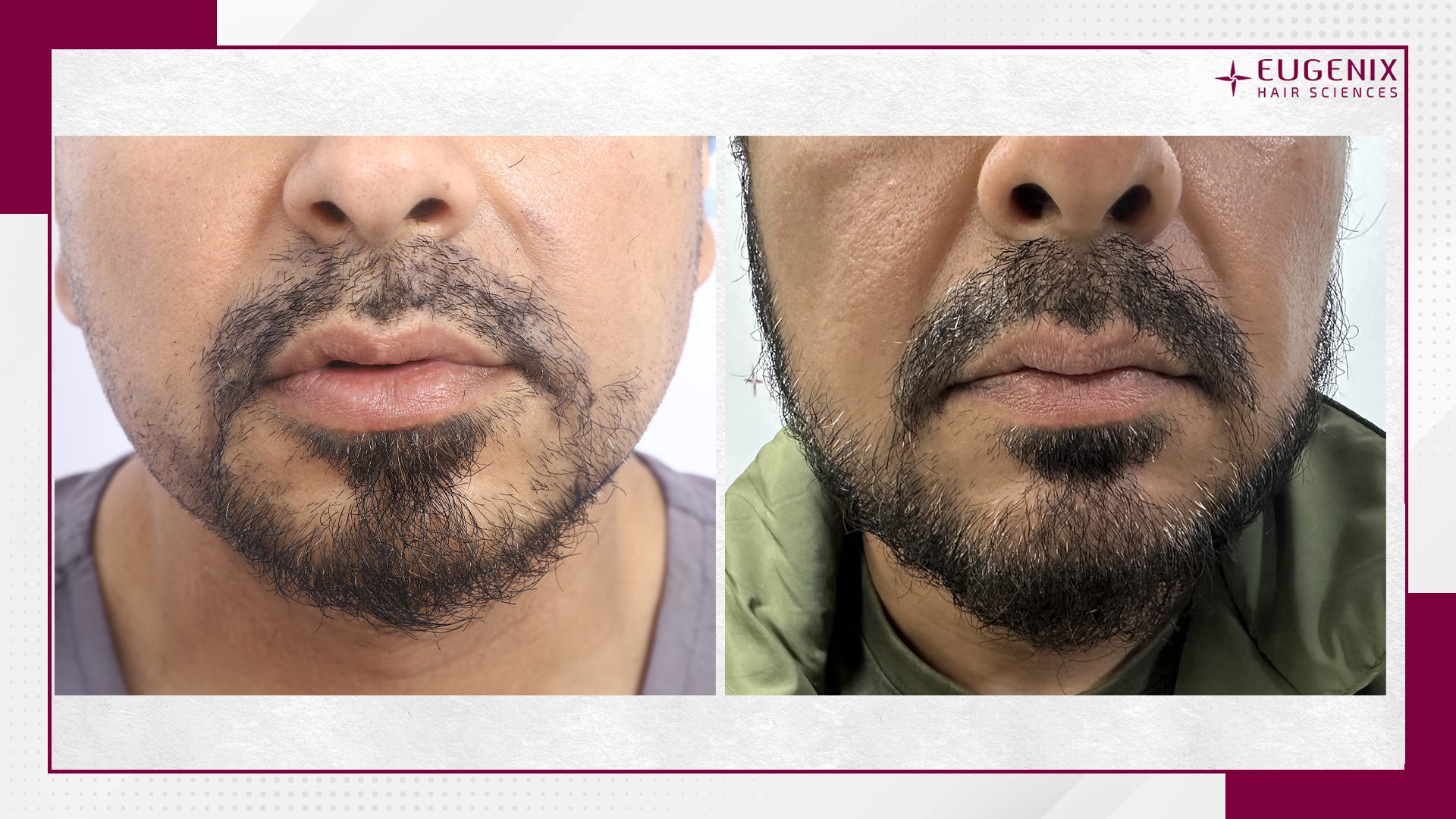
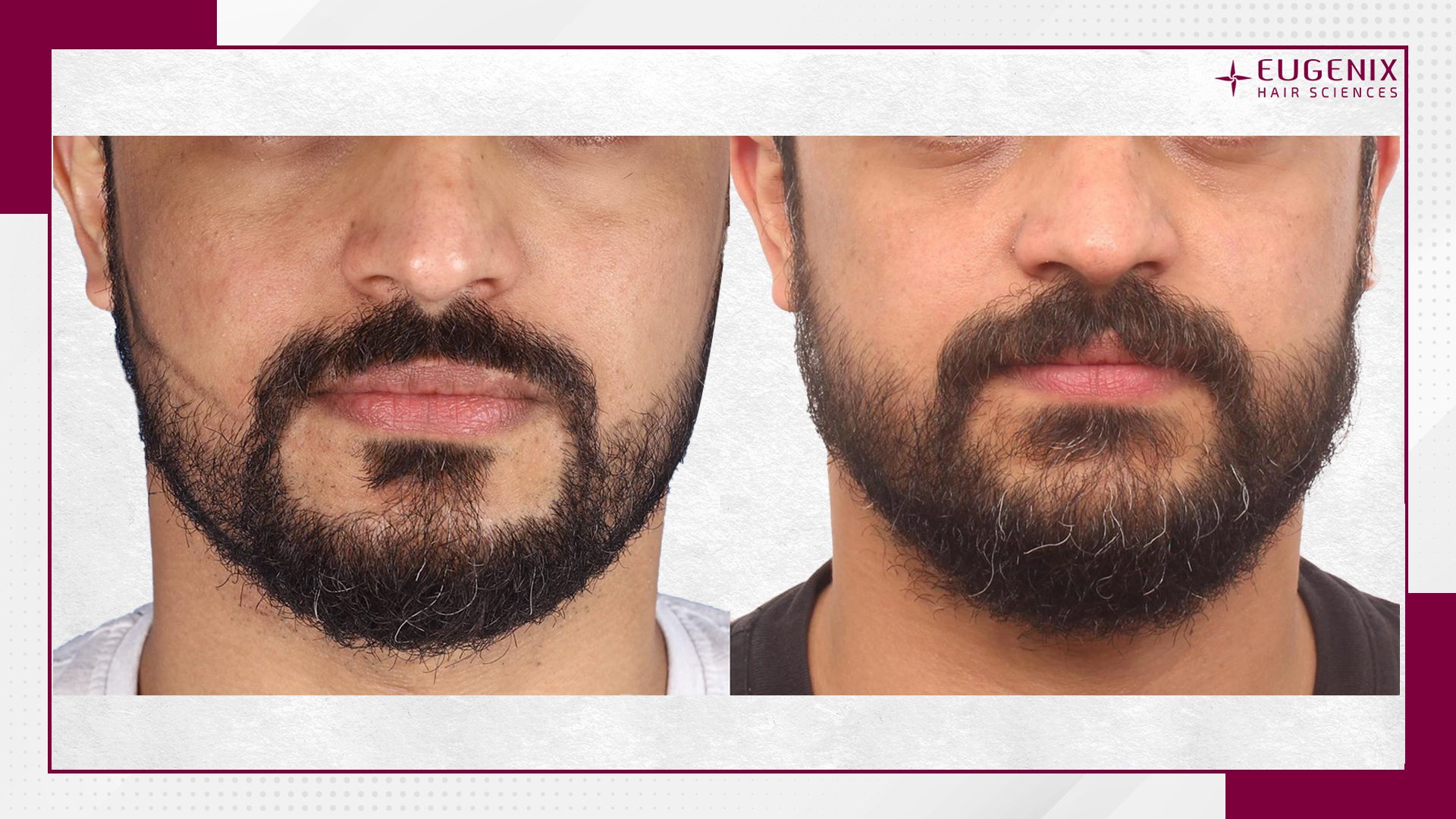
Before & After Images

‘Transforming Looks, Follicle by Follicle’.

Witness the astonishing results from our revolutionary Direct Hair Transplant (DHT) technique.

With our state-of-the-art infrastructure, instruments and processes, we ensure you are in the right place and in the right hands. The results speak for themselves. Take a look!

Who are the Ideal Candidates for Beard Hair Transplant?

There are a few requirements that need to be fulfilled for a person to be a good candidate for a beard transplant. The person should be in sound mental and medical health. The decision for undergoing a beard transplant should be genuine and not because of any societal pressures. There should be an above-average donor area that involves the side and the back of the head. Moreover, a thorough physical examination is to be done by an experienced doctor to evaluate whether a person is an ideal candidate for the surgical procedure or not.

People who suffer from the following conditions opt for Facial Hair Transplant:

  • Scars because of any burn, trauma and surgical procedure.
  • Traction alopecia that may have led to hair loss.
  • Other medical conditions such as cancer or infections.
  • Persistent conditions such as Alopecia Areata.
  • Scarring due to conditions such as folliculitis.
  • Hair loss because of any earlier transplant surgery.
  • Less density of beard and mustaches.

The ideal candidates for a beard transplant are those in good health, with a stable hair loss condition and a sufficient donor area. Eugenix Hair Sciences conducts a thorough evaluation to ensure that each individual’s treatment plan is personalised and effective​​​​.

Benefits of Having Beard Hair Transplant

Eugenix employs the Follicular Unit Extraction (FUE) method for beard transplants. This technique involves individual follicle extraction and careful implantation, which allows for natural-looking results and minimal scarring.

  • Avoidance of a linear scar.
  • Faster healing time.
  • The technique of choice in decreased scalp laxity.
beard hair transplant procedure

How is Beard Hair Transplant Procedure Performed?

First of all the donor area of the head and face will be examined. Then the design of the beard will be decided. The doctor will discuss the design and the density of the beard that the patient is looking for. This discussion will be done in detail and the final plan will be made according to your acceptance.

You may be told to undergo some blood tests and physical checks so as to ensure that your health is good.

Post-operative care is crucial for the best outcomes. Eugenix provides comprehensive guidance on how to care for the transplanted area to ensure successful results and satisfaction with newly enhanced beard.

  • Extraction of the required follicular units or follicles from the donor area and placement in holding solution.
  • Implantation of the grafts in the recipient area with the help of implanters or forceps.

Key Tips to Remember Before Opting for a Beard Hair Transplant Procedure

Before opting for a beard hair transplant procedure, consider the following key tips:

1. Research: Take the time to research different clinics and surgeons specializing in beard hair transplants. Look for experienced professionals with a track record of successful procedures and positive patient testimonials.

2. Consultation: Schedule a consultation with a qualified surgeon to discuss your goals, expectations, and candidacy for the procedure. The surgeon will assess your beard growth pattern, hair quality, and overall health to determine if you’re a suitable candidate for a beard transplant.

3. Realistic expectations: Have realistic expectations about the results of the procedure. Understand that a beard transplant may not always achieve your desired outcome or perfect symmetry. The density and coverage of the transplanted hair will depend on factors such as donor hair availability and your individual characteristics.

4. Risks and complications: Educate yourself about the potential risks and complications associated with beard transplant surgery, such as infection, scarring, and uneven growth. Discuss these concerns with your surgeon and ensure you understand the possible outcomes before proceeding with the procedure.

5. Pre-operative preparations: Follow your surgeon’s pre-operative instructions carefully to prepare for the procedure. This may include avoiding certain medications, quitting smoking, and following a healthy diet to optimize healing and minimize complications.

6. Post-operative care: Be prepared to follow post-operative care instructions provided by your surgeon. This may include avoiding strenuous activities, keeping the transplant area clean and dry, and taking prescribed medications to prevent infection and promote healing.

7. Patience: Understand that the results of a beard transplant take time to fully manifest. It may take several months for the transplanted hair to grow and blend seamlessly with your existing beard. Be patient and trust the healing process.

8. Maintenance: Remember that maintaining your transplanted beard requires ongoing care and grooming. Follow a regular skincare and grooming routine to keep your beard healthy and well-maintained.

By keeping these key tips in mind, you can make an informed decision about whether a beard hair transplant procedure is right for you and ensure a successful outcome.

beard hair transplant cost

Beard Hair Transplant Cost

The cost of a beard hair transplant may fluctuate from patient to patient, contingent upon the complexity of the process.

Therefore, it’s imperative that you visit our clinic to obtain a precise pricing estimate.

There, an in-depth consultation with our expert doctors and counsellors will clarify all your queries about the hair transplant process and its cost.

Life-Changing Results
Beard-Transplant-copy
BeforeAfter
beard-mustache-hair-transplant-2
BeforeAfter
Beard Case copy
BeforeAfter
Watch Videos
Reviews on Google
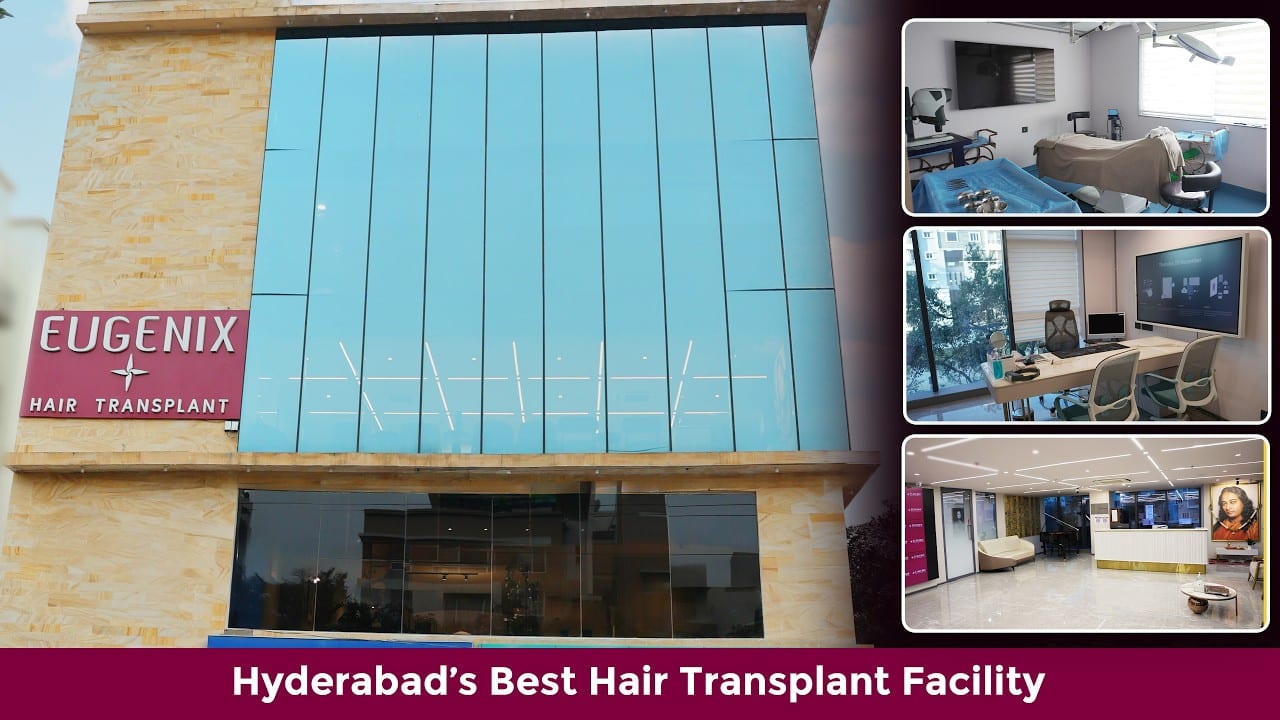
World-Class Infrastructure & Facilities
Why Choose Eugenix?

Trusted Choice of Celebrities, Cricketers and Business Leaders. Under the supervision of Dr. Pradeep Sethi & Dr. Arika Bansal, Eugenix offers international standards in Hair Transplant.

whychoose_icon_1
20,000+

Hair Transplant Procedures Performed

whychoose_icon_2
Free Assessment

Just a Phone Call or WhatsApp Away!

whychoose_icon_3
30+ Years Experience

in Hair Restoration Procedures

whychoose_icon_4
4.8 Google Ratings

From Happy Customers across the World

Frequently Asked Questions

A beard is often more than just facial hair—it is a defining feature of masculine identity and style. For those struggling with patchiness, thinning, or an inability to grow facial hair due to genetics or scarring, a beard transplant isn’t just a cosmetic fix; it’s a permanent restoration of confidence.

At Eugenix, we approach beard transplants with the same surgical rigor and artistic nuance as our world-renowned scalp procedures. Here is why the answer to “Can beard transplants be successful?” is a definitive yes.

Beard transplants are highly successful and have become one of the most sought-after procedures for men. Because facial hair follicles are robust and the blood supply to the face is excellent, the survival rate of transplanted grafts in the beard area is typically between 95% and 100%.

1. The Power of the DHT Technique

The secret to a successful beard transplant at Eugenix lies in our proprietary Direct Hair Transplantation (DHT)method.

  • Vitality: We minimize the “out-of-body” time of each follicle to nearly zero. By moving the graft directly from the donor area to the face, the follicles remain hydrated and healthy, ensuring they take root and grow thick, natural hair.
  • Precision: Facial hair has very specific, shallow angles. Our DHT technique allows our surgeons to control the exact depth and direction of each follicle, ensuring the new beard flows seamlessly with your existing facial hair.

2. Solving Patchiness and Scarring

Many men seek transplants to address “holes” in their beard or to cover scars from acne, burns, or surgeries.

  • Seamless Integration: We don’t just “fill space.” We analyze your natural growth pattern—the “swirls” on the chin, the “downward slope” on the cheeks, and the “density gradient” of the mustache—to ensure the transplanted hair is indistinguishable from the rest.
  • Scar Camouflage: Hair follicles can be successfully transplanted into stable scar tissue, effectively hiding blemishes that have caused years of self-consciousness.

3. Sourcing the “Perfect Match”

A successful beard looks natural because the hair texture matches.

  • The Donor Area: We typically harvest hair from the back of the scalp, selecting follicles that most closely mimic the coarseness of facial hair.
  • Body Hair as a Backup: If your scalp donor is limited, we can also harvest hair from the chest or the under-jaw area (beard-to-beard transplant), which provides an even more identical texture match for a rugged, masculine look.

4. Life-Long, Permanent Growth

Because the hair is taken from DHT-resistant areas, the results are permanent. Once the initial “shedding phase” passes (usually 2–4 weeks after surgery), the new follicles will begin to produce hair that you can shave, trim, and style just like a natural beard for the rest of your life.

Determining the right age for a beard transplant is less about a specific birthday and more about the biological maturity of your facial hair. While many young men are eager to fill in patchiness as soon as it appears, patience is often the most strategic clinical choice.

At Eugenix, we generally recommend waiting until at least the age of 25, and here is the detailed reasoning behind that milestone.

1. The “Late Bloomer” Nature of Facial Hair

Unlike the hair on your scalp, which is fully established in childhood, facial hair is highly sensitive to hormonal shifts and often continues to develop well into your mid-to-late twenties.

  • The Maturity Gap: It is common for a man to have a patchy beard at 21 but a much fuller one by 26 without any surgical intervention.
  • The Risk of Early Surgery: If you undergo a transplant at 19 or 20, we may place grafts in areas where your natural hair was destined to grow a few years later. This can lead to an unnatural “over-dense” look or a waste of precious donor follicles that could have been used more effectively elsewhere.

2. Identifying the “True” Pattern

By age 25, your genetic beard pattern has usually “revealed” itself.

  • Strategic Filling: Waiting allows our surgeons to see exactly where the permanent gaps are—whether it’s the connectors between the mustache and chin, the density on the cheeks, or the definition of the jawline.
  • Donor Conservation: Your donor hair (usually taken from the back of the scalp) is a finite resource. By waiting until the pattern is stable, we can use the minimum number of grafts to achieve the maximum visual impact.

3. Stability of the Scalp Donor Area

Because beard transplants typically use hair harvested from the scalp, we must also consider the future of your scalp hair.

  • Prioritizing the Scalp: If you are 21 and already showing signs of early male pattern baldness on your head, it may be wiser to “save” your donor hair for a future scalp transplant rather than using it on your beard.
  • Long-Term Planning: At 25, we have a much clearer picture of whether you will face significant scalp hair loss in the future, allowing us to balance your donor hair between your beard and your scalp restoration goals.

4. Exceptions: When is “Earlier” Appropriate?

While 25 is the clinical guideline, there are specific scenarios where a beard transplant may be performed earlier:

  • Scarring and Trauma: If the lack of facial hair is due to a scar, burn, or cleft lip surgery rather than genetics, the procedure can often be performed as soon as the scar tissue is stable and the patient is an adult.
  • Congenital Absence: In rare cases where there is a complete absence of facial hair follicles due to genetics (and no growth has occurred by age 22-23), a transplant can be considered earlier following a thorough consultation.

A beard transplant is a surgical intervention designed to enhance facial hair growth in regions where natural beard growth is limited or absent.

A beard transplant is essentially a masterclass in anatomical relocation. We are taking healthy, permanent hair follicles from a “donor bank” and meticulously placing them into the skin of your face to create the density, shape, and “ruggedness” you’re looking for.

While it shares the same DNA as a scalp transplant, the execution is far more delicate because facial hair has its own unique rules of engagement. Here is the step-by-step breakdown of how we pull off this transformation at Eugenix.

1. The Design: Mapping the Masculine Frame

Before a single hair is moved, we pick up the pen. A beard isn’t just a patch of hair; it’s a frame for your jawline.

  • The Blueprint: We design the cheek lines, the goatee, and the “connectors” based on your bone structure.
  • The Natural Flow: We identify the “swirls” and directional changes—facial hair on the chin grows differently than it does on the cheeks or the neck. We map these out so the final result looks like nature, not a stencil.

2. The Harvest: Sourcing the “Perfect Match”

We need hair that behaves like beard hair.

  • The Scalp Bank: Most often, we use follicles from the back of your head. These are genetically resistant to thinning and provide excellent coverage.
  • The Under-Jaw Trick: If you have some growth under your neck, we can actually harvest “beard-for-beard.” This is the gold standard because the texture, thickness, and curl are a 100% biological match.
  • Body Hair Reinforcements: For massive reconstructions, we can even tap into chest hair to provide that extra “visual weight.”

3. The DHT Technique: Vitality in Motion

At Eugenix, we don’t let your grafts sit around in a petri dish. Using our Direct Hair Transplantation (DHT) method, we extract and implant almost simultaneously.

  • Zero Downtime for Grafts: By minimizing the “out-of-body” time to nearly zero, the follicles stay hydrated and vital.
  • High Survival: This ensures that nearly every single hair we move actually takes root and grows. When donor hair is a finite resource, we don’t believe in wasting a single follicle.

4. The Art of Angulation

This is where the magic happens—and where many clinics fail. Facial hair exits the skin at a very shallow, acute angle.

  • Flat and Flush: If you plant a beard hair at a 90-degree angle, it will stick out like a toothbrush. We implant each graft at a precise 20-to-30-degree angle so the hair lies flat against your skin, allowing it to groom and style naturally.
  • Depth Control: We ensure the follicles are placed at the exact depth to mimic natural growth without causing “pitting” or uneven skin texture.

5. The “Shed & Grow” Cycle

Once the procedure is done, your face goes through a predictable biological journey:

  • The Anchor (Days 1-7): The grafts “lock in.” You’ll see tiny scabs that wash away within a week.
  • The Shed (Weeks 2-4): The hair shafts will fall out. Do not panic. This is “shock loss”—the follicle is simply taking a nap before it starts producing permanent hair.
  • The Reveal (Months 4-12): New, permanent hair begins to sprout. By the one-year mark, you’ll have a full, thick beard that you can shave, trim, and style just like the one you were born with.

While a beard transplant is a minimally invasive procedure, it is still a surgical intervention that requires precision and clinical expertise. At Eugenix, we believe in being entirely transparent with our patients. While the risks are low, understanding them, and how we prevent them, is key to a stress-free restoration.

Here is a look at the temporary side effects and the potential clinical risks associated with beard restoration.

1. Common and Temporary Side Effects

These are not “complications” but rather the body’s natural response to the healing process. They usually resolve within a few days:

  • Swelling (Edema): It is common to experience some swelling around the jawline or even the neck for the first 48 to 72 hours. We manage this with specific post-op medications and by encouraging you to sleep with your head slightly elevated.
  • Redness and Pinkness: The recipient area (your face) will look slightly flushed for the first week. This is a sign of increased blood flow to the newly planted follicles and will fade as the skin heals.
  • Tiny Scabs: Small, pin-sized crusts will form around each graft. These are a sign of healthy “anchoring” and will naturally wash away during your first few gentle face washes.

2. The “Texture” Risk: Pitting and Cobblestoning

One of the most significant risks in facial hair restoration is poor skin texture. Because facial skin is more mobile and visible than the scalp, improper implantation can lead to “pitting” (small indentations) or “cobblestone” (small bumps).

  • The Eugenix Prevention: We use our Direct Hair Transplantation (DHT) technique to ensure each follicle is placed at the perfect depth. By minimizing the trauma to the skin, we ensure the surface remains smooth and natural.

3. The “Aesthetic” Risk: Incorrect Angulation

Facial hair grows at a much sharper, more acute angle than scalp hair. If a surgeon lacks an artistic eye, the hair can end up growing straight out, looking like a “toothbrush” or a wire brush.

  • The Eugenix Prevention: Our surgeons meticulously map the exit angle of your existing facial hair.

4. Folliculitis (Ingrown Hairs)

As the new hairs begin to sprout (around months 3 to 4), they can occasionally become trapped under the skin, leading to small, pimple-like bumps called folliculitis.

  • The Management: This is usually temporary and easily managed with warm compresses or a mild topical ointment provided in your post-op kit.

5. Clinical Safety: Infection and Shock Loss

  • Infection: In a sterile, hospital-grade environment like Eugenix, infection is extremely rare. We provide a short course of antibiotics and a comprehensive hygiene protocol to keep the area clean.
  • Donor Shock Loss: Occasionally, the “native” hair around the donor area at the back of the head can thin temporarily due to the stress of surgery. This is almost always temporary and regrows within a few months.

The Bottom Line: The greatest risk in a beard transplant isn’t medical, it’s aesthetic. Choosing an inexperienced clinic can lead to a look that is obviously “surgical.” At Eugenix, we ensure that the only thing people notice about your beard is how good it looks.

Related Blogs
What’s Trending in Hair Restoration in 2026
05 Feb 2026

In a world where trends shift fast and gimmicks rise even faster, the clinics that matter are the ones rooted in balanced judgment. Where technology enhances skill, not replaces it.

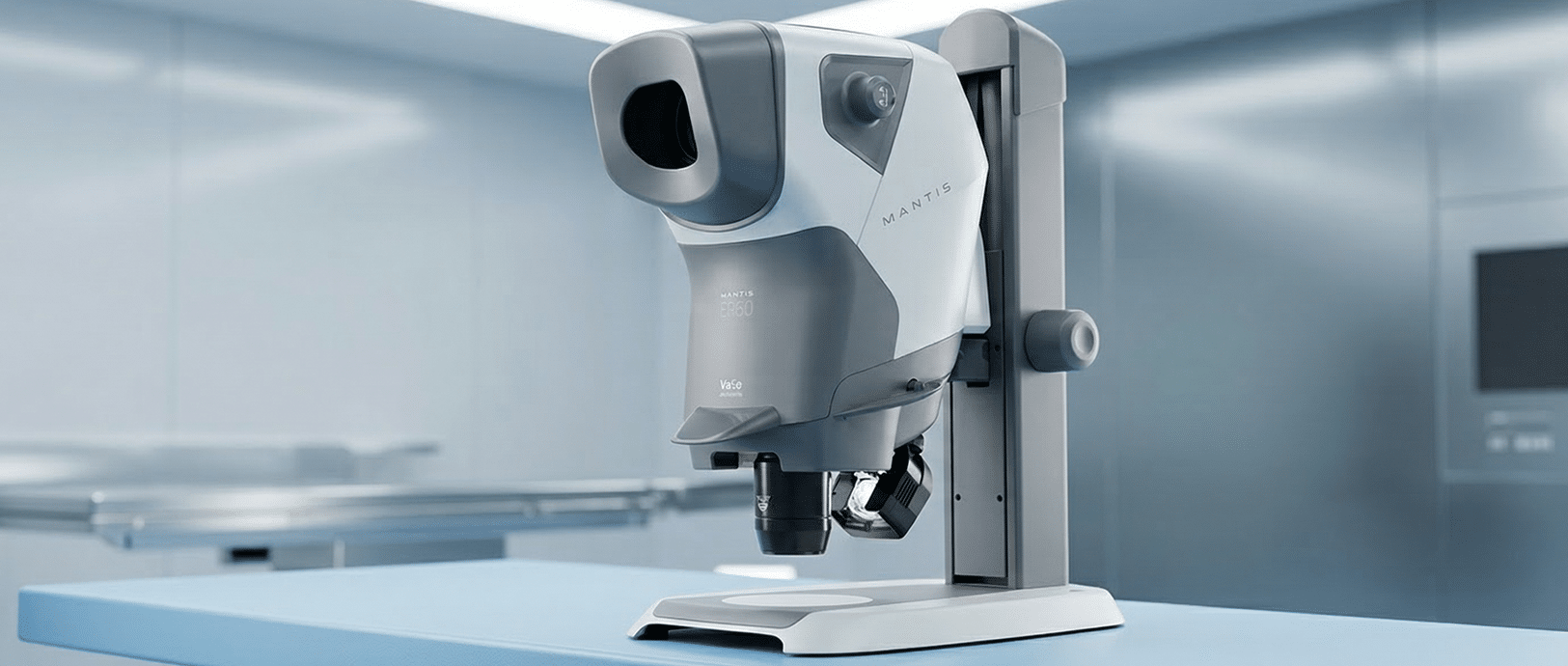
How the Mantis Microscope Enables Precision and Natural Results in Hair Transplants at Eugenix Hair Sciences
12 Mar 2026

At Eugenix Hair Sciences, we don’t chase shortcuts. We chase outcomes, and outcomes come from details. In the hands of our Hair Experts, the Mantis microscope isn’t just a lens.

Giga Hair Transplant Sessions for Advanced Hair Loss | Maximum Grafts, Naturally Fuller Hair
20 Jan 2026

Restore extensive baldness with Giga hair transplant sessions offering maximum graft survival, natural hairlines and dense, permanent hair restoration.

Hair Transplant Clinic India Locations

Gurugram:
934 & 935P, Opp. Amity International School, Sector 51, Gurugram, Haryana - 122018

Hyderabad:
2nd Floor, Mahathi Towers, Novotel Hotel Road, Izzathnagar, Shilpa Hills, Hyderabad, Telangana - 500084

Mumbai:
3rd Floor, Notan Plaza, 898, Turner Rd, Bandra West, Mumbai, Maharashtra - 400050

Bhubaneswar:
Plot 39-C, VIP Colony, IRC Village, Nayapalli, Bhubaneswar, Odisha - 751015

Book an
Appointment
Graft
Calculator
🇺🇸 English 🇩🇪 Deutsch 🇫🇷 Français 🇪🇸 Español 🇮🇹 Italiano