Before & After Images Book a Free Assessment Graft Calculator
receding hairline reconstruction

Move Forward in Life with Receding Hairline Reconstruction!

What is a Receding Hairline Reconstruction?

The ‘hairline’ is defined as the line of hair at the forehead, extending across the head from ear to ear. It is often the initial site affected by pattern baldness, typically losing substantial hair, while the crown area experiences thinning. Men over 30 frequently see their hairlines evolve into an “M-shape,” a sign of a receding hairline caused by hair follicles at the temples retreating.

Receding hairlines, affecting individuals regardless of gender or age, have made hairline transplant surgeries increasingly sought-after. This procedure ranks as a top hair restoration method globally, providing secure and lasting results to numerous patients annually.

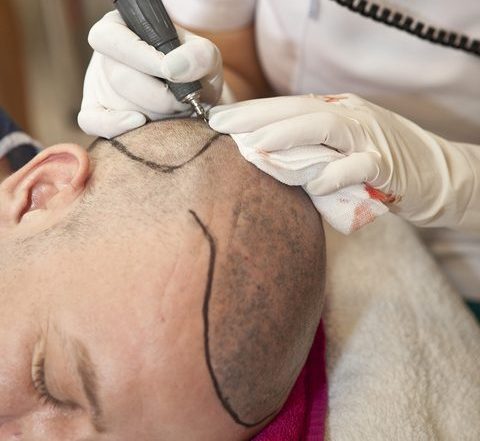
A hair transplant involves moving hair follicles from a dense area, the donor site, usually the back and sides of the head, to a less dense area, often the crown, middle, or hairline, known as the recipient site. In hairline transplants, the hairline serves as the recipient site, where hair from the donor area is transferred to the temples and sometimes the forehead to reshape the M-shaped hairline.

Opting for a hairline transplant not only restores hair at the front and temples but also enhances one’s appearance, offering a younger look and boosting self-assurance. Our skilled surgeons use advanced techniques to craft a hairline that complements your age and facial structure.

Receding hairlines can lead to baldness and a prematurely aged appearance at any age. Our top-notch hairline restoration services turn thinning hairlines into a concern of the past. We employ the latest Direct Hair Transplant (DHT) method, a revolutionary variation of FUE which is quick, minimally invasive, and yields impressively natural-looking outcomes. Trust in our excellence for efficient and high-quality hairline transplant procedures.

Standard Before & After (3)

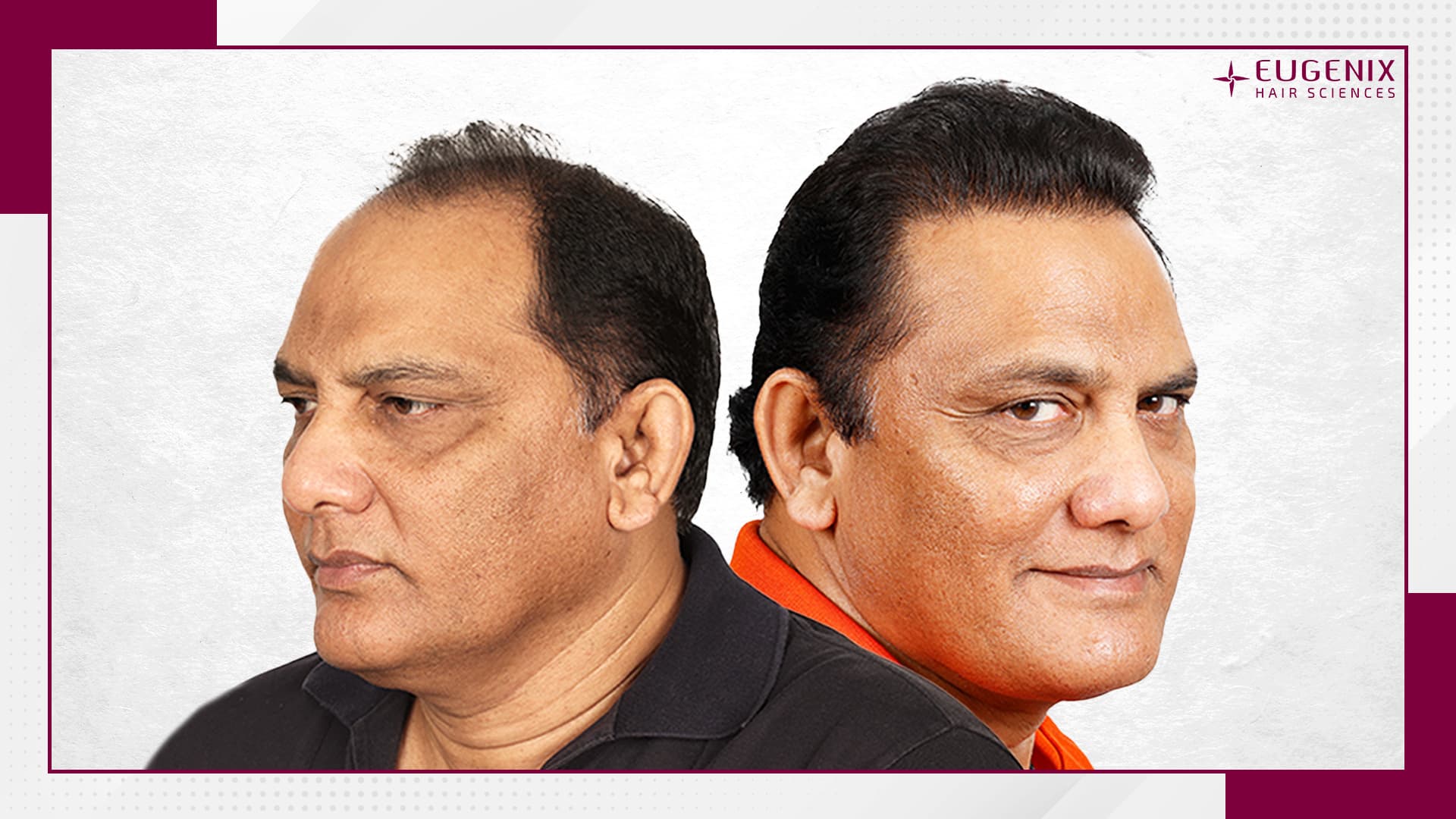
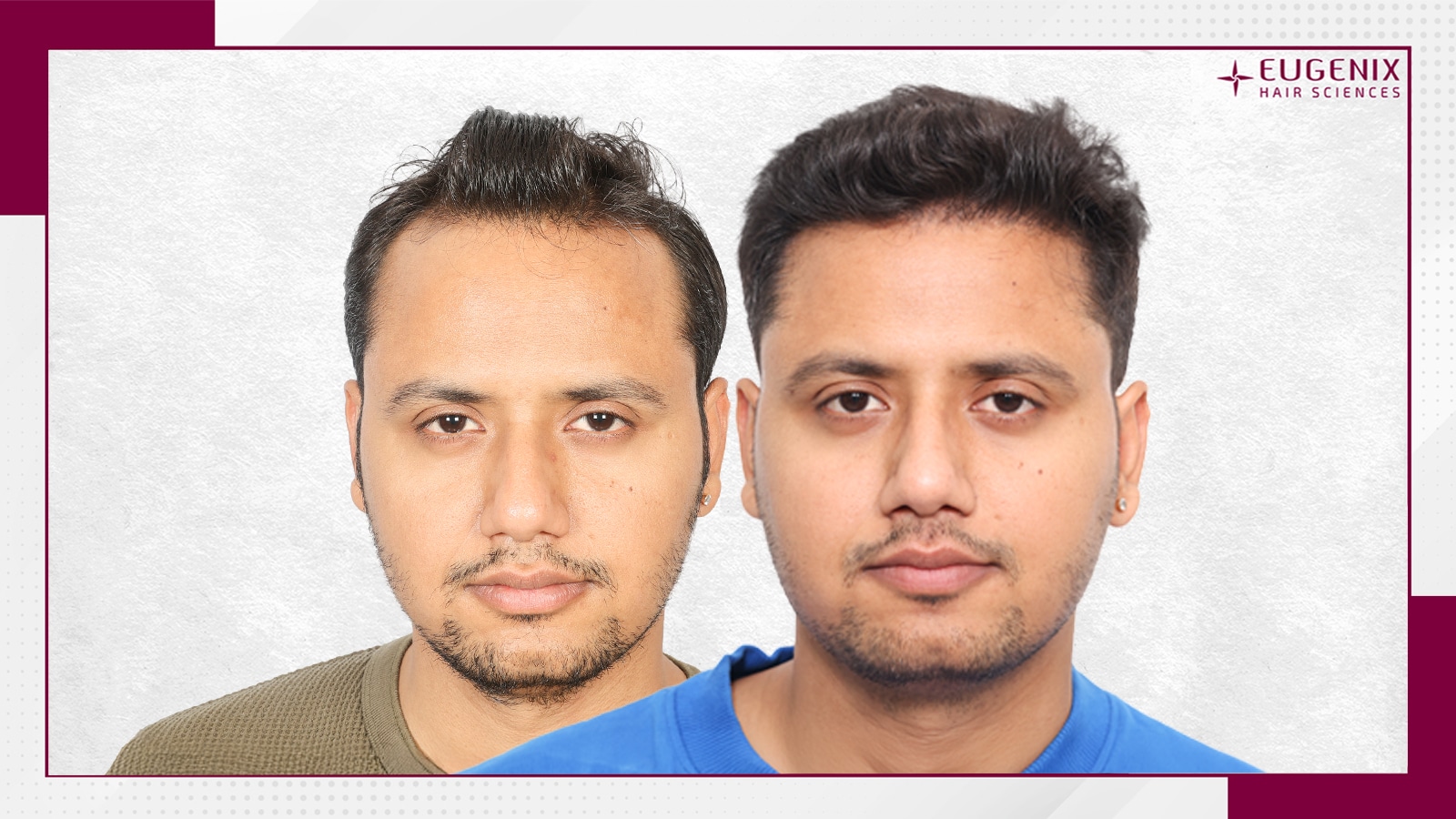
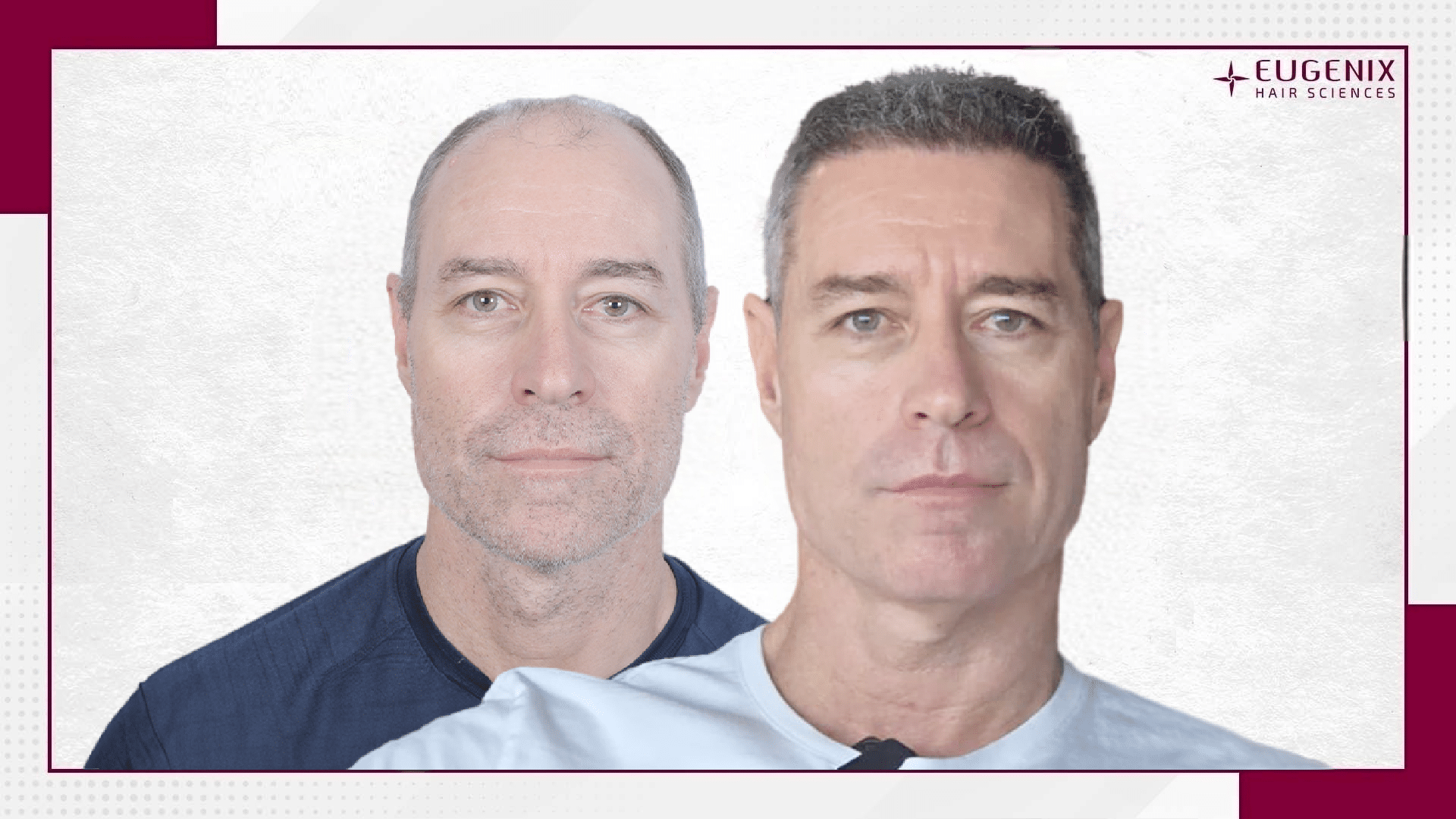
Before & After Images

‘Transforming Looks, Follicle by Follicle’.

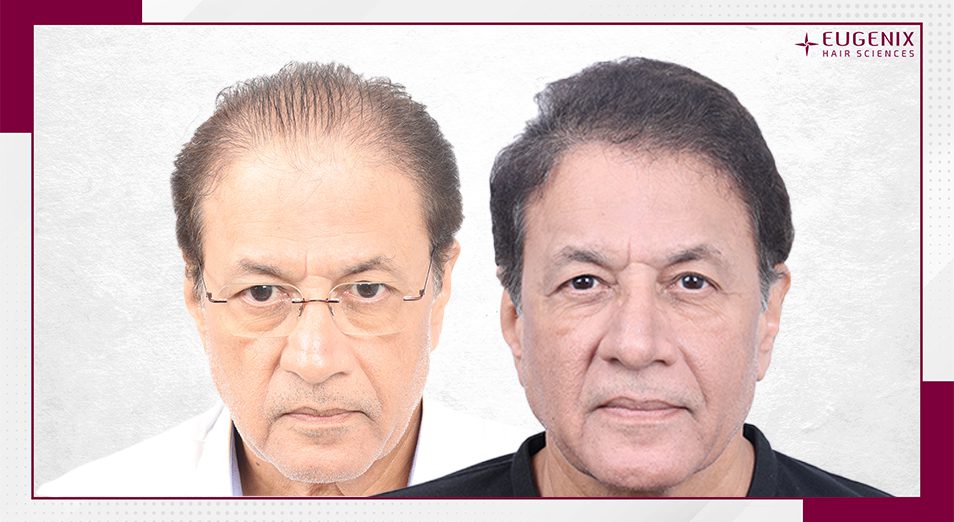
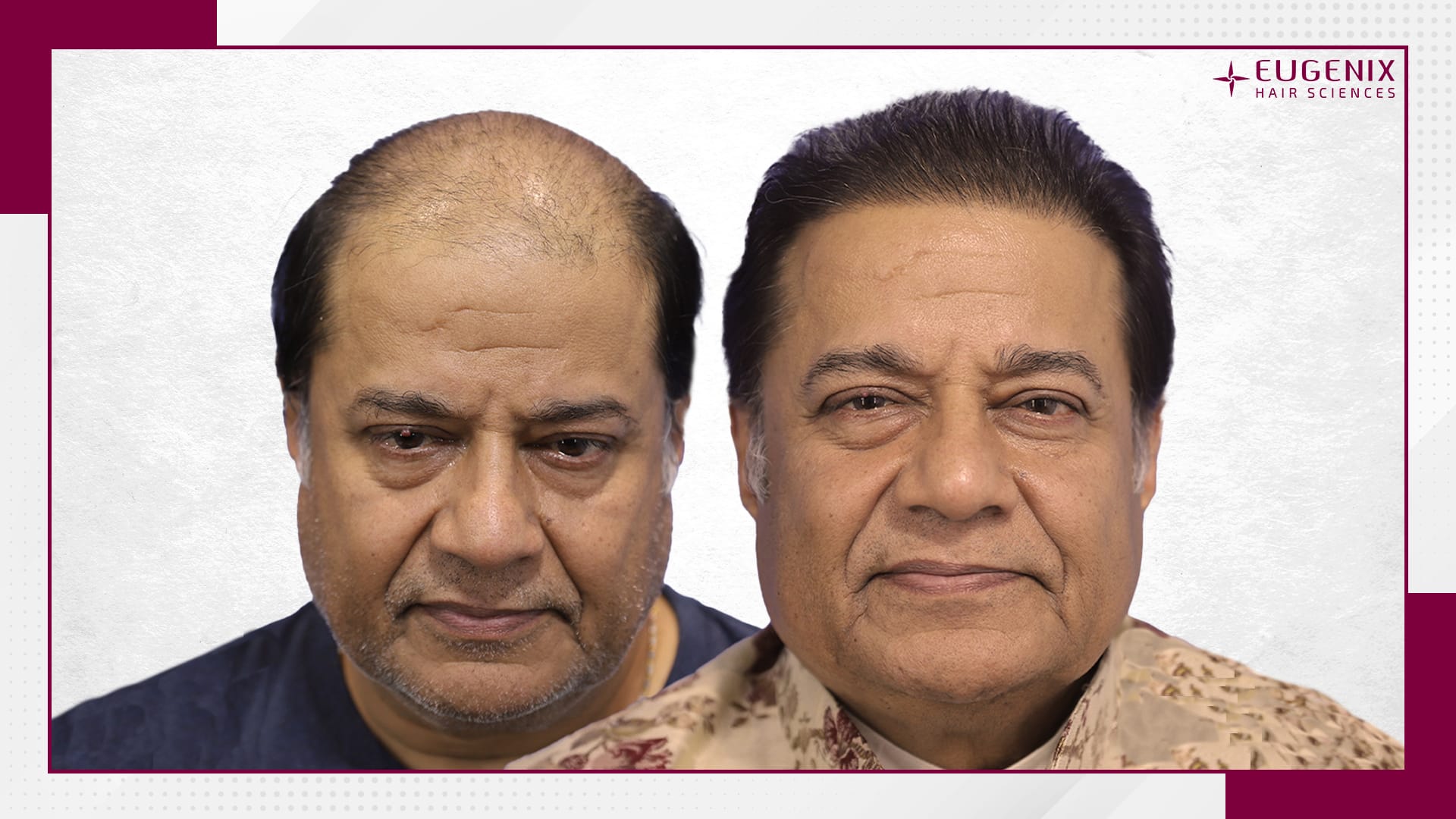
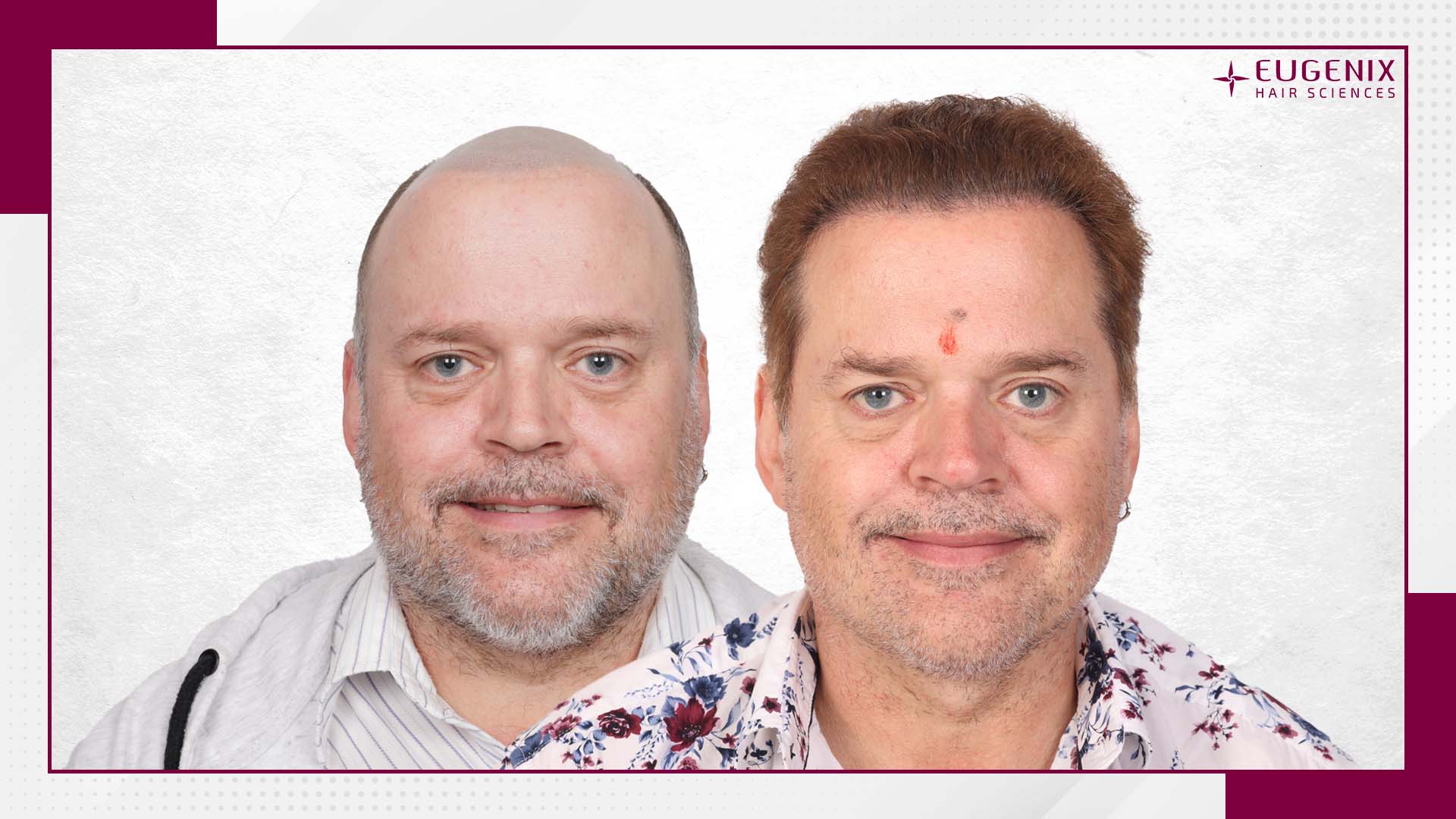
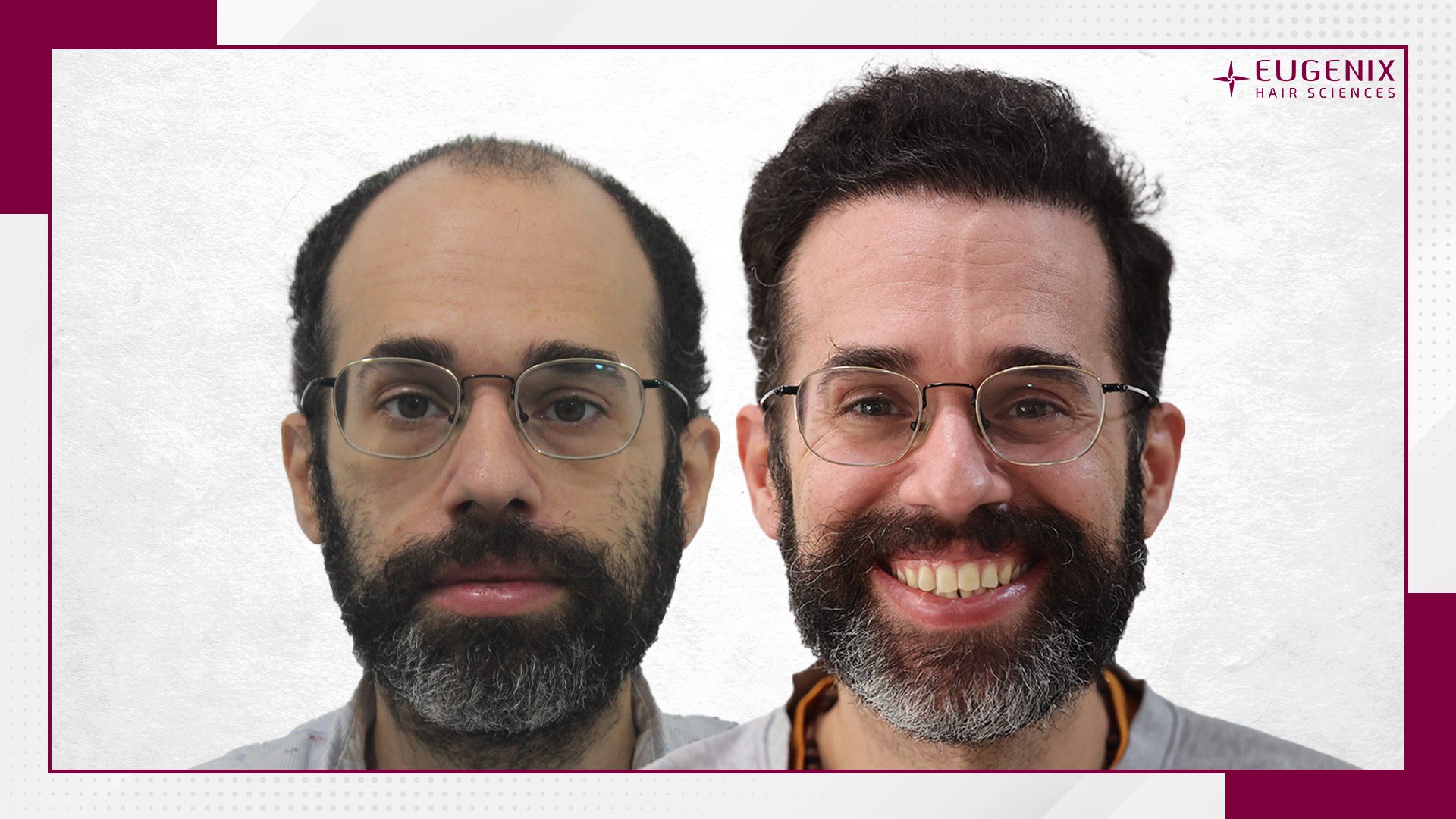
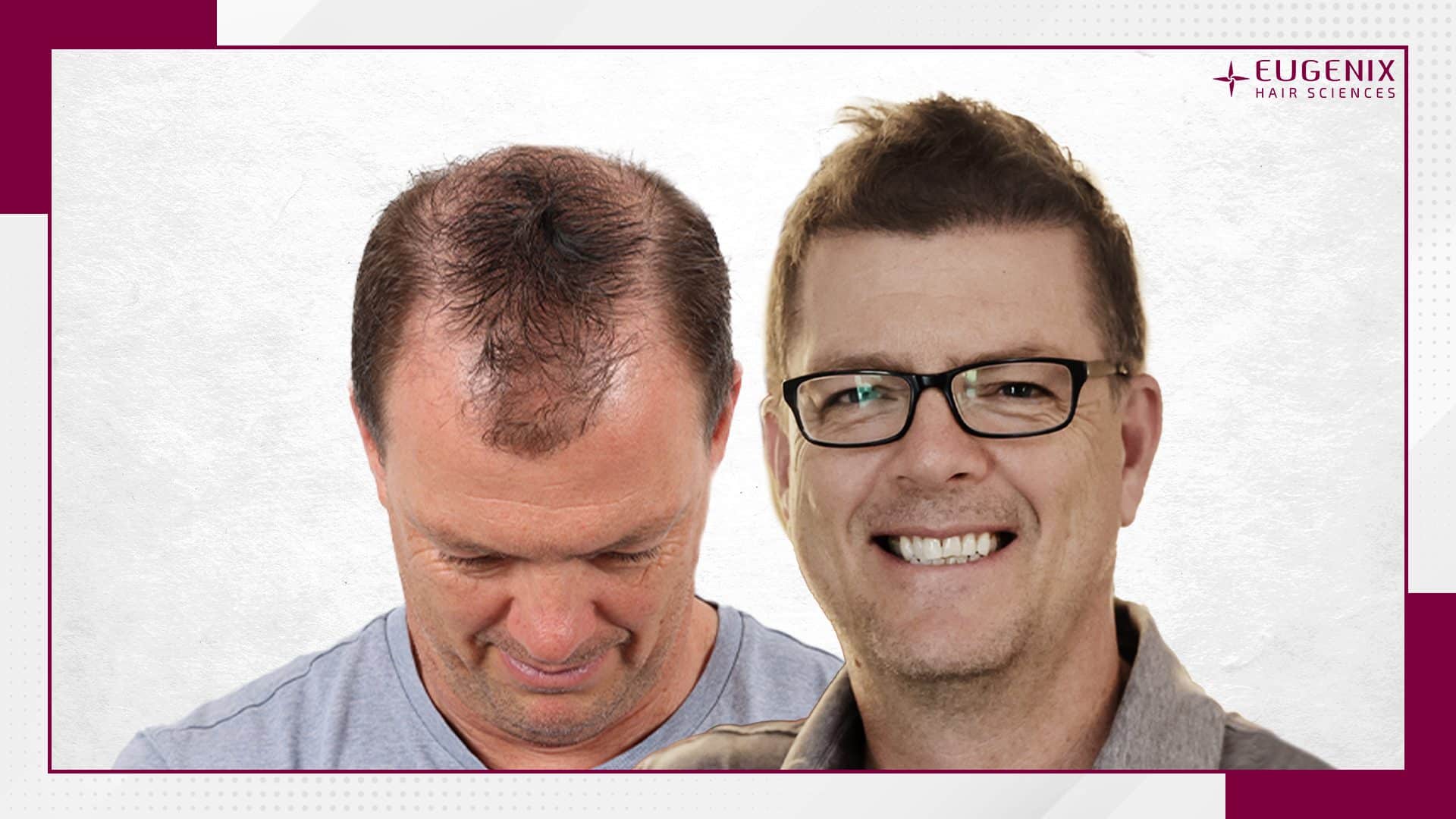
Witness the astonishing results from our revolutionary Direct Hair Transplant (DHT) technique at our clinics.

With our state-of-the-art teams, instruments and processes, we ensure you are in the right place and in the right hands. The results speak for themselves. Take a look!

Who are the Ideal Candidates for Hairline Hair Transplant?

Individuals suffering from the following circumstances are the ideal candidates for receding hairline reconstruction:

  • The family’s history, a legacy of heredity.
  • Hormonal fluctuations induced by pregnancy, labour, menopause, and thyroid imbalances.
  • Some medical conditions associated with hair loss include alopecia areata (stabilised), scalp infections, and trichotillomania.
  • Unintended repercussions of medications and supplements.
  • Exposure to radiation or undergoing chemotherapy.
  • Experiencing stress, anxiety, or depression.
  • Excessive hair styling treatments or intricate hairstyles.

Benefits of Having Hairline Hair Transplant

Expect to receive these advantages:

  • Cutting-edge transplant techniques performed by skilled surgeons.
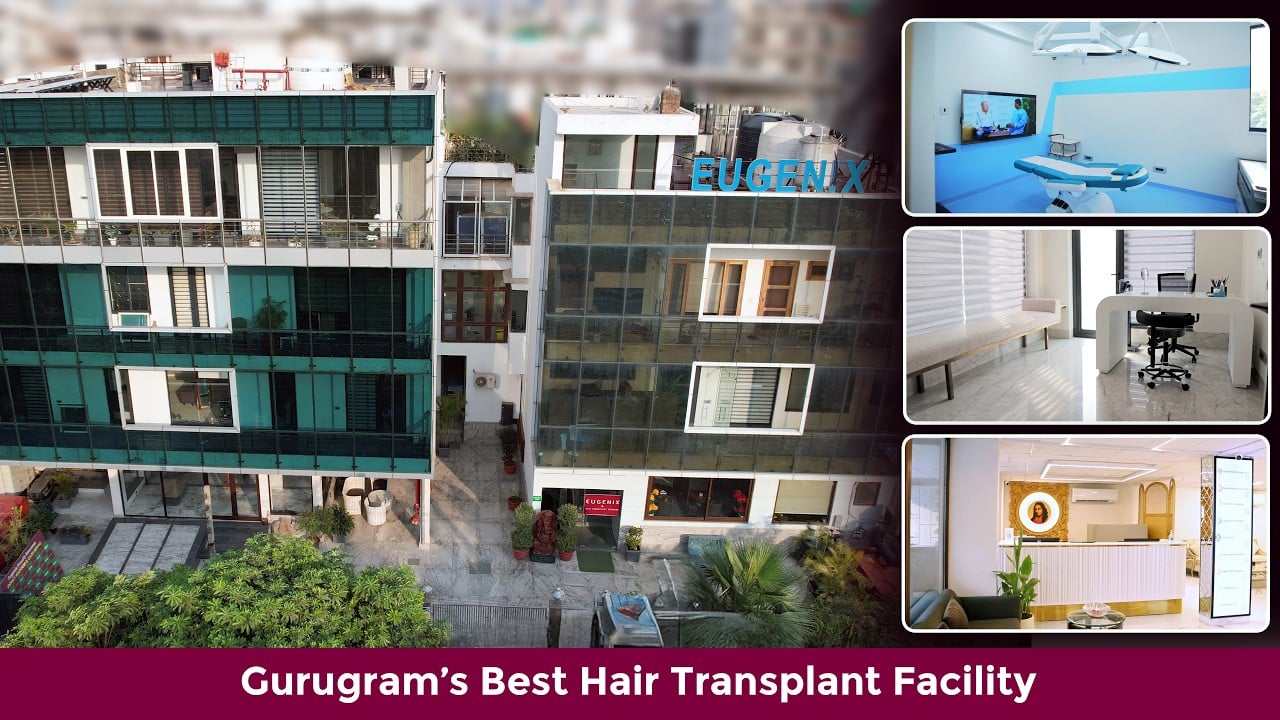
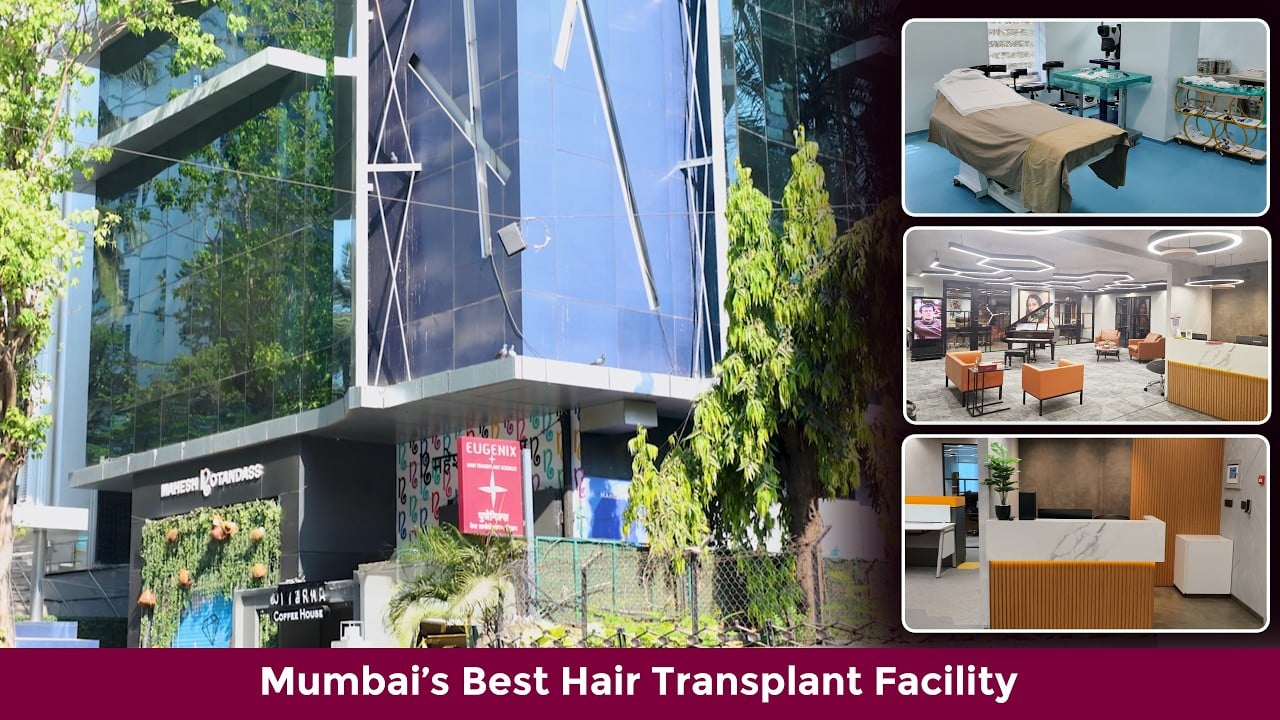
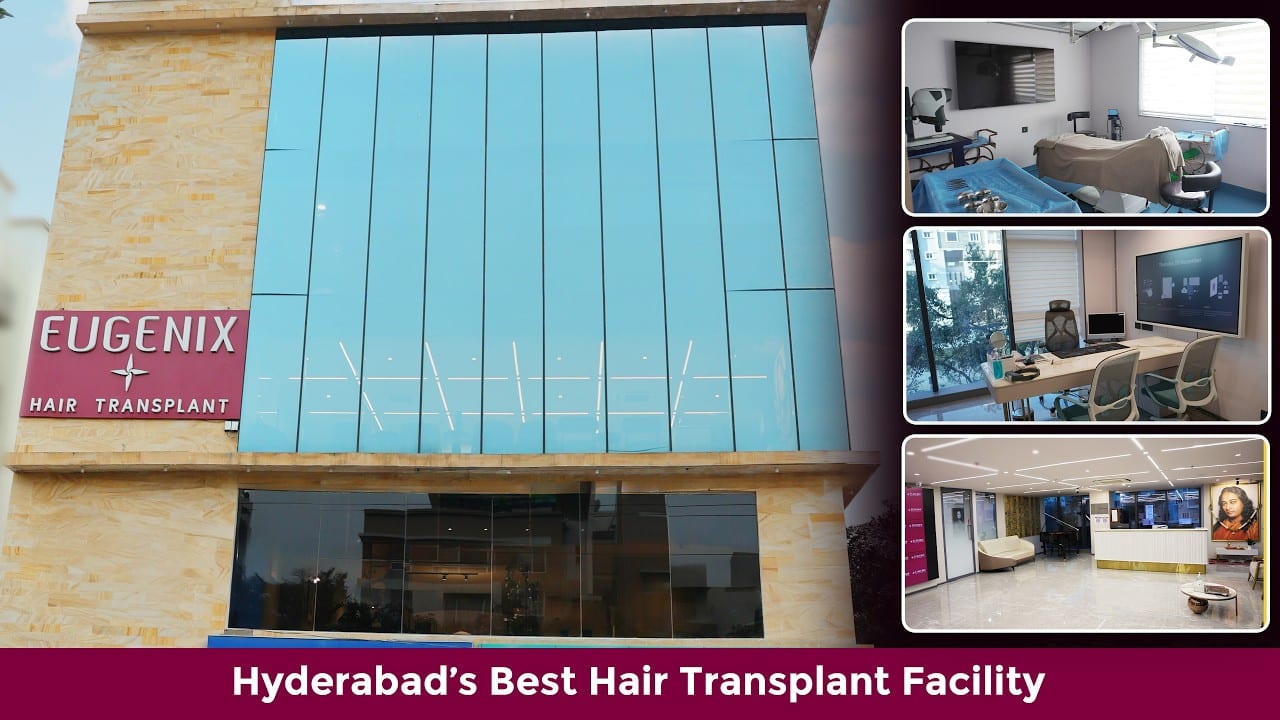
  • Superior patient care within our state-of-the-art facilities.
  • Achieving a complete and uniform hairline in just 7 months.
  • Objective and truthful guidance from our consultation team.
  • Efficient procedure completion, typically within one day.
  • A high success rate of nearly 100% for hairline transplants.
receding hairline reconstruction procedure

How is Hair Transplant for Receding Hairline Performed?

The Technique to Reconstructing a Receding Hairline:

Your distinguished surgeon will work closely with you to design a hairline that is both aesthetically appealing and tailored to your unique needs.

Considering factors such as your facial structure, age, and specific goals, the surgeon will artfully replicate the nuances of natural hairlines. This includes the integration of features like temporal points, widow’s peaks, lateral humps, and various hairline textures.

At Eugenix, we use the revolutionary Direct Hair Transplant (DHT) Technique for the hair restoration process. This variation of the FUE technique transplants healthy hair grafts into your scalp, rejuvenating your natural hairline.

Key Tips to Remember Before Opting for a Hairline Hair Transplant Procedure

Embarking on Hair Transplantation: Key Considerations:

  1. Initial Consultation: Begin your journey with a detailed consultation with a renowned hair specialist.
  2. Set Realistic Goals: Acknowledge the variability in results and keep your expectations about the outcomes realistic.
  3. Surgeon Selection: Verify the expertise and qualifications of your chosen surgeon, ensuring they have a credible history.
  4. Knowledge of Techniques: Acquaint yourself with methods such as FUE, DHT, and other hair transplant procedures for a well-informed decision.
  5. Aftercare Commitment: Prepare for the post-procedure phase and adhere to care instructions for the best results.
  6. Pre-Procedure Care: Refrain from harsh hair treatments, dyes, or chemicals prior to the surgery.
  7. Lifestyle Adjustments: Minimize alcohol consumption and avoid smoking at least a week before the procedure.
  8. Medical Disclosure: Inform us of any existing health conditions or medications.
  9. Financial Planning: Be mindful of the costs involved in hair transplantation and plan your finances accordingly, including for potential follow-ups.
  10. Patience in the Process: Understand that results take time. Allow your scalp to heal and hair to grow naturally.
  11. Avoid Sun Exposure: Protect the scalp from direct sun exposure for 7 days after the procedure.
  12. Open Communication: Feel free to discuss any queries or concerns with your surgeon, ensuring you are well-informed and comfortable.
  13. Embracing the Process: Recognize that hair transplantation is a journey towards restoring confidence. Approach it with a positive mindset.
receding-hairline-reconstruction-cost

Receding Hairline Reconstruction Cost

The cost of reconstructing a receding hairline can differ, hinging on the procedure’s complexity.

The extent of hair loss and the area that requires transplantation directly impact the overall cost. Patients with extensive hair loss or larger transplant areas may require a greater number of grafts, resulting in higher costs. Hence, a visit to our clinic or a virtual consultation is vital for a precise cost assessment.

In a comprehensive consultation, our renowned surgeons will clarify all aspects of the treatment and its corresponding costs.

Informative Videos
Life-Changing Results
boney-kapoor-hair-transplant-results-new
BeforeAfter
azhar-hair-transplant
BeforeAfter
Standard Before & After
BeforeAfter
Standard Before & After (3)
BeforeAfter
Elvish-Yadav-Hair-Transplant-Before-and-After-Results
BeforeAfter
michael-bevan-hair-transplant-results-2
BeforeAfter
Arun Govil - Male Hair Transplant Before and After
BeforeAfter
anup-jalota-hair-transplant
BeforeAfter
Adrian Brown Body Hair Transplant
BeforeAfter
male-hair-transplant-before-and-after-11
BeforeAfter
male-hair-transplant-before-and-after-10
BeforeAfter
male-hair-transplant-before-and-after-14
BeforeAfter
Client Video Testimonials
Reviews on Google
World-Class Infrastructure & Facilities
Why Choose Eugenix?

Trusted Choice of Celebrities, Cricketers and Business Leaders. Under the supervision of Dr. Pradeep Sethi & Dr. Arika Bansal, Eugenix offers international standards in Hair Transplant.

whychoose_icon_1
20,000+

Hair Transplant Procedures Performed

whychoose_icon_2
Free Assessment

Just a Phone Call or WhatsApp Away!

whychoose_icon_3
30+ Years Experience

in Hair Restoration Procedures

whychoose_icon_4
4.8 Google Ratings

From Happy Customers across the World

Frequently Asked Questions

Hairline reconstruction is far more than just “adding hair to the front.” It is a sophisticated blend of facial architecture, biological science, and high-level artistry. If a hair transplant is the house, the hairline is the curb appeal—it’s the first thing the world sees, and it defines the entire aesthetic success of the procedure.

At Eugenix, we view hairline reconstruction as the Art of the Frame. A well-reconstructed hairline doesn’t just cover a forehead; it restores the proportions of your face. Here is what truly constitutes a world-class reconstruction:

1. The Principle of Facial Symmetry (The Golden Ratio)

We don’t just “draw a line.” We analyze your unique facial structure. Using the “Rule of Thirds,” we aim for a balanced proportion between the chin, the nose, and the new hairline.

  • Bespoke Placement: We look at your bone structure, the shape of your forehead, and even your facial expressions to determine where the hairline should have been.
  • Future-Proofing: A reconstruction must look as good in your 60s as it does in your 30s. We design “mature” hairlines that account for natural aging, ensuring you never look like you’re “chasing” a teenage hairline that no longer fits your face.

2. Micro and Macro Irregularities

Nature never draws a straight line. If you look at a natural hairline, it’s “irregularly regular.”

  • The Macro-Level: We create a staggered, slightly wavy border rather than a harsh, straight “wall” of hair.
  • The Micro-Level: We use “Sentinel Hairs”—single, fine follicles placed slightly ahead of the main hairline to mimic the soft, wispy transition found in nature.

3. The Gradient of Density

A common mistake in lower-tier clinics is using thick, multi-hair grafts right at the front, which creates a “doll’s hair” or “pluggy” look.

  • The Transition Zone: We exclusively use single-hair follicular units for the first 1–2 centimeters.
  • The Defined Zone: Only behind this soft transition do we begin to place two- and three-hair grafts to build the “visual density” needed for a lush, full look.

4. The 3D Exit Angle (Angulation)

Hair doesn’t just grow “out”; it grows at very specific, often shallow angles.

  • Matching the Flow: In the hairline, follicles often exit at a 10° to 15° angle, pointing forward and slightly outward.
  • The Swirls: We meticulously replicate the natural “cowlicks” or directional flows of your original hair so that when it grows, it combs and styles exactly like your native hair.

5. Temple Point Integration

A hairline reconstruction is incomplete without addressing the temple points. If the hairline is brought forward but the temples remain recessed, the face can look artificially wide. We reconstruct the “peaks” at the sides to ensure the frame of the face is closed and cohesive.

Yes, both men and women are excellent candidates for hairline reconstruction, but the clinical approach, aesthetic goals, and technical execution differ significantly between the two.

At Eugenix, we recognize that a “one size fits all” hairline is the fastest way to an unnatural result. We treat the male and female hairline as two distinct anatomical challenges.

Hairline Reconstruction for Men: The “Restorative” Frame

For men, the goal is typically to reverse the effects of a receding hairline or thinning temples.

  • The Aesthetic Goal: To create a masculine, structured frame that looks age-appropriate. We focus on the “Golden Ratio” to ensure the hairline isn’t placed too low, which can look artificial as a man ages.
  • The Strategy: We often reconstruct the Temporal Peaks (the sides of the hairline) to “close” the face, preventing a “widowed” look and creating a more youthful, yet mature, appearance.
  • The Technique: Using our DHT (Direct Hair Transplantation) method, we ensure high density behind the initial transition zone to provide the “visual weight” that a masculine hairline requires.

Hairline Reconstruction for Women: The “Refining” Frame

In women, the goal is often less about “balding” and more about Forehead Reduction or softening a high, masculine, or thinning hairline.

  • The Aesthetic Goal: To achieve a softer, rounded, and lower contour. Unlike the flatter or slightly M-shaped male hairline, a feminine hairline is typically bell-shaped or oval.
  • The Strategy: We focus on the “Multi-layered Irregularity.” We place single-hair follicles in a staggered, wispy pattern to mimic the delicate “baby hairs” that naturally frame a woman’s face.
  • The “No-Shave” Advantage: Most of our female patients opt for our Long-Hair DHT technique, allowing us to reconstruct the hairline without shaving a single strand of their existing hair. This ensures total privacy throughout the process.

Key Technical Differences

FeatureMale HairlineFemale Hairline
ShapeMore horizontal or slightly M-shaped.Rounded, bell-shaped, or oval.
PlacementUsually 7–9 cm above the glabella (mid-brow).Often lower, 5.5–6.5 cm above the glabella.
TemplesOften left with a slight, natural recession.Rebuilt to be full and forward-leaning.
Graft TypeProgressive density (Single → Double → Triple).Ultra-fine singles at the front for maximum softness.

The short answer is yes. When a hairline is reconstructed at Eugenix, those new follicles aren’t just visiting, they are moving in for good.

However, “permanence” in hair restoration is a bit more nuanced than a simple “set it and forget it” solution. It involves a mix of biological science, strategic design, and long-term maintenance. Here is how we ensure your new hairline stands the test of time.

1. The Biology of “Donor Dominance”

The secret to a permanent hairline lies in where the hair comes from. We harvest follicles from the “Safe Donor Zone”: the area at the back and sides of your head.

Unlike the hair on your forehead or crown, these follicles are genetically programmed to be resistant to DHT (Dihydrotestosterone), the hormone that causes hair loss. When we move them to your hairline, they bring that “immunity” with them. They don’t care about their new neighborhood; they simply keep growing just as they would have at the back of your head.

2. Designing for the “Future You”

A permanent hairline is only a success if it looks good for the rest of your life. A “teenage” hairline might look great at 25, but it can look out of place or even “surgical” at 65.

  • Mature Design: We design hairlines that account for natural facial aging.
  • Conservative Planning: By placing the hairline at a height that remains aesthetically pleasing as you age, we ensure your results remain a source of confidence, not a giveaway of a past procedure.

3. The “Island” Effect: Protecting Your Native Hair

While the transplanted hair is permanent, your original (native) hair behind the transplant may still be susceptible to future loss.

  • The Risk: If you continue to lose your original hair while the transplanted hairline stays put, you could end up with a “hairline island”—a strip of permanent hair with a gap behind it.
  • The Solution: At Eugenix, we create a “comprehensive strategy.” This often includes medical management to stabilize your existing hair, ensuring the new hairline stays seamlessly integrated with the rest of your hair for decades to come.

4. The DHT Technique and Graft Survival

A permanent result requires the follicles to survive the “move” with their health intact. Our Direct Hair Transplantation (DHT) technique is designed specifically for this:

  • Zero Stress: By minimizing the time the hair spends outside the body, we ensure the follicles remain hydrated and vital.
  • High Success Rate: This leads to near-100% graft survival, meaning the density we create on day one is the density you keep for life.

Patience is the “secret ingredient” in every successful hair transplant. While the procedure itself happens in a single day, the biological transformation is a slow, methodical journey that unfolds over many months.

To observe the ultimate, mature outcomes, you are looking at a timeframe of 12 to 18 months.

Here is the month-by-month roadmap of what you will see as your new hairline evolves:

The Milestone Timeline

PhaseTimeframeWhat to Expect
The Resting PhaseMonths 1–3This is often called the “Ugly Duckling” stage. After initial shedding (shock loss), the follicles go dormant. You may look exactly as you did before the procedure—this is perfectly normal.
The Sprouting PhaseMonths 3–4Fine, baby-like hairs begin to break through the surface. They are initially thin and may grow at irregular speeds, creating a slightly “patchy” appearance.
The Growth BurstMonths 5–8This is the “Hair Busting” stage. You will see a significant increase in length and coverage. By month 6, you are usually at 50-60% of your final result.
The Density PhaseMonths 9–12The hair shafts begin to thicken and the texture matures. The “see-through” areas of the scalp begin to close as the hair gains its full “optical density.”
The Ultimate OutcomeMonths 12–18The Final Reveal. The hair has reached its maximum thickness, strength, and natural texture. The hairline is fully settled, and the results are considered permanent.

Why the 18-Month Mark Matters

While most patients are thrilled with their results by the one-year anniversary, the journey continues for a few more months for a specific reason: Maturation.

  • Texture Normalization: Initially, new hair can feel a bit wiry or “kinky.” Between months 12 and 18, the hair softens and begins to behave exactly like your original native hair.
  • The “Final Bloom”: For some areas, particularly the crown or in female restoration cases where hair length is longer, the final “fullness” takes that extra window to reach its peak.

The Eugenix Advantage: DHT Speed

Because our Direct Hair Transplantation (DHT) technique ensures the follicles spend almost zero time outside the body, they remain highly vital. While we still follow the natural 12-18 month biological clock, our patients often report a “healthier” transition because the grafts never lost their hydration or vitality during the move.

It is perfectly natural to feel a bit of trepidation when the word “surgery” is mentioned, especially when it involves your face. However, the reality of a modern hairline transplant at Eugenix is far removed from the “painful” surgeries of the past.

In fact, most of our patients describe the experience as significantly more comfortable than a routine visit to the dentist. Here is the honest, step-by-step breakdown of what you will actually feel:

1. The Only “Ouch” Moment: Local Anesthesia

The only part of the procedure where you might feel a brief sensation is at the very beginning. We use local anesthesia to numb both the donor area (where hair is taken) and the hairline (where it is placed).

  • The Sensation: You will feel a few tiny “pin-pricks” as the anesthetic is administered. This lasts for about 30 to 60 seconds.
  • Total Numbness: Once the anesthesia takes effect, your scalp becomes completely desensitized. You will be fully awake and conscious, but you will not feel any cutting, tugging, or pain for the remainder of the day.

2. During the Procedure: A Day of Relaxation

A hairline reconstruction is a meticulous process that can take several hours. Because you are pain-free, we focus on your comfort:

  • Entertainment: Many patients catch up on their favorite Netflix series, listen to podcasts, or chat with our surgical team.
  • The “Nap” Factor: It is incredibly common for our patients to actually fall asleep during the implantation phase. The environment is quiet, the process is rhythmic, and the physical sensation is practically non-existent.
  • Refreshments: We provide breaks for meals and stretching, ensuring you never feel “stuck” in the surgical chair.

3. The “Post-Op” Feeling: Minimal Discomfort

Once the anesthesia wears off (usually 4–6 hours after the procedure), the sensation isn’t “pain” so much as it is sensitivity.

  • The Feeling: Most patients describe a sensation of “tightness” or a mild soreness, similar to a moderate sunburn, in the treated areas.
  • Management: We provide a comprehensive post-operative kit that includes mild pain relievers. Most of our patients find they only need these for the first 24 to 48 hours before they are completely comfortable without medication.

4. Why the DHT Technique Hurts Less

The level of pain is often tied to the level of trauma. Because our Direct Hair Transplantation (DHT) technique uses specialized micro-punches (often less than 1mm in diameter), the “injury” to the skin is microscopic.

  • Faster Healing: Smaller incisions mean less inflammation.
  • Less Swelling: By using precision tools, we minimize the internal trauma that typically leads to the post-op “heavy-headed” feeling.

If you can handle a few seconds of a tiny needle prick, you can handle a hair transplant. The “pain” is temporary and minimal, but the confidence of a restored hairline is permanent.

Related Blogs
Giga Hair Transplant Sessions for Advanced Hair Loss | Maximum Grafts, Naturally Fuller Hair
20 Jan 2026

Restore extensive baldness with Giga hair transplant sessions offering maximum graft survival, natural hairlines and dense, permanent hair restoration.

What’s Trending in Hair Restoration in 2026
05 Feb 2026

In a world where trends shift fast and gimmicks rise even faster, the clinics that matter are the ones rooted in balanced judgment. Where technology enhances skill, not replaces it.

How the Mantis Microscope Enables Precision and Natural Results in Hair Transplants at Eugenix Hair Sciences
12 Mar 2026

At Eugenix Hair Sciences, we don’t chase shortcuts. We chase outcomes, and outcomes come from details. In the hands of our Hair Experts, the Mantis microscope isn’t just a lens.

Hair Transplant Clinic India Locations

Gurugram:
934 & 935P, Opp. Amity International School, Sector 51, Gurugram, Haryana - 122018

Hyderabad:
2nd Floor, Mahathi Towers, Novotel Hotel Road, Izzathnagar, Shilpa Hills, Hyderabad, Telangana - 500084

Mumbai:
3rd Floor, Notan Plaza, 898, Turner Rd, Bandra West, Mumbai, Maharashtra - 400050

Bhubaneswar:
Plot 39-C, VIP Colony, IRC Village, Nayapalli, Bhubaneswar, Odisha - 751015

Book an
Appointment
Graft
Calculator
🇺🇸 English 🇩🇪 Deutsch 🇫🇷 Français 🇪🇸 Español 🇮🇹 Italiano