Before & After Images Book a Free Assessment Graft Calculator
crown hair transplant surgery

Restore Your Crown and Glory with Crown Hair Transplant

What is Crown Hair Transplant?

A crown hair transplant, also known as a vertex or crown restoration, is a surgical procedure designed to address hair loss or thinning at the crown or vertex area of the scalp. The crown is the top back of the head, and hair loss in this region can be a common concern for both men and women.

The procedure begins with a thorough consultation between the patient and a qualified hair transplant surgeon. During this consultation, the surgeon evaluates the extent of hair loss, discusses the patient’s goals, and determines the most suitable approach for the crown hair transplant.

The crown hair transplant typically involves the extraction of hair follicles from the donor area, usually at the back or sides of the scalp, where hair is genetically resistant to balding.

Eugenix’s revolutionary Direct Hair Transplant (DHT) technique has proven effective results for all Hair Restorations, including the crown area. Our surgeons pay careful attention to the angle, direction, depth and density of the transplanted hair to ensure a natural-looking result.

Recovery from a crown hair transplant is generally smooth, with patients experiencing complete results between 14-16 months. It’s important to note that the newly transplanted hair may initially shed before entering a growth phase, gradually emerging thicker, more permanent hair. The shedding phase is normal, and there is no cause for worry.

Eugenix Hair Sciences is the right place to address your crown Hair Transplant concerns. With our path-breaking DHT technique, individuals can achieve natural-looking & long-lasting results, restoring confidence and a fuller head of hair.
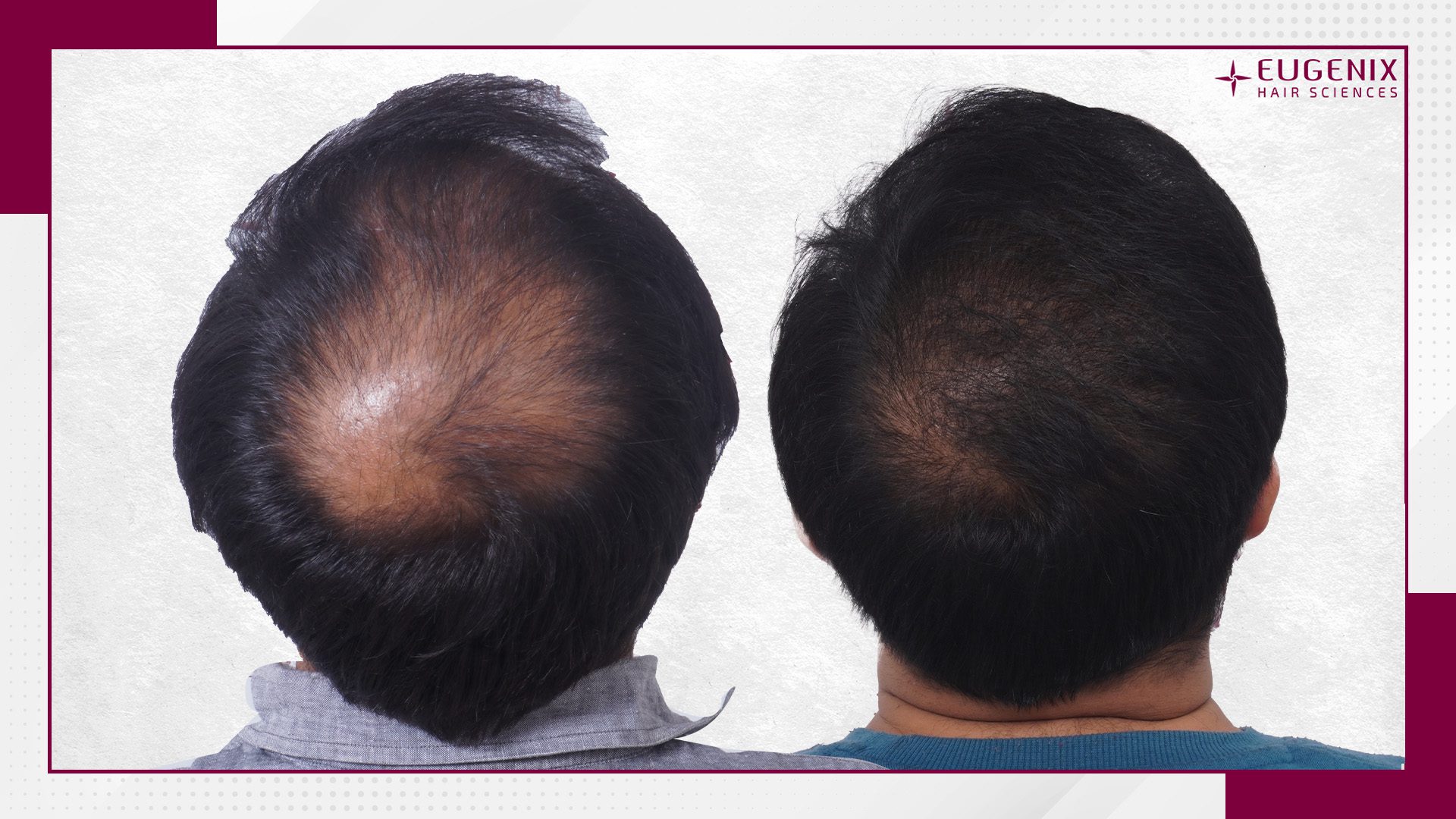
Karl-Crown-After-and-Before-300x169

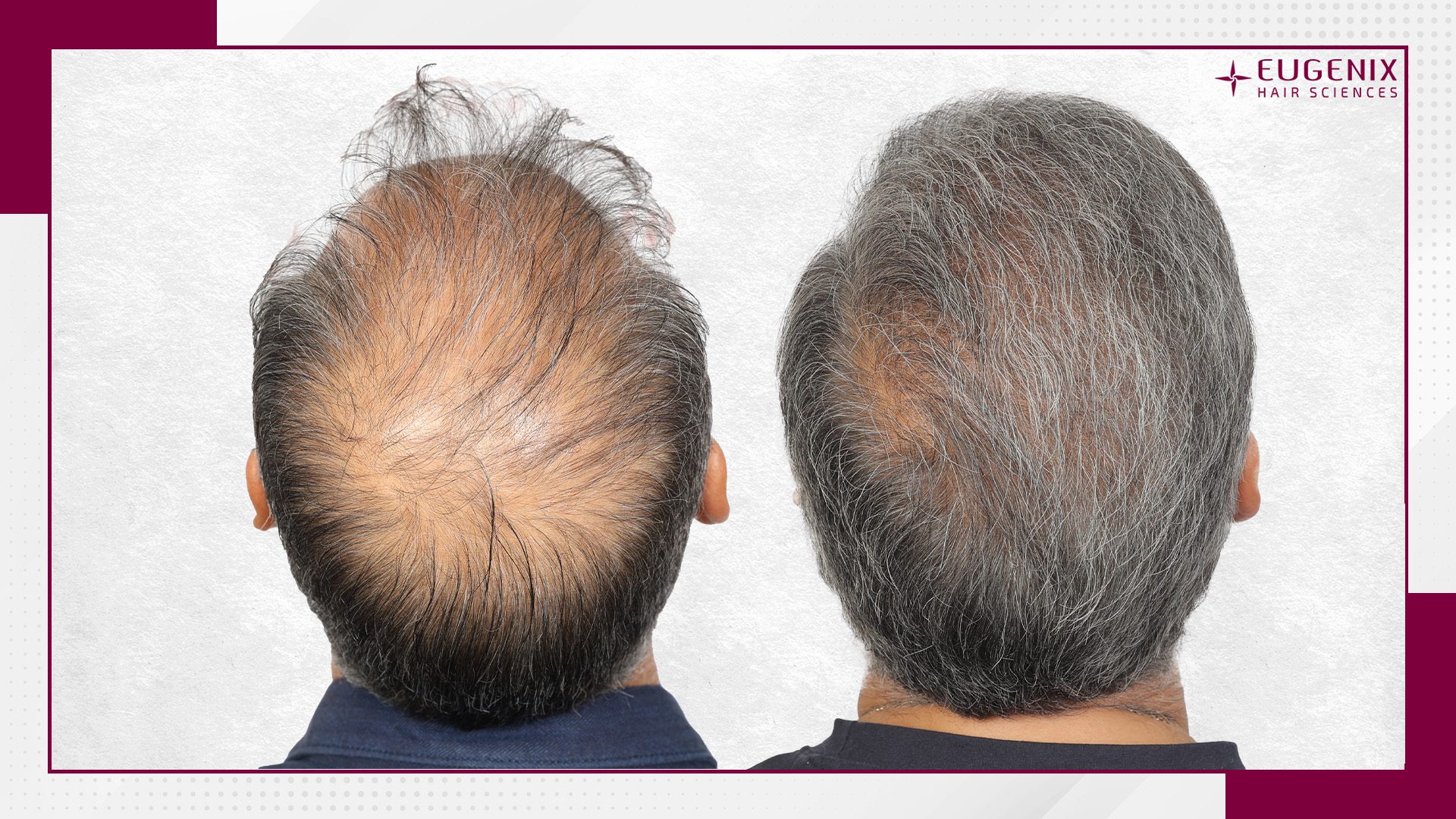
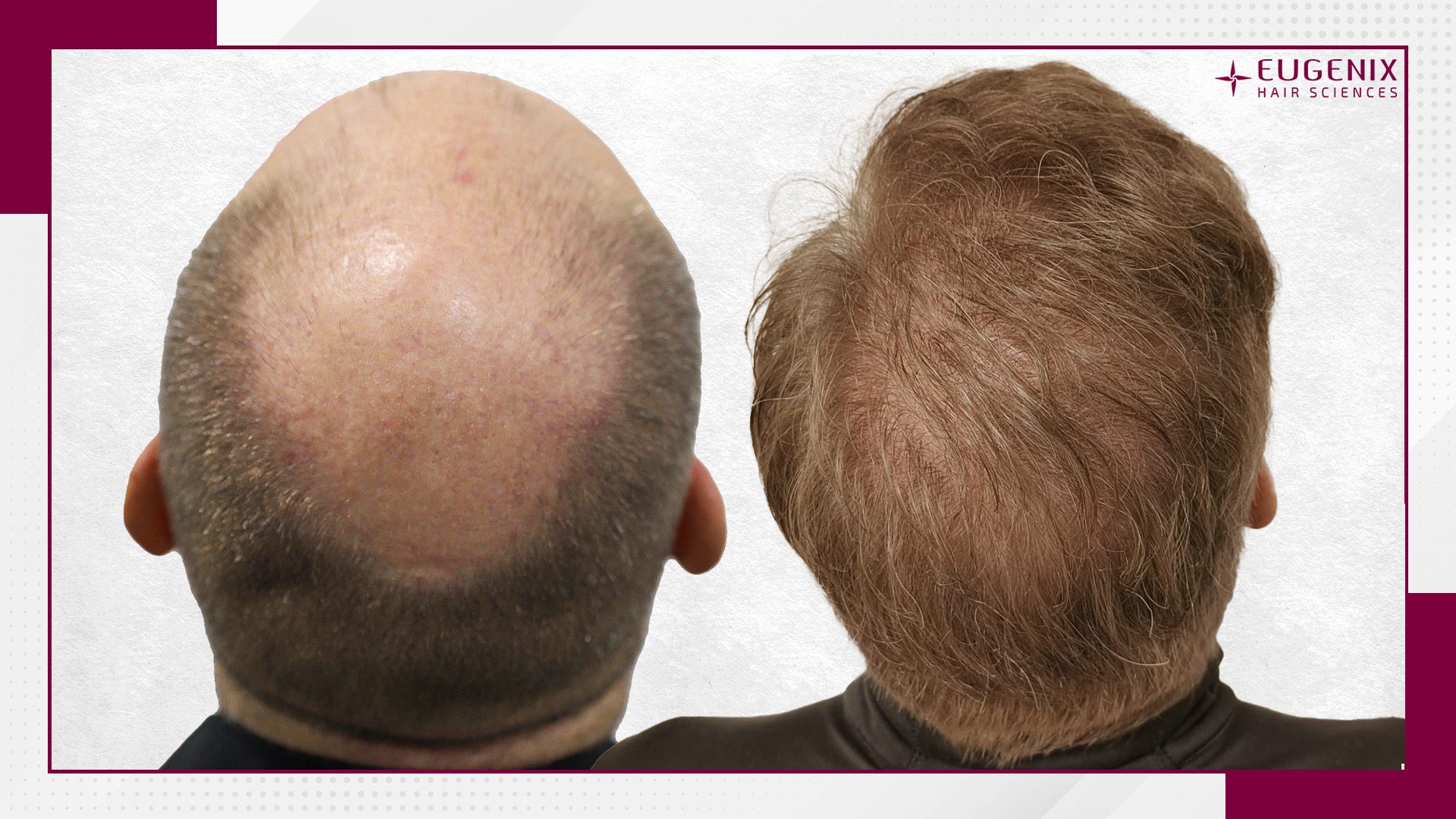
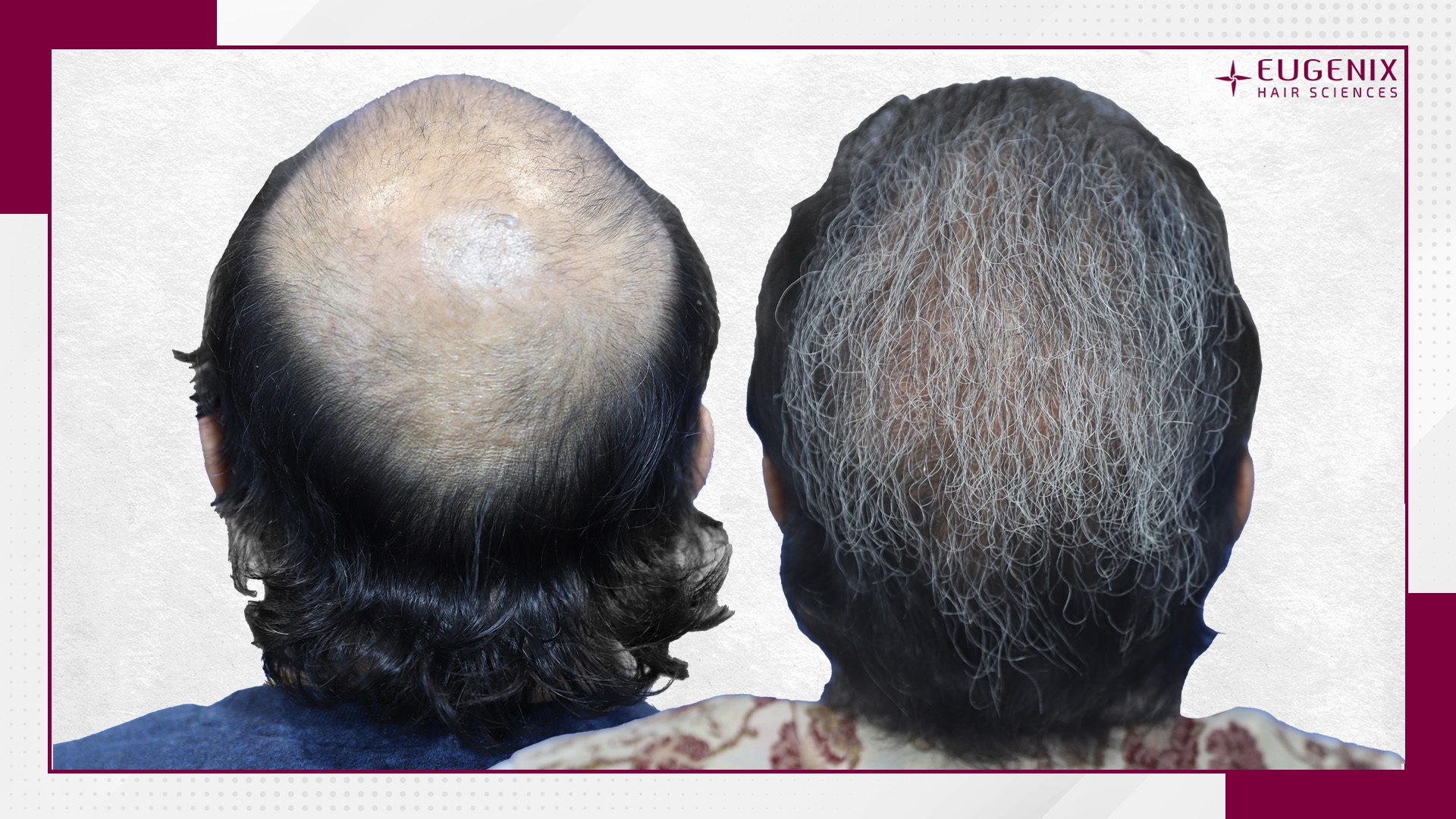
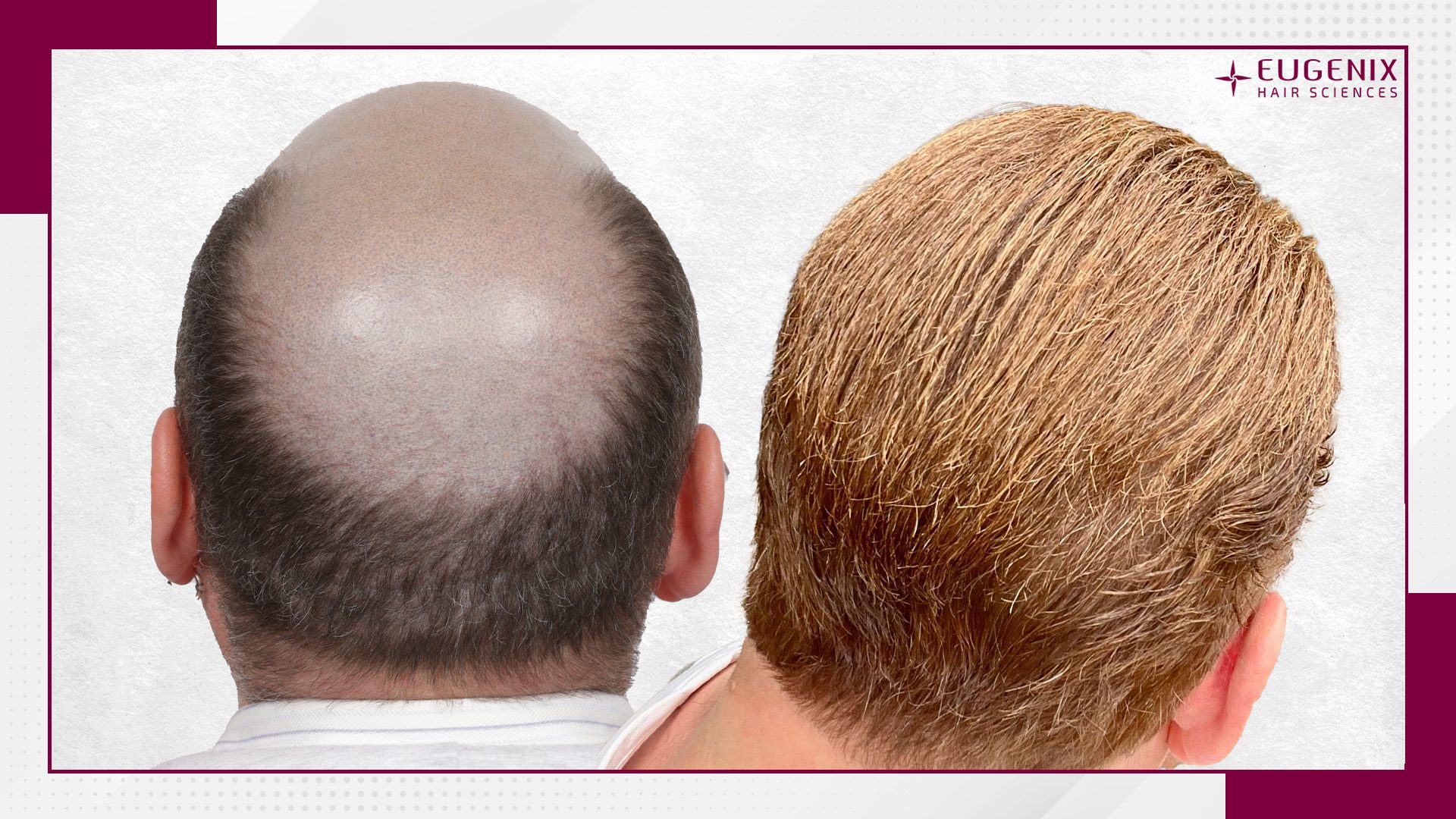
Before & After Images

Say goodbye to thinning hair and welcome a fuller, more luxurious head of hair.

Our proficiency, state-of-the-art facilities, and proven track record ensure a complete transformation.

Reclaim your confidence and youthful look. Experience a sense of elegance, both internally and externally!

Who are the Ideal Candidates for Crown Hair Transplant?

If you are considering a crown hair transplant, you might meet the criteria:

  • You are 25 or older: The crown area is more prone to baldness, and transplanting too early may necessitate additional procedures if the hair loss pattern is not stable.
  • You have a healthy donor area: This is crucial, especially if other areas of the scalp need a transplant. If donor hair is insufficient, your surgeon may advise against transplanting the crown area.
  • You have realistic expectations: The crown area naturally appears thinner, and achieving high-density packing may be challenging, particularly with a weak donor area.
  • You are in good health: Before surgery, we will require confirmation and screen your overall health.

Benefits of Having Crown Hair Transplant

  • Surgical success rates reaching 100% at Eugenix Hair Sciences
  • Outstanding coverage observed from 10-18 months after the surgery
  • Implementation of advanced techniques by proficient surgeons
  • Exceptional support provided by our customer care team
  • Swift turnaround, with majority of procedures completed in one day (depends on the required number of grafts too)
crown hair transplant procedure

How is Crown Hair Transplant Procedure Performed?

Any reliable crown hair transplant experience first begins with a Consultation. You will witness a commitment to brilliance when you walk into any Eugenix Hair Sciences Clinic.

Treatment Options Available for Hair Transplant For Crown:

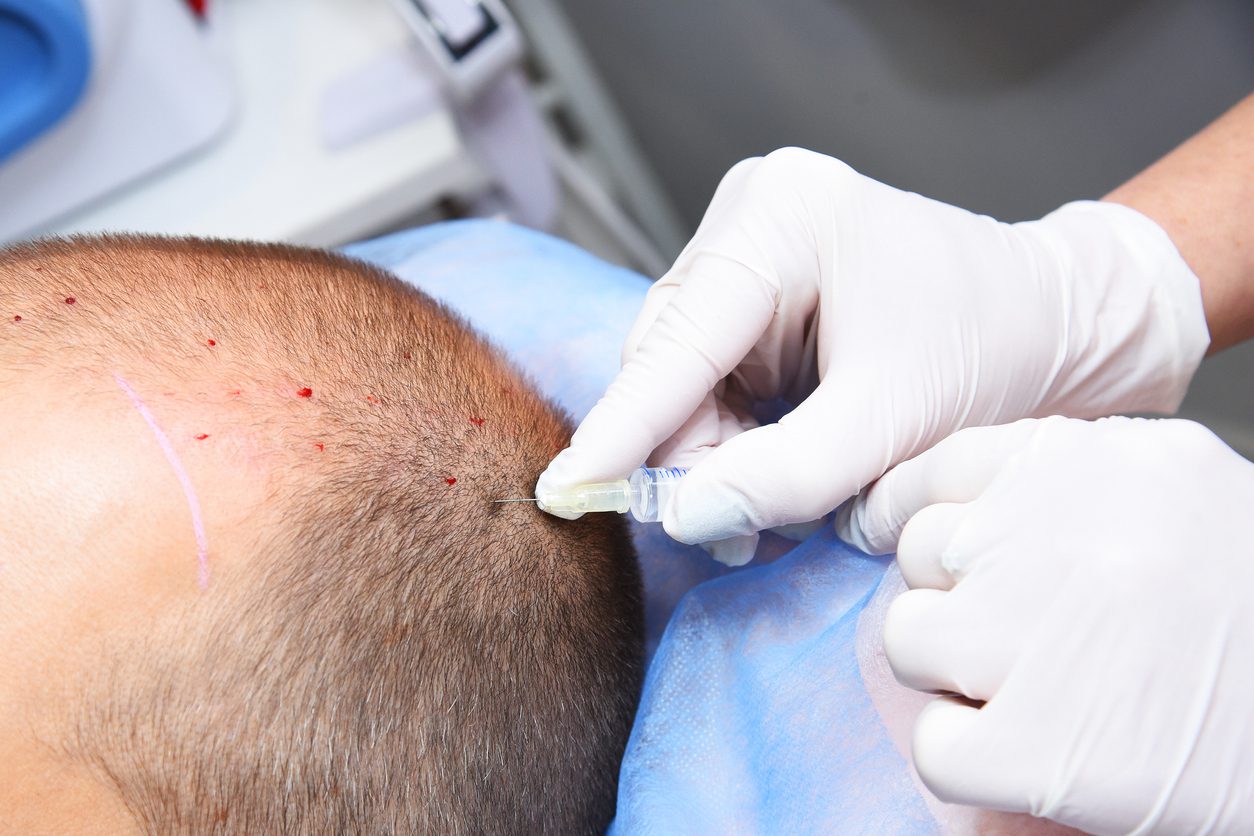
Our Direct Hair Transplant (DHT) Technique represents a refined or modified version of the FUE procedure for crown hair transplant. This aims to enhance the survival and growth of hair follicles by minimising the handling and out-of-body time of each graft. Following surgery, patients typically benefit from swift healing and results.

Crown Hair Transplant Aftercare:

Eugenix takes pride in delivering outstanding patient care throughout your hair restoration journey. Our Eugenix-Care Team remains in regular touch with you and is available round-the-clock to assist you throughout your Hair Restoration Journey.

Key Tips to Remember Before Opting for a Crown Hair Transplant Procedure

  • Consultation First: Start with a comprehensive consultation at our Clinic or online over Video Call.
  • Realistic Expectations: Understand that results vary; maintain realistic expectations about the outcomes.
  • Do Your Research: Multiple reputed online forums supply reliable information and real-world experiences.
  • Understand the Methods: Familiarise yourself with FUE, DHT, and other transplant techniques to make an informed choice.
  • Post-Procedure Care: Be prepared for aftercare; follow guidelines diligently for optimal results.
  • Avoid Harsh Treatments: Steer clear of hair treatments, dyes, or chemicals in the weeks leading up to the procedure.
  • Limit Alcohol and Smoking: Reduce alcohol intake and refrain from smoking at least a week prior.
  • Health Check: Inform your surgeon about any medications or health conditions you have.
  • Budget Appropriately: Hair transplants can be costly; ensure you’ve budgeted for the procedure and potential follow-ups.
  • Patience is Key: Results aren’t instantaneous. Give your scalp time to heal and your hair to grow.
  • Avoid Sun Exposure: Protect the scalp from direct sun exposure for 7 days after the procedure.
  • Ask Questions: Don’t hesitate to clarify doubts with us; feeling confident and informed is essential.
  • Embrace the Journey: A hair transplant is not just a procedure but a journey towards renewed confidence. Embrace the process.
crown hair transplant cost

Crown Hair Transplant Cost

The cost of a Crown hair transplant may fluctuate from patient to patient, contingent upon the complexity of the process. The choice of hair transplant technique plays a significant role in determining the overall cost.

Therefore, it’s imperative that you visit our clinic to obtain a precise pricing estimate.

There, an in-depth consultation with our expert Counsellors will clarify all your queries about the Crown hair transplant process and its cost.

Informative Videos
Life-Changing Results
Nikhil Chopra Crown After and Before
BeforeAfter
Christian Crown After and Before
BeforeAfter
Karl-Crown-After-and-Before-300x169
BeforeAfter
Anup Jalota Crown After and Before
BeforeAfter
BHRAMRESHWAR JHA Crown After and Before
BeforeAfter
Adrain Brown Crown After and Before
BeforeAfter
Client Video Testimonials
Reviews on Google
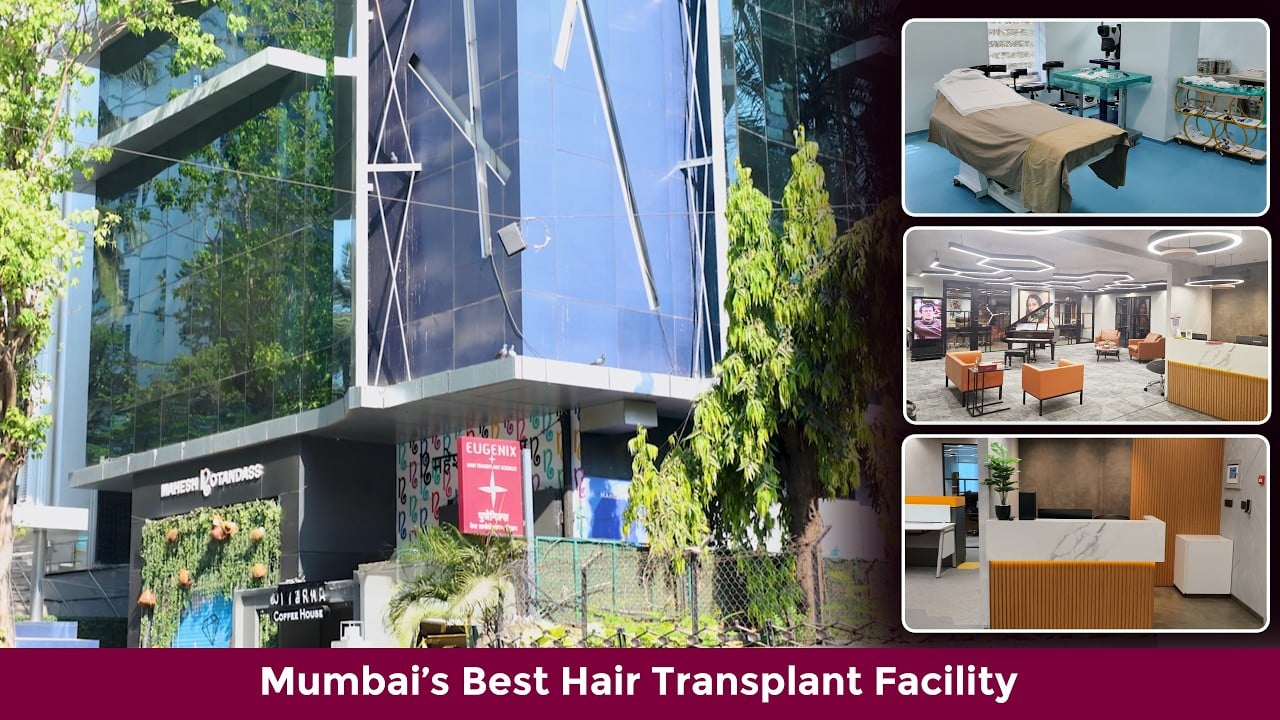
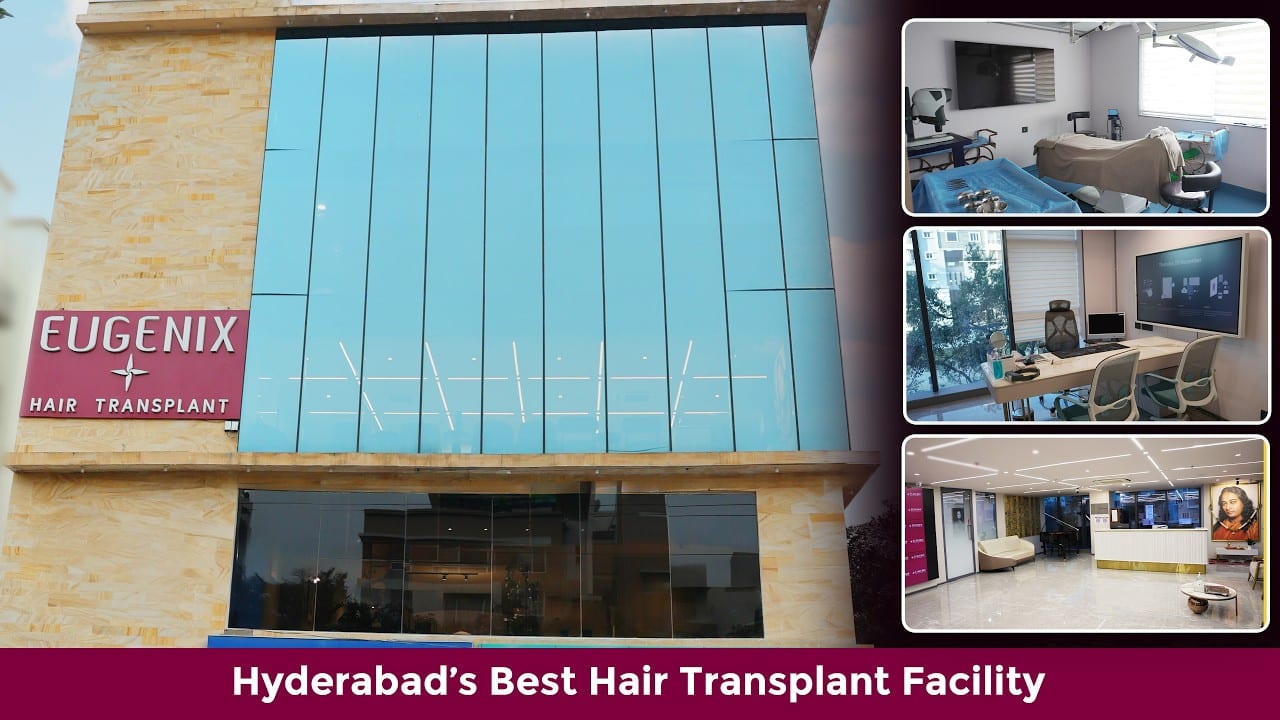
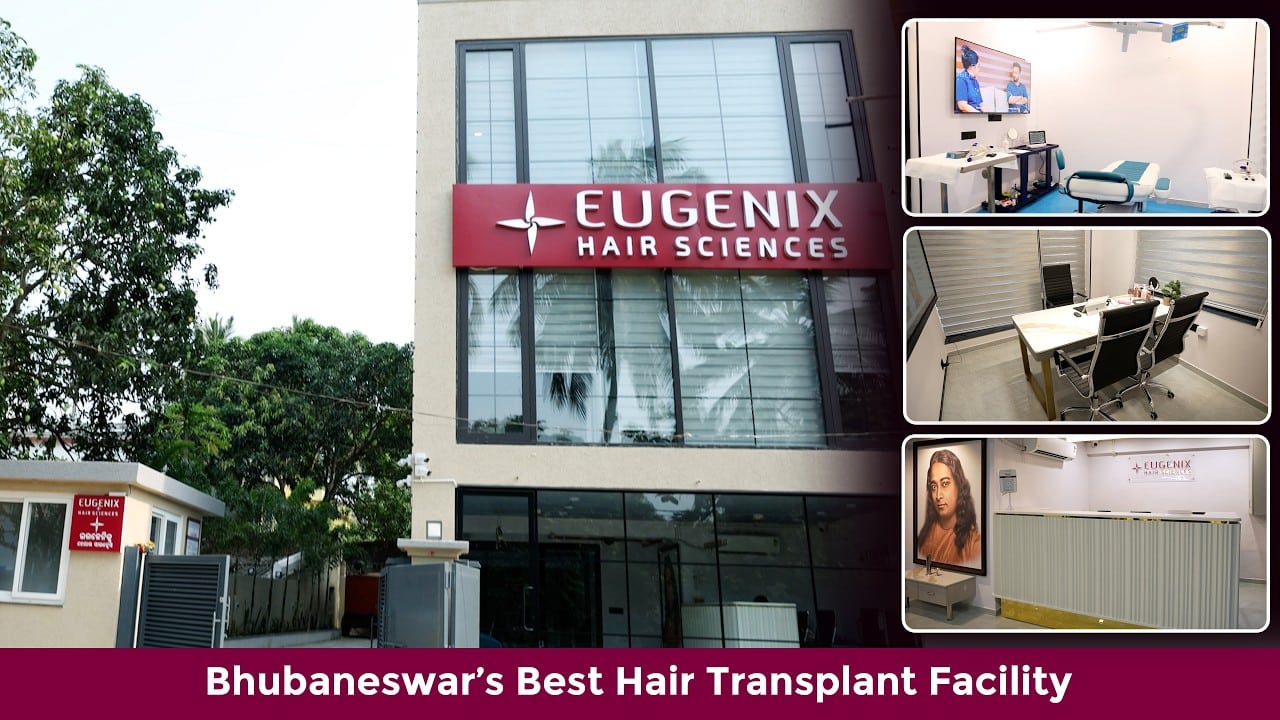
World-Class Infrastructure & Facilities
Why Choose Eugenix?

Trusted Choice of Celebrities, Cricketers and Business Leaders. Under the supervision of Dr. Pradeep Sethi & Dr. Arika Bansal, Eugenix offers international standards in Hair Transplant.

whychoose_icon_1
20,000+

Hair Transplant Procedures Performed

whychoose_icon_2
Free Assessment

Just a Phone Call or WhatsApp Away!

whychoose_icon_3
30+ Years Experience

in Hair Restoration Procedures

whychoose_icon_4
4.8 Google Ratings

From Happy Customers across the World

Frequently Asked Questions

A crown hair transplant, often referred to as a vertex restoration, is a specialized procedure focused on the back-top portion of the scalp. While it may seem similar to a frontal transplant, the crown is widely considered the most technically demanding area of the scalp to restore.

At Eugenix, we treat the crown not just as a “bald spot to be filled,” but as a complex geometric puzzle that requires a high degree of mathematical and artistic precision.

1. The Challenge of the “Crown Whorl”

The most defining characteristic of the crown is the whorl—the spiral pattern where hair growth changes direction in a circular fashion.

  • The Spiral Geometry: Every person has a unique whorl that can be clockwise or counter-clockwise. To achieve a natural result, we must meticulously replicate this spiral by varying the angle and direction of every single graft.
  • The “See-Through” Risk: Because the hair in the crown grows in different directions, it doesn’t “layer” over itself as easily as hair on the front of the head. This makes the crown naturally appear thinner, requiring an expert hand to create enough “optical density” to hide the scalp.

2. Higher Graft Requirements

Because the crown is a large, circular area, it often “consumes” a significantly higher number of grafts than a hairline.

  • The Surface Area: To achieve satisfying coverage in a completely bald crown, it’s not uncommon to require 2,500 to 4,000+ grafts.
  • Strategic Planning: Because donor hair is a finite resource, we often prioritize the frontal hairline first. We only move to the crown once the “frame of the face” is secure, ensuring you have a balanced, natural look as you age.

3. The “Slow Bloom” (Longer Timeline)

Patients often notice that the crown takes longer to “fill in” compared to the front.

  • Blood Supply: The vertex area naturally has a slightly lower blood supply than the frontal scalp, which can lead to a slower growth cycle.
  • The 18-Month Rule: While a hairline might look great at 10 months, the crown often requires 15 to 18 months to reach its full, mature density. Patience is key when restoring the vertex.

4. The Eugenix DHT Approach for the Crown

The crown is an area where graft survival is paramount because the demand for hair is so high.

  • Maximized Vitality: Our Direct Hair Transplantation (DHT) technique ensures that follicles spend minimal time outside the body. This is critical for the crown, where every surviving hair contributes to the final “swirl” effect.
  • Artistic Angulation: We use specialized implanters to ensure that the exit angle of each hair is extremely shallow and follows your natural spiral, preventing the “clumping” or “patchy” look often seen in less experienced clinics.


Determining candidacy for a crown (vertex) hair transplant is a strategic clinical decision. Because the crown is often referred to as a “black hole” for grafts due to its large surface area and circular growth pattern, the ideal candidate is someone who balances biological readiness with a sustainable donor supply.

Here are the key factors that define an ideal candidate for crown restoration:

1. Age and Stability of Hair Loss

The crown is typically the last area we recommend treating in younger patients.

  • The “Halo” Risk: If a man in his early 20s restores his crown but continues to lose the “native” hair around it, he may eventually be left with an isolated island of transplanted hair surrounded by a bald ring (the “halo effect”).
  • The Ideal Age: Candidates are generally over the age of 35, or those whose hair loss pattern has significantly stabilized through time or medical management. This ensures that the restoration we perform today remains aesthetically integrated a decade from now.

2. Robust Donor Supply

The crown is a high-demand area. Because hair grows in a spiral (the whorl), it doesn’t “layer” like the hair on the front of the head, meaning it requires significantly more grafts to achieve the same visual density.

  • The Scalp Bank: An ideal candidate has a dense, stable donor area at the back and sides of the head.
  • Alternative Sources: At Eugenix, we often look for “Body Hair Transplant” (BHT) candidates. If your scalp donor is limited, having a strong beard or chest hair supply makes you an excellent candidate, as these robust follicles can be used to add massive “bulk” and density to the crown.

3. Favorable Hair Characteristics

The physical properties of your hair play a major role in how “full” the crown looks after a transplant.

  • Texture: Candidates with coarse or wavy hair are ideal because the individual hair shafts are thicker and cover more surface area of the scalp.
  • Contrast: Low contrast between hair color and skin color (e.g., light hair on fair skin or dark hair on dark skin) helps minimize the “see-through” look, leading to a more satisfying visual result.

4. Realistic Expectations

The goal of a crown transplant is often “socially acceptable coverage” rather than “teenage density.”

  • Strategic Density: An ideal candidate understands that the crown may always look slightly thinner than the front because of the way the hair fans out.
  • Prioritization: Many ideal candidates are those who have already restored their frontal hairline and now wish to “close the circle” at the back to complete their transformation.

5. Commitment to Medical Maintenance

Because the crown is highly sensitive to hormonal thinning, the best candidates are those willing to support their surgery with medical management. Using prescribed treatments helps protect the existing “native” hair around the transplanted grafts, ensuring the result stays seamless and full over the long term.

The Recovery Journey: What to Expect

Recovery from a crown (vertex) transplant is a game of patience. Because the skin on the crown is slightly thicker and the blood supply is more dispersed than at the hairline, the “bloom” of new hair follows a slightly longer biological clock.

The Critical First Week: Anchoring the Grafts

The first seven days are the most important for graft survival. During this window, the follicles are “plugging in” to your local blood supply.

  • The 45-Degree Rule: For the first three nights, you’ll need to sleep with your head elevated. This prevents post-operative swelling from settling around your eyes and, more importantly, ensures you don’t accidentally rub the crown grafts against your pillow.
  • The Gentle Wash: Around day four, you will begin specialized, touch-free head washes. You’ll notice tiny, pin-sized scabs forming—these are nature’s way of protecting the entry points while they heal.
  • Initial Sensation: Expect some tightness or mild soreness. Most patients find that standard, over-the-counter relief is more than enough to manage this for the first 48 hours.

The Second Week: Turning the Corner

By day ten, the “surgical” look is largely behind you. The grafts are now firmly anchored, and the risk of dislodging them is virtually zero.

  • Scab Shedding: As you continue your daily washes, the scabs will naturally flake away. By day fourteen, your scalp should look clean and pink, similar to a mild sunburn.
  • Social Readiness: Most patients feel comfortable returning to the office or social settings by this point. While the transplanted area will be visible if you keep your hair short, it no longer looks “clinical.”

Weeks 3 to 8: The “Ugly Duckling” Phase

This is the most mentally taxing part of the journey. You will experience Shock Loss, where the newly transplanted hair shafts fall out.

  • Don’t Panic: This shedding is a healthy sign. The follicle beneath the skin is simply entering a resting phase before it begins to produce permanent, high-quality hair.
  • The Wait: For a few weeks, you may look exactly as you did before the procedure. This is the “dormant” period where all the magic is happening beneath the surface.

Months 4 to 18: The Slow Bloom of the Crown

The crown is known for its “slow-and-steady” growth. Unlike the hairline, which can look quite dense by month nine, the crown takes longer to mature.

  • The Texture Shift: When hair first sprouts around month four, it may feel fine or slightly wiry.
  • The Filling In: Between months 6 and 12, you will see a dramatic increase in coverage. However, the “ultimate” result—where the hair reaches its full thickness and the natural “whorl” pattern is fully visible—usually matures between month 15 and 18.

Your Post-Op Lifestyle Timeline

  • Office Work: Most return within 3 to 4 days.
  • Light Exercise: Walking is encouraged after 3 days; avoid heavy weightlifting for 3 weeks.
  • Headwear: Loose hats are fine after 7 days; wait 4 weeks for tight-fitting helmets.
  • Swimming: Avoid chlorinated pools for 4 weeks to protect the sensitive new skin.

When considering the cost of a crown hair transplant, it is important to view it as a highly specialized architectural project rather than a standard medical procedure. The “vertex” or crown is widely considered the most demanding area of the scalp to restore, and the investment reflects the complexity required to achieve a natural, swirling growth pattern.

At Eugenix, we move away from “flat-rate” pricing because every crown restoration is bespoke. Several key factors determine the scale of the investment:

1. The “Graft Guzzler” Effect

  • The crown is often referred to in the industry as a “black hole” for grafts. Because hair in this area grows in a circular, fanning spiral (the whorl), it does not “layer” over itself like the hair at the front of the head. To achieve a look that isn’t “see-through,” the crown typically requires a significantly higher volume of follicles—often ranging from 2,500 to over 4,000 grafts for a single area. The primary driver of cost is the total number of these living units required to provide adequate coverage.

2. The Artistry of the Whorl

  • Replicating a natural crown whorl is one of the most difficult skills for a hair restoration surgeon to master. It requires meticulous angulation of every single graft to mimic your original spiral. Choosing a tier of service that involves our most senior, world-renowned consultants—who specialize in these complex geometric patterns—will represent a different level of investment than a standard procedure.

3. Sourcing the Donor Hair

  • For advanced crown thinning, the scalp donor area alone may not be enough to provide the necessary density. In these cases, we often perform Body Hair Transplants (BHT), harvesting robust follicles from the beard or chest to “bulk up” the crown. Sourcing hair from multiple areas of the body is a more time-intensive and technically demanding process, which is reflected in the overall cost.

4. The DHT Technique Advantage

  • Our proprietary Direct Hair Transplantation (DHT) method ensures that these precious follicles spend almost zero time outside the body. This “real-time” transplantation requires a larger, highly synchronized surgical team to ensure maximum graft vitality. While this represents a higher clinical overhead, it is the key to ensuring that nearly 100% of the grafts transplanted into the crown survive and thrive for a lifetime.

5. Why India Offers Global Value

  • India has become the epicentre for high-end hair restoration because of the extraordinary value proposition. At Eugenix, you receive celebrity-grade artistry and world-leading technology at a fraction of the investment required in major Western hubs like London, New York, or Dubai, without ever compromising on the surgical excellence or the luxury of the experience.

The short answer is yes, but with a significant caveat: the crown is widely considered the ultimate test of a hair restoration surgeon’s skill. While a hairline is a “2D” frame, the crown is a 3D geometric puzzle.

To achieve a result that looks like nature and not a surgical “patch,” we must master the physics of the hair spiral. Here is how we ensure your crown restoration at Eugenix passes the most scrutinized “high-definition” inspection.

1. Replicating the “Crown Whorl”

The most defining feature of a natural crown is the whorl, the spiral pattern where hair radiates outward from a central point.

  • Directional Precision: Every single graft must be placed to follow your original clockwise or counter-clockwise spiral. If the hairs are planted in a uniform direction, the result looks “pluggy” and unnatural.
  • The “Spiral Logic”: We meticulously map the transition points where the hair direction shifts from pointing toward the neck to pointing toward the ears. Replicating this 360-degree flow is what makes the transplant invisible.

2. The Art of Shallow Angulation

Hair in the crown doesn’t grow straight up like grass; it lies relatively flat against the scalp.

  • The “Toothbrush” Fail: If grafts are implanted at a 90-degree angle, they stick out awkwardly, making it impossible to style.
  • The Eugenix Approach: We implant at extremely acute angles (often between 20° and 30°). This ensures the hair “shingles” over itself, providing better coverage and a soft, natural flow that moves with you.

3. Achieving “Optical Density”

Because the hair in a whorl fans out in all directions, the crown naturally shows more scalp than the front of the head.

  • The Trap of Over-Density: Trying to create a “carpet” of hair in the crown often looks artificial. Nature intended for the crown to have a certain “translucency.”
  • Strategic Placement: We focus on building optical density. By placing the most robust multi-hair grafts at the core of the thinning area and softening the edges with finer follicles, we mimic the natural gradient of a healthy scalp.

4. Texture and Color Matching

A natural crown doesn’t just have “hair”; it has the right hair.

  • The Donor Match: We select follicles from your donor area that match the coarseness and “curl” of your vertex.
  • The DHT Factor: Our Direct Hair Transplantation (DHT) technique ensures that these grafts are relocated with their vitality intact. Because they spend almost no time outside the body, they grow back with the same thickness and luster as they had in the donor zone.

5. Managing the “See-Through” Reality

Even a perfectly executed crown transplant may look slightly “thinner” under direct, harsh lighting compared to the hairline. This is a biological reality of the circular growth pattern.

  • The Success Metric: A successful, natural-looking crown is one where you can walk through a crowded room or sit in a restaurant without anyone noticing a “bald spot” or a surgical intervention. It’s about socially acceptable density that stands up to everyday life.
Related Blogs
Indian Film Actor Surendra Pal’s Hair Transformation Journey at Eugenix Hair Sciences
15 Jun 2025

Much like how other celebrities (think Boney Kapoor or Elvish Yadav) have trusted Eugenix for their hair transformations, Surendra Pal placed his bet on Eugenix’s renowned expertise.

How the Mantis Microscope Enables Precision and Natural Results in Hair Transplants at Eugenix Hair Sciences
12 Mar 2026

At Eugenix Hair Sciences, we don’t chase shortcuts. We chase outcomes, and outcomes come from details. In the hands of our Hair Experts, the Mantis microscope isn’t just a lens.

Lights, Camera, Transplant! Boney Kapoor picks Eugenix for Hair Transformation
13 Feb 2024

Boney Kapoor recently embarked on a life-changing journey with Eugenix Hair Sciences, opting for a hair transplant to address his Grade 7 baldness. A total of 6,627 grafts, all sourced from the scalp, and were meticulously implanted to provide full coverage, including the temples.

Hair Transplant Clinic India Locations

Gurugram:
934 & 935P, Opp. Amity International School, Sector 51, Gurugram, Haryana - 122018

Hyderabad:
2nd Floor, Mahathi Towers, Novotel Hotel Road, Izzathnagar, Shilpa Hills, Hyderabad, Telangana - 500084

Mumbai:
898, Notan Plaza, 2nd & 3rd Floor, Turner Road, Bandra West, Mumbai, Maharashtra - 400050

Bhubaneswar:
Plot 39-C, VIP Colony, IRC Village, Nayapalli, Bhubaneswar, Odisha - 751015

Book an
Appointment
Graft
Calculator
🇺🇸 English 🇩🇪 Deutsch 🇫🇷 Français 🇪🇸 Español 🇮🇹 Italiano