Before & After Images Book a Free Assessment Graft Calculator

Burn Hair Transplant

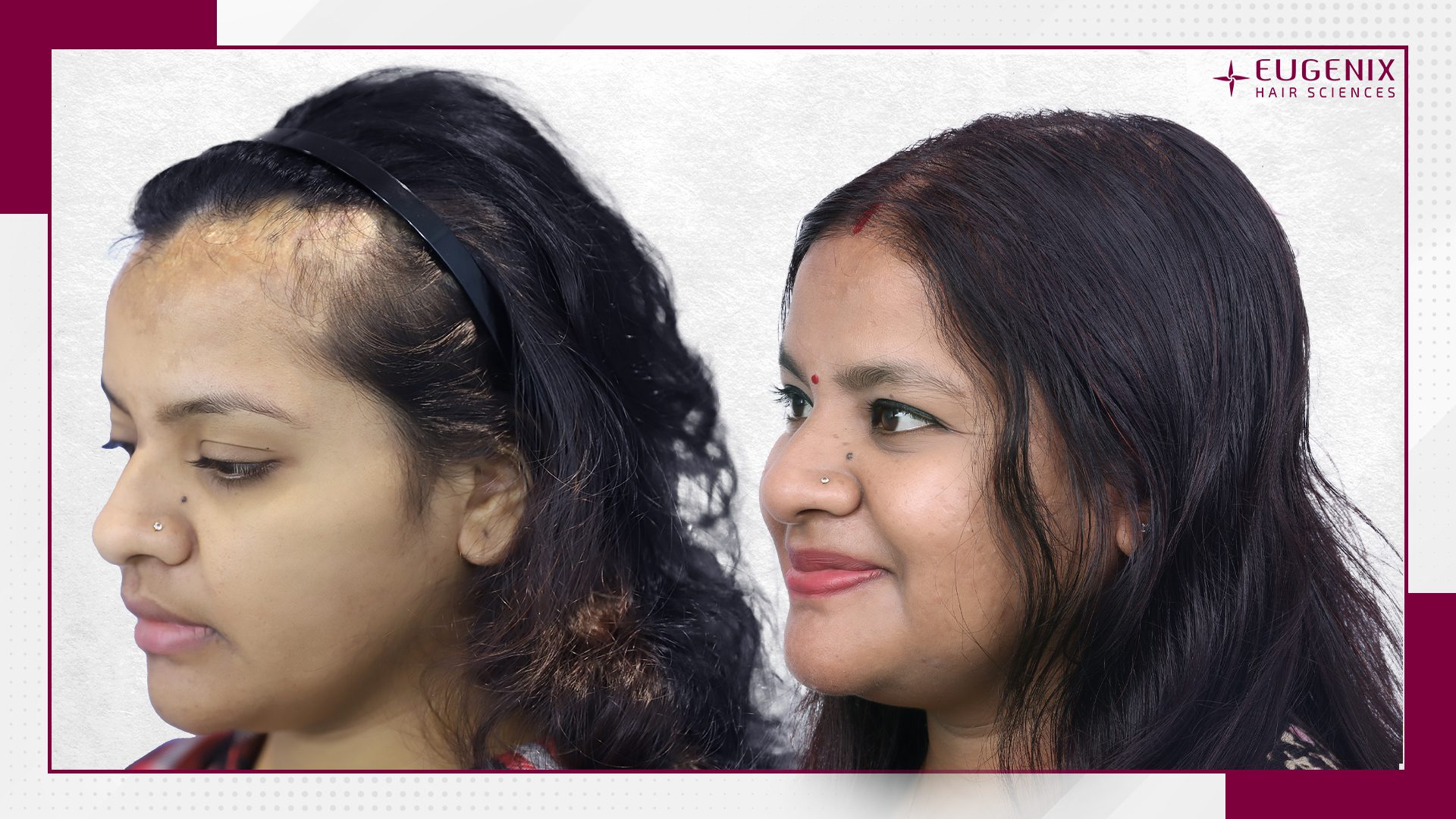
Burn Hair Transplant surgery is a specialized procedure and Burn Scar Alopecia treatment designed to restore hair in areas of the scalp affected by burn injuries. These injuries often result in hair loss due to damage to the hair follicles and scalp skin.

burn-hair-transplant

Burn Hair Transplant Surgery and Scar Treatment

Burn injuries can have severe, lasting impacts on a person’s life. Beyond the physical scarring, these injuries often leave emotional wounds that can impact one’s self-esteem and confidence. One area where burn victims can encounter significant difficulties is hair loss caused by burn trauma. However, advancements in medical science have made it possible to restore hair in burn-affected areas. This article explores the realm of burn hair transplant surgery, with a focus on the expertise of Eugenix Hair Sciences.

Understanding Burn Hair Transplant Surgery:

Burn Hair Transplant surgery is a specialized procedure and Burn Scar Alopecia treatment designed to restore hair in areas of the scalp affected by burn injuries. These injuries often result in hair loss due to damage to the hair follicles and scalp skin. While general hair transplant methods are also applicable, burn hair transplant surgeries require additional care and precision due to the delicate nature of the scar tissue.

Eugenix Hair Sciences – Pioneers in Burn Hair Transplant Surgery:

Eugenix Hair Sciences has long been a pioneer in the field of hair restoration. Our commitment to enhancing lives extends to burn victims seeking to regain lost hair. By adopting the latest technologies and techniques, Eugenix has been successful in providing burn hair transplant solutions to many patients.

At Eugenix Hair Sciences, each burn hair transplant surgery is tailored to the patient’s unique needs. We have an experienced team that understands the complexities involved in operating on scar tissue. They employ refined techniques to ensure that the new hair follicles are successfully transplanted into the scarred areas.

How Does Burn Hair Transplant Work?

The process of a burn hair transplant involves harvesting healthy hair follicles, typically from the back of the patient’s head, and transplanting them into the burn-affected scalp areas. This procedure is carried out with utmost care, ensuring minimal discomfort for the patient.

The transplanted hair follicles, once settled in their new location, begin to produce hair naturally. With time, this can significantly improve the appearance of the burn-affected area, helping patients regain their self-esteem and confidence.

The Journey of Transformation at Eugenix Hair Sciences:

Eugenix Hair Sciences is committed to providing comprehensive care throughout the burn hair transplant journey. From the initial consultation to post-operative care, every step is guided by an experienced medical team.

Our approach to burn hair transplant surgery goes beyond the clinical procedure. They understand the emotional implications of burn injuries and strive to provide compassionate and empathetic care. Their ultimate goal is to help patients regain their confidence and live fulfilling lives.

Your journey to reclaim your hair and your confidence begins with a single step. Reach out to us today and discover the possibilities of burn hair transplant surgery. After all, life is about embracing new beginnings, and Eugenix Hair Sciences is here to help you embark on this transformative journey.
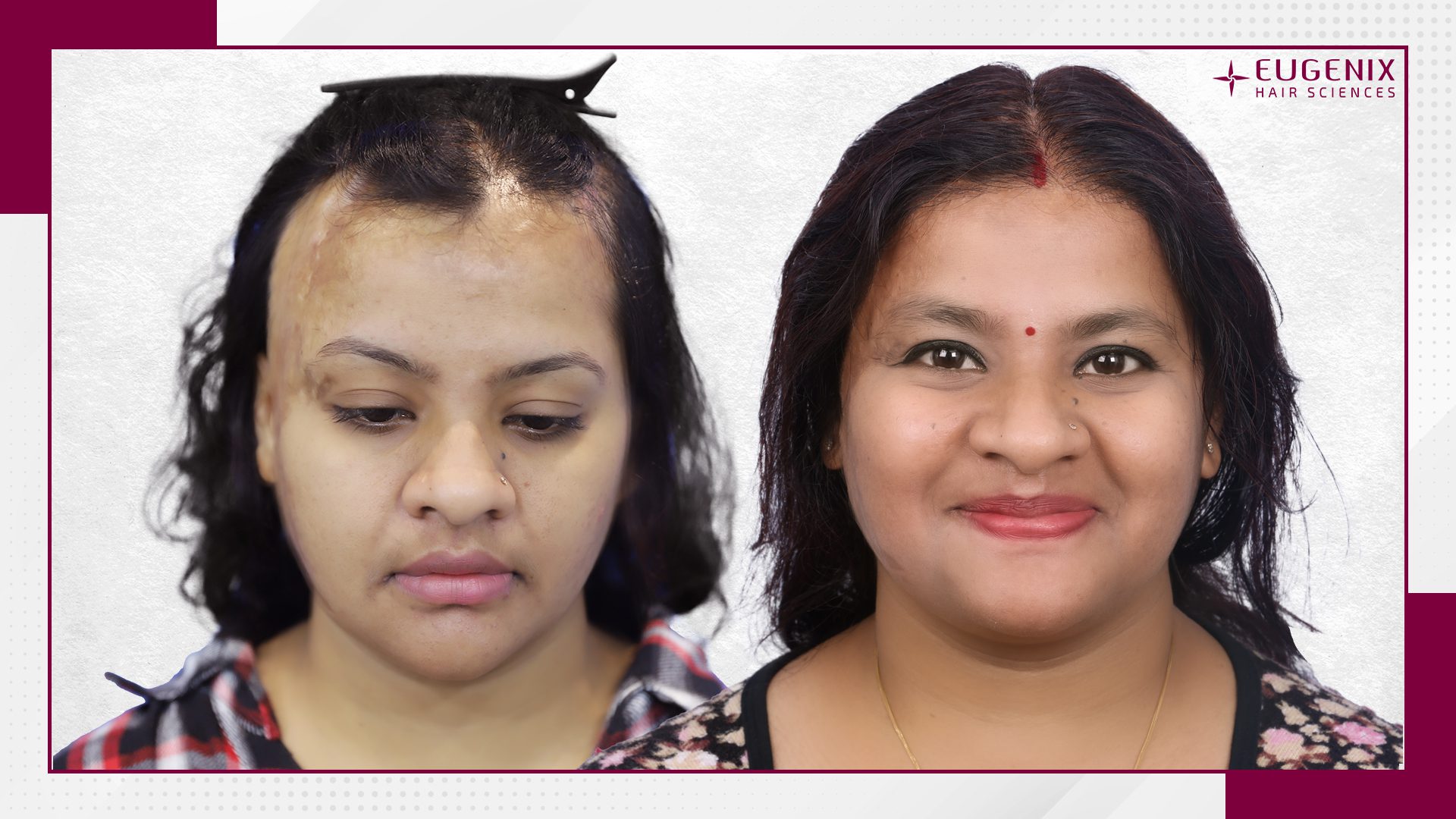
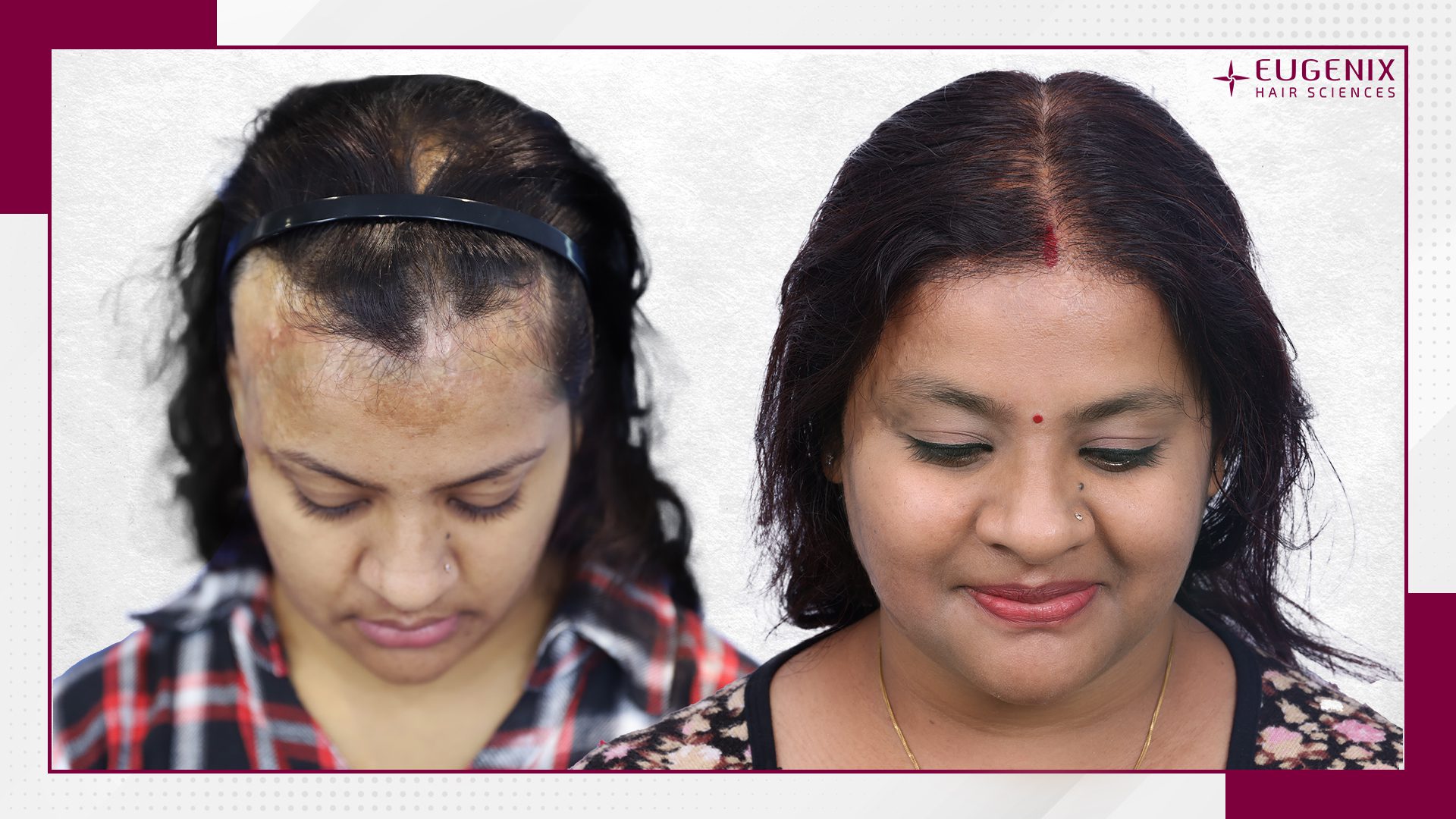
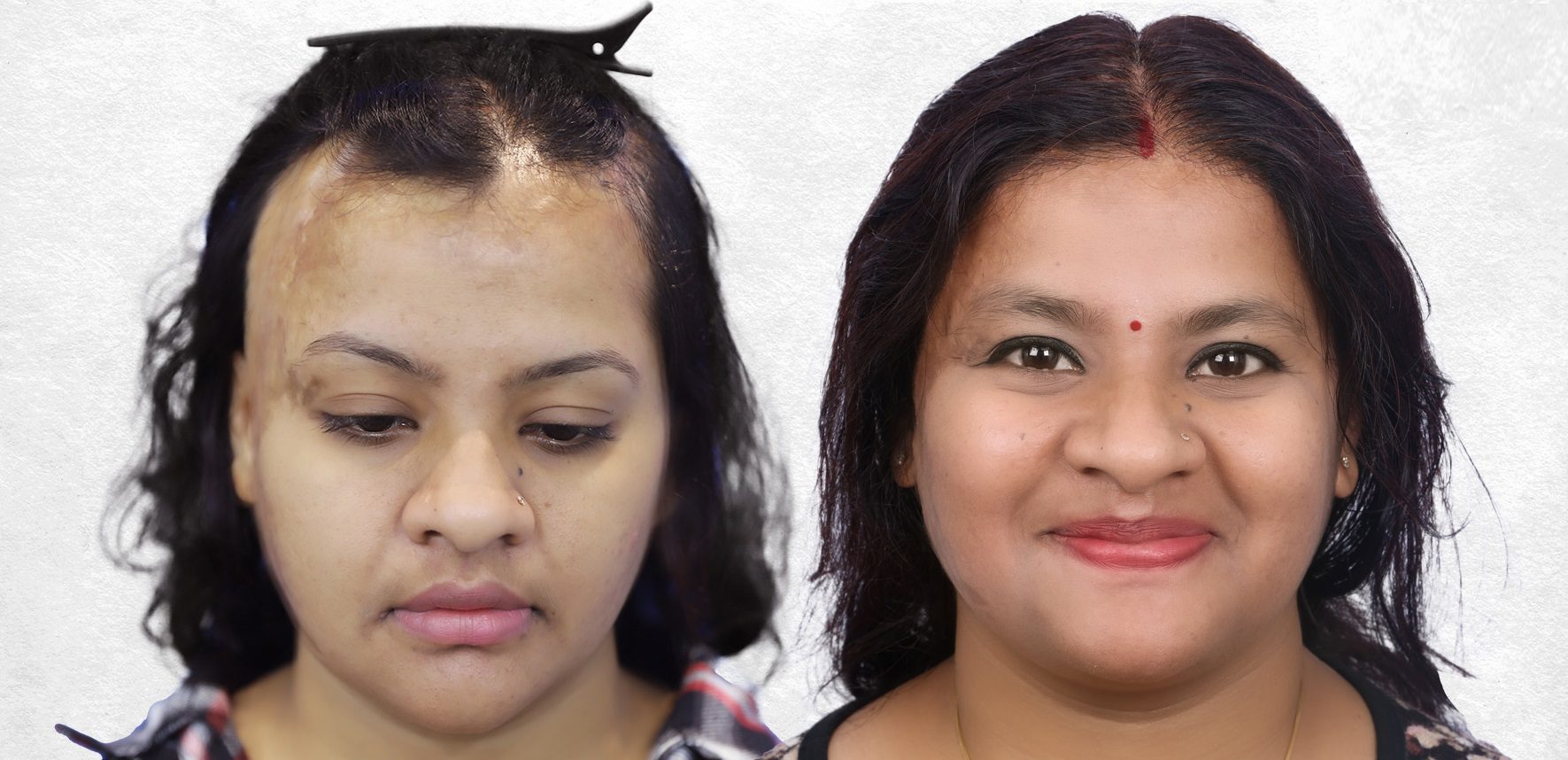
Life-Changing Results
Burn Case copy
BeforeAfter
Burn Case 1 copy
BeforeAfter
Burn Case 2 copy
BeforeAfter
Watch Videos
Reviews on Google

Frequently Asked Questions

How Does Burn Hair Transplant Work?

The process of a burn hair transplant involves harvesting healthy hair follicles, typically from the back of the patient’s head, and transplanting them into the burn-affected scalp areas. This procedure is carried out with utmost care, ensuring minimal discomfort for the patient.

The transplanted hair follicles, once settled in their new location, begin to produce hair naturally. With time, this can significantly improve the appearance of the burn-affected area, helping patients regain their self-esteem and confidence.

A burn hair transplant restores hair to scalp areas affected by burn scars. The technique extracts healthy hair follicles from the patient’s safe donor area, typically the back and sides of the head, and implants them into the affected area to camouflage scarring with naturally growing hair.

Burn hair transplant surgery uses the same follicular unit principles as standard hair restoration, but burn scar tissue has reduced blood supply, lower elasticity, and altered architecture, so it is treated as a sub-category of scar alopecia management.

Hair loss caused by burn injuries occurs when heat, chemicals, or electrical injury destroys hair follicles in the affected area. Superficial burns may leave some follicles intact and allow natural hair regrowth. Deeper, full-thickness burn trauma destroys follicles completely and causes permanent hair loss in the scarred zone. Where skin grafting has been performed during burn treatment, the grafted skin typically does not carry hair follicles. This pattern is described clinically as burn scar alopecia.

A hair transplant for burn scars is only considered once the scar is stable and non-progressive. Burn injuries vary widely in depth and location, so each case is assessed individually:

– The burn has fully healed and is no longer changing in appearance
– There is no active inflammation, infection, or ongoing tissue remodelling
– At least 12 months have typically passed since the original injury
– A clinical assessment confirms the scarred areas can support graft placement

Active or progressive scarring is a contraindication for hair transplant surgery. Scar maturity and wound healing status are the first things assessed at an initial consultation.

The key difference is the recipient site. On a healthy scalp, blood vessels in the dermis supply oxygen to a newly implanted follicle. In burnt skin and scar tissue, that network is partly replaced by collagen-heavy tissue with reduced blood supply. This affects:

– Lower graft survival of transplanted hair follicles
– Lower density planning, matched to the limited blood supply
– Fewer grafts per session
– More total sessions, usually more than one
– Slower recovery in scar tissue

The complexities involved make burn hair transplant surgery a clinical specialisation rather than a routine hair transplant procedure. The goal is camouflage and blending, with natural-looking results that meaningfully reduce scar visibility.

Test grafting is the standard protocol for any hair transplant on scar tissue. In the first session, 100 to 500 grafts are implanted into the affected area and hair regrowth is observed over 6 to 8 months. If survival is good, the patient proceeds with subsequent sessions. If survival is poor, honest counselling follows before further investment. This protects burn victims from spending donor follicles on a recipient site that may not support full coverage. The burn hair transplant surgery is therefore staged deliberately rather than rushed.

Multiple sessions are standard because density is intentionally kept low per session to maximise survival, the test grafting period must elapse between sessions, and larger areas of scarring need cumulative coverage. A patient with a moderately sized burn scar may go through two to three sessions over an 18 to 36 month period.

Graft survival in burn scar tissue typically ranges from 30 to 80 percent, compared with close to 100 percent on healthy scalp. Shallower, pliable scars with reasonable vascularity sit closer to the upper end; deeper, atrophic, or thick scars sit closer to the lower end. The single biggest determinant is blood supply. Surgical technique, density planning, and adjunctive treatments such as PRP can support outcomes, but they cannot fully overcome the underlying tissue limitation.

Within a single session, the timeline mirrors a standard hair transplant. Transplanted hair sheds between 30 and 90 days. Initial hair regrowth begins around month 4, with visible improvement by month 6 to 8 and final results at 10 to 12 months. Across multiple sessions, the overall journey to restore hair growth in the affected area can extend to 18 to 36 months.

Yes. A burn hair transplant is not advisable in such cases as:

– The scar is still active, inflamed, or progressive
– The skin is very thin, atrophic, or fragile
– Blood supply is too poor to support meaningful follicle survival
– The donor area cannot provide enough grafts without compromising its appearance
– A medical or psychological factor makes surgery unsuitable

In some situations a burn hair transplant becomes possible later. In others, alternatives such as scalp micropigmentation are more appropriate. For various reasons, honest disclosure on feasibility is the foundation of any responsible initial consultation.

Eugenix Hair Sciences performs burn scar cases using the flagship DHT (Direct Hair Transplant) technique developed by the founders. DHT was first published in a peer-reviewed international journal in 2013 as a modified follicular unit extraction technique. A separate peer-reviewed paper, published in 2019, validated the use of implanters in pre-made recipient sites.

DHT is a minimally invasive technique particularly relevant for compromised tissue. The doctor creates recipient sites using the coronal slit approach, governed by the ADDD principle of angle, depth, density, and direction, and performs follicular unit scoring during extraction. Senior surgical assistants carry out graft removal and implantation using the SAVA Implanter, a patented device manufactured by a third party. Extraction and implantation happen simultaneously, keeping out-of-body time under 30 minutes compared with three to four hours in standard FUE. For burn scar tissue, where every minute outside the body adds stress to vulnerable grafts, this matters.

At Eugenix, major complications are exceptionally rare, supported by over 20,000 procedures across more than 15 years of clinical practice.

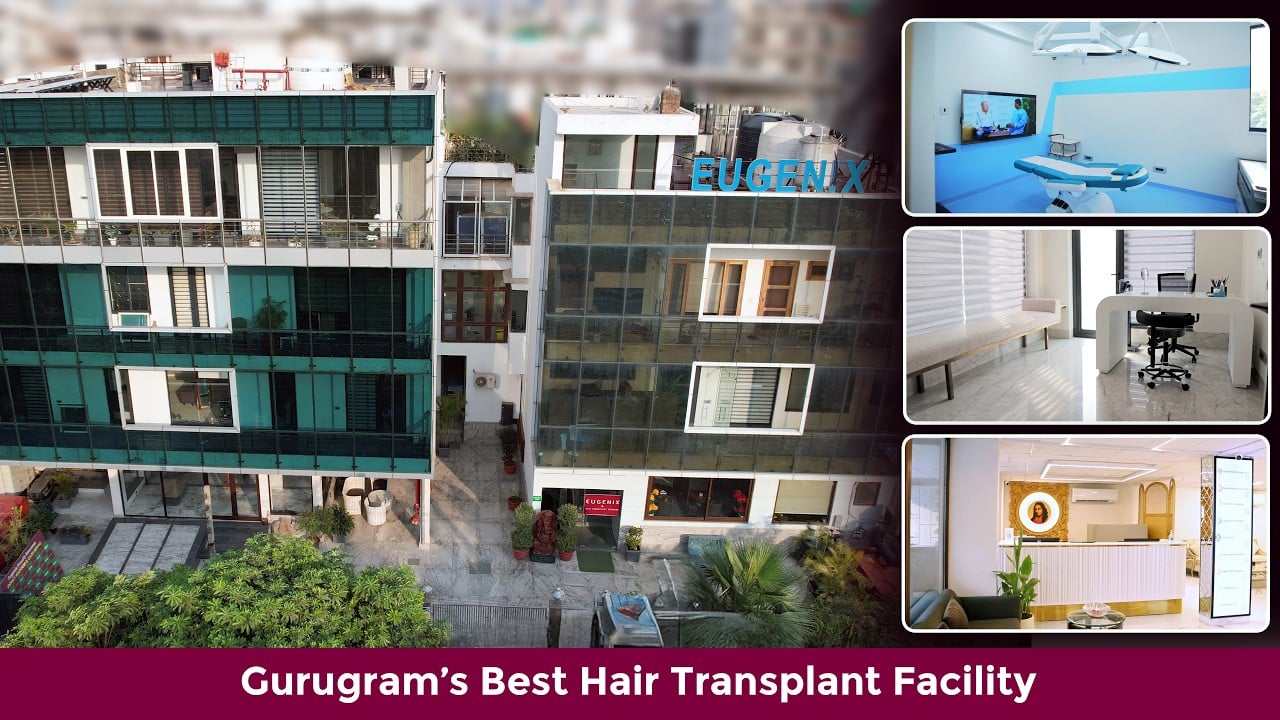
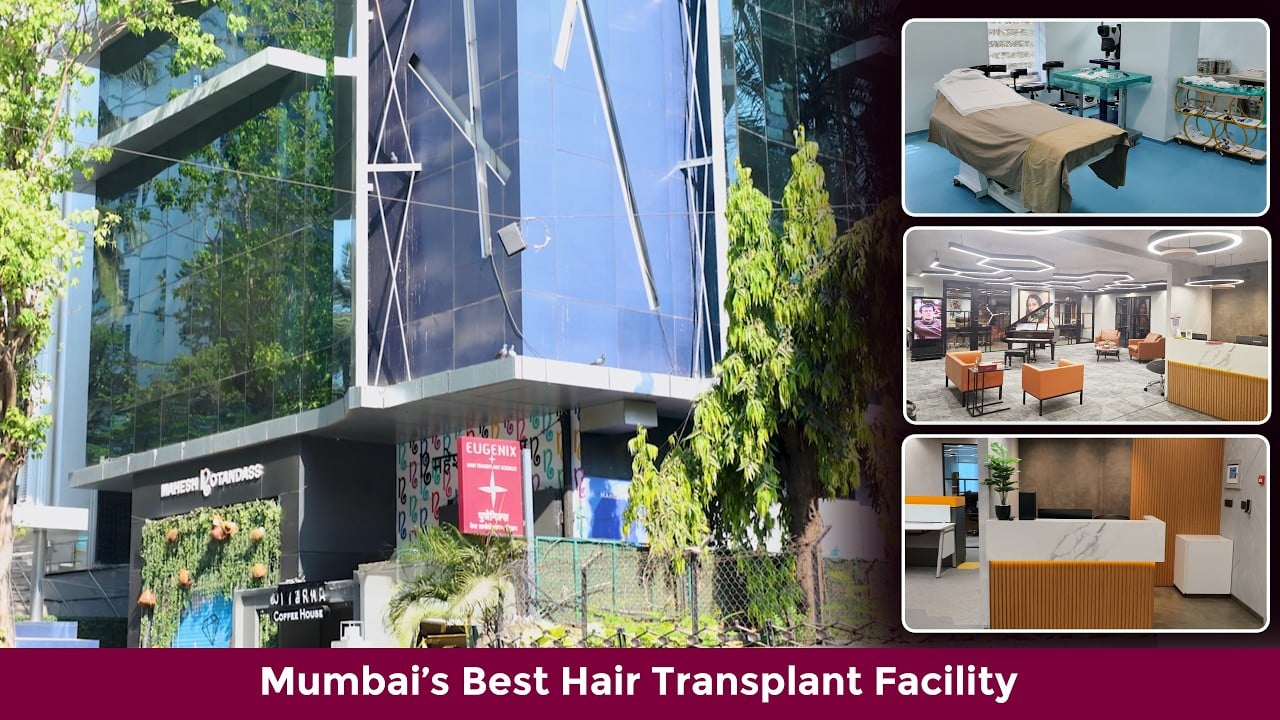
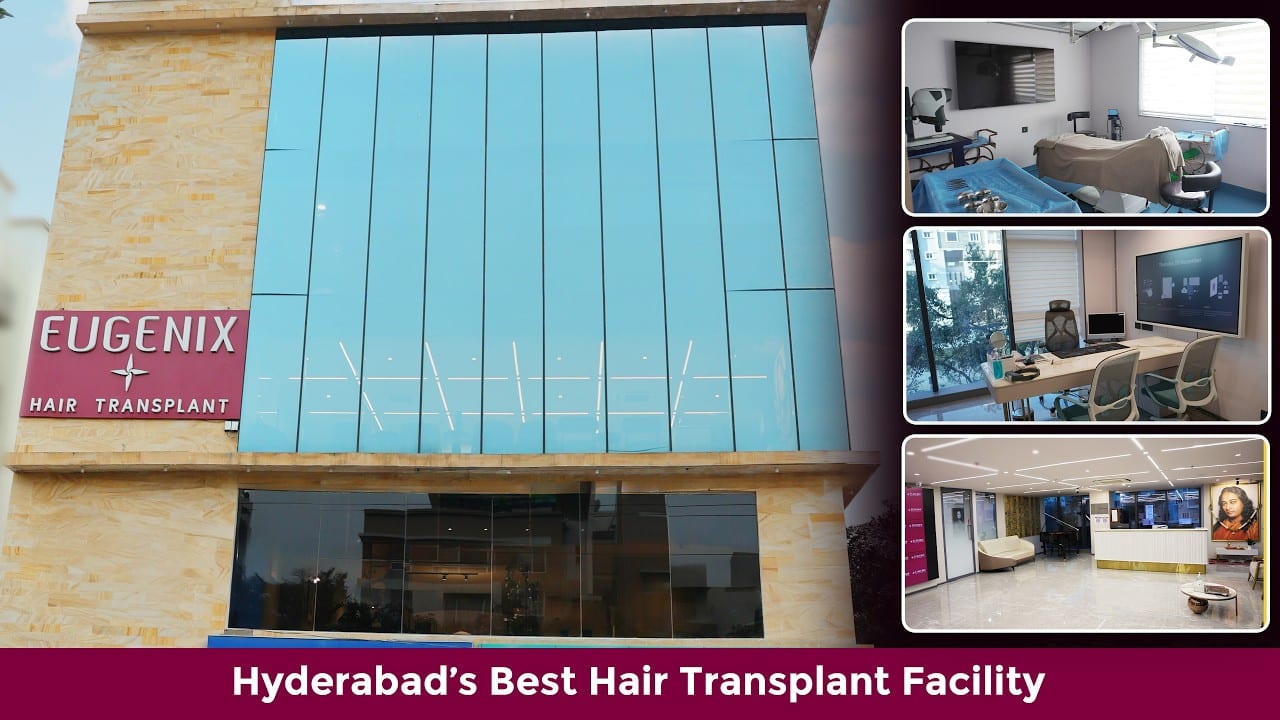
The only reliable way to assess feasibility is an in-person or video consultation with an experienced hair transplant surgeon. A photo evaluation through a Hair Advisor is free as a first step. A senior panel surgeon, all personally trained by Dr. Pradeep Sethi and Dr. Arika Bansal, will examine the scar, review medical history, and explain the recommended approach. Both founders are Fellows of ISHRS and alumni of AIIMS, New Delhi, with 15-plus years of exclusive experience each, and are available for direct consultation by appointment. The Gurgaon clinic is NABH accredited (Certificate No. DE-2026-0004, valid until March 2030). Burn scar consultations are offered at all four Eugenix centres in Gurgaon, Mumbai, Hyderabad, and Bhubaneswar.

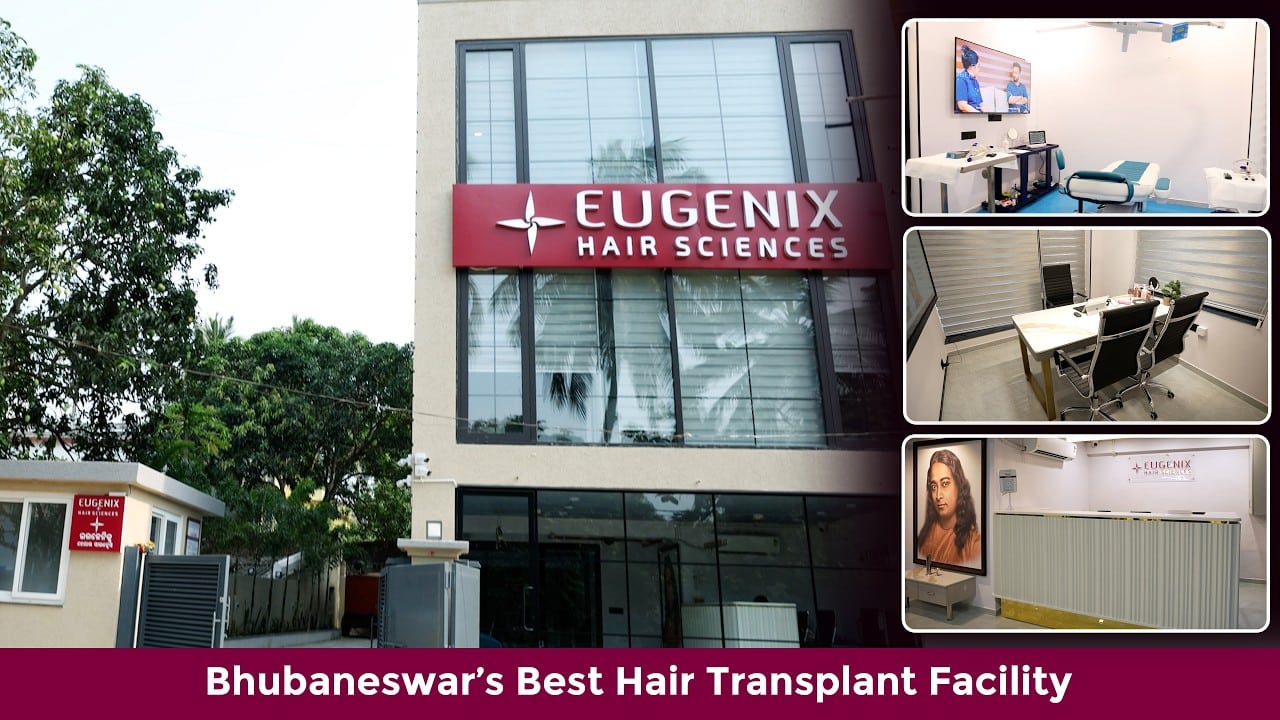
World-Class Infrastructure & Facilities
Why Choose Eugenix?

Trusted Choice of Celebrities, Cricketers and Business Leaders. Under the supervision of Dr. Pradeep Sethi & Dr. Arika Bansal, Eugenix offers international standards in Hair Transplant.

whychoose_icon_1
20,000+

Hair Transplant Procedures Performed

whychoose_icon_2
Free Assessment

Just a Phone Call or WhatsApp Away!

whychoose_icon_3
30+ Years Experience

in Hair Restoration Procedures

whychoose_icon_4
4.8 Google Ratings

From Happy Customers across the World

Hair Transplant Clinic India Locations

Gurugram:
934 & 935P, Opp. Amity International School, Sector 51, Gurugram, Haryana - 122018

Hyderabad:
2nd Floor, Mahathi Towers, Novotel Hotel Road, Izzathnagar, Shilpa Hills, Hyderabad, Telangana - 500084

Mumbai:
3rd Floor, Notan Plaza, 898, Turner Rd, Bandra West, Mumbai, Maharashtra - 400050

Bhubaneswar:
Plot 39-C, VIP Colony, IRC Village, Nayapalli, Bhubaneswar, Odisha - 751015

Book an
Appointment
Graft
Calculator
🇺🇸 English 🇩🇪 Deutsch 🇫🇷 Français 🇪🇸 Español 🇮🇹 Italiano