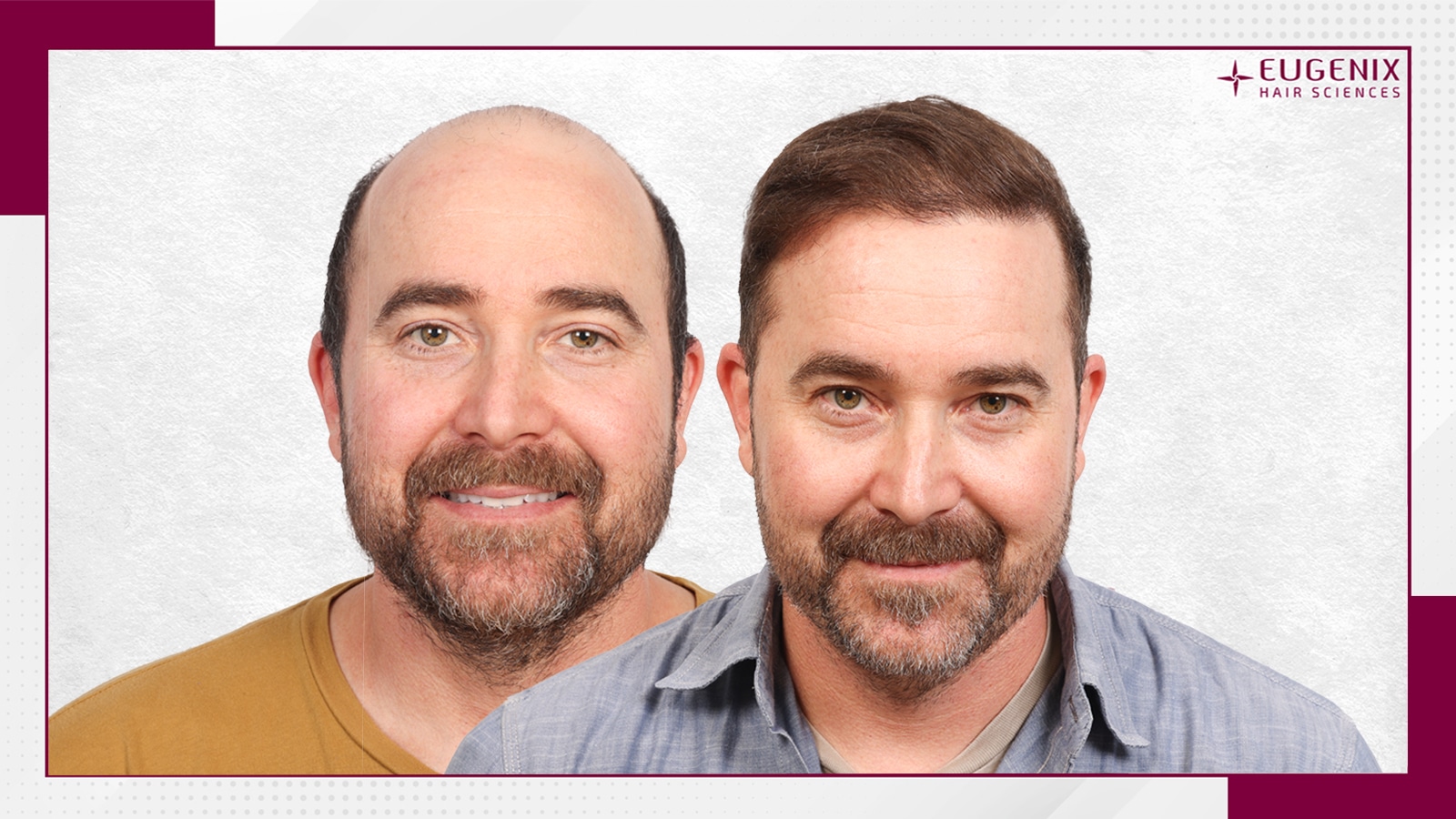
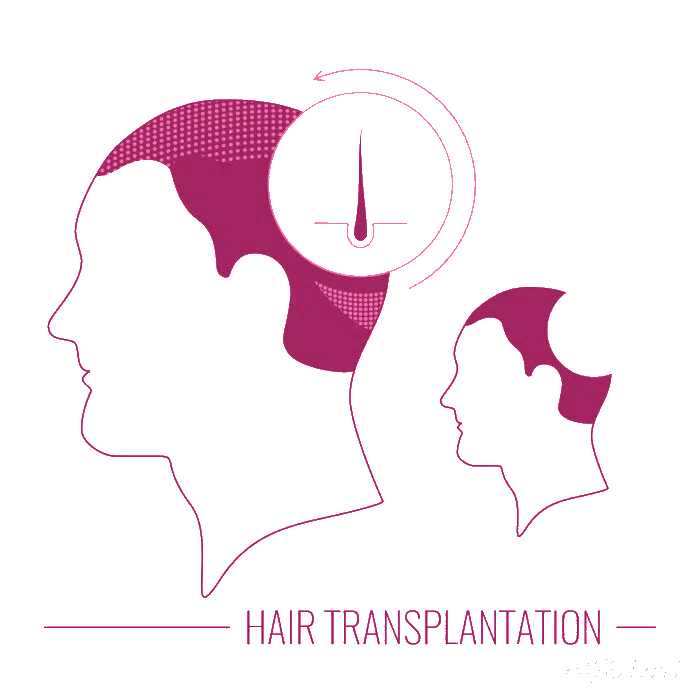
Hair transplant cost in India depends on various factors including the number of grafts required by the patient. The cost per graft is explained below. People in India reject the idea of getting a hair transplant as the cost varies not only in different clinics but also with different doctors. This difference causes aspirants to doubt the authenticity of the clinics. Why wouldn’t people doubt it when one clinic’s price is low and another’s is high? People often wonder if the cost near Gurgaon, Haryana is high because of the quality or just because of the proximity to the city.
It is important that you do your research properly before finalizing a hair transplant clinic. Choose a clinic on facts you can check: the doctor’s name, qualification and registration number, who performs each step, and the written plan. It is hard to assess your graft requirement yourself. Only an experienced surgeon can determine that after evaluating your scalp. In India, hair transplant clinics typically charge between Rs 100 and Rs 500+ per hair graft, depending on the complexity of the hair transplant procedure. Hair transplant pricing at Eugenix starts from INR 100 per graft plus 5% GST. The final cost depends on the number of grafts planned for your case, which is decided after your scalp and donor area are assessed.
Hair restoration is a complex cosmetic surgery. Still, people take it for granted. They usually end up searching for irrelevant things. A hair transplant is a long-term decision, so it is worth understanding the cost in full. We also see patients who need corrective surgery after an earlier procedure.
Hair transplant procedures are an option for people with pattern hair loss. However, the cost is a crucial consideration for individuals contemplating a hair transplant. Understanding the factors contributing to hair transplant costs and finding the right balance between quality and affordability is essential. Let’s explore the various factors that influence hair transplant costs and provide insights into making an informed decision.
Factors Affecting Hair Transplant Costs:-
Technique Used:
The choice of hair transplant technique plays a significant role in determining the overall cost. Follicular Unit Extraction (FUE) is generally more expensive than Follicular Unit Transplantation (FUT) due to its meticulous and time-consuming nature. Direct Hair Transplant (DHT), another variation of FUE, may also have slightly higher costs due to the specialized tools and implantation process involved.
The Extent of Hair Loss and Transplant Area:
The extent of hair loss and the area that requires transplantation directly impact the overall cost. Patients with extensive hair loss or larger transplant areas may require a greater number of grafts, resulting in higher costs. The number of grafts needed is determined during the Consultation process, where the surgeon evaluates the patient’s hair loss pattern and donor hair availability. Find the estimated number of grafts required using our hair transplant graft calculator.
Clinic Reputation and Surgeon’s Expertise:
The reputation and expertise of the hair transplant clinic and surgeon are critical factors in determining the cost. Clinics with an established reputation and a highly experienced hair transplant doctor often charge higher fees due to their track record and expertise. It is essential to research and select a reputable clinic with experienced surgeons.
Geographic Location:
The geographic location of the clinic can influence the cost of a hair transplant. Clinics located in major cities or regions with a higher cost of living tend to have higher fees. However, it is important to note that the location should not be the sole factor in decision-making. Prioritizing the expertise and reputation of the clinic and surgeon is crucial, as quality outcomes should take precedence over cost considerations.
Additional Services and Facilities:
Some clinics offer additional services and facilities that can influence the overall cost. These may include personalized aftercare, follow-up consultation, and access to specialised facilities or technology. While these services can enhance the overall experience and satisfaction, they may come at an additional cost.
Balancing Quality and Affordability:
Finding the right balance between quality and affordability is crucial when considering a hair transplant. While cost is a significant factor, it should not be the sole determining factor. Quality outcomes and the expertise of the surgeon should be the primary considerations.
Here are some tips to help strike the right balance:-
Research and Compare:
Take the time to research and compare different clinics and surgeons. Look for reputable clinics with experienced surgeons and a clear record of the procedures they perform. Read patient reviews, study before-and-after photos, and gather as much information as possible to make an informed decision.
Consultation:
Schedule consultations with more than one clinic to discuss your specific hair loss situation and expectations. During these consultations, ask about the techniques used, the surgeon’s experience, and the overall cost. Be sure to inquire about any additional services included in the package.
Consider Long-Term Value:
While the initial cost of a hair transplant may seem significant, consider the long-term value. Transplanted hair is your own hair and is long-term, though medicines may still be advised to protect the hair you have. Investing in a quality procedure with a reputable surgeon may provide greater value in the long run.
Financing Options:
Many clinics offer financing options to help make the cost of a hair transplant more manageable. Inquire about such options and evaluate whether they align with your budget and financial capabilities.
Ask What a Quoted Price Includes:
Ask what is included in a quoted price, such as the consultation, the procedure, medicines and follow-up visits, so you can compare quotes on the same basis.
When considering a hair transplant, finding the right balance between quality and affordability is crucial. Consider the factors that affect hair transplant costs, such as the technique used, clinic reputation, geographic location, the extent of hair loss, and additional services. Prioritize quality outcomes, the expertise of the surgeon, and the clinic’s reputation over cost considerations. Results vary from person to person.
Comparing Hair Transplant Costs with Other Hair Restoration Methods:
When exploring treatment options, cost becomes a crucial factor in decision-making. In this article, we will take an analytical approach to compare hair transplant costs with other hair restoration methods.
Hair Transplants:
Hair transplants are surgical procedures that involve extracting hair follicles from the donor area (usually the back or sides of the scalp) and implanting them into areas with thinning or no hair. The cost of a hair transplant can vary based on factors such as the technique used (FUT or FUE), the number of grafts required, the expertise of the surgeon, and the location of the clinic. While hair transplants may appear expensive upfront, the transplanted hair is long-term and usually needs no ongoing cost of its own, though medicines may be advised for the rest of your hair.
Medications:
Medications are a non-surgical approach to hair loss treatment. Commonly used medications include finasteride and minoxidil. These medications are typically taken orally or applied topically to stimulate hair growth and slow down further hair loss. The cost of medications for hair loss varies depending on the brand, dosage, and quantity.
It is important to note that medications for hair loss require continuous usage to maintain their effects. Thus, the costs accumulate over time, making it a long-term investment.
Topical Solutions:
Topical solutions, such as minoxidil, are applied directly to the scalp to stimulate hair growth. Consistent and long-term use is key to achieving and maintaining the desired results. With the guidance of a medical professional, minoxidil can be an effective tool in the journey towards hair restoration. Topical solutions are typically available over the counter and offer a non-invasive option for hair restoration. The cost of topical solutions varies based on the brand, quantity, and concentration of the active ingredient.
It is worth noting that topical solutions require continuous and consistent application to maintain their effectiveness. Therefore, the long-term cost can accumulate over the years.
Laser Therapy:
Low-level laser therapy (LLLT) is a non-surgical treatment that uses red light to stimulate hair follicles and promote hair growth. Laser therapy devices can be used at home and offer convenience for individuals seeking hair restoration. The cost of laser therapy devices varies based on the brand, technology, and features.
While there may be an upfront investment, these devices offer long-term use without additional costs. It is important to note that the effectiveness of laser therapy may vary among individuals, and consistent use is required to maintain the results.
Scalp Micropigmentation (SMP):
Scalp micropigmentation is a non-surgical cosmetic procedure that uses pigment to replicate the appearance of hair follicles on the scalp. SMP provides the illusion of a shaved head or fuller hair density. The cost of scalp micropigmentation varies based on factors such as the size of the treated area, the intricacy of the design, and the expertise of the practitioner.
Multiple sessions may be required for optimal results, which can increase the overall cost. Additionally, SMP requires maintenance and touch-ups over time to retain its appearance.
In comparing the costs of these hair restoration methods, it is important to consider the long-term perspective. Transplanted hair is long-term and usually needs no ongoing expense of its own once the procedure is complete. While the upfront cost may be higher, it can be more cost-effective in the long run compared to medications, topical solutions, laser therapy, or scalp micropigmentation, which often require continuous usage or periodic touch-ups. Furthermore, the effectiveness and outcomes of these treatments can vary among individuals. It is crucial to consult with a qualified professional to determine the most suitable approach based on individual needs, the extent of hair loss, and desired outcomes.
In conclusion, hair transplants may have a higher upfront cost compared to other hair restoration methods. However, the transplanted hair is long-term and usually needs no ongoing expense of its own. Medications, topical solutions, laser therapy, and scalp micropigmentation may have lower upfront costs, but they often require continuous use or periodic touch-ups, which can accumulate over time. Assessing individual needs, budget, and desired outcomes is crucial when considering the investment in hair restoration methods. Consulting with a qualified professional can provide valuable insights and help make an informed decision.
Hair transplant cost in India depends mainly on the number of grafts planned for your case, which is decided after your scalp and donor area are assessed. The technique used and the extent of your hair loss also affect the price. In India, clinics typically charge between Rs 100 and Rs 500+ per graft. Our team explains the costs in full at consultation.
Why Choose Eugenix?
Doctor-Led Hair Restoration. Founded by Dermatologists, alumni of AIIMS, New Delhi, and Fellows of ISHRS.


 Clinic Reputation and Surgeon’s Expertise: