In the world of medical aesthetics, we love talking about breakthroughs. New techniques. Better density. Faster recovery. What we don’t talk about enough are the quiet disasters.
The botched hair transplant is the industry’s uncomfortable truth.
As hair restoration has grown globally, so has the rise of “bargain packages,” medical tourism deals, and the Eugenix medical team-led clinics promising dramatic results at a fraction of the cost. On paper, it sounds efficient. In reality, we often meet the aftermath. And the aftermath isn’t just about poor density. It is about visible scarring, unnatural hairlines, and something far more fragile – trust.
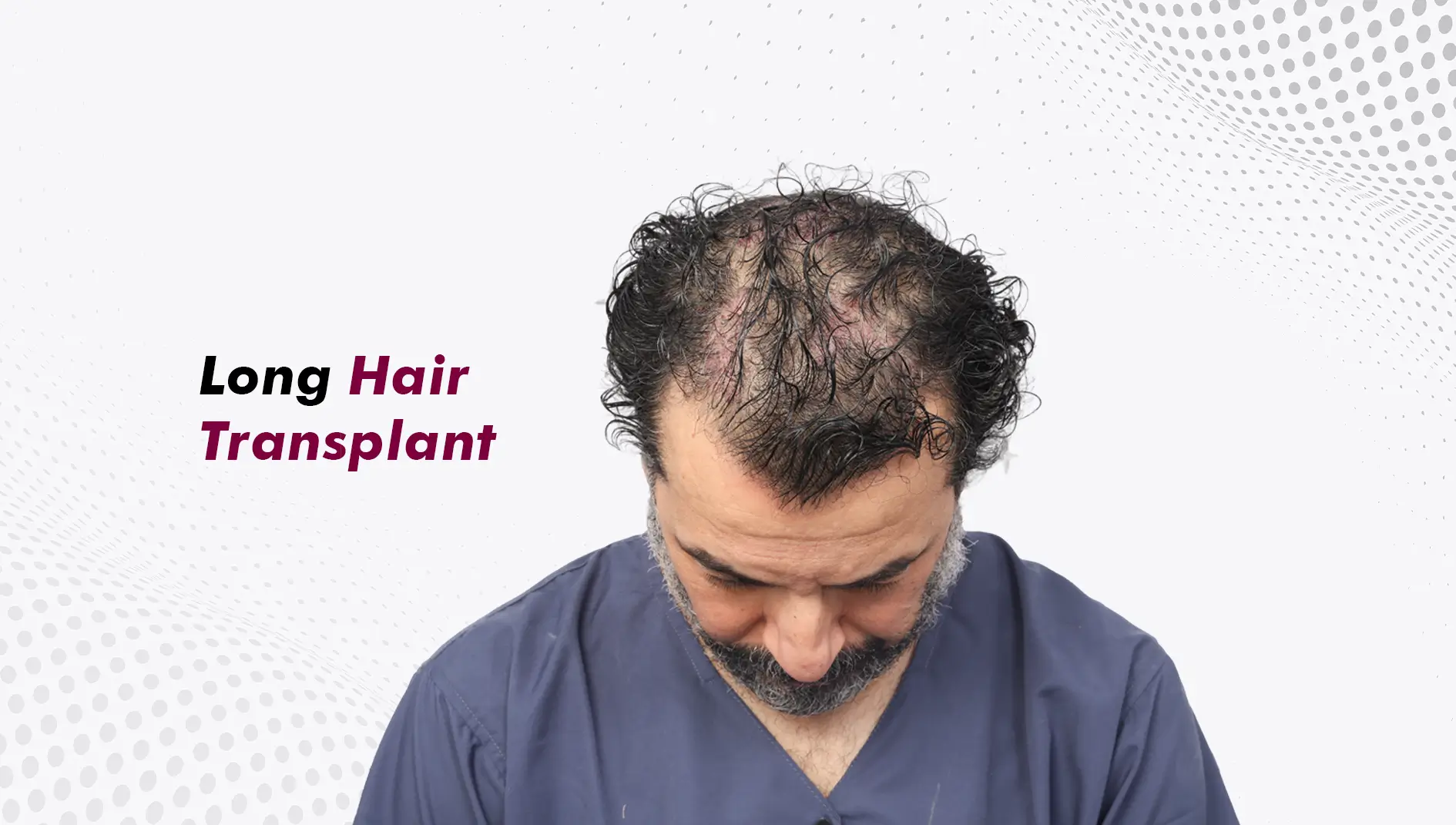
At Eugenix, we’ve seen a steady increase in patients walking in not for their first transplant, but for a repair. Repair surgery is some of the most technically demanding work we do. It requires surgical skill, yes – but it also demands emotional sensitivity. Because most of these patients arrive carrying embarrassment, frustration, and sometimes years of regret.
When we evaluate a failed transplant, the problems usually fall into a few predictable patterns.
The “Doll’s Head” Hairline
This happens when thick, multi-hair grafts are placed right at the front. Natural hairlines are soft. They begin with single-hair follicles that gradually build density behind them. When that subtlety is ignored, the result is a harsh, plug-like line that looks artificial under any lighting. It’s one of the most difficult mistakes to hide.
Wrong Angle, Wrong Direction
Hair does not grow straight up like bristles on a brush. It grows in specific angles, curves, and swirls that vary across the scalp. If grafts are placed without respecting these patterns, the hair sticks out unnaturally. Styling becomes impossible. Even with good density, it looks chaotic.
Donor Over-Harvesting
This is often the most heartbreaking issue. In an effort to create dramatic before-and-after photos, some clinics extract far too many grafts from the donor area – the back and sides of the head. That region is a finite resource. When it’s over-harvested, it becomes patchy, thin, and visibly scarred. Worse, it leaves very little room for future correction.
At that point, the patient isn’t just disappointed. They feel cornered.
When someone comes to us for a repair, they are rarely focused only on appearance. They want to feel normal again. They want to stop avoiding photographs. They want to take off the cap. Hair Transplant Repair cases demand more planning than primary transplants. Every graft matters. Every decision has long-term consequences.
At Eugenix, repair work is guided by our Direct Hair Transplant (DHT) technique, but it goes beyond technique. It’s about strategy.
Using Body Hair Intelligently (BHT): Many repair patients have exhausted their scalp donor area. In these cases, beard hair becomes an invaluable resource. Beard follicles are strong and thick. When used carefully, they add density and can effectively camouflage scars without further stressing the scalp donor zone. It requires expertise in extraction and placement, but it can be transformative.
Rebuilding the Hairline with Precision: Sometimes the solution begins with undoing. We carefully extract the poorly placed grafts from the hairline. Those bulky units are refined, separated, and then re-implanted correctly with the proper angle and softness. It is meticulous, slow work. But rebuilding a natural hairline is less about speed and more about restraint.
Addressing Donor Scars: For patients with visible strip surgery scars (from older FUT methods) or patchy FUE over-harvesting, we use strategic graft placement combined with Scalp Micropigmentation (SMP). The goal is to create the illusion of uniform density so the donor area blends seamlessly. A good repair should not draw attention to itself: from any angle.
The most meaningful result of a repair surgery is rarely captured in a before-and-after photograph.
We recently treated a young man who had spent nearly three years wearing a cap indoors because of a poorly executed transplant elsewhere. His donor area was severely depleted. His hairline was harsh and uneven. More than anything, he had stopped trusting the industry altogether.
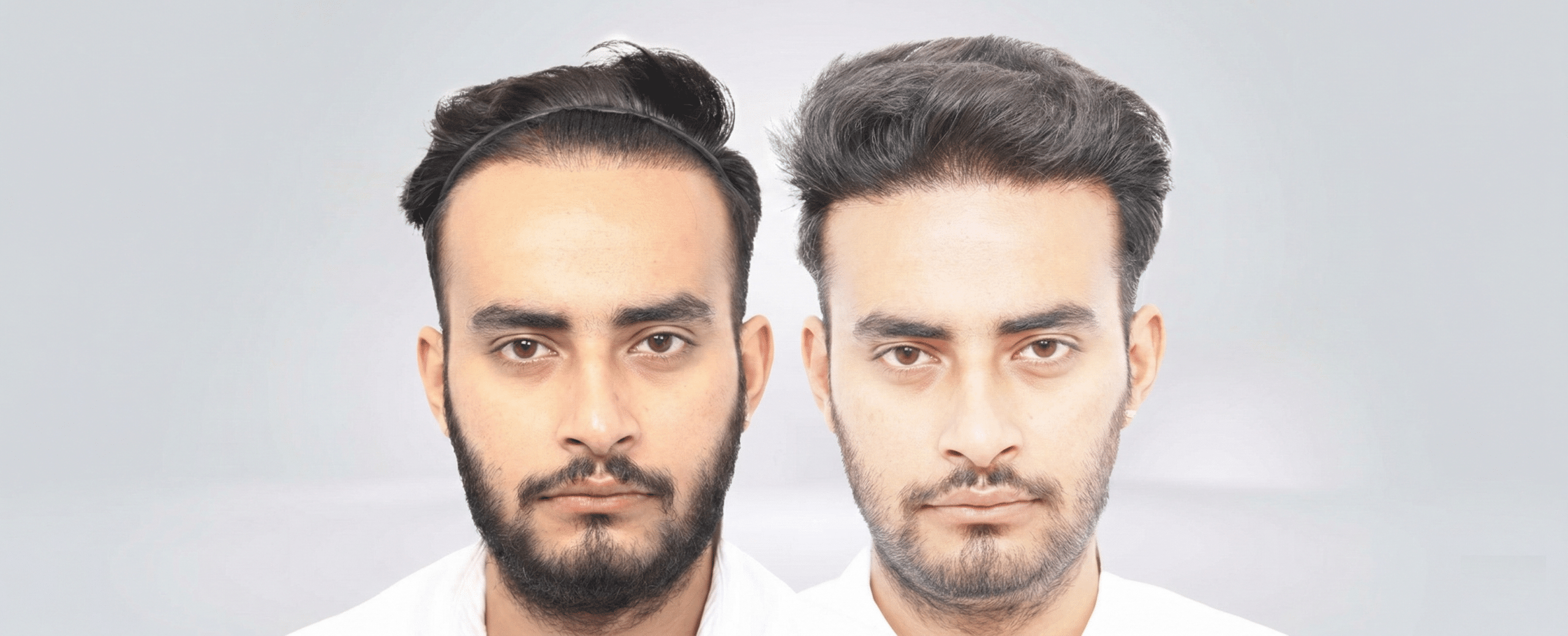
We approached his case in multiple sessions, using beard grafts to restore density and carefully softening the hairline with refined placements. The physical change was significant. But the real shift came the day he walked into his final review without a hat.
He stood differently. Spoke differently. He had stopped hiding.
That is the work. Repair surgery is the ultimate test of a clinic’s ethics and a hair transplant surgeon’s skill. It demands patience. It demands creativity. It demands honesty about what is possible and what is not.
In a marketplace driven by quick promises and aggressive marketing, we choose caution over spectacle. We believe the donor area is a lifetime resource. We believe density should never come at the cost of long-term viability. And we believe that artistry cannot be rushed. A hair transplant should restore confidence. It should not create a second problem. In the end, this isn’t just about follicles. It’s about responsibility.
Book an appointment for your free hair transplant repair assessment today.
Dr. Arika Bansal
Dr. Arika Bansal, Co-Founder, Eugenix Hair Sciences. MBBS (Gold Medallist, Lady Hardinge Medical College), MD Dermatology, alumni of AIIMS, New Delhi. Fellow of ISHRS. Reg. No. HN-34095 (Haryana Medical Council).