
Finasteride: Treatment for Hair Loss and Limitations
Finasteride slows the progression of male pattern hair loss. It is not a cure and is taken under medical supervision. However, understanding its mechanism, effectiveness, and limitations is crucial before embarking on this treatment path. Finasteride, available by prescription only, works by inhibiting the conversion of testosterone to dihydrotestosterone (DHT). DHT is a hormone linked to hair loss in men with male pattern baldness.
While Finasteride hair loss treatment can be successful for some, it’s important to be realistic about its limitations:
Limitations of Finasteride Hair Loss Treatment
- Gradual Results: Even with consistent daily use, it can take several months (often 3-6) to see any noticeable improvement in hair growth.
- Maintenance is Key: Finasteride works only while it is taken. Discontinuing use will likely lead to a reversal of any hair growth achieved.
- Limited Effectiveness: Finasteride is most effective for early stages of male pattern baldness and may not be suitable for all types of hair loss.
- Potential Side Effects: Reduced libido, erectile dysfunction, and decreased ejaculate volume are potential sexual side effects, which your doctor will discuss with you before you start.
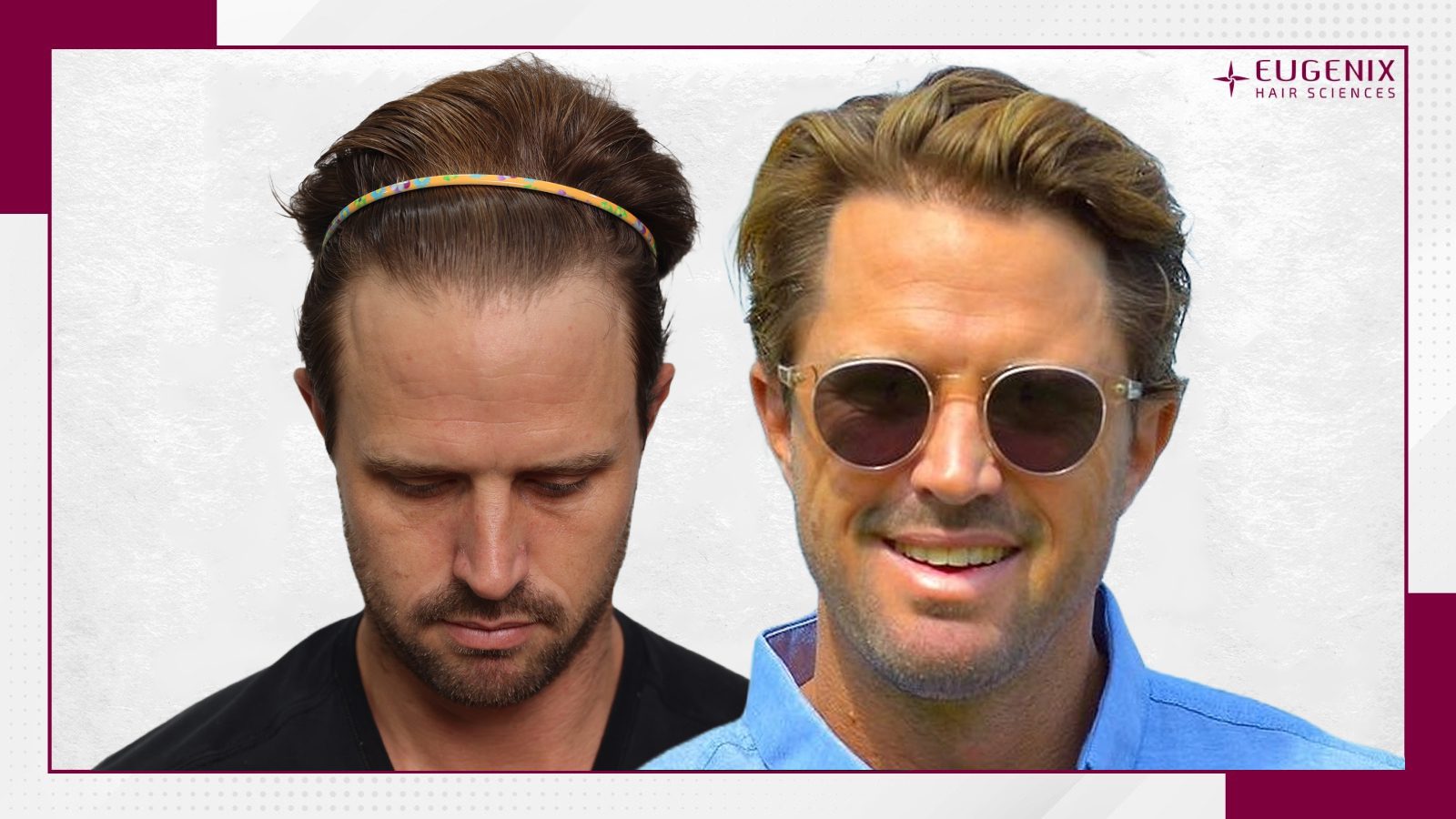
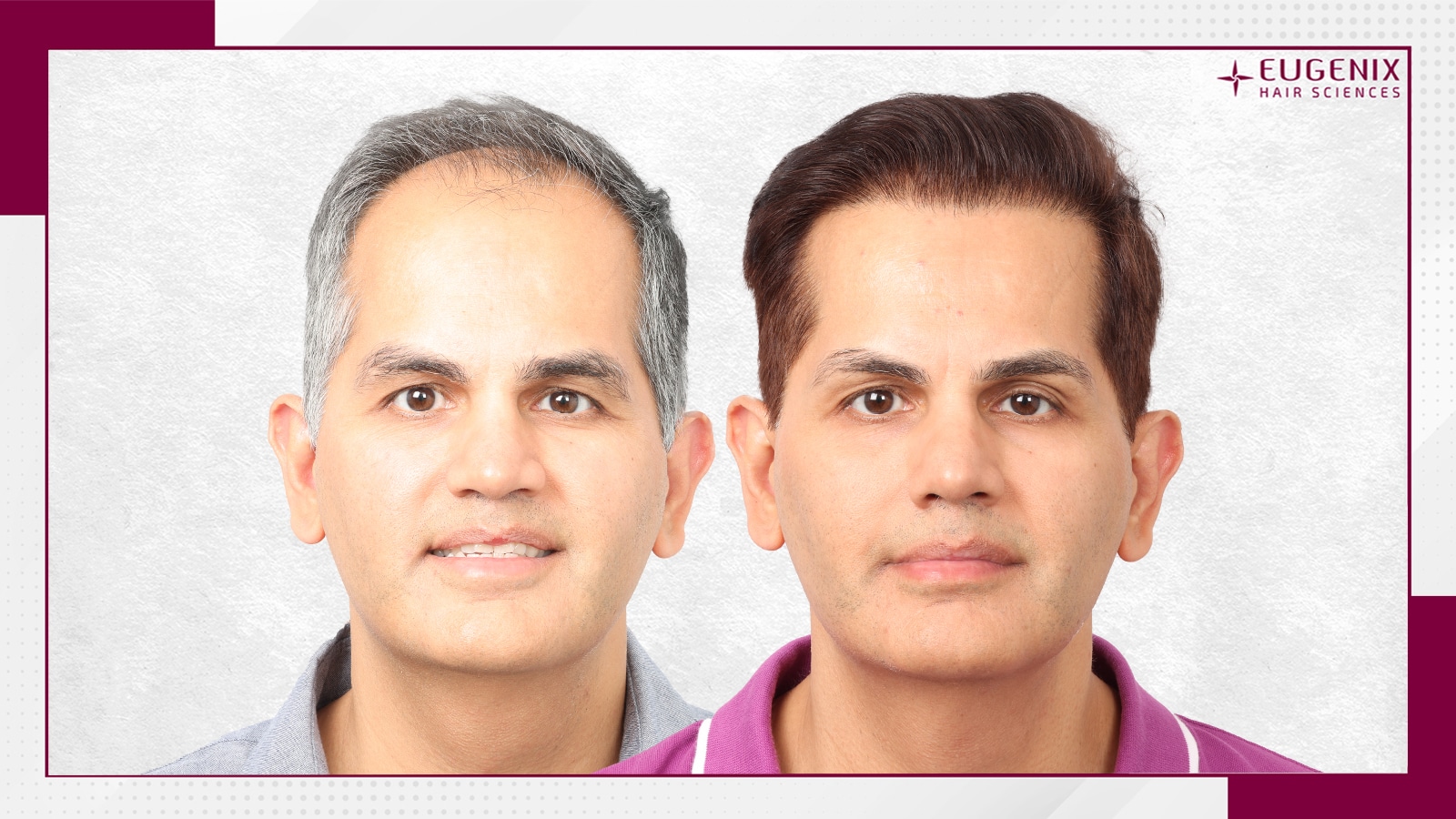
For some people, a hair transplant may be considered alongside finasteride. Here is how it differs:
Advantages of Hair Transplantation
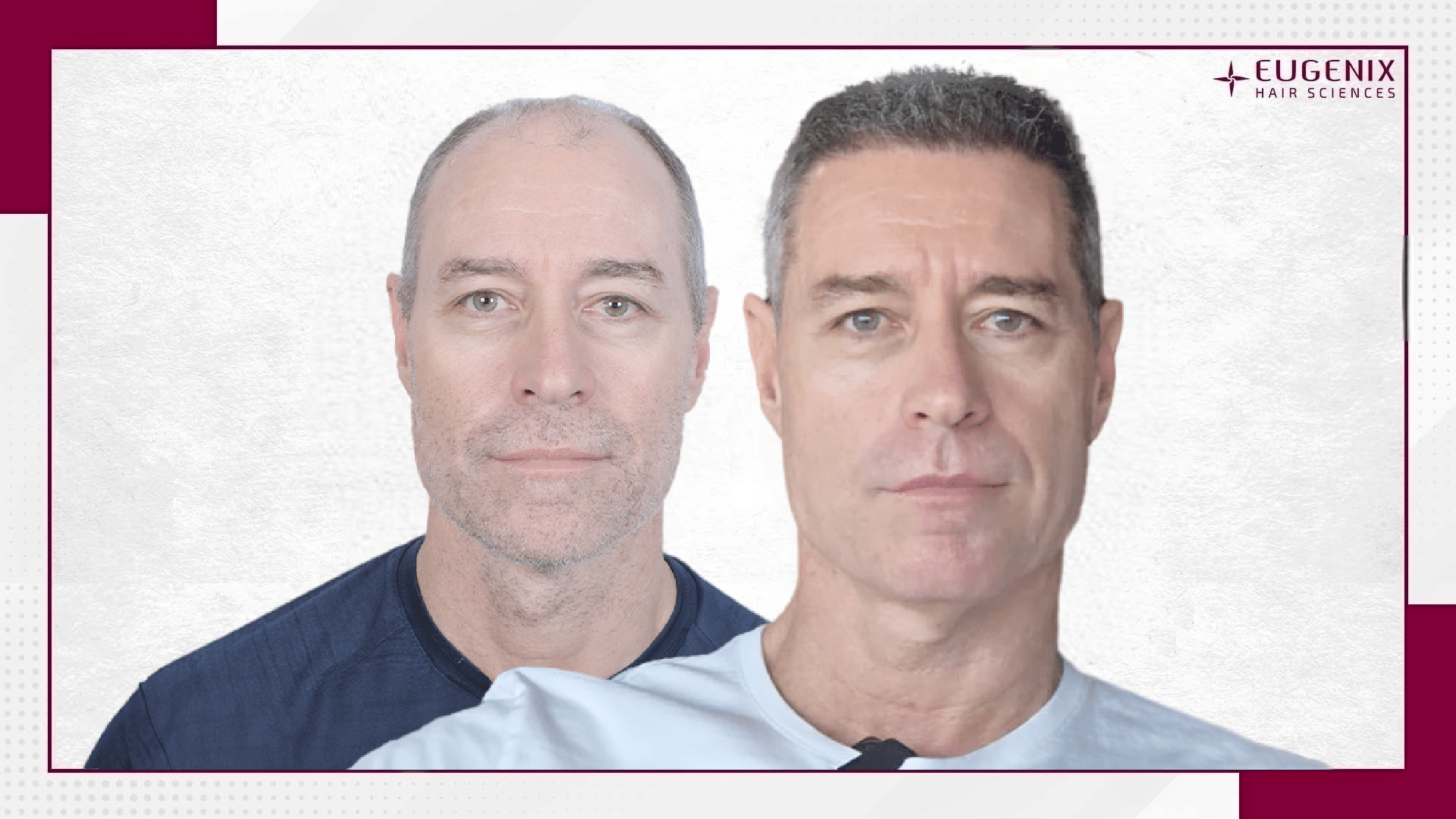
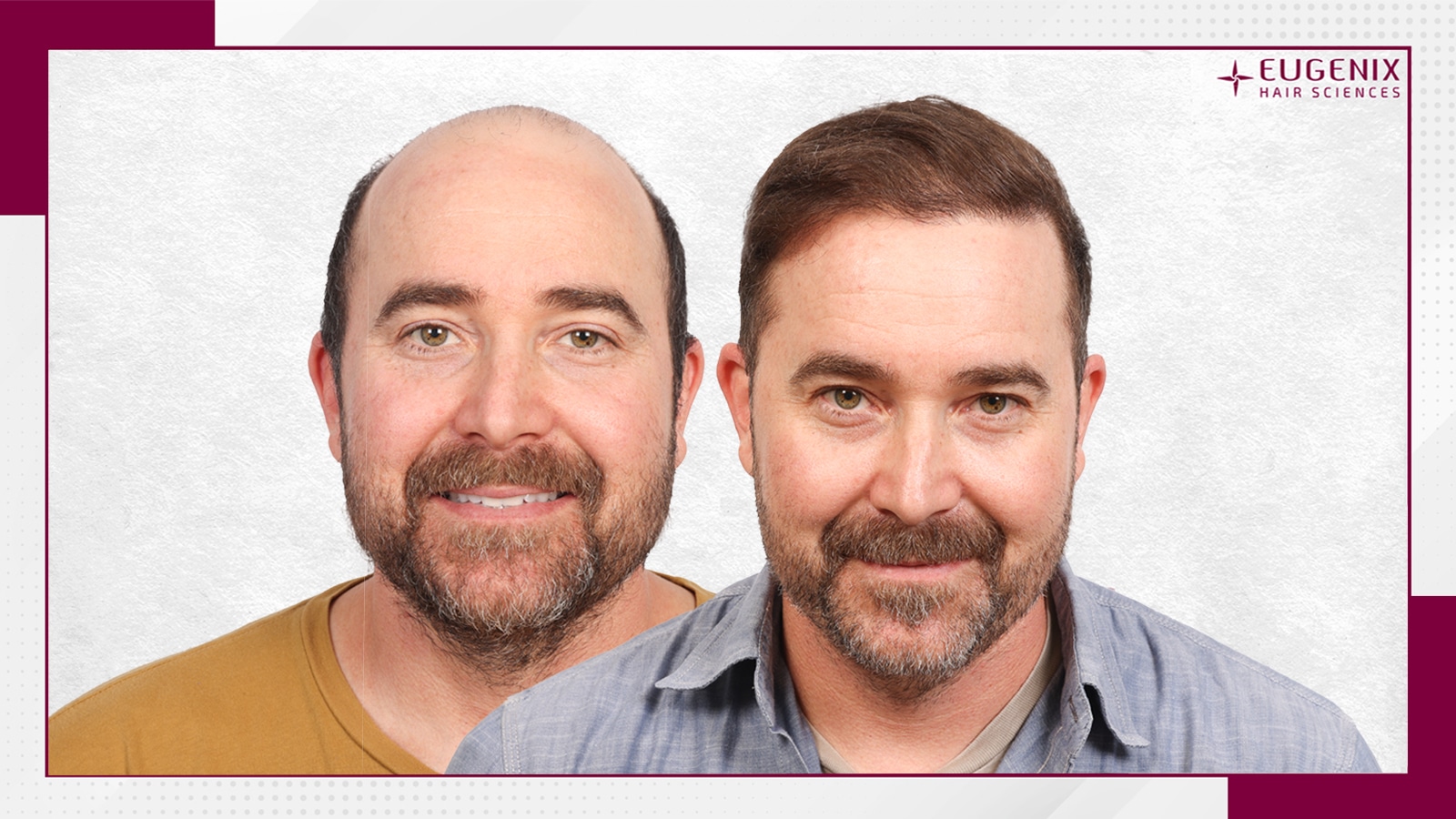
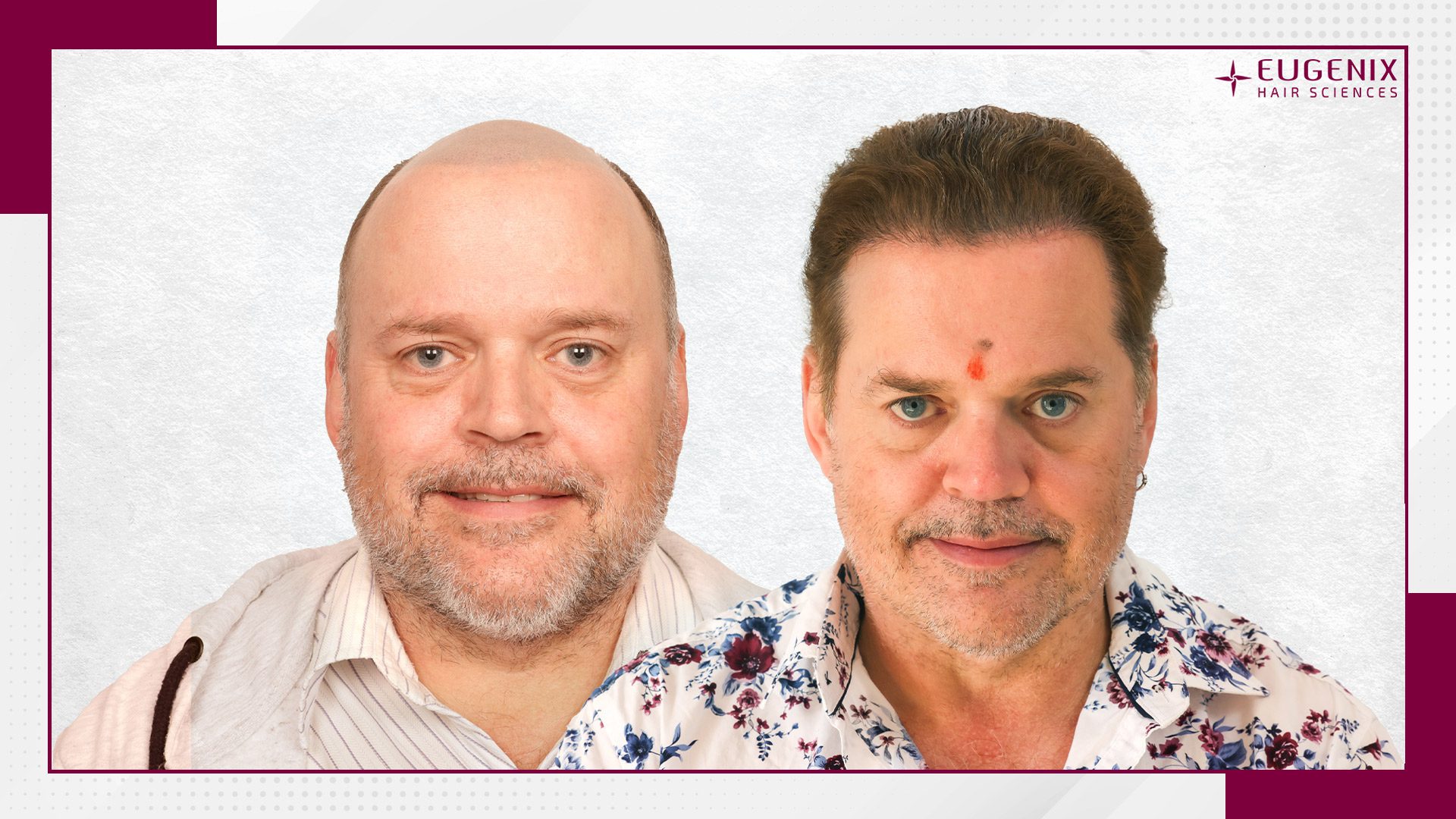
- Long-term Results: Hair is taken from the back and sides of your scalp, where it is usually less affected by pattern hair loss, and moved to the thinning area.
- Your Own Hair: The transplanted hair is your own natural hair. Direct Hair Transplant (DHT) was described by our Co-Founders in their 2013 research paper.
- Minimal Scarring: DHT utilizes minimally invasive techniques to minimize scarring in the donor area.
Eugenix Hair Sciences understands the limitations of Finasteride hair loss treatment and offers a comprehensive approach to hair loss. Their team of experienced surgeons and hair restoration specialists can assess your individual needs and determine if Finasteride or a hair transplant procedure like DHT is the most suitable solution for you:
- Personalized Consultations: In-depth consultations involve a thorough evaluation of your scalp, hair loss pattern, and medical history.
- Direct Hair Transplant: Grafts stay outside the body for under 30 minutes with Direct Hair Transplant, compared to 3 to 6 hours with conventional FUE.
- Eugenix Care Team: Dedicated care teams provide comprehensive support throughout the entire hair restoration journey, from the first consultation to post-operative care.
Seeking guidance from a qualified doctor is important. Our doctors can help you understand whether finasteride, a hair transplant, or both suit your hair loss.
Hair loss can be a source of frustration, but it doesn’t have to be a permanent setback. While Finasteride may offer some benefits for certain individuals with early-stage male pattern baldness, it’s crucial to understand its limitations and explore alternative, potentially more effective solutions.
A hair transplant moves your own hair to the thinning area and is long-term, though finasteride may still be advised to protect the hair you have not had transplanted. Results vary from person to person. Speak to our team to know more.