Precision Hairline Reconstruction in Gurugram – Restore Your Natural Look!
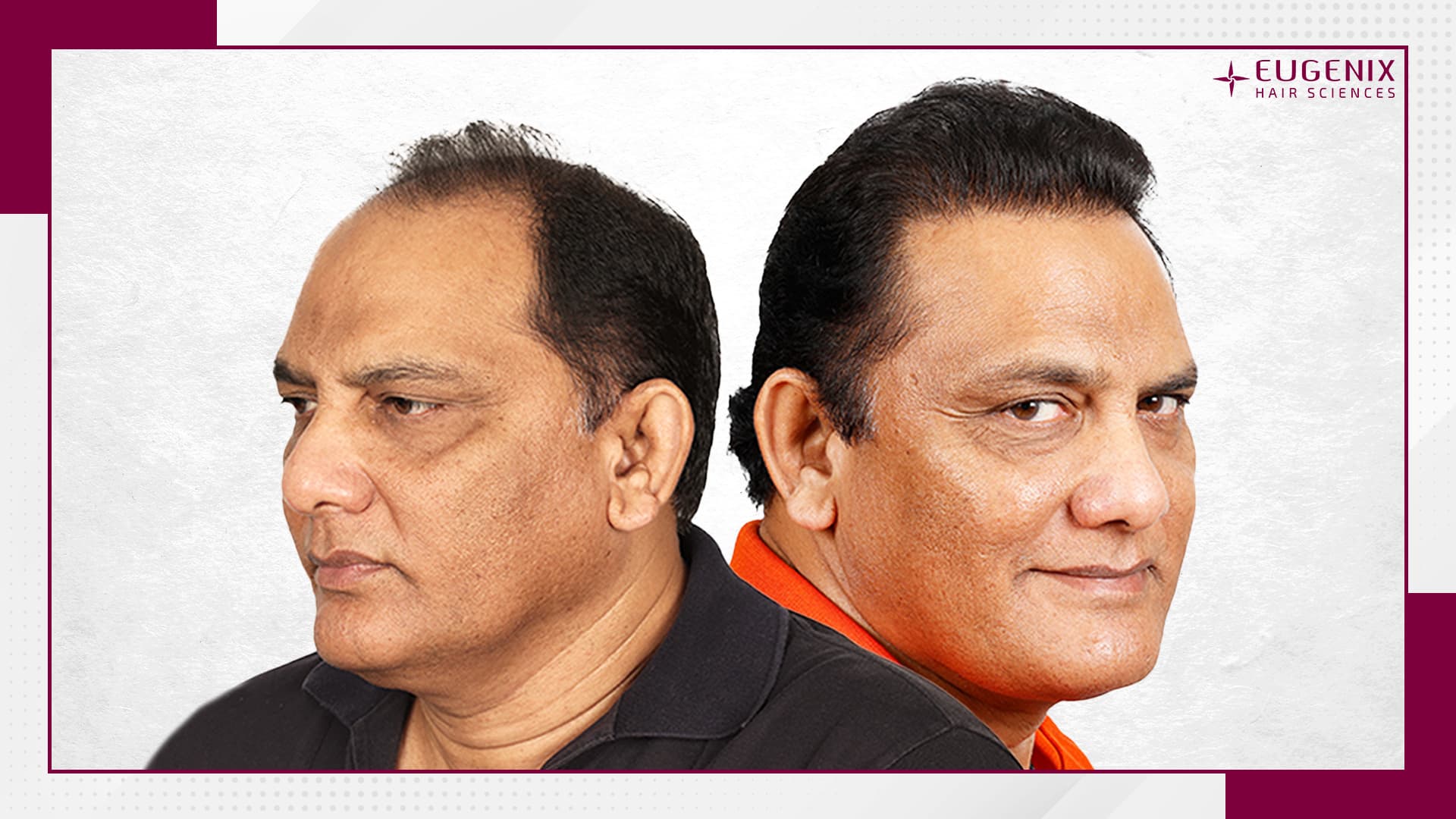
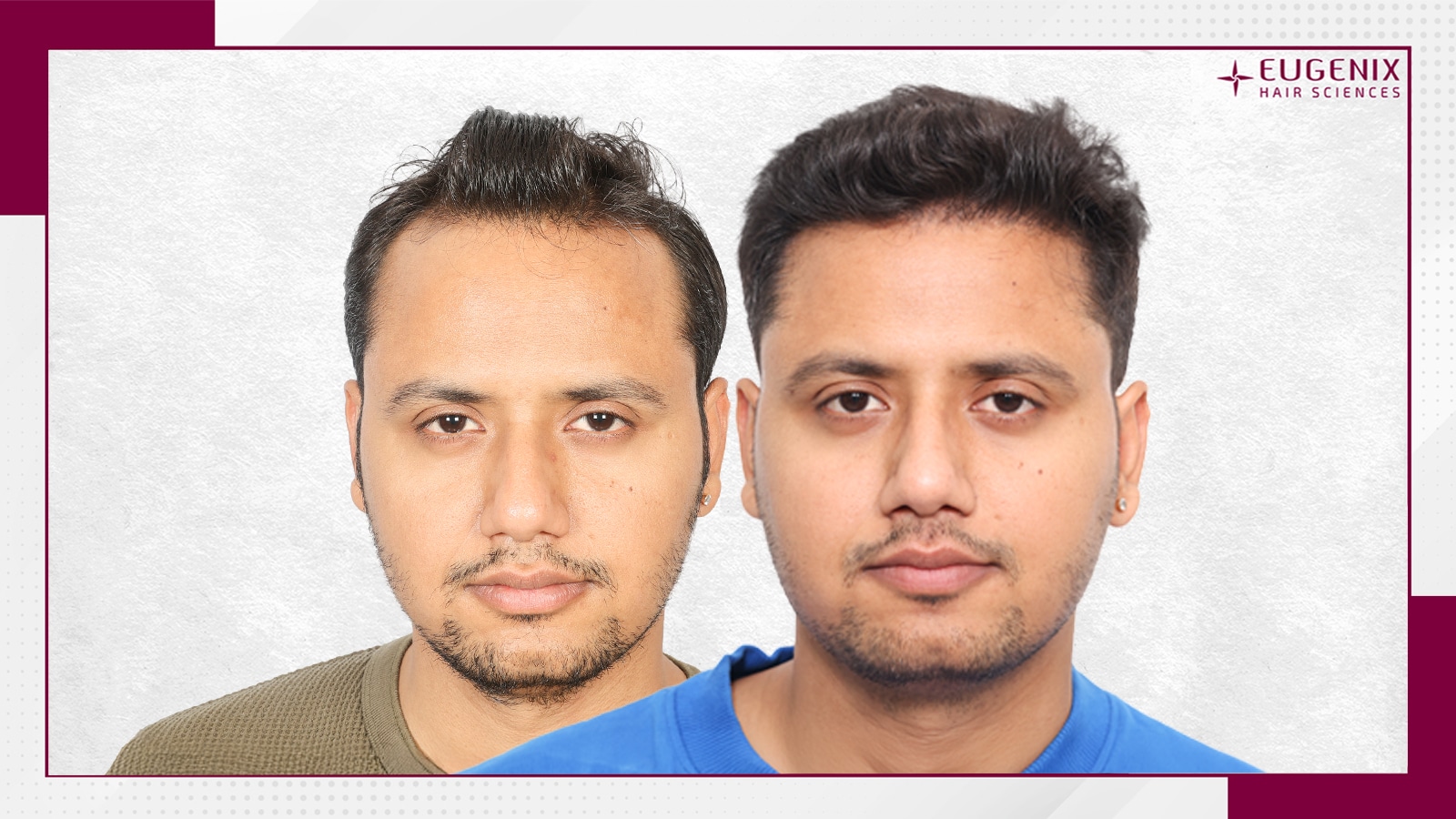
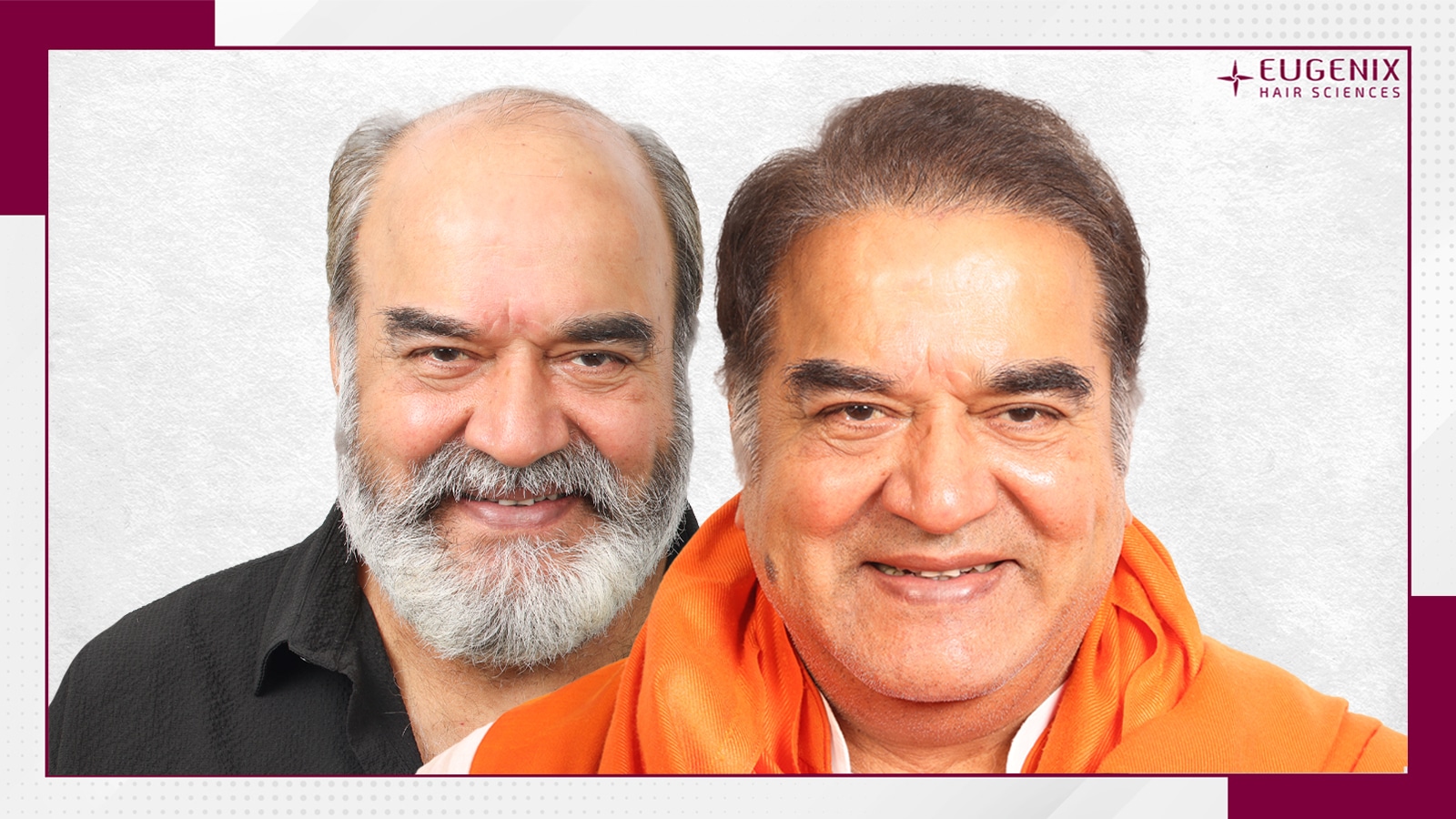
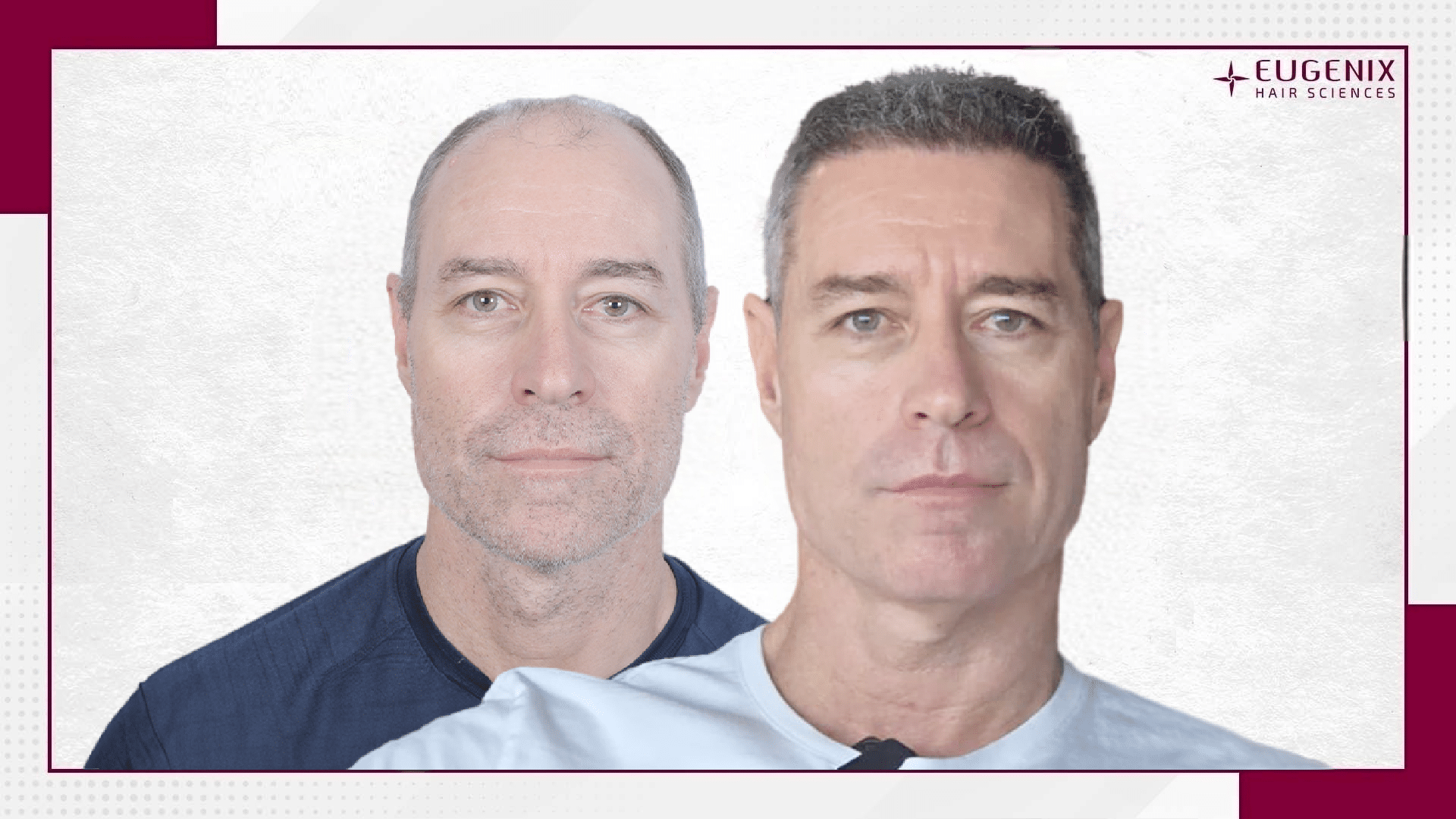
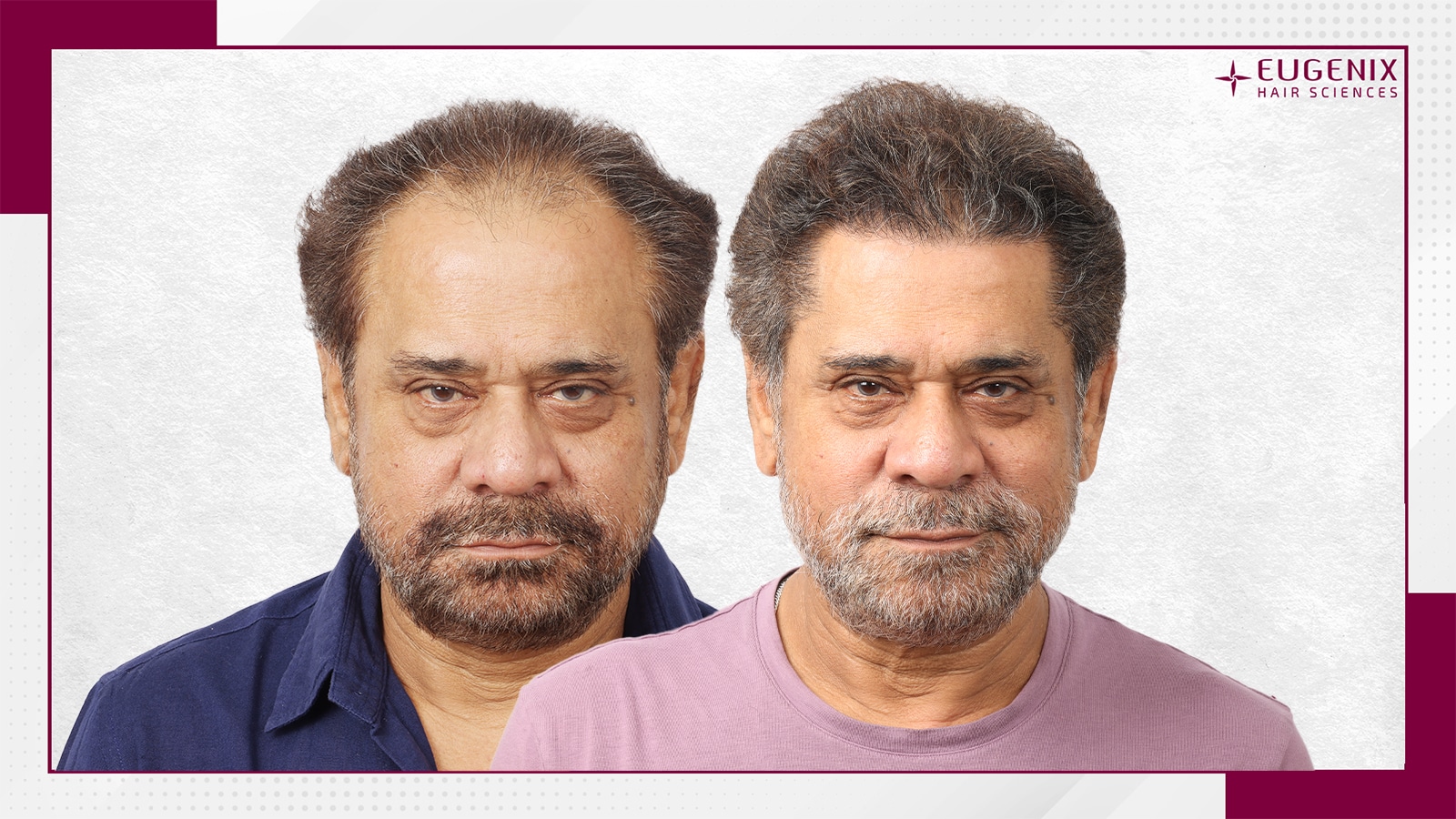
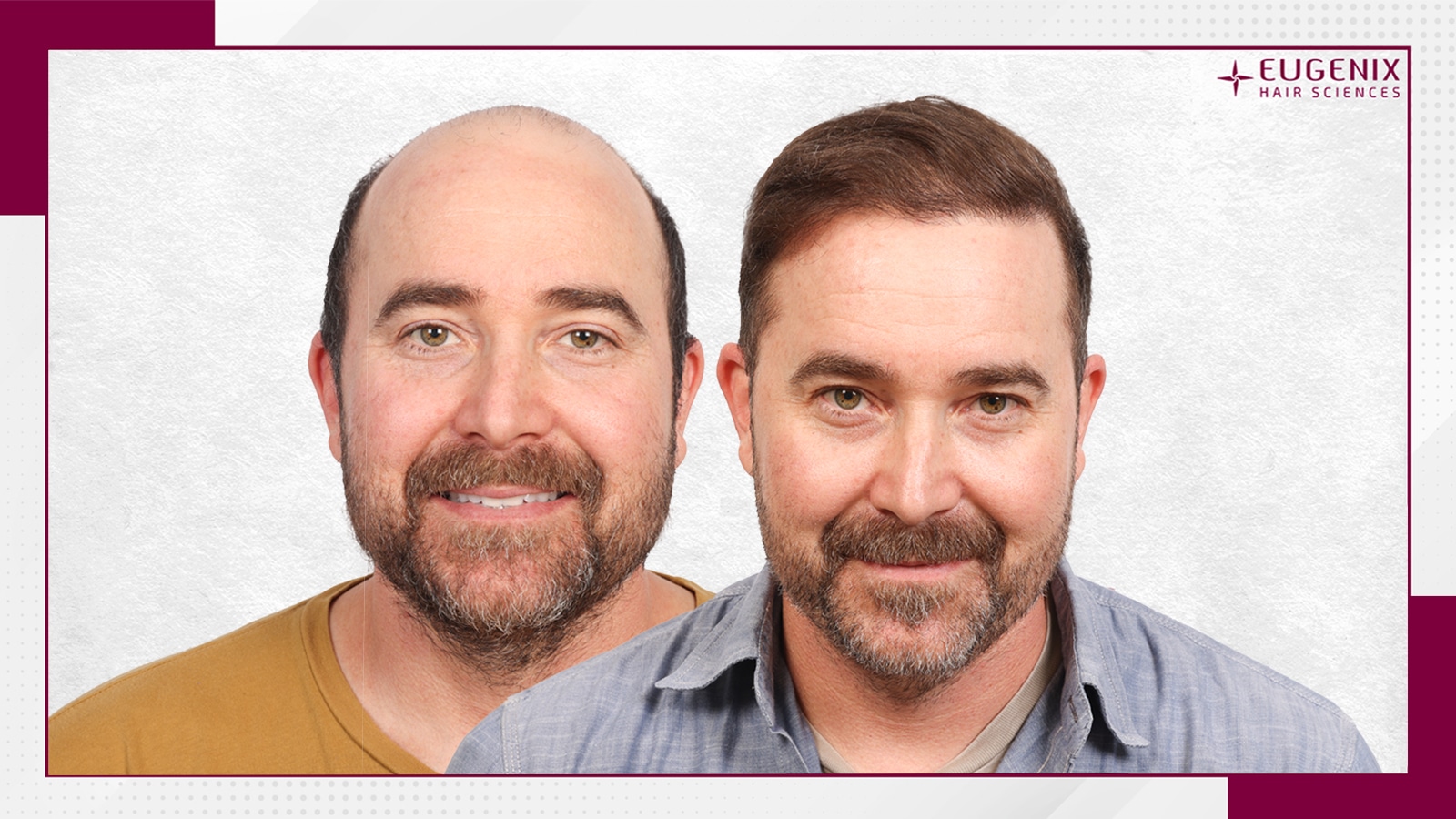
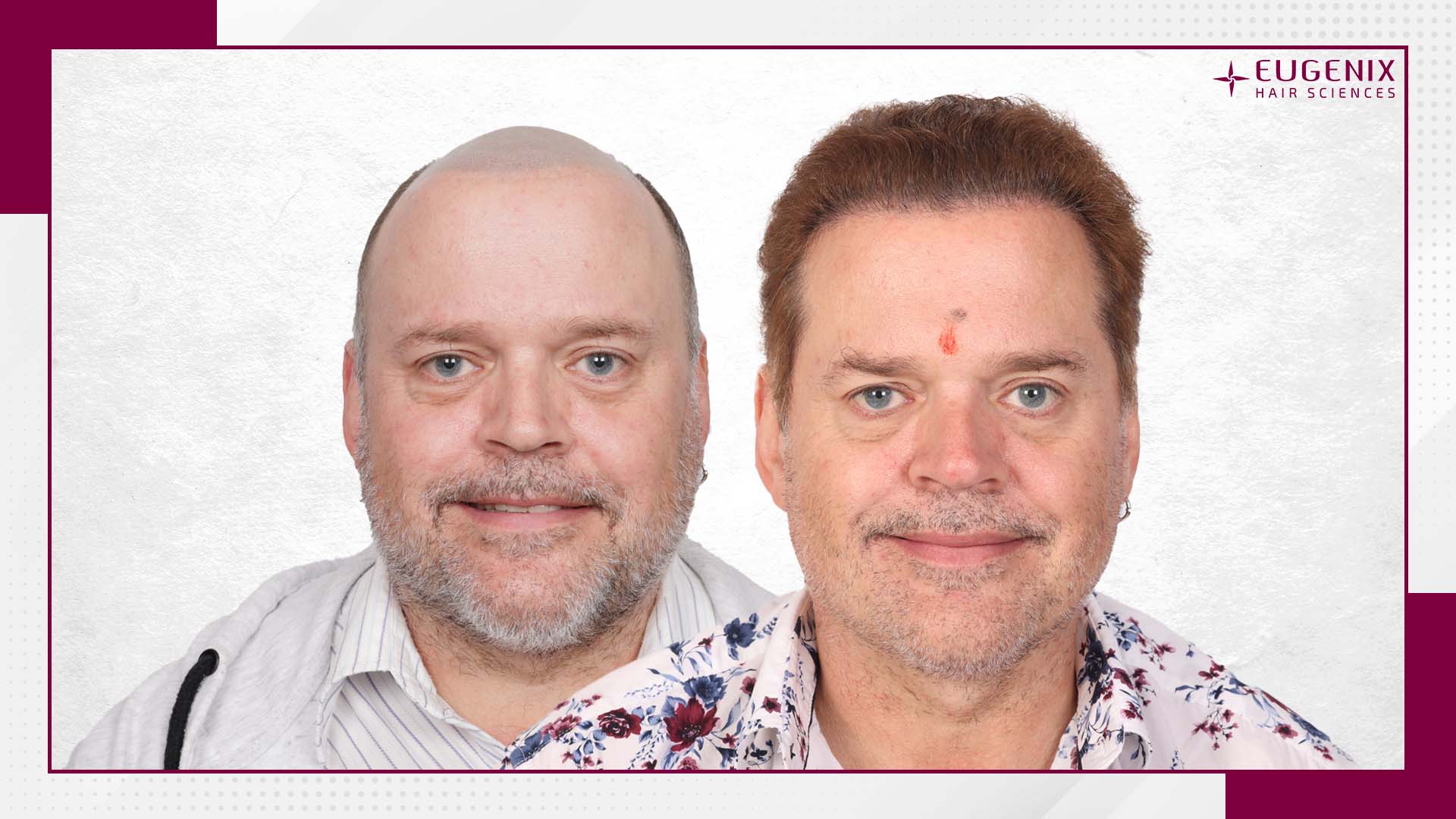
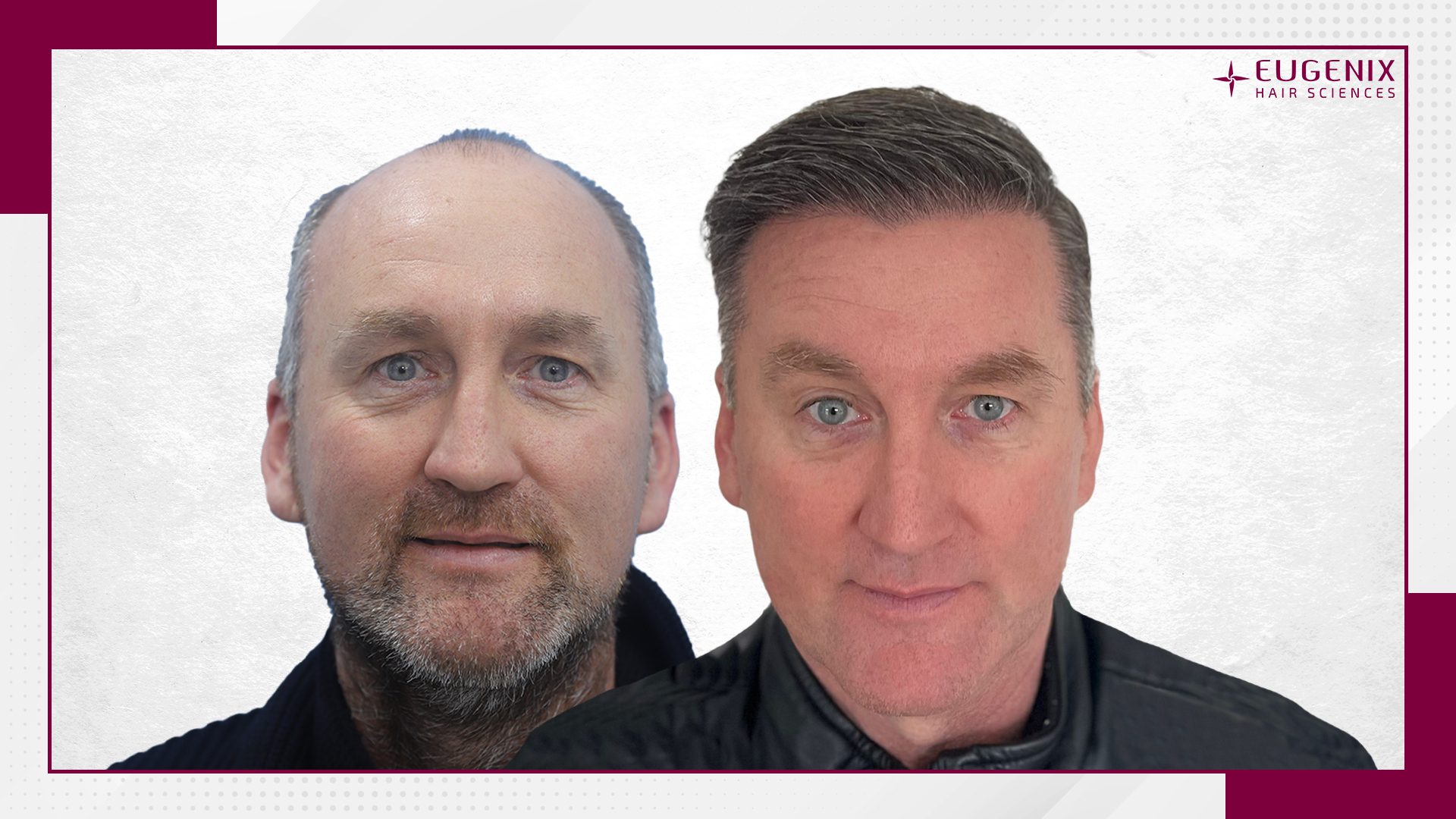
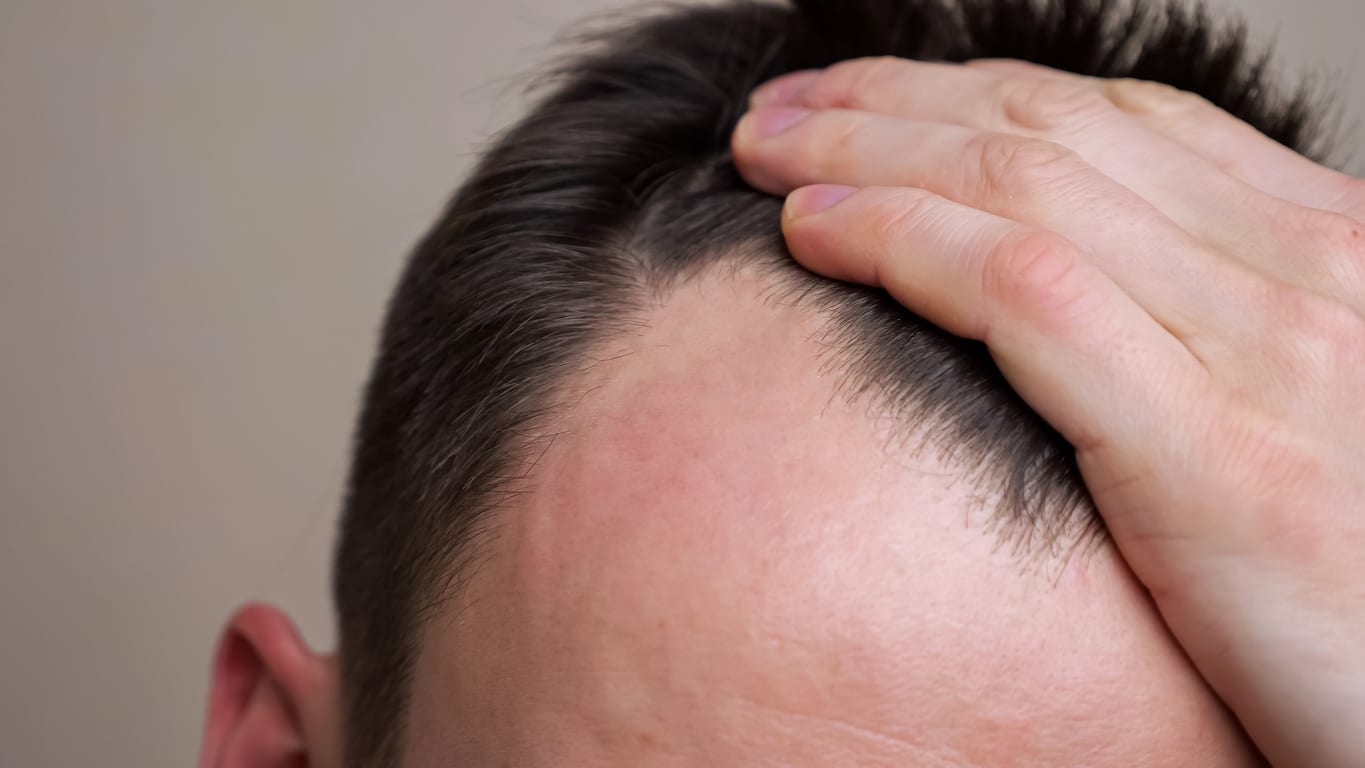
For individuals experiencing hair loss, particularly along the frontal hairline, the option of hairline reconstruction offers not just a cosmetic improvement, but a restoration of facial harmony and a renewed sense of self-assurance.
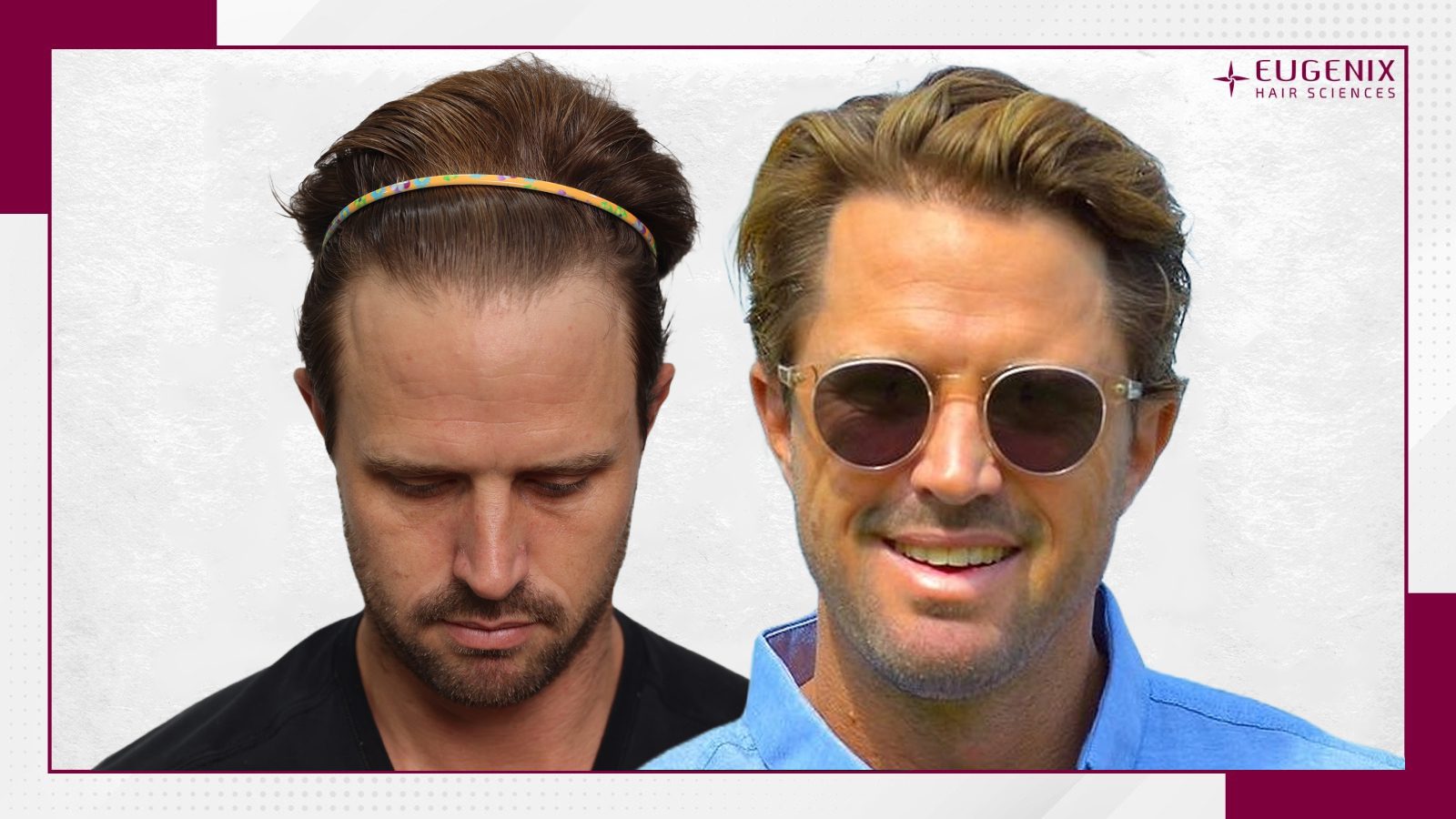
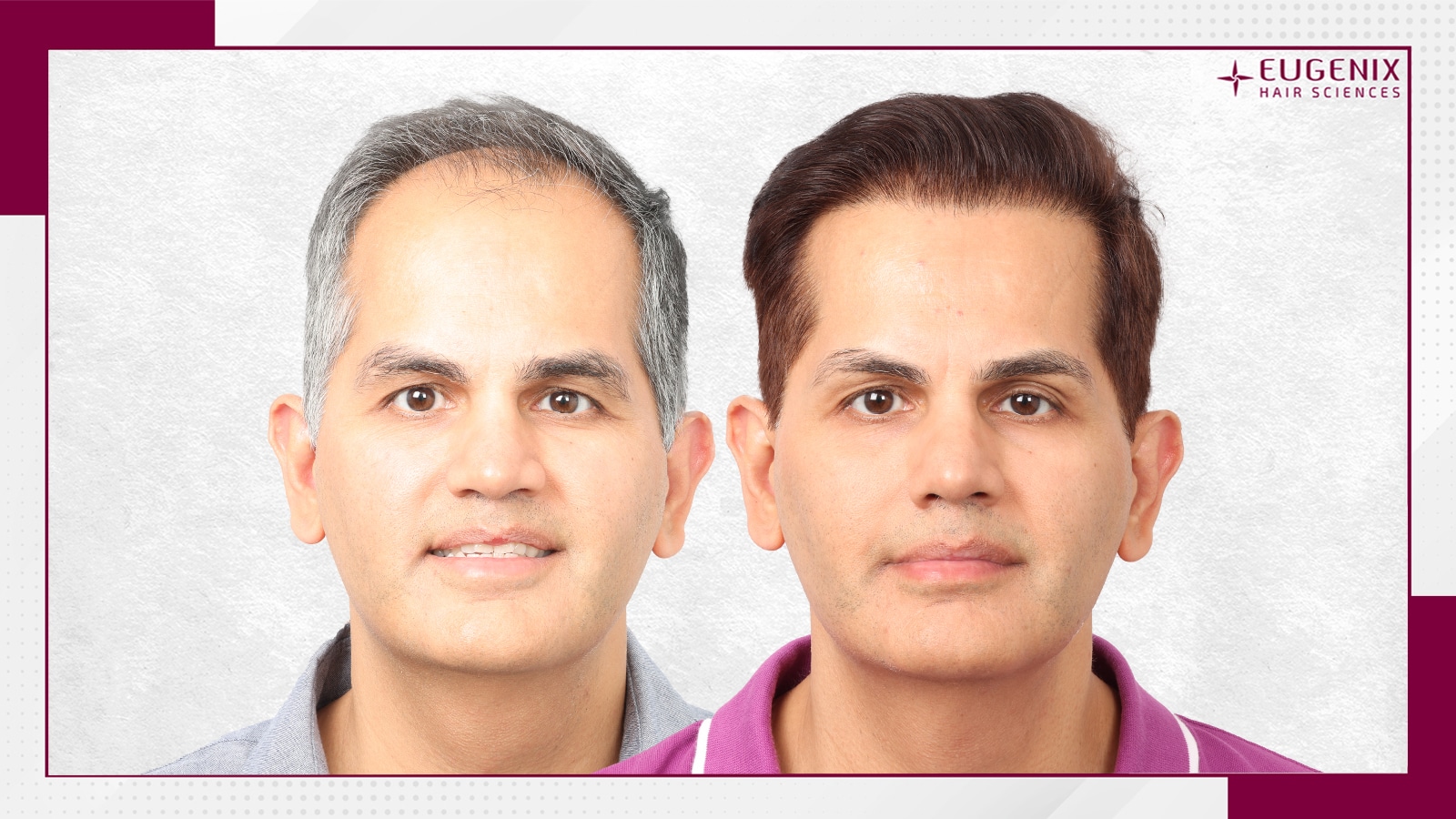
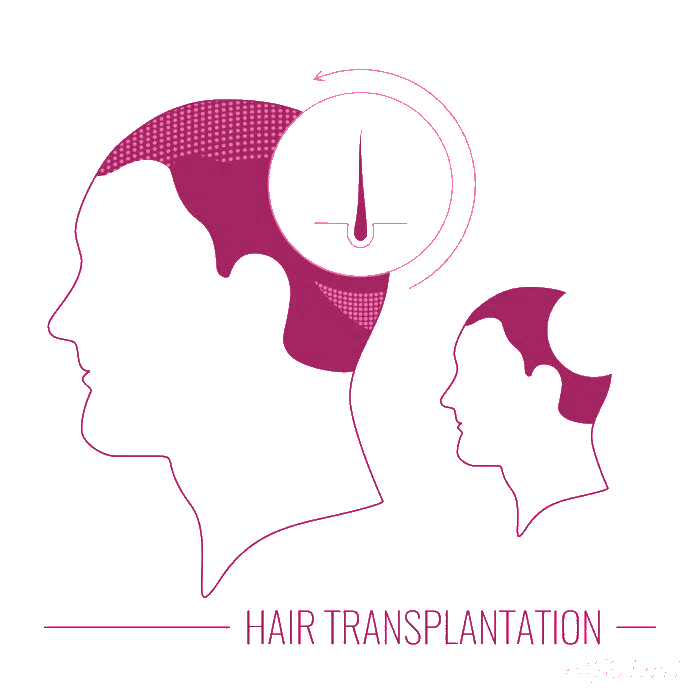
Hairline reconstruction is a specialized aspect of hair transplantation that focuses specifically on recreating or refining the frontal border of the hair. This area is arguably the most critical in terms of aesthetic impact, as it frames the face and significantly influences overall appearance. A poorly designed or unnatural-looking hairline can detract from the benefits of a hair transplant, whereas a meticulously crafted one can seamlessly blend with existing hair, creating a youthful and natural aesthetic.
The artistry of hairline reconstruction lies in its ability to mimic the intricacies of a natural, unworn hairline. A genuine hairline is rarely a perfectly straight or uniform line. Instead, it possesses subtle irregularities, micro-fluctuations in density, and a soft, feathered edge where the hair gradually transitions from the forehead. Skilled hair transplant surgeons in Gurugram, understanding these nuances, employ advanced techniques to replicate this natural variation.
Several key factors come into play when designing and reconstructing a hairline:
Facial Structure and Proportions:
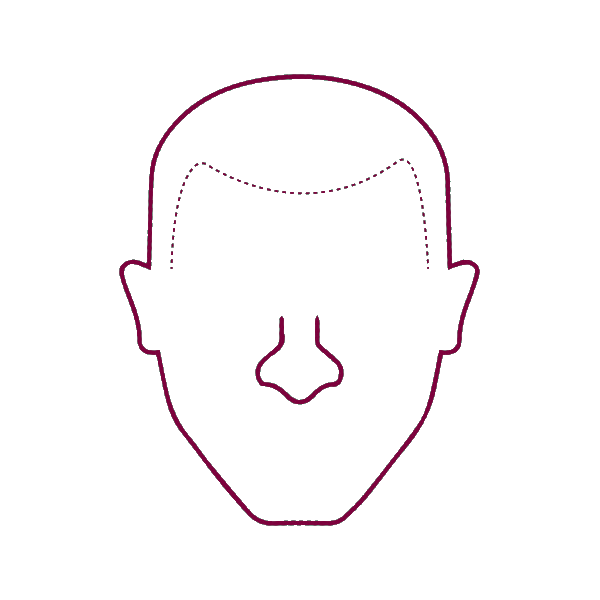
A well-designed hairline must harmonize with the individual’s facial features. Surgeons often consider the “rule of thirds,” dividing the face into three equal horizontal sections: from the chin to the base of the nose, from the base of the nose to the eyebrows, and from the eyebrows to the hairline. The hairline should ideally sit at the upper third, creating a balanced and aesthetically pleasing proportion. The shape of the face (oval, round, square, etc.) also influences the most suitable hairline shape.For instance, a softer, rounded hairline might complement a round face, while a more defined, slightly angular hairline could suit a square jawline.
Age and Potential Future Hair Loss:
The hairline designed for a younger individual might differ from that of an older person. Surgeons must consider the natural progression of hair loss and design a hairline that will age gracefully with the patient, avoiding a look that appears artificially low or dense over time. Planning for potential future hair loss ensures the reconstructed hairline remains natural-looking even if further recession occurs.
Hair Characteristics:
The texture, density, and color of the existing hair are crucial considerations. The transplanted hair should ideally match these characteristics to ensure a seamless blend. Coarser hair might require fewer grafts to achieve a certain density compared to finer hair. Surgeons carefully select follicular units containing single, double, or triple hairs for strategic placement within the hairline to create the desired softness and density gradient. Single-hair follicular units are typically used to create the soft, irregular leading edge of the hairline, while denser grafts are placed behind to provide support and volume.
Natural Hairline Patterns:
Understanding the common types of hairlines – such as straight, rounded, widow’s peak, M-shaped, or bell-shaped – allows the surgeon to create a design that aligns with natural aesthetics and the patient’s preferences. While some individuals may desire to recreate their original hairline, others might opt for a hairline shape that complements their current age and facial structure.
Surgical Technique and Graft Placement:
The success of hairline reconstruction heavily relies on the precision of the surgical technique. Follicular Unit Extraction (FUE) and Direct Hair Transplantation (DHT), pioneered by Eugenix, are commonly employed methods in Gurugram for hairline reconstruction. The techniques allow for the extraction of individual hair follicles, which can then be strategically placed at the correct angle, depth, and direction to mimic natural hair growth patterns. Creating a gradual transition in density, with the highest density behind the immediate hairline, is essential for avoiding a harsh, pluggy appearance.
In Gurugram’s evolving landscape of cosmetic procedures, clinics offering hairline reconstruction are increasingly focusing on a personalized approach. Experienced surgeons take the time to understand each patient’s unique needs, expectations, and facial anatomy to design a hairline that looks natural and complements their overall appearance. This often involves detailed consultations, hairline mapping, and a collaborative approach to ensure patient satisfaction.
The benefits of a well-executed hairline reconstruction extend beyond aesthetics. By restoring a natural frame to the face, it can significantly boost self-confidence, enhance one’s overall appearance, and contribute to a more youthful and vibrant look. In a city like Gurugram, where personal and professional interactions often involve making a strong first impression, a natural and well-defined hairline can be a subtle yet powerful asset. Call in at Eugenix Hair Sciences today for a Hairline Restoration Consultation.
Gurugram Location:
934 & 935P, Sector 51, Opposite Amity International School, Gurugram, Haryana – 122018.
Google Map:
https://maps.app.goo.gl/ipdHu16vtZ6E6PGq7