Get a Fuller Hairline: Best Temple Hair Transplant in Gurugram
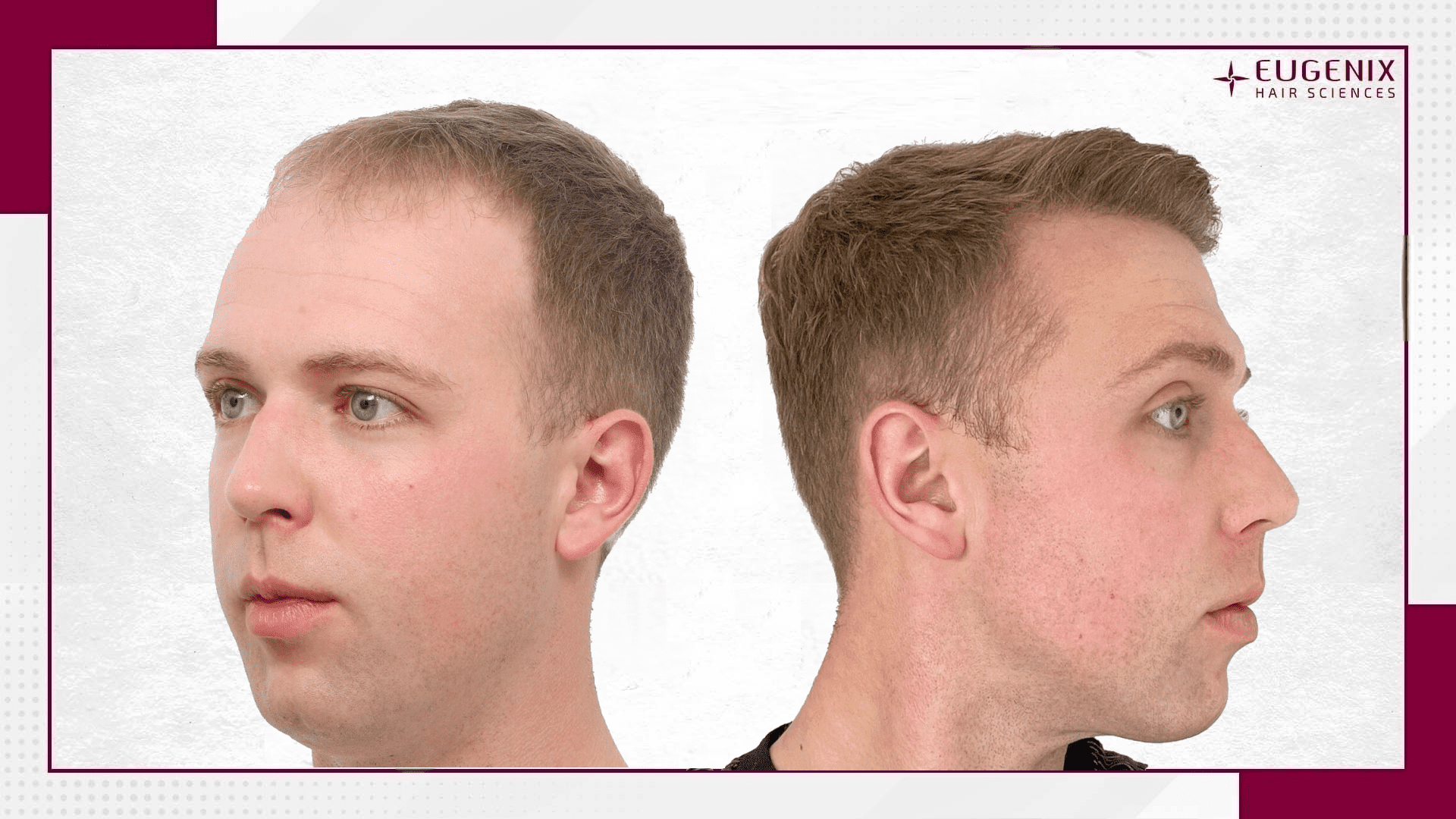
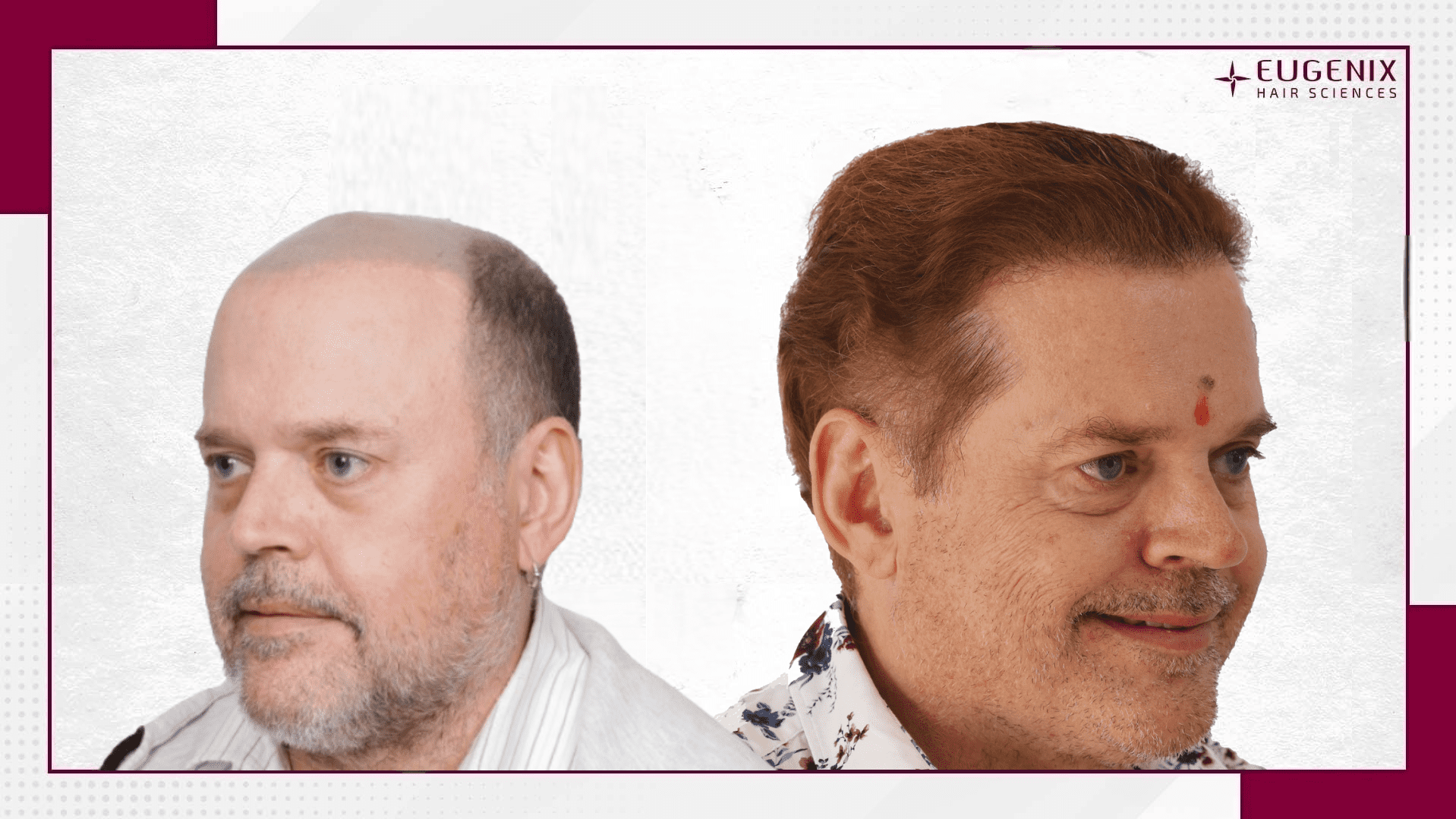
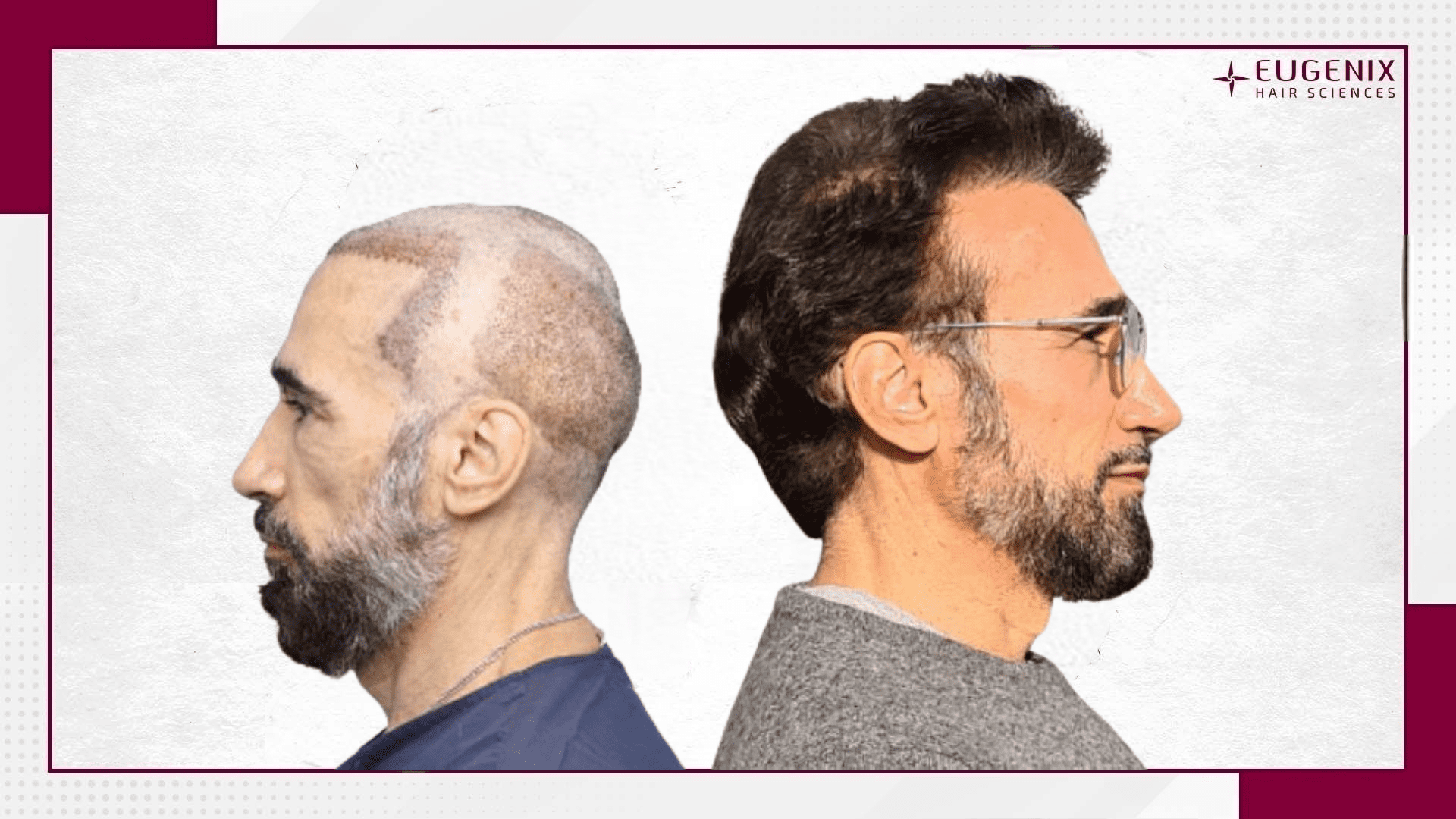
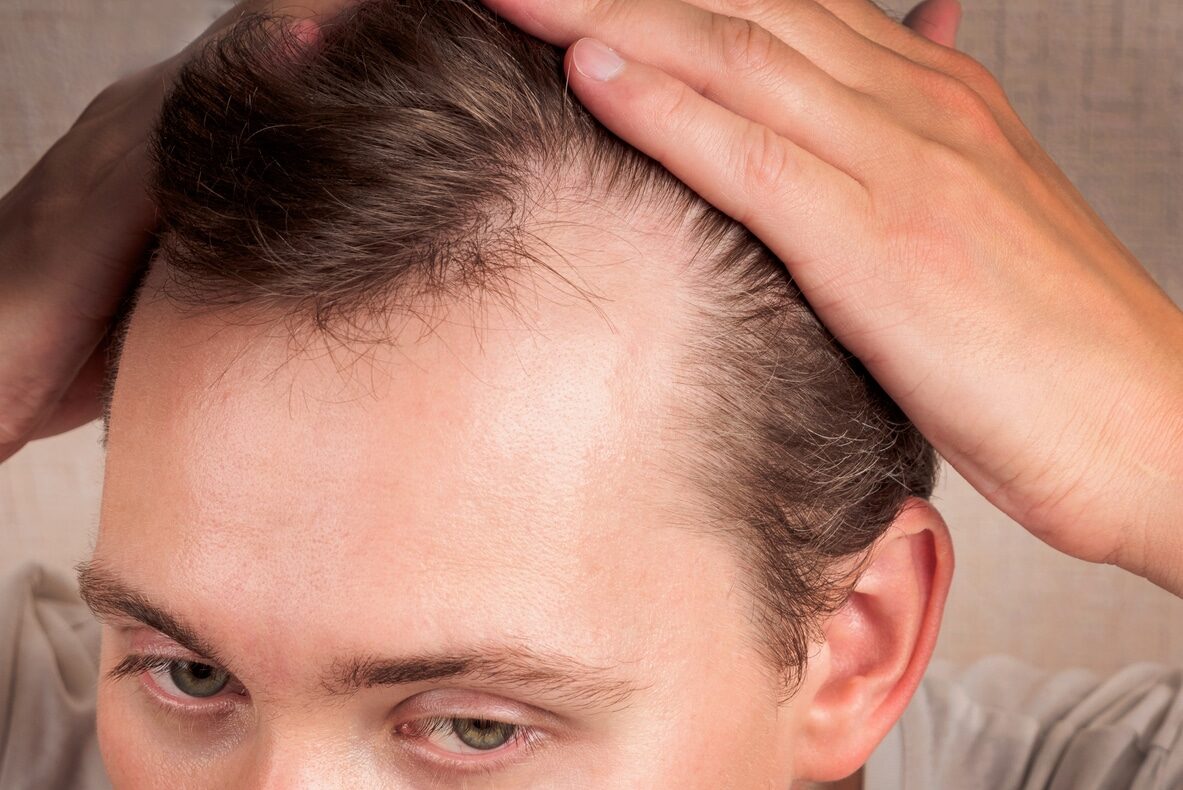
Among the nuances of facial aesthetics, the temple points – the areas where the frontal hairline recedes diagonally towards the ears – play a crucial role in framing the face and contributing to a youthful contour. For many experiencing hair loss, the recession at the temple points can be an early and noticeable sign of aging. Fortunately, specialized procedures like temple point hair transplantation, increasingly available in Gurugram, offer a refined solution to restore these vital temporal angles.
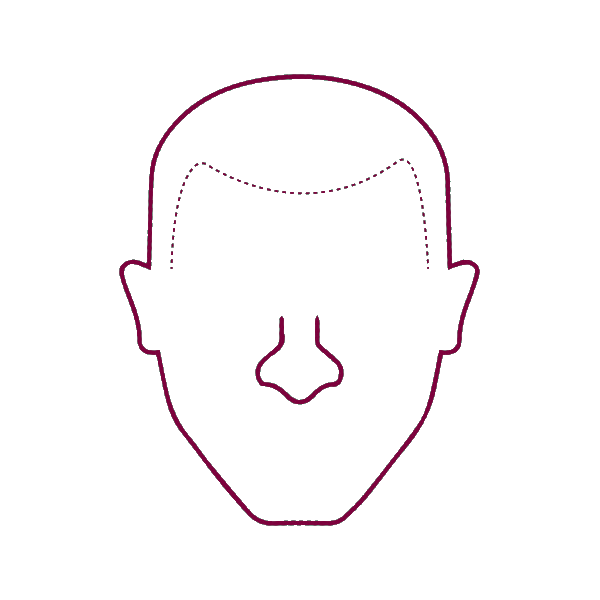
The temple points, also known as the temporal triangles, are more than just patches of hair; they are integral to the overall architecture of the hairline. A full and well-defined temple point creates a softer, more youthful transition from the forehead to the sideburns, contributing to a balanced and harmonious facial appearance. Conversely, recession in this area can lead to a more aged or even a widened forehead, altering the perceived proportions of the face.
Understanding the natural anatomy and progression of hair loss at the temple points is crucial for successful restoration. Unlike the central frontal hairline, the hair in the temporal regions often grows at a slightly different angle and density. The hairline in the temple area typically has a lower density and finer hair compared to the central frontal region. Moreover, the recession at the temples often follows a distinct pattern, gradually moving upwards and backwards, creating a characteristic “M” shape in the overall hairline.
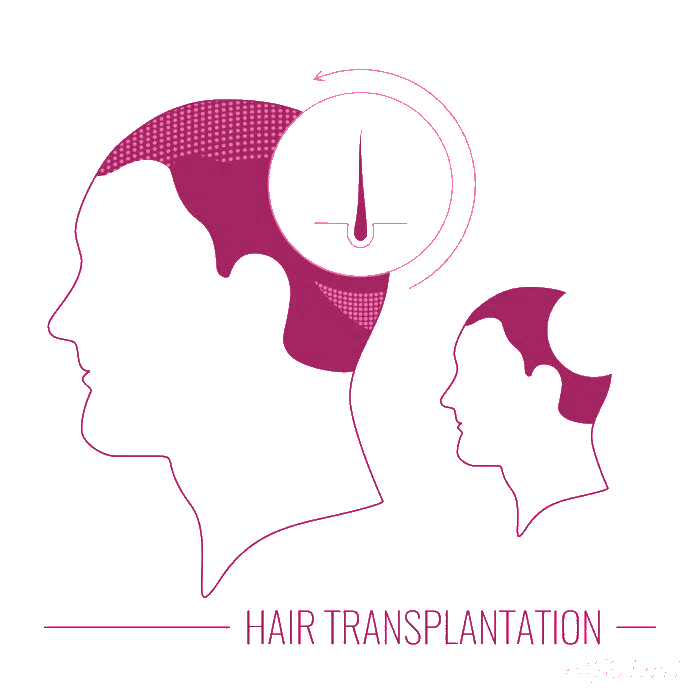
Temple point hair transplantation is a highly specialized procedure that requires a keen understanding of these nuances. It’s not simply about filling in the empty spaces; it’s about meticulously recreating the natural density, angle, and direction of hair growth in this specific area to seamlessly blend with the existing hairline and sideburns. Skilled hair transplant surgeons in Gurugram employ advanced techniques, primarily Follicular Unit Extraction (FUE) and its advanced variation, Direct Hair Transplantation (DHT), to achieve natural-looking results in the temple areas.
Several key considerations guide the process of temple point hair transplantation:
Natural Hairline Design:
The reconstruction of the temple points must be carefully planned in conjunction with the existing or planned frontal hairline. The goal is to create a smooth and natural transition, avoiding a stark or unnatural angle. The surgeon will consider the patient’s age, facial structure, and the degree of existing hair loss to design temple points that complement their overall appearance. Often, a slightly lower and more defined temple point can create a more youthful look, while a higher and softer approach might be more suitable for individuals with significant overall recession.
Graft Selection and Placement:
The hair follicles in the temple areas are often finer and less dense than those in the central scalp. Therefore, surgeons typically select single-hair follicular units for the leading edge of the temple points to create a soft and natural transition. Double and sometimes triple-hair follicular units are then placed behind to add density. The angle and direction of graft placement are also critical. The hair in the temple points typically grows forward and slightly downward, and the surgeon must meticulously replicate this natural orientation to ensure the transplanted hair blends seamlessly with the surrounding hair.
Blending with Sideburns:
The temple points act as a crucial link between the frontal hairline and the sideburns. A successful temple point hair transplant ensures a smooth and natural connection between these areas, avoiding any abrupt or unnatural breaks in the hairline. The density and direction of hair growth in the transplanted temple points must align harmoniously with the existing sideburn hair.
Minimizing Scarring:
FUE and DHT techniques are particularly well-suited for temple point transplantation as they leave behind minimal, virtually undetectable scarring in the donor area. This is especially important for individuals who prefer to wear shorter hairstyles. The precise extraction and placement of individual follicular units allow for a natural-looking result in the recipient area without any linear scarring.
In Gurgaon, clinics specializing in hair transplantation are increasingly recognizing the importance of addressing the temple points for a comprehensive and natural-looking hair restoration. Experienced surgeons understand that neglecting this area can result in an incomplete or unbalanced outcome. Therefore, temple point restoration is often integrated into a broader hair transplant plan to achieve overall facial harmony.
The benefits of a well-executed temple point hair transplant can be significant. By restoring the natural contours of the hairline, it can create a more youthful and balanced facial appearance, soften the overall look, and boost self-confidence. Individuals who have undergone successful temple point restoration often report feeling more comfortable and satisfied with their overall appearance.
For individuals in Gurugram considering addressing recession at their temples, seeking out clinics with expertise in this specific area of hairline reconstruction is crucial. A thorough consultation with an experienced surgeon who understands the nuances of temple point anatomy and the artistry involved in their restoration can provide valuable insights and help in achieving a natural and aesthetically pleasing outcome, ultimately restoring the youthful frame of confidence. Call in at Eugenix Hair Sciences, the pioneers of the revolutionary Direct Hair Transplant (DHT) technique, today for a Temple Point Reconstruction Consultation.
Gurugram Location:
934 & 935P, Sector 51, Opposite Amity International School, Gurugram, Haryana – 122018.
Google Map:
https://maps.app.goo.gl/ipdHu16vtZ6E6PGq7