What is FUE Hair Transplant?
Hair loss can be a distressing condition for many, causing a significant decrease in self-confidence and self-esteem. Fortunately, advancements in medical technology have made hair transplantation a viable solution for many people seeking to restore their natural hair. Among the various hair transplant techniques available, Follicular Unit Extraction or FUE hair trasnplant stands out as a popular and effective method.
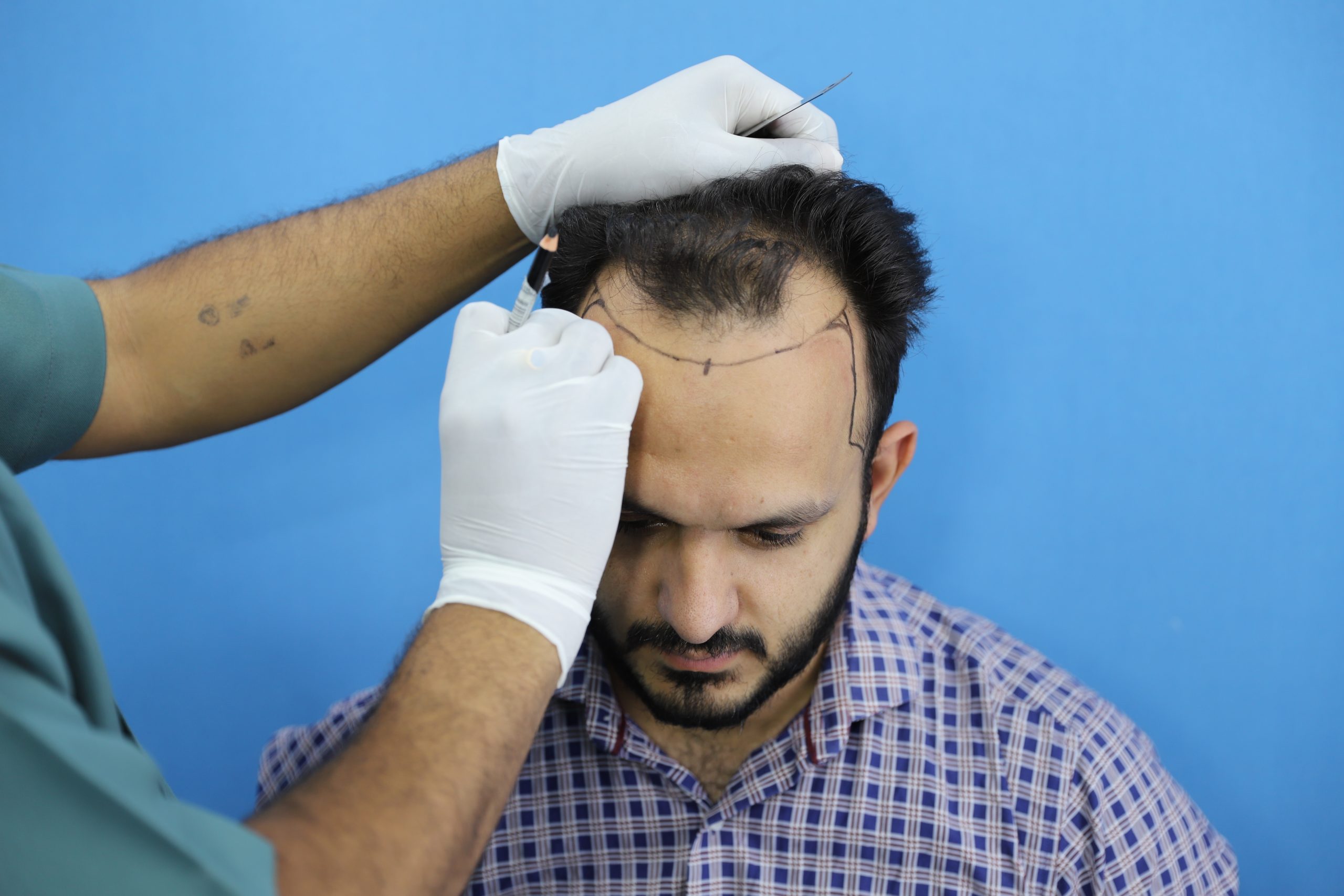
FUE hair trasnplant is a minimally invasive hair transplantation technique that involves the extraction of individual hair follicles from a donor area and their implantation into the recipient area. The process is performed using specialized microneedles or punch tools, allowing for precise extraction and transplantation. FUE has gained popularity due to its natural-looking results, minimal scarring, and relatively quick recovery.
Understanding FUE Hair Transplant
FUE is a hair transplant method that involves extracting individual hair follicles from a part of your body, typically the back or sides of the scalp, and implanting them into the balding or thinning areas. The procedure is known for its precision and the natural-looking results it offers. But what sets FUE apart from other hair transplant techniques? Here are the key advantages.
1. Minimally Invasive Procedure
FUE is minimally invasive compared to other techniques like Follicular Unit Transplantation (FUT). Instead of removing a strip of scalp (as in FUT), FUE involves the extraction of individual hair follicles. This significantly reduces scarring and leads to a quicker recovery time.
2. No Linear Scarring
One of the most significant advantages of FUE is the absence of a linear scar. Because hair follicles are extracted individually, only small, punctuate scars are left, which are virtually undetectable once your hair grows out. This is a game-changer for individuals who prefer shorter hairstyles, as they don’t have to worry about a noticeable scar.
3. Lower Post-Operative Discomfort
Patients who undergo FUE typically report less discomfort during the recovery phase compared to those who opt for FUT. The absence of a linear incision reduces the pain and tightness in the donor area post-surgery. The recovery time is also faster, with most individuals resuming their normal activities within a week.
4. Natural-Looking Results
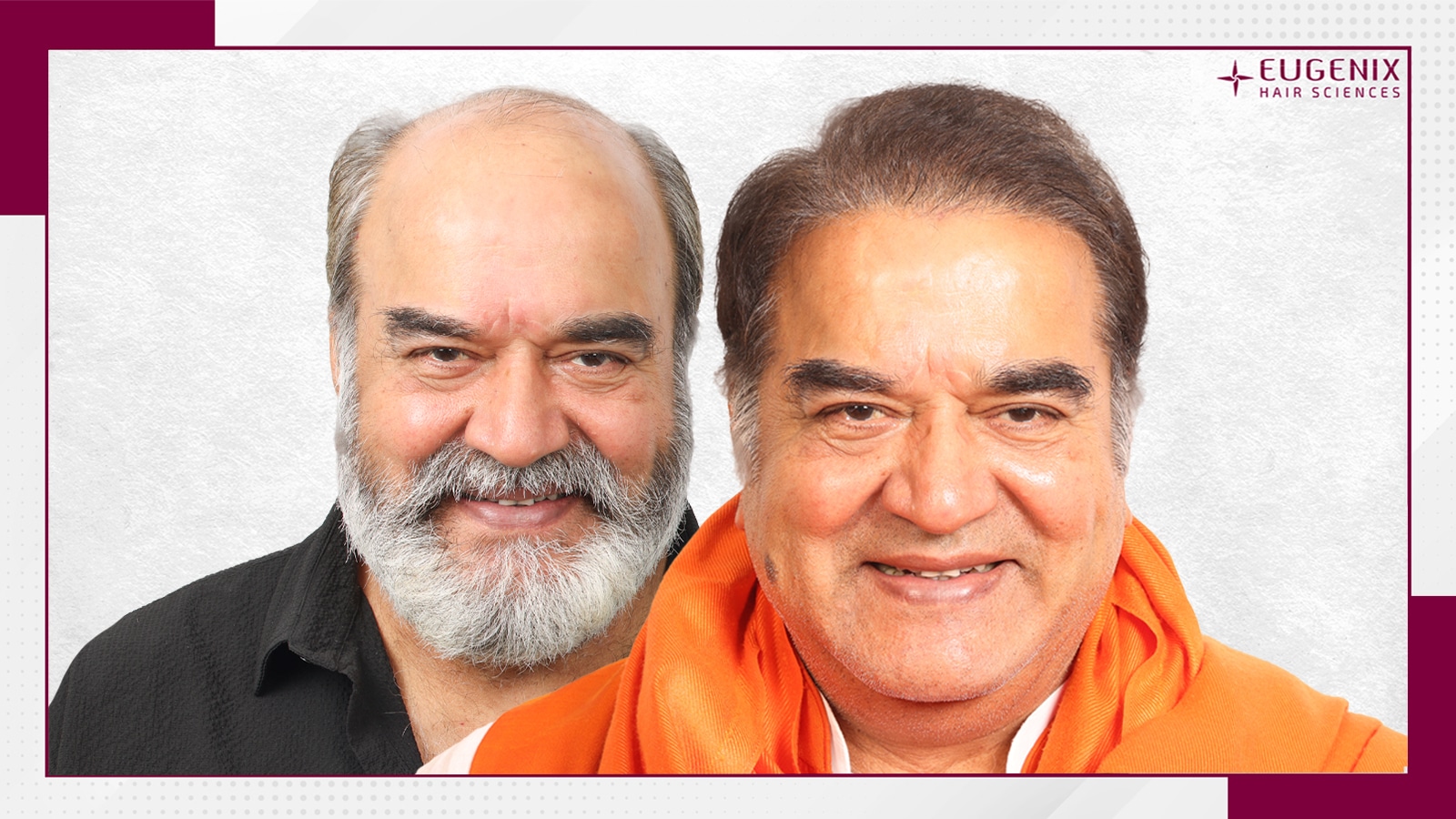
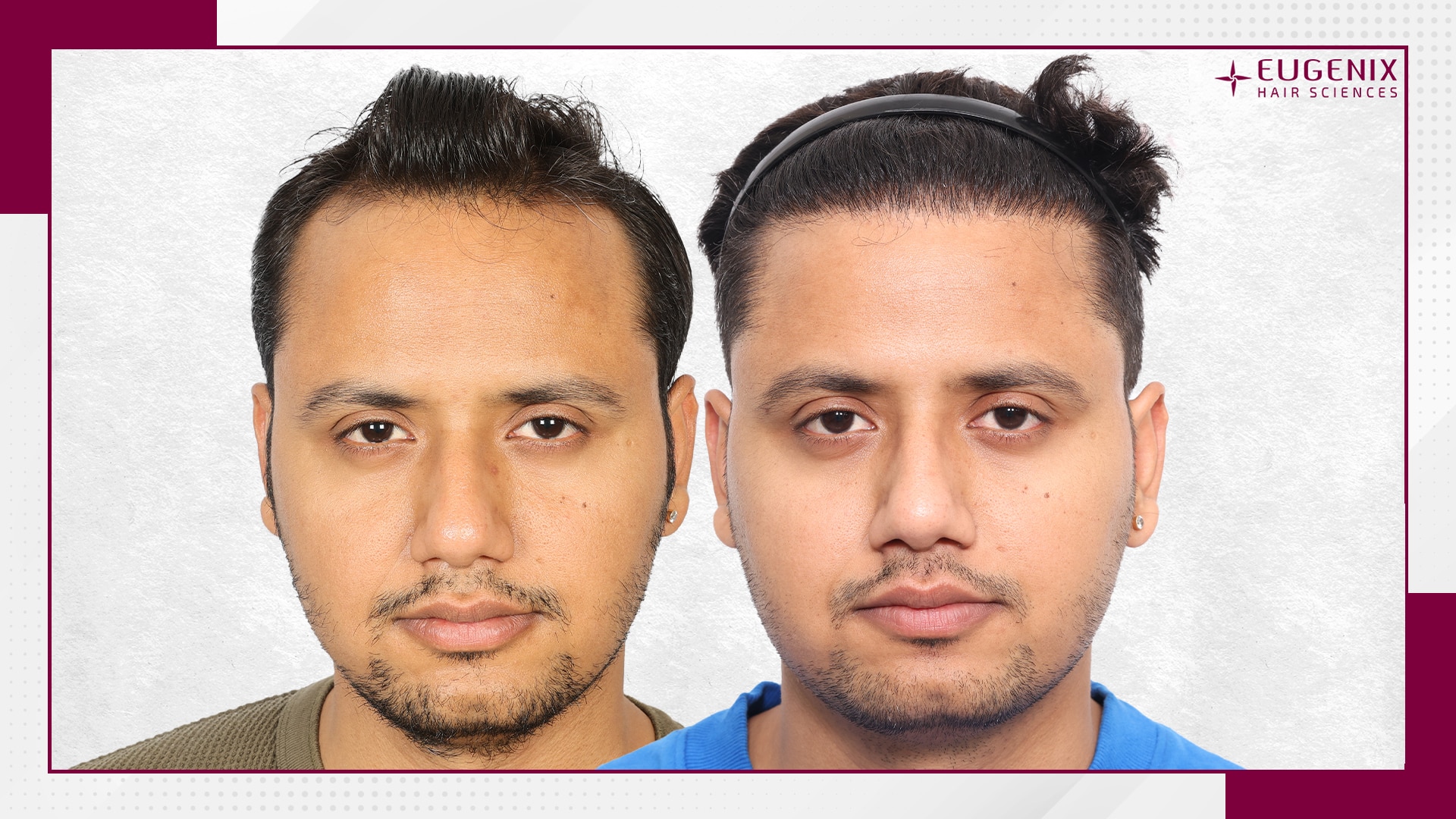
FUE offers extremely natural-looking results. The technique allows for the precise placement of hair at the correct angle and direction, matching the existing hair growth pattern. This results in a seamless blend with the surrounding hair and gives a more natural finish.
5. Flexibility in Donor Selection
FUE provides the flexibility to extract hair follicles from different parts of the body, not just the scalp. This is particularly beneficial for individuals who have limited scalp donor hair but have suitable hair growth on other parts of the body like the chest or back.
6. Suitable for Early Stage Hair Loss
FUE can be an excellent option for individuals in the early stages of hair loss or those with smaller balding areas. It allows for targeted treatment, which can help to maintain a fuller appearance and slow down the appearance of hair loss.
Advantages of FUE
- Minimal Scarring: Unlike other techniques that involve the removal of a strip of the scalp (such as Follicular Unit Transplantation or FUT), FUE leaves tiny, dot-like scars in the donor area. These scars are generally less visible and can be concealed by surrounding hair, making FUE a more aesthetically appealing option.
- Natural Appearance: The individual extraction and transplantation of hair follicles in FUE allow for precise placement, mimicking the natural hair growth pattern. This results in a more natural-looking outcome, with hair that seamlessly blends with existing hair.
- Suitable for Limited Donor Hair: FUE is often suitable for individuals with limited donor hair availability. The ability to extract individual follicles allows the surgeon to make the most out of the available donor area, maximizing the coverage and density of the transplanted hair.
- Versatility: FUE can be used for various hair restoration purposes, including treating different areas of the scalp and even facial hair transplantation (such as beard or eyebrow restoration). Its versatility makes it a preferred choice for those seeking different types of hair restoration.
Other Hair Transplant Techniques
- Follicular Unit Transplantation (FUT): FUT, also known as strip harvesting, involves the removal of a strip of scalp from the donor area, usually the back of the head. The strip is then dissected into individual hair follicles for transplantation into the recipient area. FUT was a widely used technique before the advent of FUE.
- Advantages of FUT: Higher Graft Yield: Since a strip of scalp is harvested, FUT allows for the extraction of a larger number of hair follicles in a single session. This can be advantageous for individuals requiring extensive hair restoration.
- Cost-Effective: FUT is often more cost-effective compared to FUE, as it requires less time and effort for the extraction process.
Direct Hair Transplantation (DHT): Pioneered by Dr Arika Bansal and Dr Pradeep Sethi of Eugenix Hair Sciences, DHT is a variation of FUE where the extracted hair follicles are simultaneously implanted. A lead surgeon will focus on slit-making and is assisted by a team that focuses on the extraction and implantation of hair follicles.
Advantages of DHT
- Reduced Time: DHT eliminates the step of creating recipient site incisions separately, saving time during the transplantation process.
Increased survivability of Follicles: With immediate implantation, the extracted hair follicles spend less time outside the body, potentially improving their viability and survival rate. - Control over Implantation Angle, Depth, Density and Direction: DHT allows for greater control over the angle, depth, density and direction of hair implantation, resulting in a more precise and customized outcome.
- Choosing the Right Technique: The choice between FUE, FUT, or DHT depends on various factors, including the patient’s specific hair loss pattern, donor hair availability, and the surgeon’s expertise. During a consultation with a qualified hair transplant surgeon, an individualized assessment will be conducted to determine the most suitable technique to achieve the desired outcome.
- Verdict: FUE, FUT, and DHT are prominent hair transplant techniques, each offering unique advantages and considerations. FUE stands out for its minimal scarring, natural appearance, versatility, and suitability for limited donor hair. FUT is advantageous for its higher graft yield and cost-effectiveness, while DHT offers reduced time, a higher survivability rate of follicles, and precise implantation control. Consulting with a qualified hair transplant surgeon is essential to determine the most appropriate technique based on individual circumstances and goals. With the right technique and expert guidance, hair transplant procedure can provide long-lasting, natural-looking results, helping individuals regain their confidence and restore a fuller head of hair.
Conclusion
While FUE hair transplant offers numerous advantages, it’s essential to remember that the success of a hair transplant largely depends on the skill and experience of the surgeon. A well-executed FUE procedure can yield highly satisfying and confidence-boosting results.
Also, it’s important to note that every individual’s hair loss pattern, hair characteristics, and personal preferences are different, which can influence the choice of technique. Therefore, it’s recommended to have an in-depth discussion with a qualified hair transplant surgeon to understand the best approach for your specific needs.
In conclusion, FUE hair transplant has become a popular choice due to its minimally invasive nature, absence of linear scarring, quicker recovery, and the natural-looking results it offers. Whether you are experiencing early-stage hair loss or are in search of a solution for more advanced balding, FUE could be a beneficial solution to consider. Always remember, the aim is not only to restore hair but also to regain confidence and improve the overall quality of life.