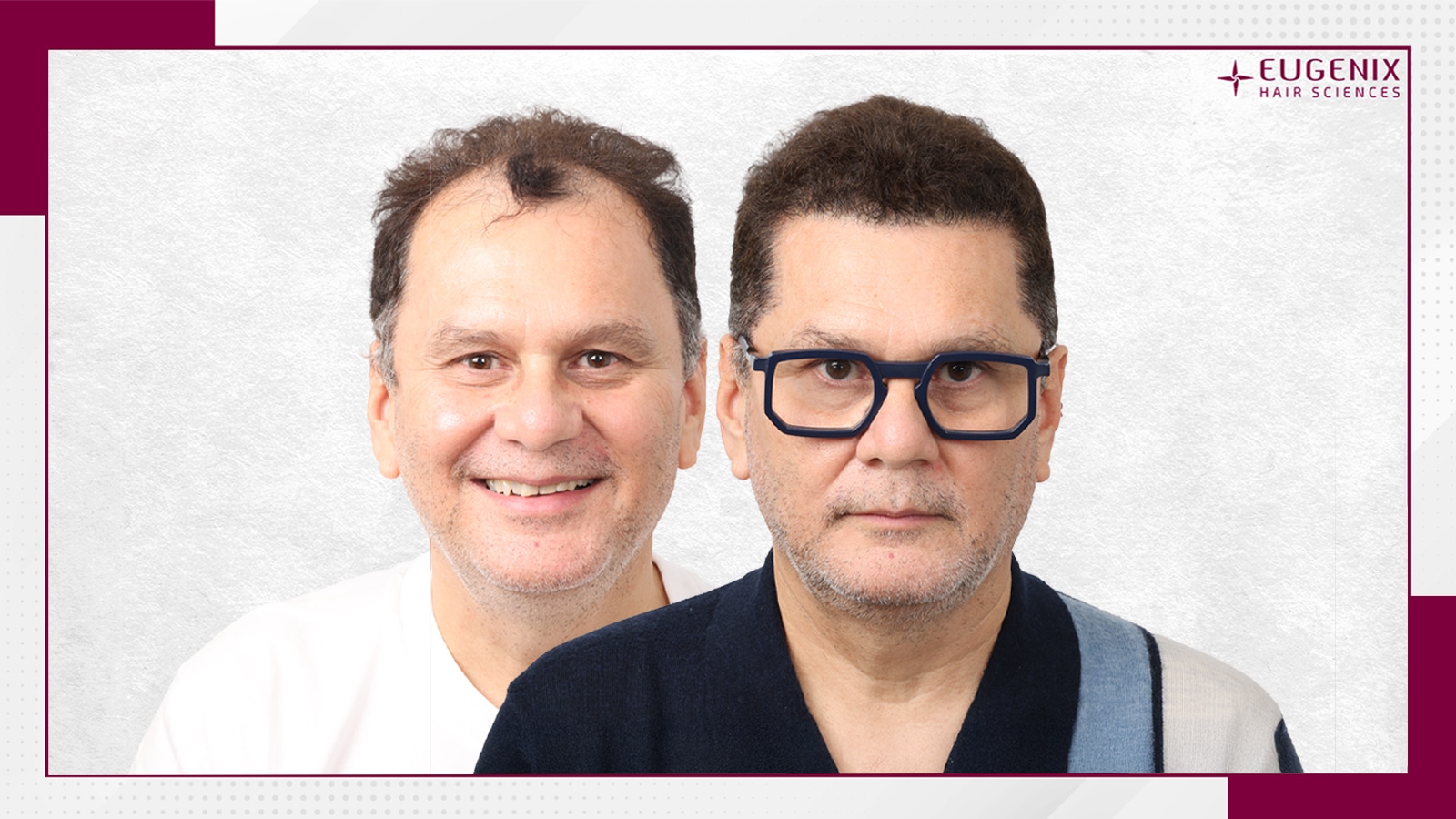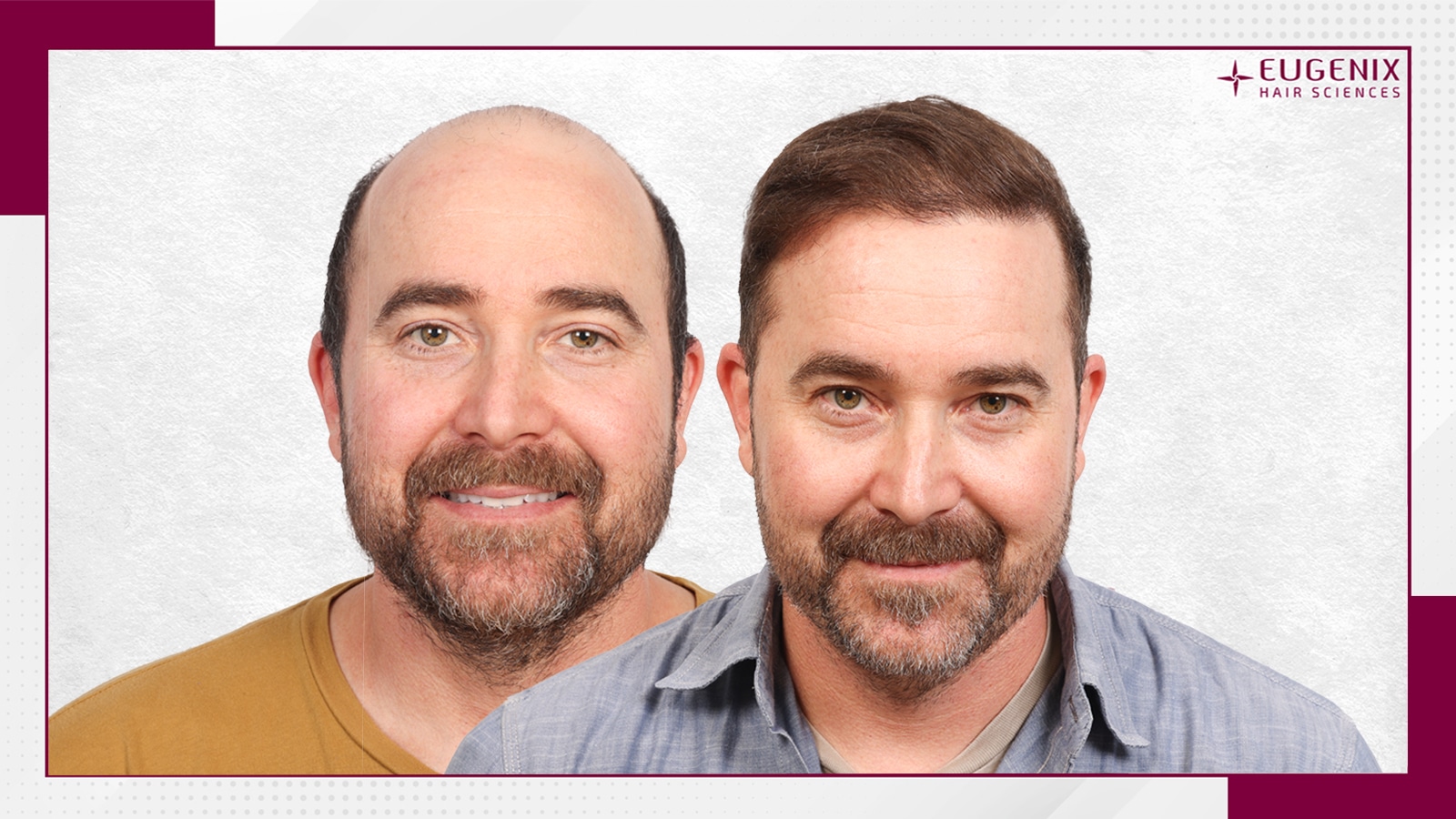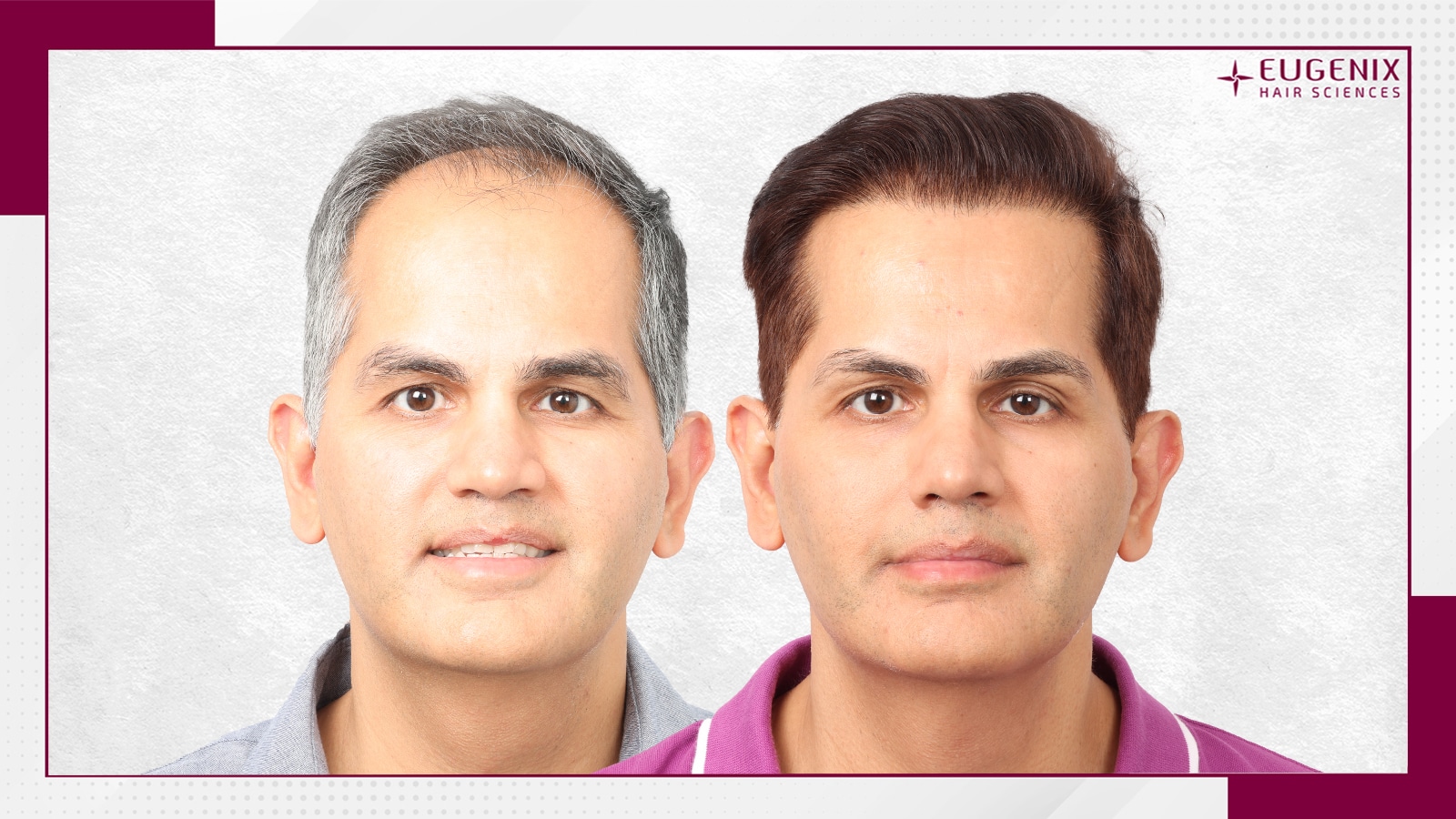

What Affects Hair Transplant Results?
Hair loss can affect how people feel about their appearance. Hair transplantation, a surgical procedure that involves transplanting hair follicles from a donor area to a balding recipient area, has emerged as a popular option. A common question is: what affects the results of a hair transplant?
No clinic can guarantee results, and results vary from person to person. What a hair transplant can achieve depends on several factors: how much donor hair you have, how your hairline and graft placement are planned, how carefully the grafts are handled, how well aftercare is followed, and how your hair loss progresses over time.
Transplanted hair usually starts to grow from Month 4. Full results take 10 to 12 months. However, it’s important to remember that results depend on more than the grafts alone. Hairline design, the density planned for each area, and how your hair loss may progress are all part of the plan.
Hair Transplant Techniques:
Hair transplant techniques have evolved significantly over time. The two most common methods, Follicular Unit Transplantation (FUT) and Follicular Unit Extraction (FUE), each have their advantages and disadvantages.
FUT Hair Transplant
FUT involves removing a strip of scalp from the donor area, dissecting it into individual follicular units, and transplanting them.
FUE Hair Transplant
FUE, on the other hand, extracts individual follicles directly from the donor area with minimal scarring.
Direct Hair Transplant (DHT)
The Direct Hair Transplant (DHT) technique was described by our Co-Founders in their 2013 research paper. Grafts stay outside the body for under 30 minutes with Direct Hair Transplant, compared to 3 to 6 hours with conventional FUE. DHT is different from DHI: in DHT the slits are made first and grafts are placed into them, rather than an implanter pen making the opening and placing the graft in one step.
Success in hair transplantation hinges heavily on the expertise of the surgeon. Experience, careful technique and planning all matter. Eugenix Hair Sciences has worked only in hair restoration since 2009, including male and female hair restoration. The lead surgeon performs the extraction and sets every technical parameter. The Eugenix medical team assists and carries out implantation under the lead surgeon’s parameters and supervision.
Key Factors Affecting Hair Transplant Results
Hair transplant success isn’t solely dependent on the surgeon’s skill or the chosen technique. Patient factors also play a significant role. Honest communication during consultation, realistic expectations, and meticulous adherence to post-operative care instructions are vital for optimal results.
Choose a clinic on facts you can check: the doctor’s name, qualification and registration number, who performs each step, and the written plan. Results vary from person to person, and no clinic can guarantee results.
At consultation, our team assesses your scalp and donor area and explains what can be planned for your case.