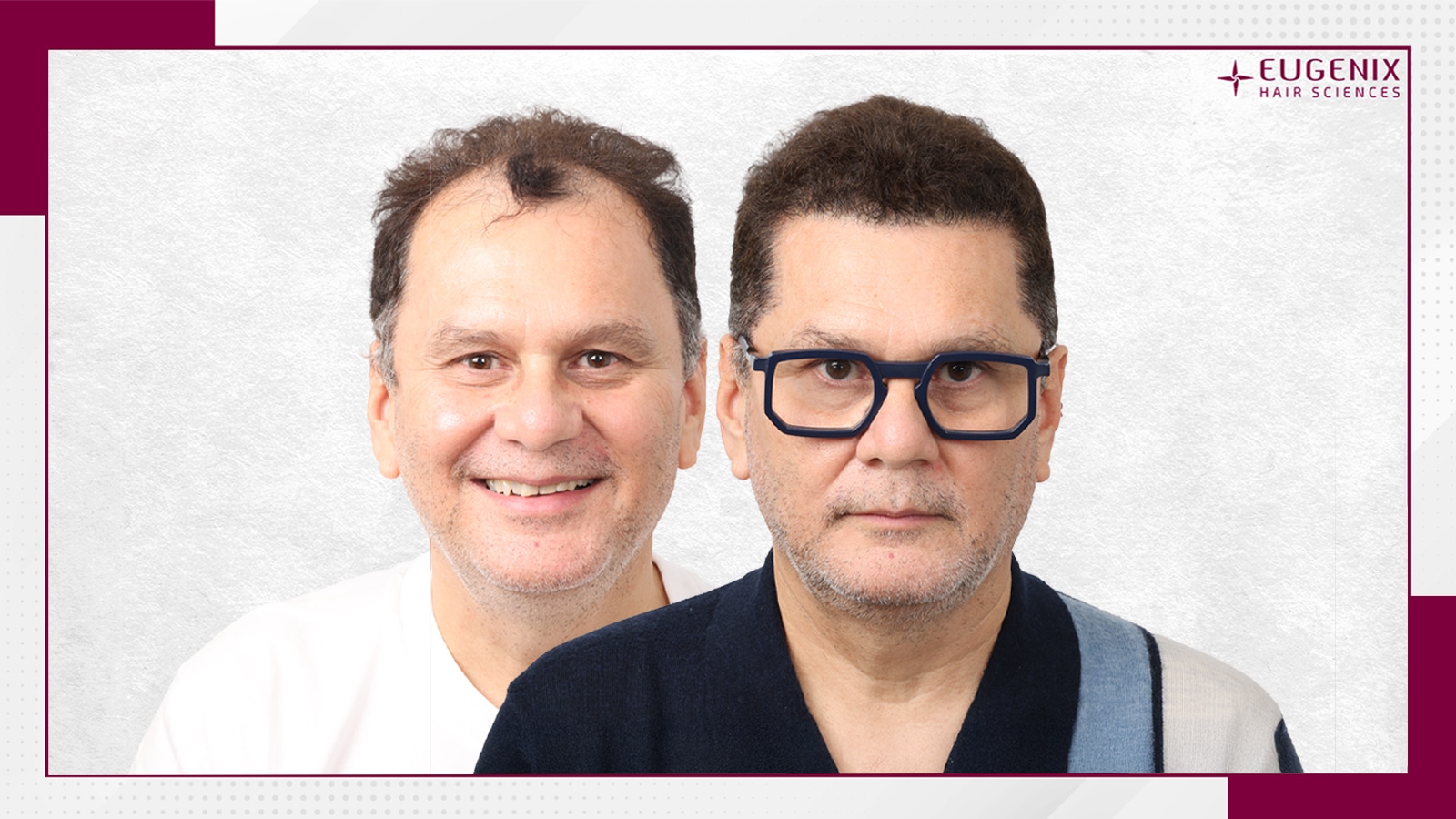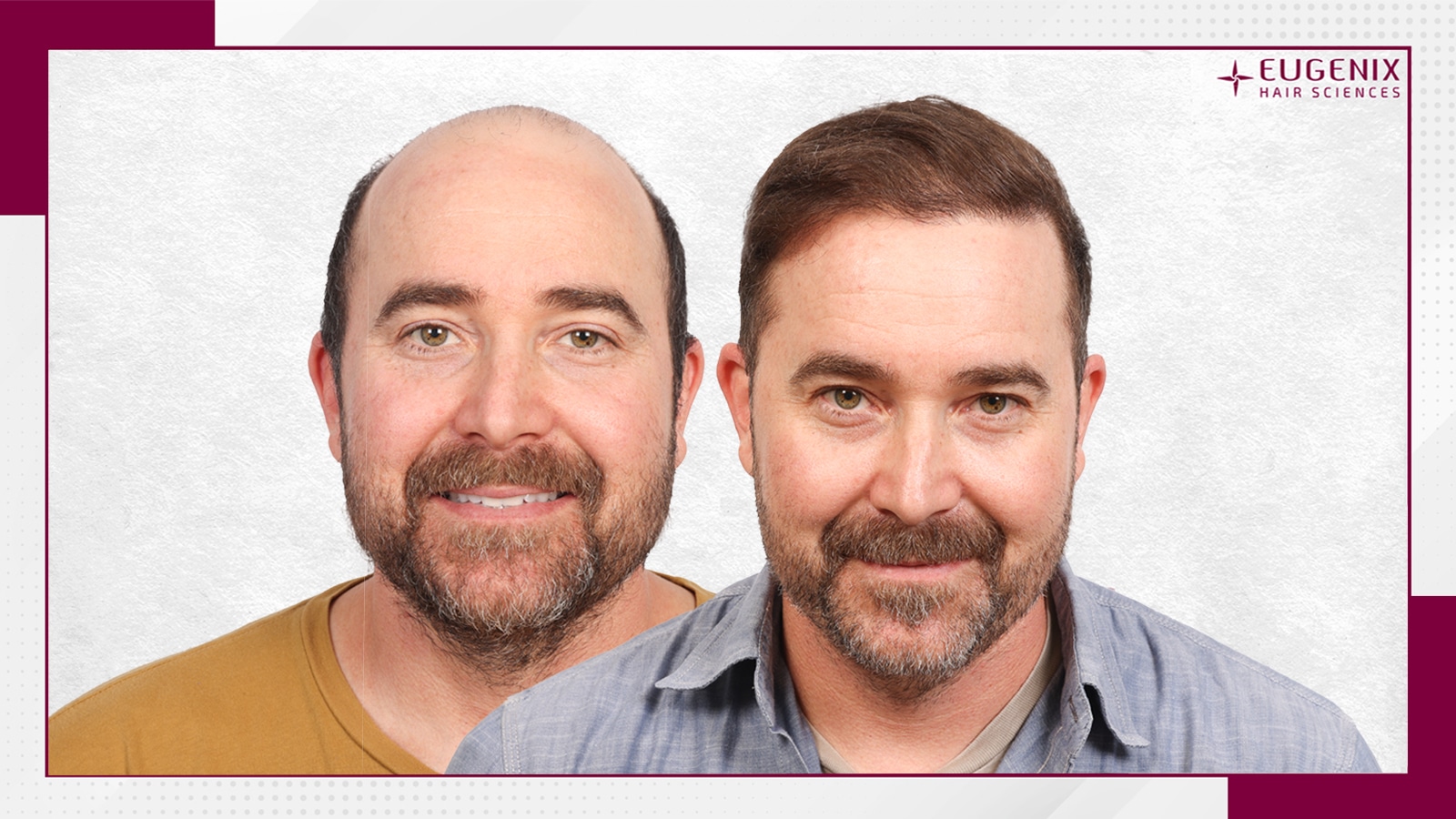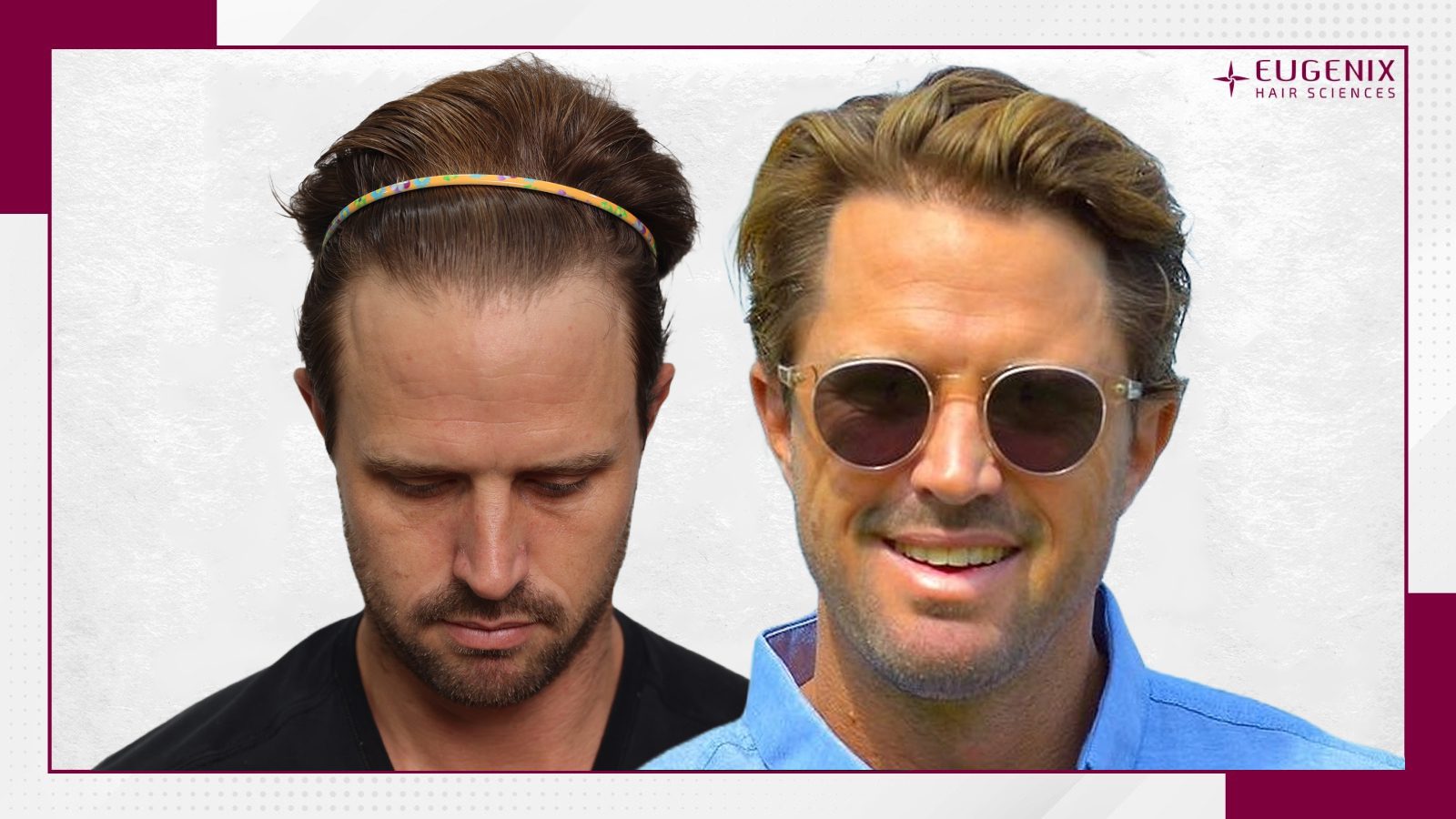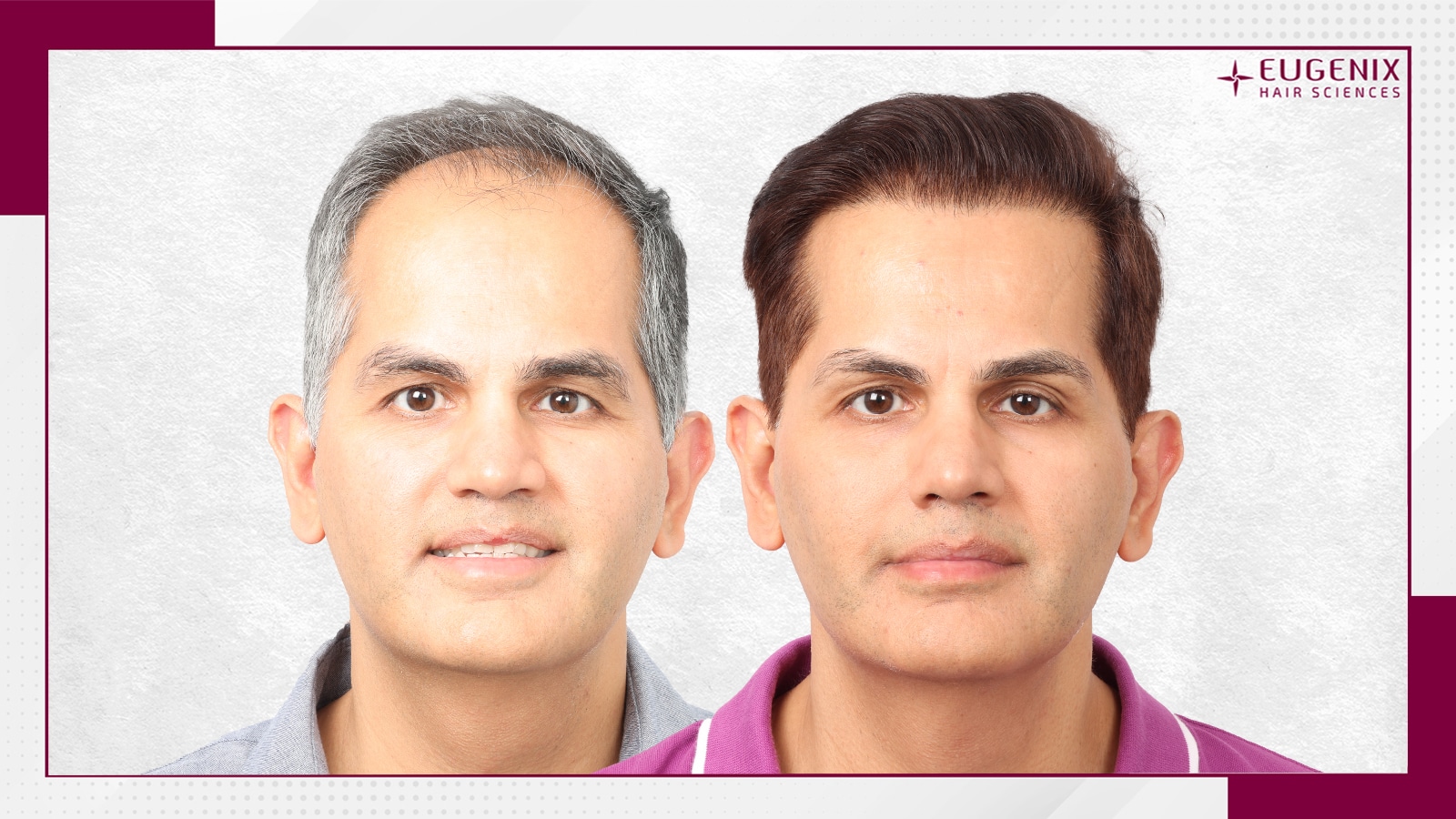

Who Should Consider a Hair Transplant?
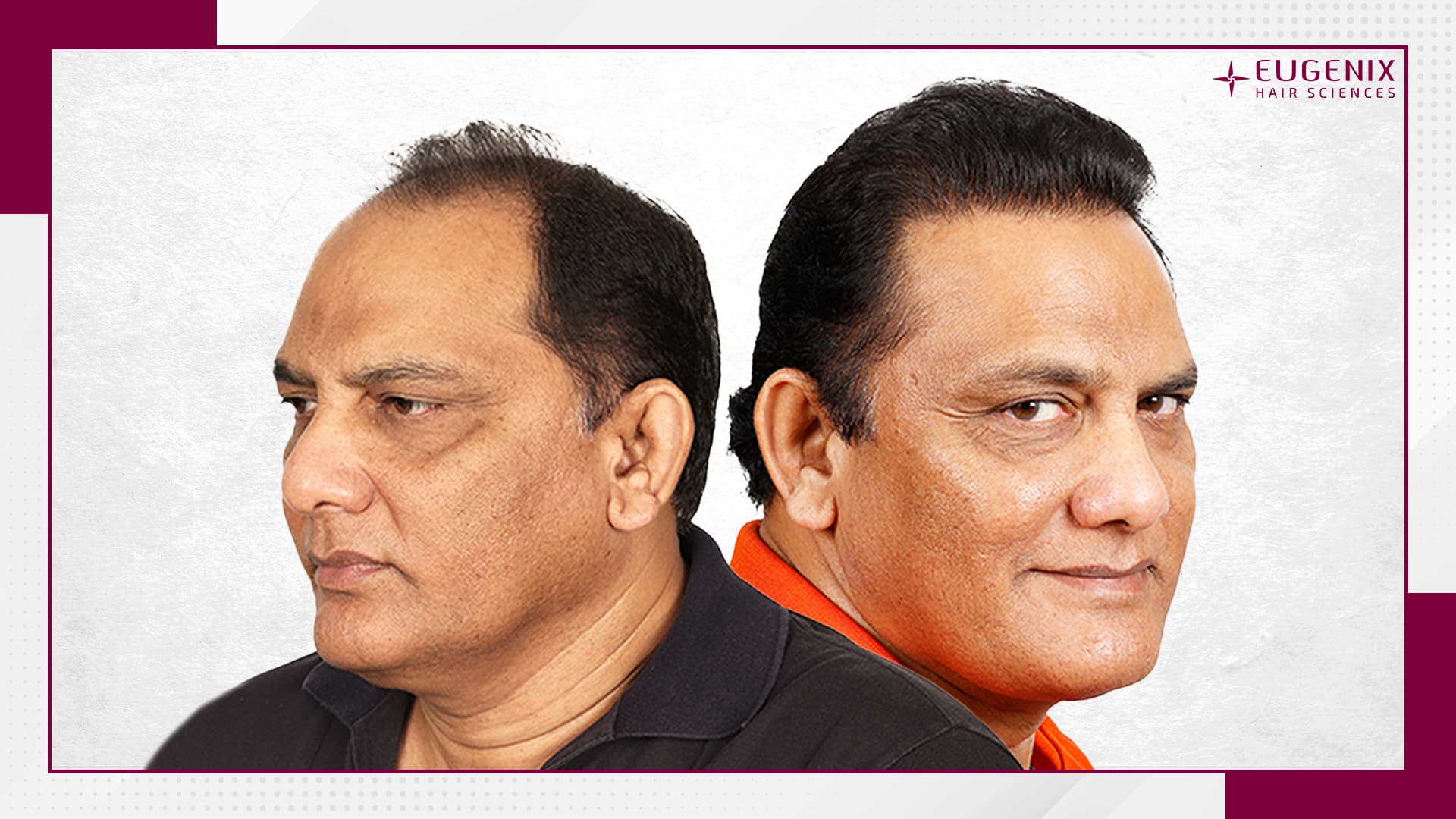
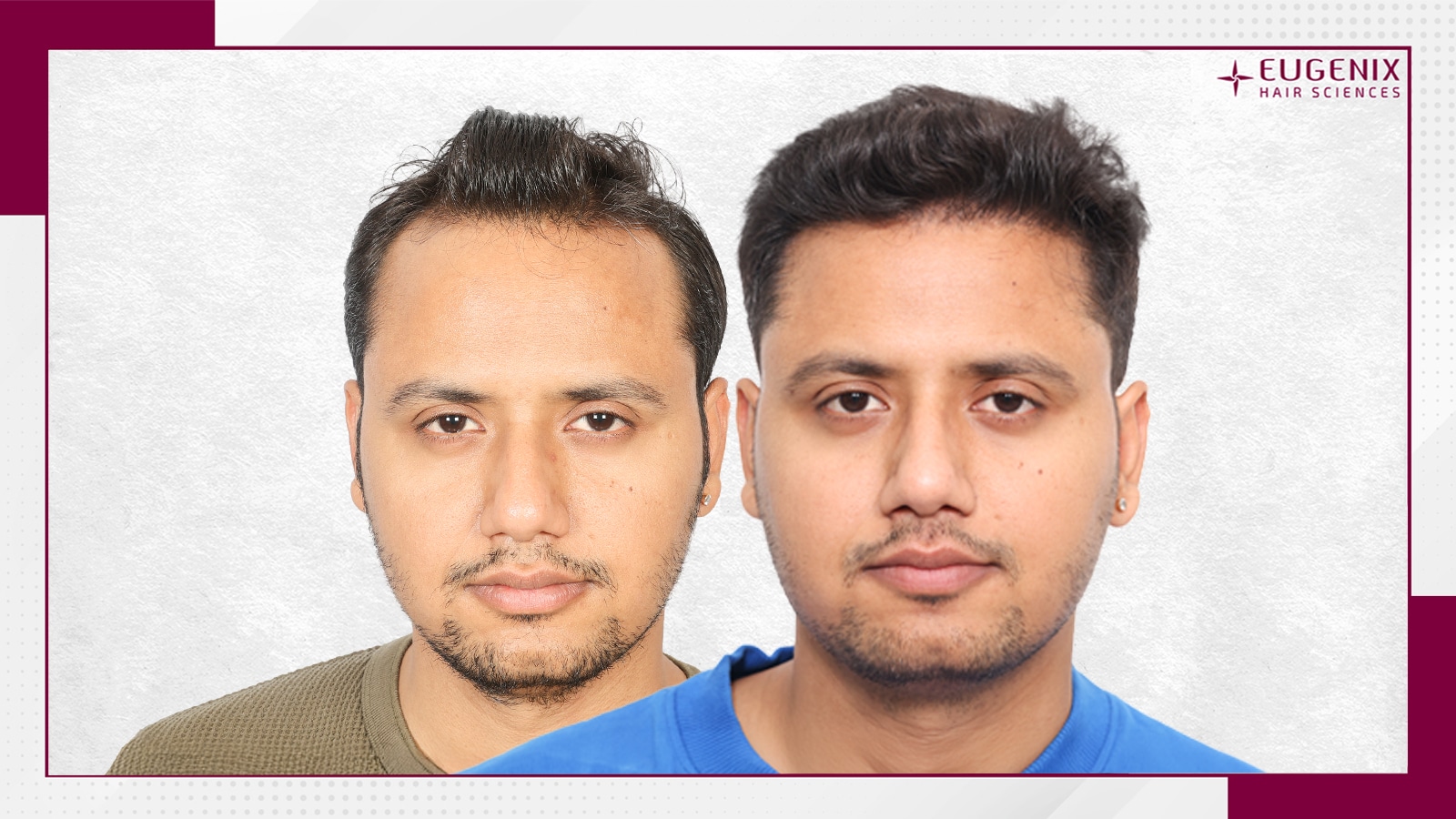
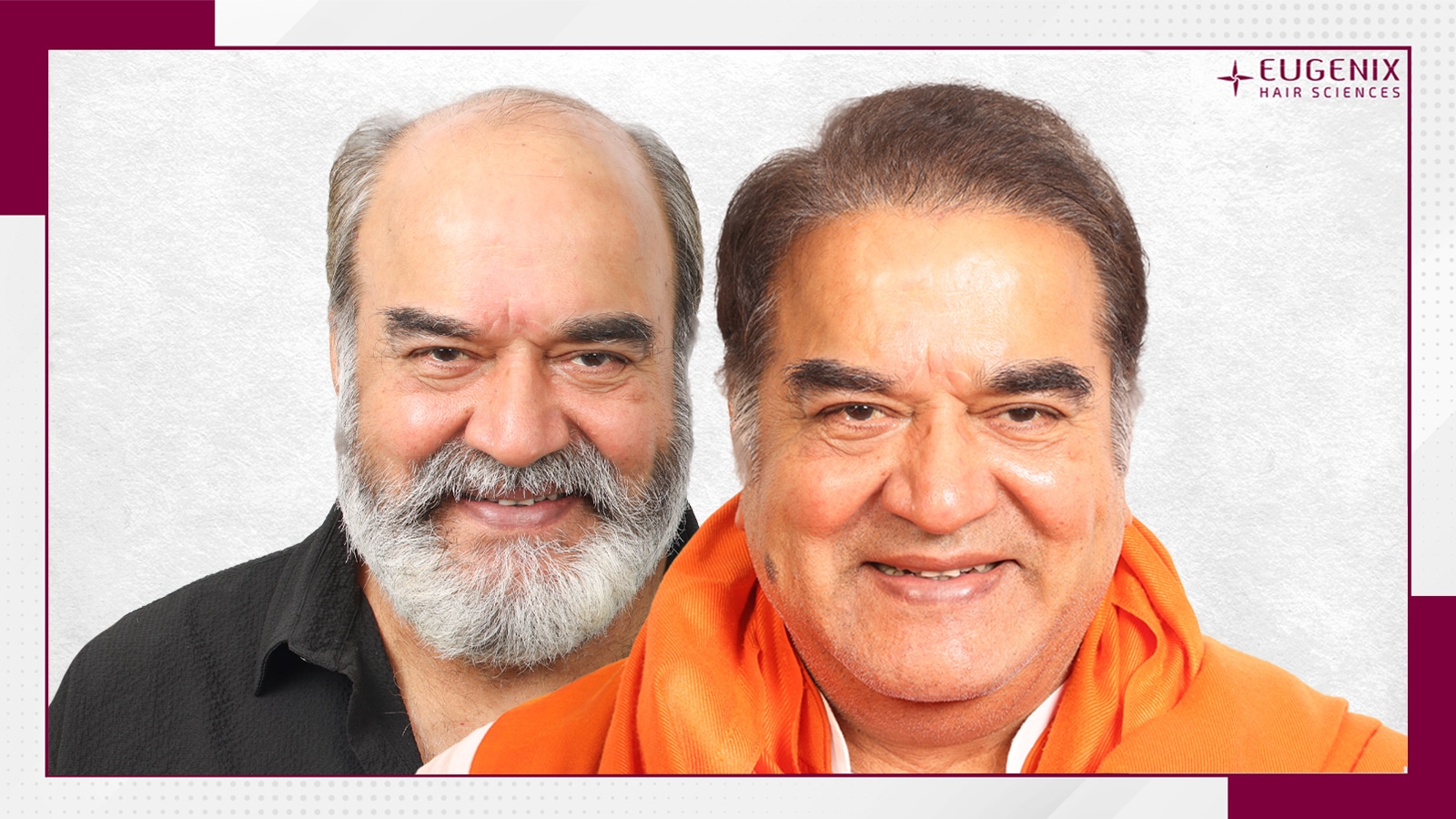
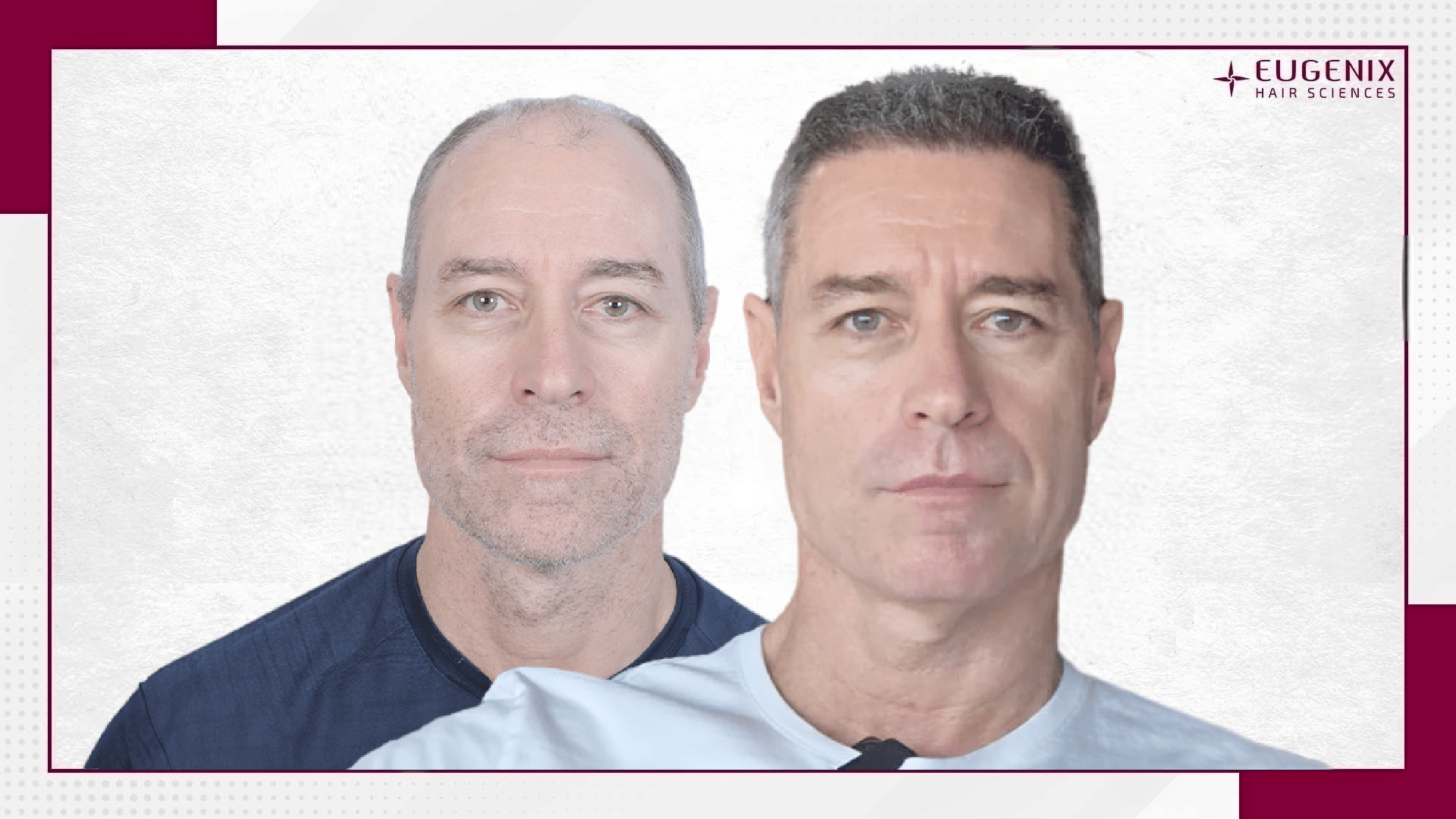
Hair loss can be a significant source of emotional distress. While embracing a shaved head is a bold choice, the desire for a full head of hair remains strong for many. Hair transplantation offers a solution, but with a plethora of online information and varying success stories, a crucial question arises: who is a good candidate for this procedure?
Factors Which Determine Who Is a Good Candidate for a Hair Transplant
First Factor: Healthy Donor Area
One of the fundamental requirements for a successful hair transplant is a healthy donor area. This is the region on the back and sides of the scalp where hair follicles are usually less affected by pattern hair loss. These follicles will be extracted and transplanted to the recipient area, the balding or thinning part of the scalp.
The quality and density of hair growth in the donor area are paramount. Experienced surgeons meticulously assess these factors through a thorough scalp examination during the consultation.
Second Factor: Pattern of Baldness
Not all hair loss patterns are created equal. Hair transplant procedures are most effective for Androgenetic Alopecia, commonly known as male or female pattern baldness. This type of hair loss follows a predictable pattern, with receding hairlines in men and a widening part in women.
It’s important to consult a skilled surgeon specializing in diagnosing and managing various hair loss patterns. Their expert assessment will determine if a hair transplant is the most suitable solution for your needs.
While there’s no definitive age limit for hair transplants, surgeons often recommend waiting until a patient’s hair loss pattern has stabilized. This typically occurs in the late twenties or early thirties for men and can vary for women.
Your hairline is planned keeping in mind how your hair loss may progress.
Third Factor: Realistic Expectations of Users
A critical factor for candidacy is having realistic expectations. Hair transplants aim to restore hair density, not recreate a head of hair from your youth. Your surgeon will guide you through the possibilities and limitations of the procedure, ensuring you make informed decisions.
Fourth Factor: Good Health
Good overall health is crucial for a successful hair transplant and optimal healing. Individuals with uncontrolled chronic conditions or compromised immune systems may not be ideal candidates.
Your medical history is reviewed in full before surgery, so that your plan takes your complete health profile into account.
Hair transplantation is a surgical procedure, and a certain level of mental preparedness is essential. Choosing a clinic that prioritizes patient well-being and offers comprehensive pre and post-operative support can significantly enhance your experience.
Other Factors:
While the factors mentioned above form the core criteria for candidacy, there are other considerations for determining who is a good candidate:
- Scalp Laxity: Adequate scalp laxity in the recipient area is necessary for optimal placement of the transplanted follicles.
- Smoking: Smoking can impede healing and compromise results. Quitting smoking well in advance of the surgery is often recommended.
- Family History: Understanding your family’s hair loss history can provide valuable insights for your surgeon.
Ultimately, the way to determine your candidacy for a hair transplant is by consulting with a qualified and experienced hair transplant clinic.
A skilled surgeon will tailor their recommendations to your situation, hair loss pattern, donor area, overall health, and desired outcome.