If you are preparing for a hair transplant or recovering from one, understanding how smoking affects your result is not optional. Smoking after a hair transplant is among the most significant controllable threats to graft survival. The effects of smoking extend far beyond the lungs. This discipline before and after surgery protects your grafts. Cigarette smoking harms nearly every organ in the body and is responsible for many diseases that affect the heart, blood, and skin, all directly relevant to scalp healing.
This article explains the health effects of smoking on graft survival, covers different tobacco forms, addresses secondhand smoke for both smokers and non smokers, gives clear timelines for avoiding smoking, alcohol, and caffeine, and outlines the health benefits of choosing to quit smoking around your procedure.
How Smoking Harms Nearly Every Organ in the Body
The US Department of Health and Human Services, the Centers for Disease Control and Prevention, and the World Health Organization all classify cigarette smoking as the leading cause of preventable death in the modern world. According to the Centers for Disease Control and Prevention, smoking causes one in five deaths in the United States each year, accounting for more than 480,000 premature deaths annually. Globally, the figure is far higher. Tobacco smoking is responsible for one in five deaths across high-income countries.
Cigarette smoking harms nearly every organ of the body. The Department of Health and Human Services has documented how tobacco smoking causes oral cancers, lung cancer, cancers of the gastrointestinal tract, heart disease, stroke, chronic obstructive pulmonary disease, and respiratory infections. Tobacco smoke is a complex mixture of burning plant material and harmful chemicals, containing over 7,000 compounds. Of these harmful chemicals, at least 70 are known carcinogens. The health effects of smoking include many diseases and health problems across nearly every organ system, including the cardiovascular system, the respiratory system, and the nervous system.
The Centers for Disease Control and Prevention classify cigarette smoking as a cause of increased risk of premature death across all groups, including young adults who begin smoking early. Studies published in international journals consistently show that smoking related diseases and their health consequences shorten life expectancy by a decade or more. The health problems caused by smoking related diseases and the premature death toll from cigarette smoking make this one of the most documented public health crises globally.
What Happens When You Smoke After a Hair Transplant
Smoking and Graft Survival
Graft survival depends on blood supply. In the first week after a hair transplant, newly implanted follicles have no existing vascular network. They survive by forming new capillary connections in the scalp tissue around them. Anything that restricts circulation directly reduces graft survival.
Nicotine is a vasoconstrictor. When you smoke, nicotine constricts blood vessels and reduces the circulation reaching the scalp. Nicotine damages the smaller blood vessels that are most critical to graft integration. This is why graft survival rates are measurably lower in patients who continue smoking after a hair transplant.
Carbon monoxide is a second major threat. Red blood cells normally carry oxygen to healing tissue. Carbon monoxide from cigarette smoking binds to haemoglobin and blocks red blood cells from carrying oxygen efficiently. When red blood cells cannot carry oxygen normally, even the blood that does reach your scalp delivers less than your grafts require. The effects of smoking on post-operative tissue oxygenation are well documented in hair transplant research. The recovery period immediately after surgery is when smoking carries the highest risk to graft survival.
Shock Loss and Hair Density in Smokers
Patients who continue smoking after a hair transplant face a higher risk of shock loss. Shock loss refers to the shedding of pre-existing native hair in and around the transplanted zone. Smoking affects the immune system and slows wound healing, making native hair in thinning areas less likely to recover from surgical trauma. A patient who smokes heavily may also see weaker overall hair density in final results, regardless of technique.
Different Forms of Tobacco and Their Risks
Cigarette Smoking
Cigarette smoking is the most studied in surgical recovery contexts. Harmful chemicals in cigarette smoke cause vasoconstriction, impair immune system function, and slow the process of proper healing at implantation sites. Cigarette smokers who continue smoking in the days after a hair transplant expose their grafts to a circulatory environment that cannot support optimal tissue repair.
Smokeless Tobacco, Pipe Smoking, and Other Forms
Not all tobacco use involves cigarettes. Pipe smoking delivers nicotine through inhaling smoke in a form that causes the same vasoconstriction as cigarettes. Smokeless tobacco, including chewing tobacco, introduces nicotine through the oral cavity into the bloodstream over sustained periods. The Department of Health and Human Services confirms that all nicotine delivery forms carry health risks. Tobacco products in all forms, whether smoked or chewed, carry harmful chemicals with systemic cardiovascular effects that affect graft survival in the same way as direct cigarette smoking.
E-Cigarettes
The e cigarette is often considered a safer substitute. It is not. An e cigarette delivers nicotine to the bloodstream directly. The vasoconstriction caused by nicotine from an e cigarette is equivalent to that caused by cigarette smoking. Health and human services research indicates e cigarette use carries overlapping cardiovascular effects with conventional tobacco smoking. Switching delivery method does not protect your grafts.
Secondhand Smoke and Recovery
Secondhand smoke is harmful to patients and non smokers alike. The Centers for Disease Control and Prevention state that there is no safe level of secondhand smoke exposure. Even brief exposure to secondhand smoke can damage blood vessel linings within minutes. Adults regularly exposed to secondhand smoke show an increased risk of heart disease, high blood pressure, and stroke compared to those not exposed.
For hair transplant patients, inhaling smoke passively in the first week after surgery is worth avoiding. Secondhand smoke from heavy cigarette smoking in enclosed spaces introduces nicotine metabolites and carbon monoxide into the bloodstream. The physiological effects on recovering patients are the same as those relevant to graft survival.
When to Stop Smoking Before Your Hair Transplant
Eugenix requires all patients to stop smoking at least one week before their hair transplant. Many specialists and health promotion guidance from the National Center for Chronic Disease Prevention recommend two to four weeks before surgery, allowing greater vascular recovery and improved blood flow.
Quitting smoking even one week before a hair transplant produces measurable health benefits. Heart rate and blood pressure begin to drop within twenty minutes of quitting. Carbon monoxide levels in the blood normalise within twelve hours of quitting smoking. Blood flow improves within days. The earlier you quit smoking before your procedure, the better your scalp is prepared to receive and anchor grafts.
If you are a heavy smoker, discuss your timeline with your Eugenix counsellor in advance. Resources to quit smoking include FDA-approved non-nicotine medications that the National Institute of Health and the National Institute on Drug Abuse identify as effective. Using a long-acting nicotine patch together with a short-acting form, such as nicotine gum, is often more effective than a single product.
How Long to Avoid Smoking After Your Hair Transplant
Eugenix requires patients to stop smoking for at least seven days after hair transplant surgery. This post operative window covers the most critical phase of graft anchoring, when smoking carries its highest direct risk.
Seven days is the minimum. Patients who quit smoking beyond this point support better circulatory conditions through the shedding phase, which runs from Day 30 to Day 90. Graft survival is directly affected by the circulatory environment during this window. Many smoking related diseases also affect long-term hair follicle health. Choosing to quit smoking permanently benefits your result and your broader health.
If stopping entirely is difficult, communicate this to your E Care team.
The Health Benefits of Quitting Smoking
What Happens When You Quit Smoking
According to the National Institute of Cancer, the National Institute on Drug Abuse, the National Institute of Environmental Health Sciences, and the National Center for Chronic Disease Prevention and Health Promotion, quitting smoking produces immediate and long-term health improvements for patients at any age, including those who have undergone hair transplantation.
Heart rate and blood pressure begin to fall within twenty minutes. Carbon monoxide levels normalise within twelve hours. Circulation improves within days of quitting smoking. Wound healing accelerates. Respiratory infections become less frequent. Within one year of quitting smoking, the risk of coronary heart disease falls to approximately half that of a current smoker. Within ten to fifteen years, the risk of lung cancer death and heart disease approaches that of non smokers.
These are not minor health improvements. The health and human services literature confirms that quitting smoking reduces health problems and premature death linked to smoking related diseases across all age groups. The National Institute of Health, the National Institute of General Medical Sciences, and the National Institute on Aging all note that the health effects of quitting smoking begin immediately and compound over years. Effective quit smoking strategies combine pharmacological treatment with behavioural support, more than doubling success rates.
Smoking Cessation and Your Hair Transplant
A hair transplant is a meaningful moment to quit smoking permanently. The effects of smoking on lifestyle factors such as chronic disease prevention, cardiovascular health, and blood pressure are well established. Quitting smoking supports long-term hair follicle health and general wellbeing. The health promotion guidance from the Centers for Disease Control and Prevention and the Department of Health and Human Services is consistent: quitting smoking is the single most impactful step any smoker can take to reduce health risks.
Alcohol and Caffeine After Hair Transplant
Alcohol Guidelines
Avoid alcohol for at least one week before your hair transplant. Alcohol acts as a mild blood thinner, can increase surgical bleeding, and affects anaesthesia response. After surgery, the Eugenix protocol allows drinking alcohol after a minimum of three days, though avoiding alcohol for the full seven-day medication course is strongly recommended due to interactions with prescribed antibiotics and anti-inflammatory medications.
Caffeine Guidelines
Caffeine at moderate levels is not restricted by the Eugenix protocol. However, very high caffeine intake can increase blood pressure, contribute to dehydration, and disrupt sleep during recovery. Energy drinks containing high caffeine concentrations are best avoided in the first week. Avoiding caffeine in excessive amounts while drinking plenty of water is good general guidance. Scalp sensitivity in the early stages of healing is not directly caused by moderate caffeine, but staying well hydrated is sensible for all patients. If you want to drink coffee in the weeks after your procedure, one to two cups a day is not a concern.
Frequently Asked Questions
Do smokeless tobacco or other forms count as smoking after a hair transplant?
Yes. Smokeless tobacco, including chewing tobacco, and e cigarettes all deliver nicotine and affect graft survival. The restrictions on cigarette smoking apply equally to all nicotine delivery methods.
What if I was exposed to secondhand smoke after surgery?
Brief incidental exposure is unlikely to cause major damage. Sustained exposure in enclosed spaces with heavy smokers is worth avoiding in the first week. Contact your Eugenix E Care team if you have concerns about exposure or graft health.
Is caffeine safe during hair transplant recovery?
Yes. Moderate caffeine is not restricted at Eugenix. Keep caffeine intake sensible and drink plenty of water alongside caffeinated beverages. One to two cups of coffee per day is not a concern.
How long should I quit smoking after a hair transplant?
A minimum of seven days is required. Quitting smoking permanently produces health benefits across many diseases and significantly improves long-term circulatory health. Every major national institute and disease control authority confirms that the benefits of quitting smoking compound the longer you stay smoke-free.
A Final Word from Eugenix
Smoking after hair transplant surgery is the single most controllable risk factor for poor graft survival. Cigarette smoking harms nearly every organ of the body, impairs the immune system, and undermines the blood flow your grafts need to survive. Choosing to quit smoking before and after your procedure protects both your result and your long-term health. The health benefits begin within hours of the last cigarette.
Our E Care team is available every day from 9 AM to 9 PM on WhatsApp at +91 8266044445. For anyone considering a hair transplant in Gurgaon (NABH accredited), Mumbai, Hyderabad, or Bhubaneswar, book a consultation today.
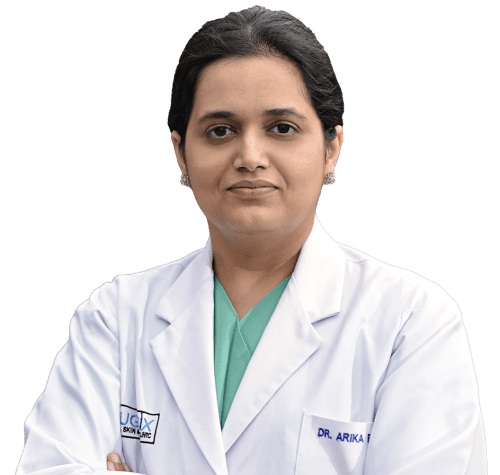
Dr. Arika Bansal
One of only a few female surgeons specializing in hair transplant surgery in India, Dr. Arika Bansal has been voted one of the best doctors in the world. She maintains an active fellowship in the ISHRS and regularly submits research papers to medical journals. 15+ years down the line, 22,000+ surgeries are accomplished under Dr. Bansal’s supervision. She specializes in female hair transplant, density improvement, corrective hair transplantation and hairline design.