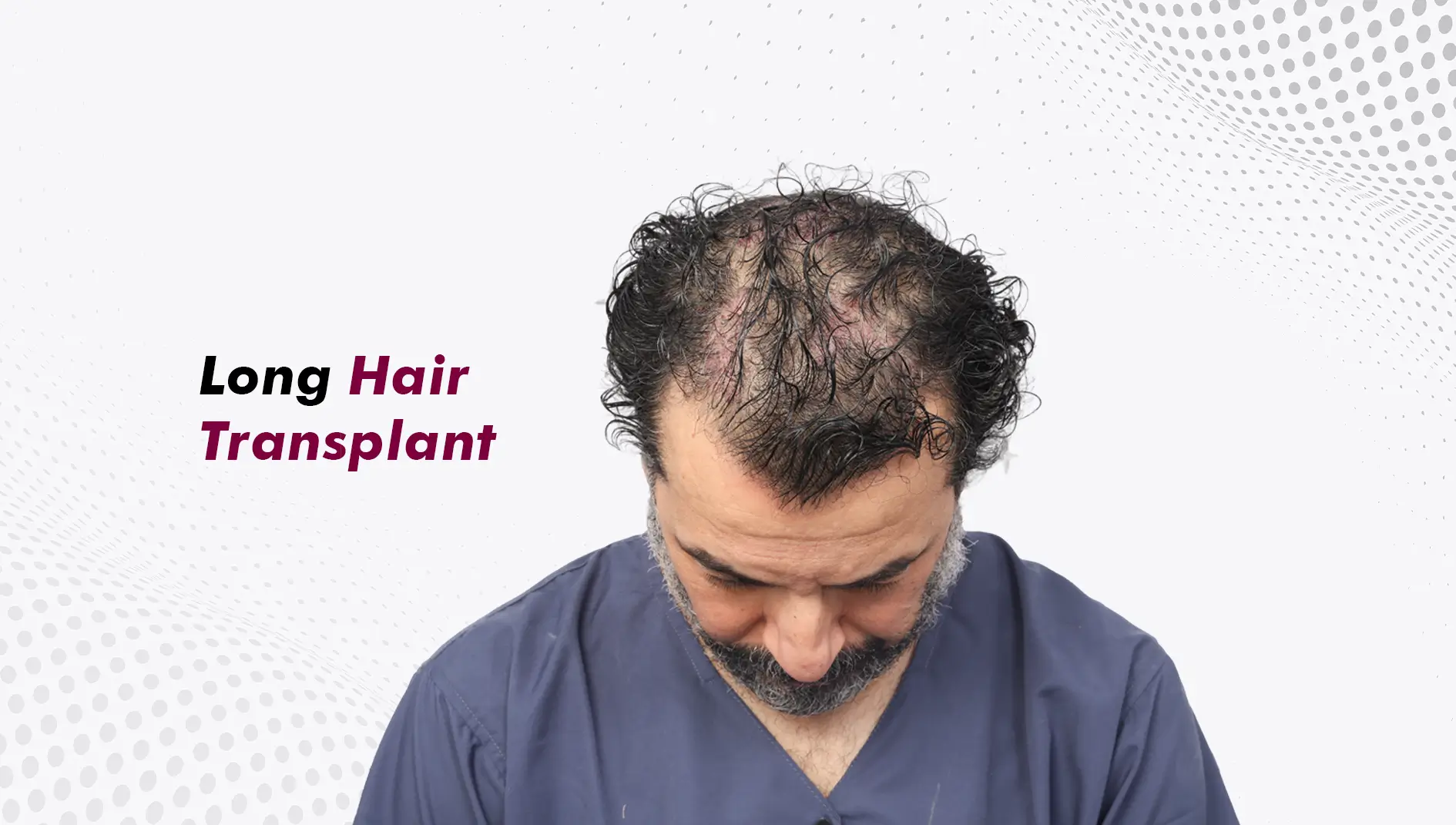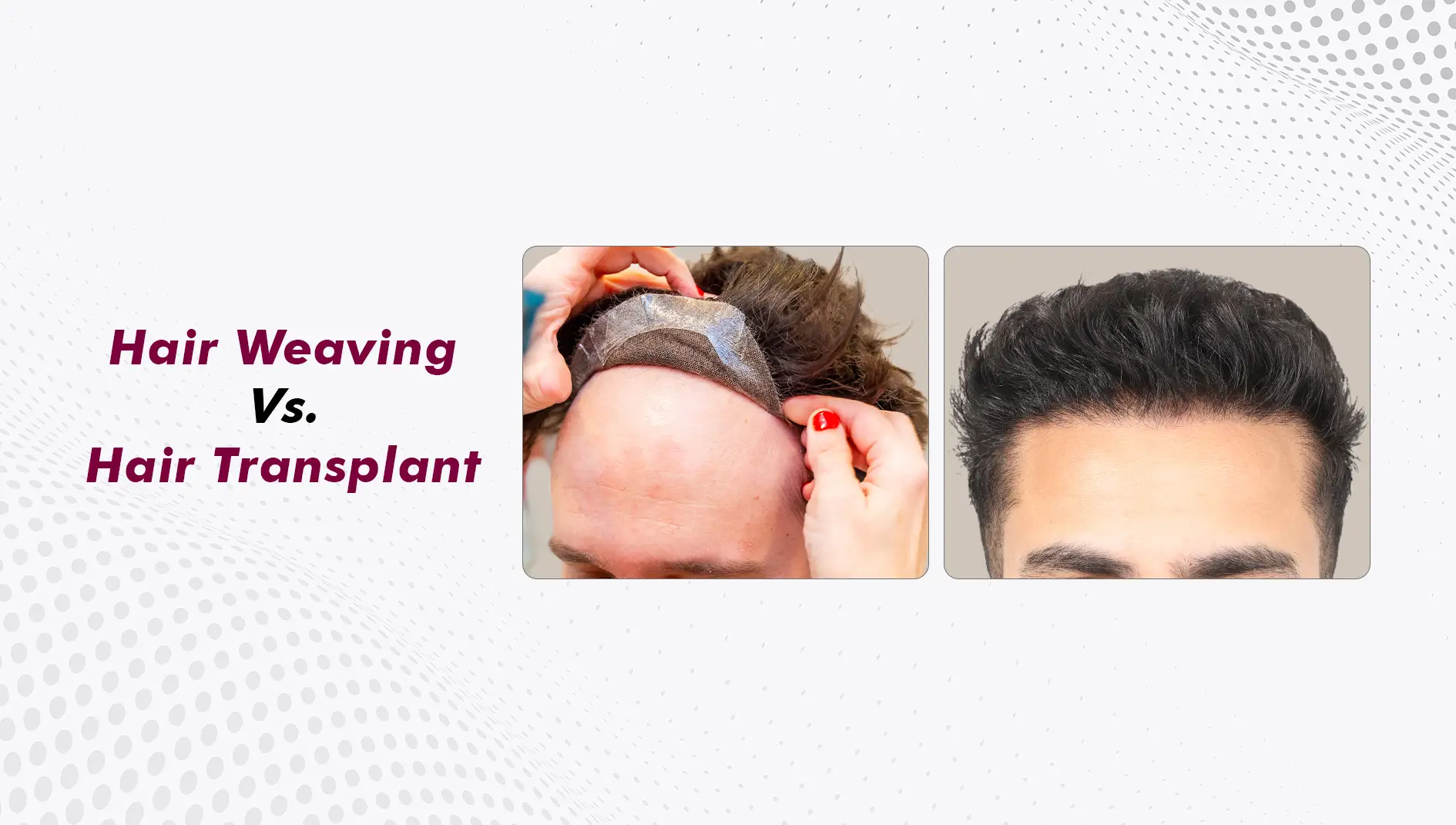

Four thousand grafts is a modest number. And we feel that is precisely its strength. It does not promise reinvention. It does not gamble with excess. In the arithmetic of hair restoration, 4,000 grafts belongs to the school of thought that prefers robustness.
What must be understood first is that a graft is not a hair. It is a biological unit, shaped by evolution, usually containing one to four hairs. Four thousand grafts give the surgeon enough to change outcomes when placed intelligently. This number does not aim to dominate the scalp. It aims to remove asymmetry.
It restores a receding hairline so the face regains proportion. It reinforces thinning frontal zones so the scalp stops advertising vulnerability. It intervenes where loss is visible and leaves the rest untouched. It avoids the illusion of precision and instead respects variability.
This range suits people whose hair loss is real but not catastrophic.
The hairline has receded enough to distort expressions. The temples have hollowed. The front looks tired under daylight or overhead lighting. But there is still native hair doing useful work.
This is not about rebuilding a landscape. Four thousand grafts work when the goal is stabilization, not domination. When the patient wants to stop the slide rather than reverse time. When the mirror still offers continuity, just less of it than before.
Every hair transplant is governed by one unyielding constraint: donor hair is finite. The back and sides of the scalp are not factories. They are reserves. Remove too much, and the system collapses elsewhere. Four thousand grafts sit comfortably below the threshold where donor depletion becomes visible or risky.
This is where restraint compounds.
Clinics that think in long time horizons, such as Eugenix Hair Sciences, often view this range as an exercise in risk management. You intervene without fragilizing the future. You solve today’s problem without borrowing recklessly from tomorrow.
One of the most expensive mistakes in hair restoration is confusing density with success.
The human eye is not a microscope. It reads patterns, flow, and interruption. With 4,000 grafts, surgeons focus on:
- Re-establishing a believable hairline
- Strengthening the frontal third of the scalp
- Blending seamlessly with existing hair
- Leaving the crown largely untouched
This is subtraction, not addition. Remove the visual gaps, and the mind fills in the rest.
Overbuilding density, like overleveraging a system, invites failure. Hair transplants reward patience and punish urgency. The early months offer little reassurance. Transplanted hair sheds. Progress hides. Around the fourth month, growth begins quietly. By the ninth, the structure becomes readable. At a year, the result stops feeling new and starts feeling inevitable.
That inevitability is the tell.
The outcomes are the ones that look as though they could not have happened any other way. Smaller interventions have an advantage: they break less when the future surprises you.
Hair loss may continue. Aging will certainly continue. Styles change. Faces mature. A 4,000-graft hair transplant ages with the person instead of fighting them. It delivers asymmetry correction without locking the patient into a single aesthetic bet. It preserves donor reserves. It leaves room for adaptation.
This is optionality, quietly preserved. No software understands how conservative your face needs to be. No robot knows where restraint will look wiser than fullness five years from now. These decisions are contextual. They depend on age, profession, temperament, and tolerance for risk. Four thousand grafts force that conversation to happen honestly.
They reward judgment over optimism. Four thousand grafts are not a spectacle. They are a philosophy.
They represent an intervention that improves outcomes without increasing fragility. One that accepts limits, respects uncertainty, and benefits from time rather than fearing it.
In a world obsessed with maximums, this is a minimum that works.
And sometimes, that is the most intelligent choice of all.
Book a Assessment to learn how many grafts you will need and get a customized strategy for seamless coverage and long-lasting results.
Dr. Arika Bansal
Dr. Arika Bansal, Co-Founder, Eugenix Hair Sciences. MBBS (Gold Medallist, Lady Hardinge Medical College), MD Dermatology, alumni of AIIMS, New Delhi. Fellow of ISHRS. Reg. No. HN-34095 (Haryana Medical Council).