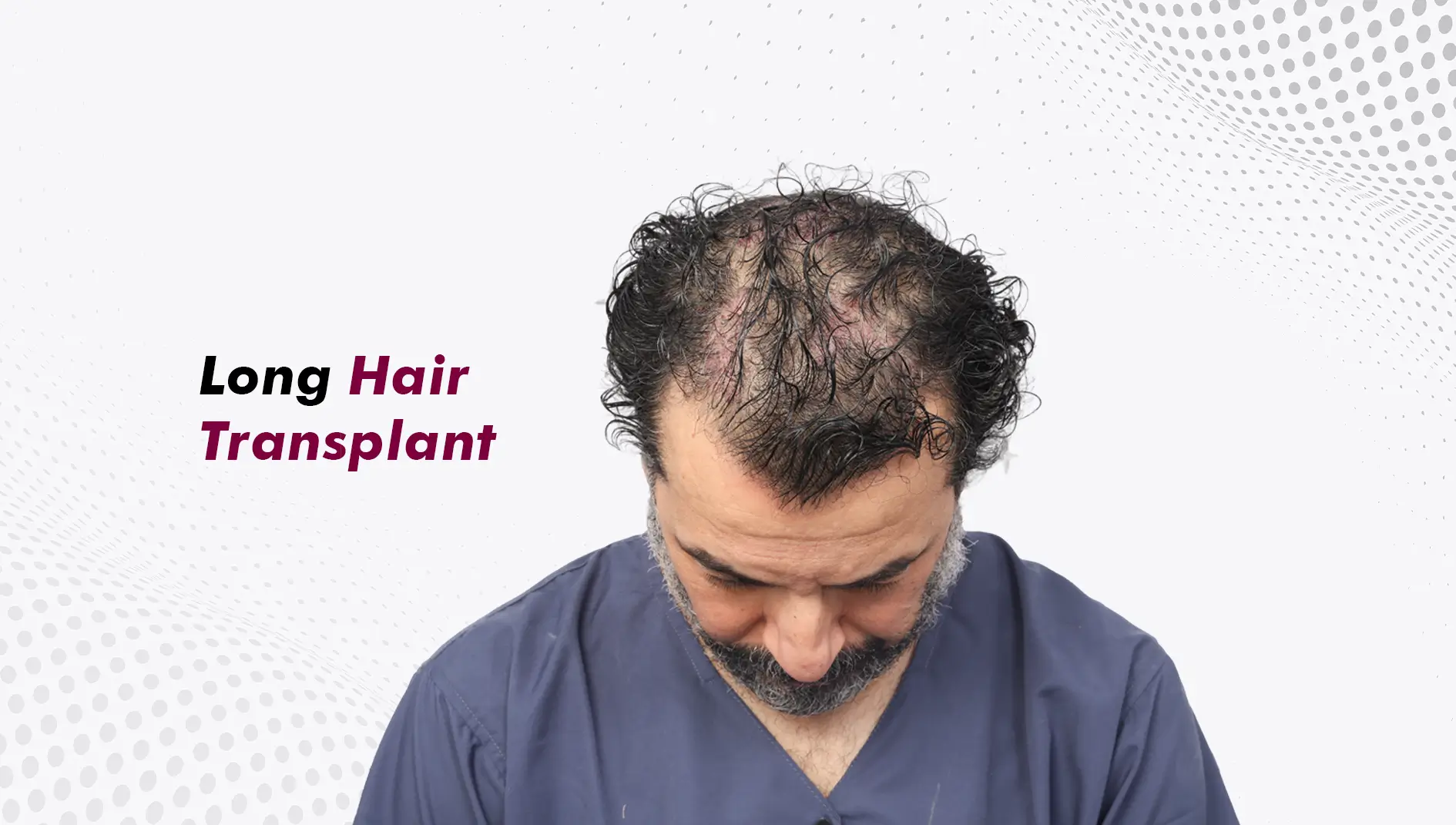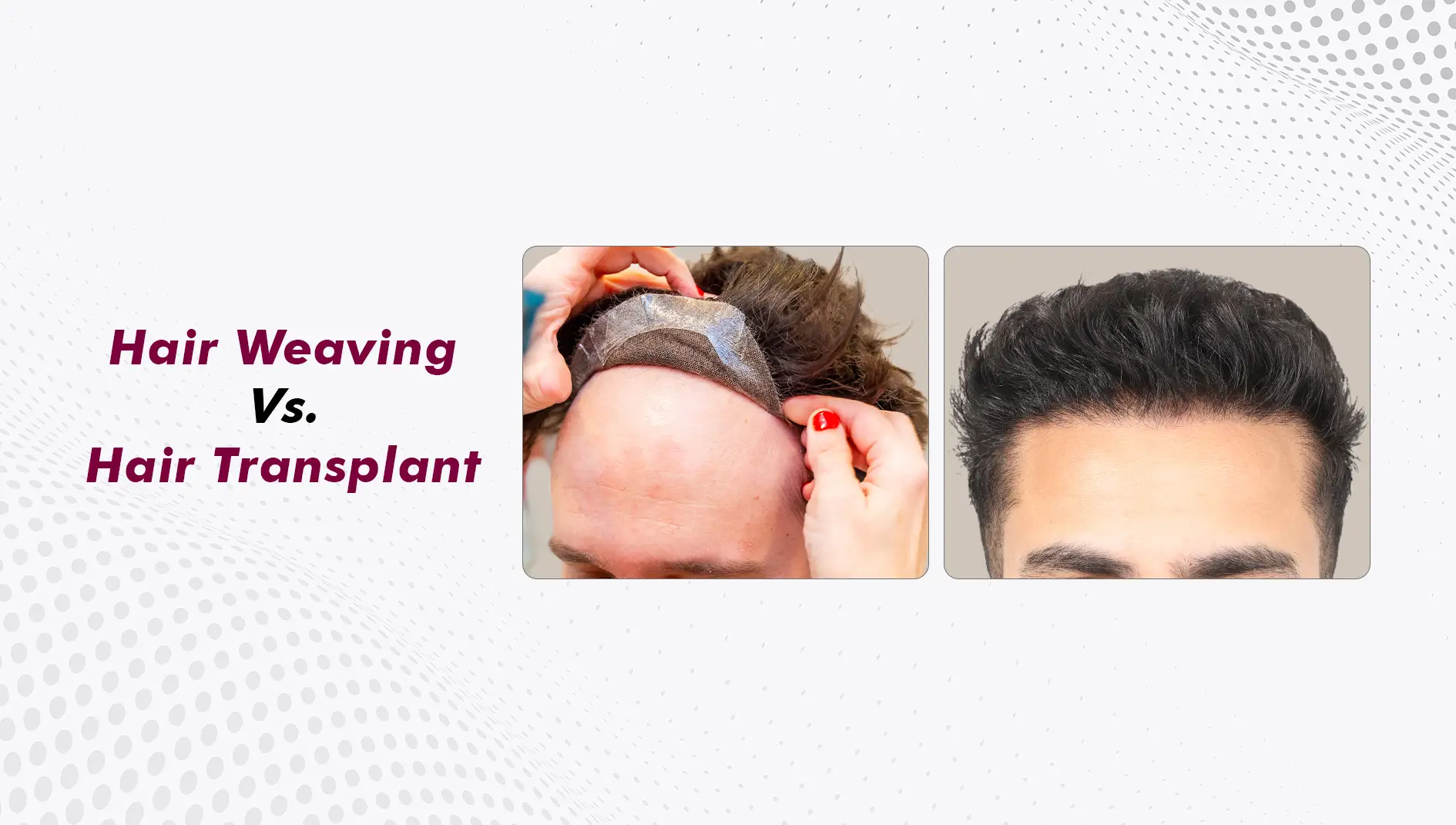

It’s a tough position to be in. But at Eugenix, we view these cases not just as medical challenges, but as missions of restoration. If you’re sitting there wondering if your “botched” transplant can actually be fixed, the answer is almost always yes – provided you understand the “When” and the “How.”
The most common question we get is: “I hate how this looks, can you fix it tomorrow?”
As much as we want to help immediately, timing is everything. A scalp needs time to heal, the blood supply needs to stabilize, and, most importantly, we need to see the full result of the first surgery before we can fix it. Usually, this means waiting 10 to 12 months after the initial procedure.
Why? Because hair grows in cycles. What looks “patchy” at month four might just be slow growth. But by month twelve, the cards are on the table. We can see exactly where the density is lacking, where the angles are wrong, and how much “donor hair” we have left to work with.
Repairing a hair transplant is significantly more complex than doing one from scratch. It’s like trying to renovate a house where the foundation was laid crooked. You can’t just build on top of it; you have to correct the base.
1. Camouflaging the “Pluggy” Hairline
The biggest giveaway of a bad transplant is the “doll-hair” look – thick clumps of hair placed right at the front. Natural hairlines are made of soft, single-hair follicles.
- The Fix: We often perform follicular unit extraction from the recipient site. We carefully remove those chunky grafts, microscopically split them into single hairs, and re-implant them at the correct, feathered angle.
2. The “Hidden” Resource: Body Hair (BHT)
Most failed transplants suffer from a “depleted donor.” The previous clinic may have over-harvested the back of the head, leaving it thin or scarred. This is where Eugenix truly shines. If the “bank” at the back of your head is empty, we look elsewhere – specifically the beard. Beard hair is a miracle worker for repairs. It’s thick, hardy, and provides incredible “fill” for the crown or behind a reconstructed hairline. By using our Direct Hair Transplant (DHT) technique, we can move these grafts with near-perfect survival rates, even into scarred tissue.
3. Correcting the “See-Through” Donor
Sometimes the problem isn’t the hairline; it’s the back of the head. If a surgeon was too aggressive, you might have visible white spots or thinning. We use a combination of strategic grafting and sometimes, if needed, Scalp Micropigmentation (SMP) to “fill in the gaps,” making the donor area look untouched and full again.
In a repair, every single hair follicle is a precious commodity. You don’t have an infinite supply. This is why we don’t just “jump in.” We create a long-term roadmap. Sometimes, a repair is a two-stage process:
- Stage 1: Soften the hairline and fix the most obvious errors.
- Stage 2: Add density once the skin has recovered.
This patient-first approach is what sets us apart. We aren’t looking for a “quick fix” that might fail again in two years; we are looking for a permanent solution that lets you walk into a room without a hat, and without a second thought.
The part of our job isn’t the surgery itself; it’s the follow-up. We’ve seen men who haven’t been to a swimming pool or a barber in years finally reclaim their lives.
If you’re struggling with a failed transplant, know that you aren’t “stuck” with it. Technology has evolved, and at Eugenix, we’ve made it our specialty to turn those “worst-case scenarios” into success stories. Book an appointment for your free hair transplant repair assessment today.
Dr. Arika Bansal
Dr. Arika Bansal, Co-Founder, Eugenix Hair Sciences. MBBS (Gold Medallist, Lady Hardinge Medical College), MD Dermatology, alumni of AIIMS, New Delhi. Fellow of ISHRS. Reg. No. HN-34095 (Haryana Medical Council).