
The feeling is rewarding, walking out of a hair transplant clinic after a successful procedure. The hairline has been meticulously designed, the grafts are in place, and the promise of a fuller head of hair feels tangible. For a brief period, hope is a visible thing.
But then, a few weeks later, something happens. You’re in the shower, or you’re running your hand through your hair, and you see it: the tiny, transplanted hairs are falling out. Not just a few, but a noticeable amount. The immediate, gut reaction is almost always one of alarm, even panic. The thought that comes to mind is singular and terrifying: “The surgery failed. All that time and money, all that hope, was for nothing.”
This moment of panic is born of a deep and understandable misconception. We see the shedding as a setback, a sign that the body has rejected the new hair. The truth, however, is the exact opposite.
The temporary shedding of transplanted hair is not a failure; it is a normal, expected, and even necessary step in the process. It is a sign that the body is beginning its new, permanent journey of regrowth. It is, to put it plainly, a sign of success.
To understand why this shedding occurs, we must look at the biology of the hair follicle. The trauma of the transplantation process, the extraction from the donor area and the implantation into the recipient area, sends a signal to the follicles. This signal tells them to enter a resting phase, known as telogen effluvium.
Think of it like a plant being moved from one pot to another. The plant experiences a shock to its system. It may wilt and lose some leaves while its roots are establishing themselves in the new soil. The leaves fall off, but the plant itself is not dead; it is simply conserving its energy and resources for a new growth cycle.
This is what happens during a hair transplant procedure. The hair shaft, the visible part of the hair, sheds. But the living, functioning follicle remains safely embedded in the scalp. It is merely taking a temporary pause. Over the next few months, as the follicle recovers and the blood supply to the new area normalizes, it will begin to produce a new, stronger, and permanent hair shaft.
Knowing this scientific truth can transform a moment of anxiety into a moment of confidence. Here is a typical timeline of what a patient can expect:
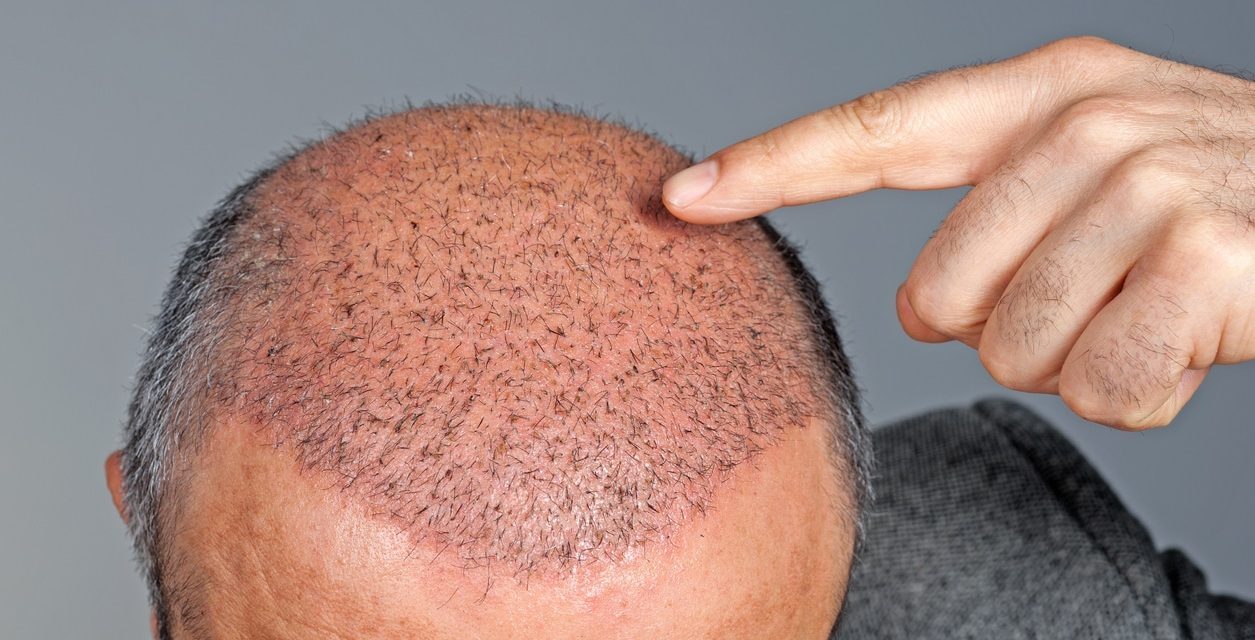
- Week 1-3: The initial healing phase. The scalp will be red, and small scabs will form around the transplanted grafts. This is a sign that the grafts are taking hold.
- Week 3-6: The shedding phase begins. This is the part that causes concern. The transplanted hairs will start to fall out. It is crucial to remember that this is normal and expected.
- Months 3-4: The first signs of new, permanent growth appear. These initial hairs may be fine and thin, but they are a sign that the process is working. This is the “A-ha!” moment for most patients.
- Months 6-9: Significant growth begins. The new hairs will start to thicken, and you will notice a visible improvement in density and coverage. The results become much more apparent.
- Months 12-18: The final, mature result is achieved. The hairs are now fully grown and have blended seamlessly with your native hair. The shedding phase is now a distant memory.
While shock loss is a normal biological phenomenon, the extent and duration of the shedding can be influenced by the skill of the surgeon and the technique used. A surgeon who causes unnecessary trauma to the follicles can lead to a more severe and prolonged shedding phase.
At Eugenix, our Direct Hair Transplant (DHT) technology is specifically designed to minimize this shock. By using precision instruments for both extraction and implantation, and by reducing the time the grafts are outside the body, we are able to reduce the stress on the follicles. This ensures a higher graft survival rate and, crucially, a quicker, healthier transition to the growth phase. While we can’t eliminate shock loss entirely, our goal is to make it as minimal as possible, setting you up for a faster and more successful regrowth period.
The temporary shedding after a hair transplant is not a sign of failure; it is a vital, even celebratory, part of the process. It is the tree shedding its leaves in preparation for a new spring. It is a sign that your body is embracing the change and preparing to grow something new, something permanent.
If you are considering a hair transplant, don’t let this temporary phase of shedding deter you. Instead, embrace it as a necessary step towards a fuller head of hair and a more confident future. Your journey begins with a conversation with the experts who can guide you through every stage, with clarity, skill, and support.
Dr. Arika Bansal
One of only a few female surgeons specializing in hair transplant surgery in India, Dr. Arika Bansal has been voted one of the best doctors in the world. She maintains an active fellowship in the ISHRS and regularly submits research papers to medical journals. 15+ years down the line, 20,000+ surgeries are accomplished under Dr. Bansal’s supervision. She specializes in female hair transplant, density improvement, corrective hair transplantation and hairline design.