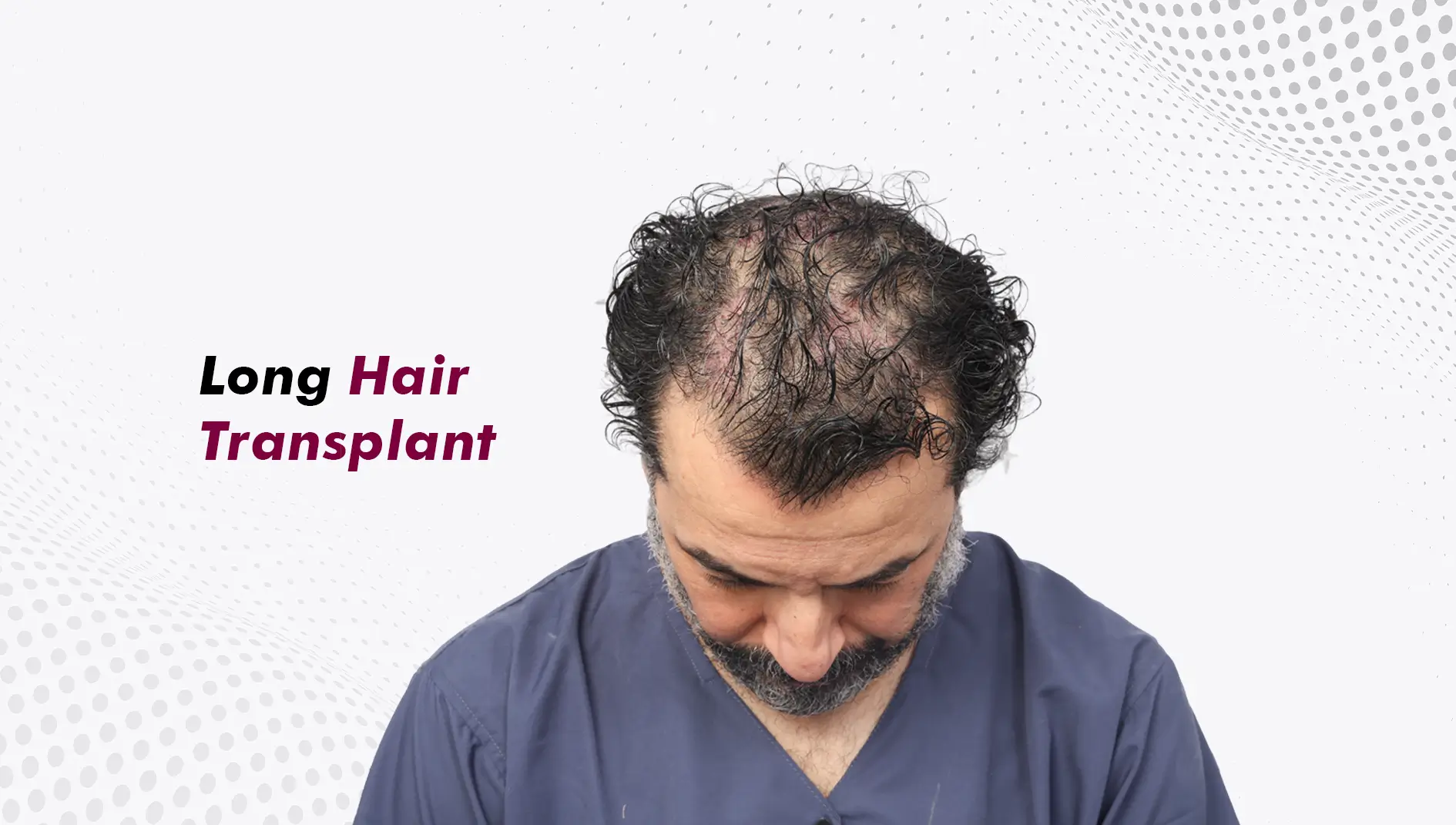

A graft, as patients quickly learn, is not a strand of hair but a unit: a naturally occurring cluster of follicles. Eight thousand grafts typically translate to 18,000–22,000 hairs, depending on their composition and quality.
This is not cosmetic touch-up territory. It is structural reconstruction.
An 8,000-graft plan usually targets:
- The frontal hairline and temples
- The mid-scalp for continuity
- Partial crown coverage or softening
It is designed to restore framing and flow rather than blanket density.
Most patients suited for 8,000 grafts fall into moderate-to-advanced hair loss categories. They have lost significant hair, but not everything. The scalp still offers choices. We will admit, the number does have a psychological effect. It usually appears after the scalp has been examined, after photographs have been taken, after expectations have been dismantled. Eight thousand grafts is not the figure that makes people sit back in their chairs. It makes them nod.
That nod matters. In a field increasingly shaped by spectacle, 8,000 grafts represents something unfashionable: judgment. Not the kind that sells well online, but the kind that ages well in real life.
Unlike the mega-session figures that dominate headlines, 8,000 grafts does not suggest conquest. It suggests intention.
It is the number that appears when the problem is significant but not total. When hair loss has progressed far enough to alter identity, yet not so far that everything must be rebuilt from scratch. It is often the choice for people who are not trying to look younger than they are, only more like themselves again. This is not a rescue operation. It is a course correction.
Surgeons recommend this range when the goal is to stabilize appearance rather than overwhelm it. When there is still native hair worth protecting and blending into. When restraint is not a compromise but a strategy. Every hair transplant, at its core, is a redistribution of scarcity.
The donor area is not a warehouse. It is a finite reserve. Remove too much, and the cost is paid elsewhere, permanently. This is where 8,000 grafts distinguishes itself. It sits below the threshold where donor stress becomes visible. It allows harvesting to be distributed, subtle, and forgiving.
Clinics with long institutional memory, read Eugenix Hair Sciences, often describe this range as one that respects the future. It preserves options. It leaves room for age, genetics, and unpredictability to unfold without regret.
One of the most persistent myths in hair restoration is that more grafts automatically mean better results. In reality, the eye reads pattern before it reads thickness.
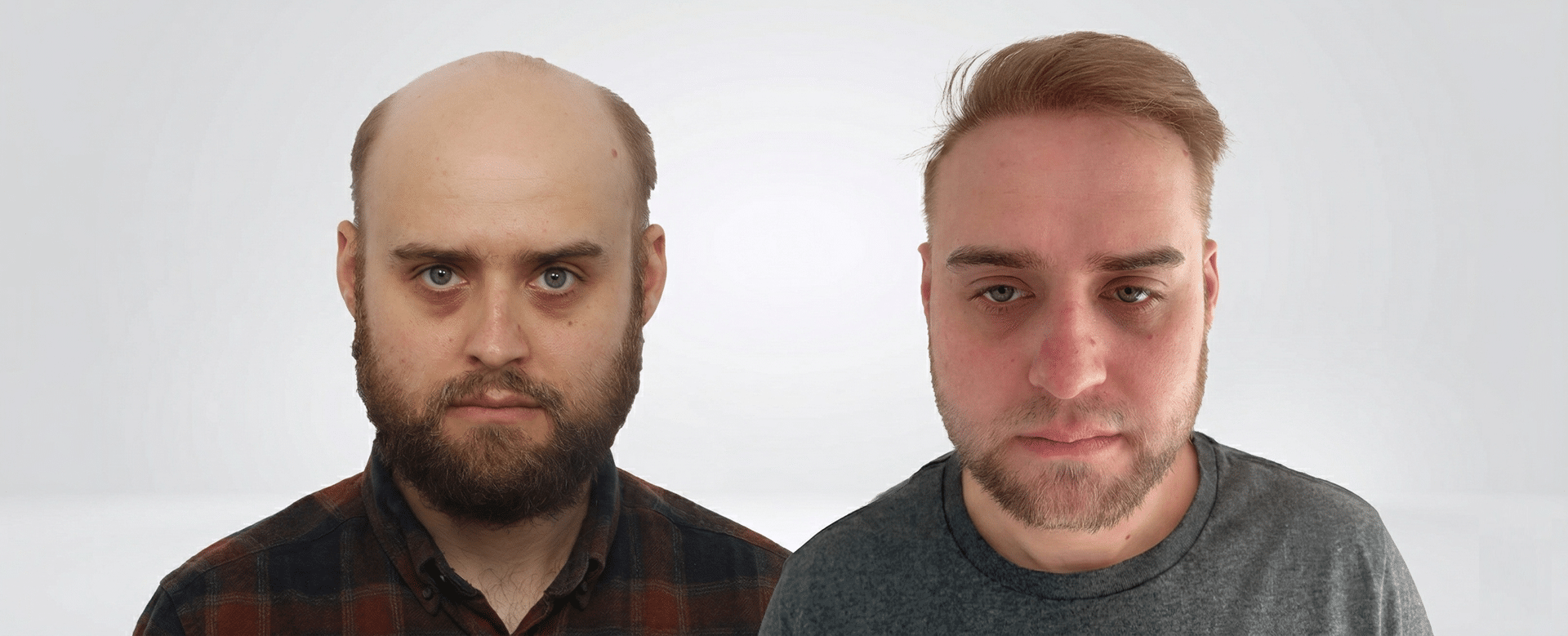
Eight thousand grafts are typically deployed to create visual continuity. The scalp stops interrupting the face. The hairline stops drawing attention to its absence. The crown is softened enough to no longer announce itself under overhead light. Density, when pursued too aggressively, betrays its own artifice. Coverage, when done well, disappears into normalcy.
There is nothing cinematic about the timeline.
The first few months are anticlimactic. Transplanted hair sheds. Progress is invisible. Doubt creeps in. Around the fifth month, something tentative begins. By the ninth, structure emerges. At a year, the result stops feeling new and starts feeling familiar.
This is perhaps the most overlooked aspect of an 8,000-graft outcome: it does not arrive as a reveal. It arrives as a return. Eight thousand grafts rarely become a cautionary tale.
It is large enough to matter, small enough to forgive. It avoids the unnatural sharpness of overbuilt hairlines and the disappointment of underpowered sessions. It tends to blend rather than announce.
Patients who choose this route are often less interested in transformation than in relief. Relief from the constant mental math of angles, lighting, and mirrors. Relief from the feeling that hair loss is the first thing noticed.
No software can decide where your hairline belongs. No algorithm understands how your face has matured, how your expressions now carry age, experience, and authority. Those decisions are interpretive, and they remain human.
Eight thousand grafts, when planned well, do not attempt to reverse time. They align with it.
In a culture obsessed with extremes, 8,000 grafts represent a quieter ambition. Not to be remarkable. Not to be noticed. Simply to be restored enough that life moves forward without commentary.
For many patients, that silence is the real result.
And it is precisely why this number endures.
Book a Assessment to learn how many grafts you will need and get a customized strategy for seamless coverage and long-lasting results.
Dr. Arika Bansal
Dr. Arika Bansal, Co-Founder, Eugenix Hair Sciences. MBBS (Gold Medallist, Lady Hardinge Medical College), MD Dermatology, alumni of AIIMS, New Delhi. Fellow of ISHRS. Reg. No. HN-34095 (Haryana Medical Council).