After a hair transplant, you do not just heal. You also develop a new personality trait: checking your head in every reflective surface like you are auditioning for a role called “Man Who Has Hair Again.”
You will feel excited. You will feel paranoid. You will zoom into selfies like you are doing forensic analysis. This is normal.
At Eugenix, we tell patients something simple: the surgery puts the grafts where they need to be. Recovery is what helps them stay there. Your job now is not to “do a lot.” Your job is to create a calm, low-drama environment for your scalp so it can do its thing.
So here’s what recovery usually looks like, in plain English, week by week.
Week 1: Treat your head like it is made of wet paint
The first seven days are the most delicate. The grafts are fresh, and your scalp is basically trying to make new connections and settle everything down.
What you might notice:
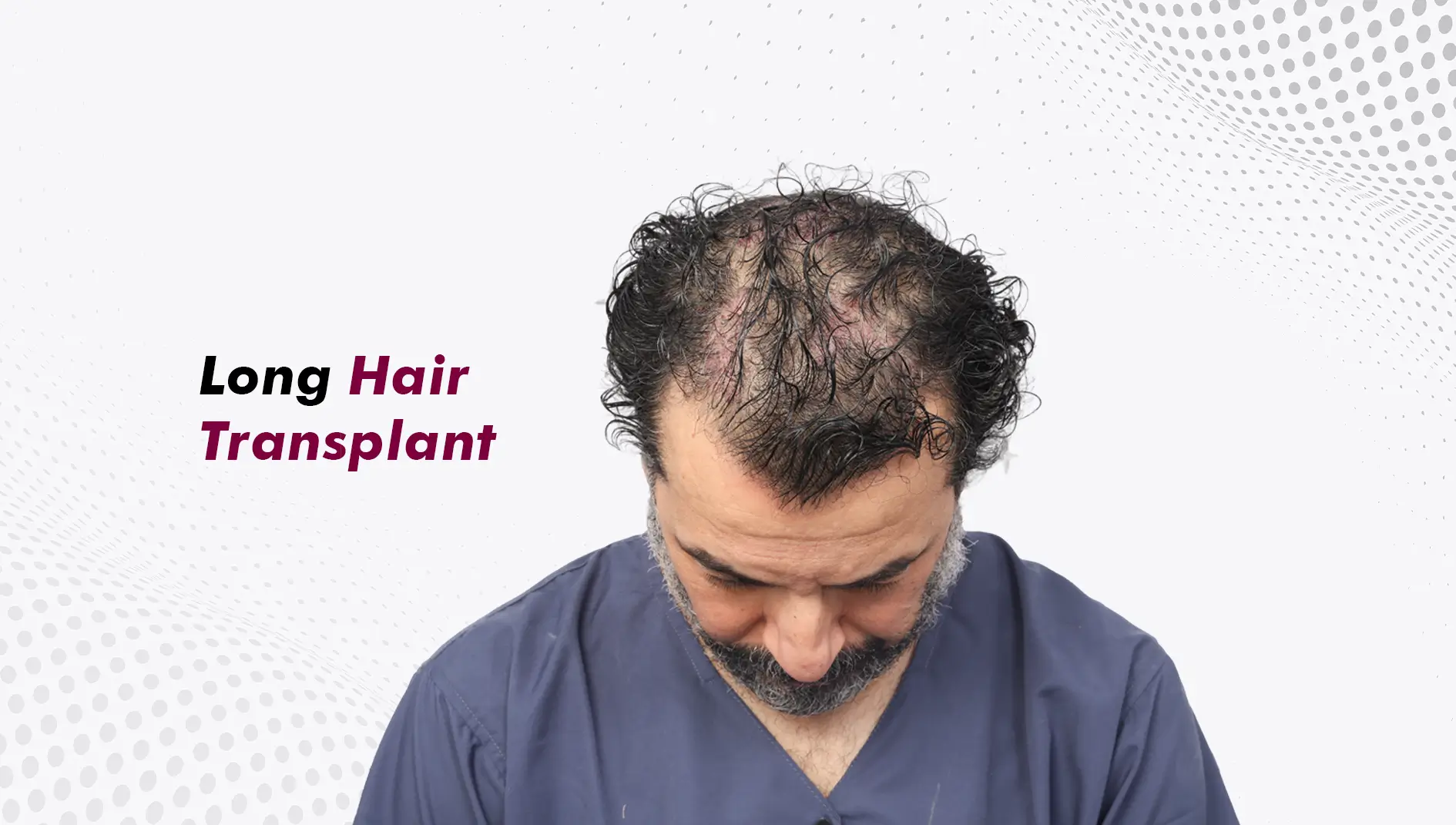
- Swelling. Sometimes the forehead looks puffy. Sometimes it travels down toward the eyes and makes you look like you lost a polite argument with a bee.
- Scabs forming around grafts.
- Tightness and itching that makes you want to scratch even though you know you should not.
What you need to protect against:
Friction. Touching. Rubbing. Anything that disturbs the area.
What actually helps:
- Sleeping with your head elevated. Not forever, just in the early days. It really does reduce swelling.
- Keeping your hands off the recipient area even when the itch starts negotiating with you. If your clinic has recommended saline spray, use it exactly as advised. It can be a lifesaver for comfort.
- Washing exactly the way you were told. Most patients mess up by letting a strong shower stream hit the grafts too early. Follow the clinic’s method even if it feels slow and silly.
This week is not about looking good. It is about keeping things stable.
Week 2: The scab phase, also known as “Why is my scalp so itchy”
Around day 10, the grafts are usually more anchored, but the skin is still healing. So you might feel better and also itchier at the same time.
What you might notice:
- Scabs begin to loosen and flake.
- You will be tempted to “help” them along.
Do not.
What you need to protect against:
Picking. Forcing scabs off. Doing something aggressive because you are impatient.
What actually helps:
- Washing gently and letting scabs come off when they are ready.
- If your clinic tells you to start very gentle circular massage while washing, do it lightly. Light means light. If a scab wants to stay, let it stay.
- No pools, no hot tubs, no lakes. Not because we are trying to ruin your fun, but because chlorine and bacteria are not invited to this healing party.
Weeks 3 and 4: The ugly duckling month
This is the part that messes with your head more than your scalp.
What you might notice:
- Shock loss. The transplanted hair shafts can fall out.
- You might look in the mirror and think, what was the point of all this.
Here is the truth: shedding is often part of the process. The follicle is still under the skin. The hair fiber drops because the follicle goes into a resting phase before it starts growing again. It feels rude, but it is common.
What you need to protect against:
Spiraling. Panic Googling. Changing routines aggressively out of fear.
What actually helps:
- Keep the scalp clean and calm.
- Protect your scalp from sun. It can still be pink and sensitive. If you go out, wear something loose that does not press on the recipient area.
- If you return to exercise, keep it light unless your doctor says otherwise. Cardio is usually easier to ease into than heavy lifting. Avoid anything that makes blood rush to your head for long periods.
Months 2 and 3: The quiet stretch
This phase is boring. Boring is good. But boring is also where people start overthinking.
What you might notice:
- Shedding is mostly done.
- New hair is not visible yet.
- Your scalp looks closer to normal, sometimes a little pink.
What you need to protect against:
Assuming nothing is happening because you cannot see it.
A lot is happening. It is just happening under the surface.
What actually helps:
- Eat properly. Protein matters. Iron, zinc, and biotin are often discussed for a reason. If your doctor has recommended supplements or medication, stick with the plan for hair transplant results.
- Avoid harsh chemical treatments. Even if the grafts feel secure, the skin is still recovering. Gentle products are your friend for a little longer.
Months 4 to 6: The first real signs
This is when you finally get your “okay, it is working” moment.
What you might notice:
- Baby hairs start showing up.
- The texture might be thin or slightly wiry at first.
- Growth is not perfectly even. That is normal.
What you need to protect against:
Getting overconfident and treating it like your old hair immediately.
What actually helps:
- Be gentle with grooming. If you need a trim, scissors are usually safer than running clippers directly over the recipient area too early.
- Keep your scalp comfortable. Dryness and flaking can make the whole process feel worse than it needs to.
By 12 months: The result feels like yours
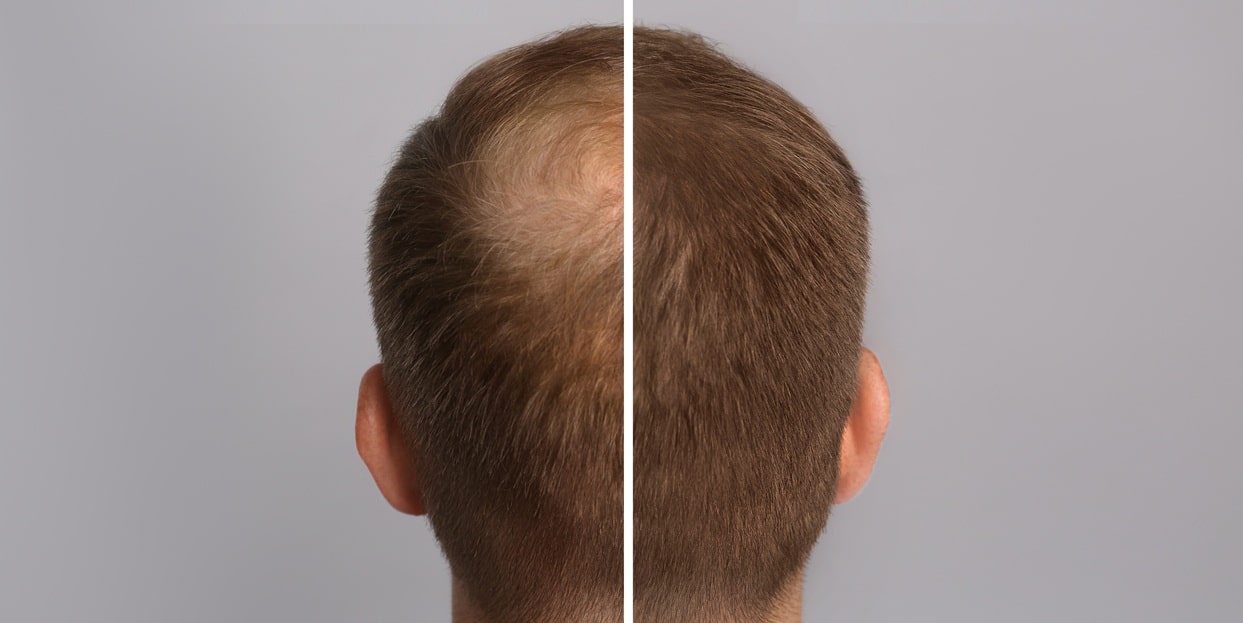
By the one-year mark, most people see the real payoff. Hair thickens. Texture settles. The look becomes more natural. It stops feeling like “new hair” and starts feeling like your hair.
One last thing we always say at Eugenix:
Recovery is not a race. It is a biological process.
The little choices in the first month matter. Not scratching. Not rushing workouts. Not roasting your scalp in the sun. Those tiny boring decisions often show up later as better density.
And if something feels genuinely off at any point, persistent redness, swelling that does not settle, unusual bumps, pain that feels wrong, do not try to be brave and guess. Message your clinical team. That is what they are there for.
You already did the hard part by showing up and going through the procedure. Now it is just patience, protection, and letting your body do the slow, quiet work that turns grafts into hair.
Dr. Arika Bansal
Dr. Arika Bansal, Co-Founder, Eugenix Hair Sciences. MBBS (Gold Medallist, Lady Hardinge Medical College), MD Dermatology, alumni of AIIMS, New Delhi. Fellow of ISHRS. Reg. No. HN-34095 (Haryana Medical Council).