
First and foremost, congratulations. The real kind.
A hair transplant isn’t just “a procedure.” It’s a decision. It’s you saying: I’m done watching my confidence quietly leak out in bathroom mirrors, selfie angles, and harsh overhead lighting. You showed up, you did the thing, and now you’re on the other side of it.
But here’s the part nobody warns you enough about: The surgery is the headline. The healing is the story.
The next few days and weeks are when those new grafts, your future hair, are settling in. And during this phase, your scalp is basically a VIP lounge. Everything needs to be gentle. Controlled. Protected. Because grafts don’t fail dramatically. They fail in tiny, “it’s probably fine” moments.
Think of it like planting a very expensive, very delicate set of seedlings. You don’t stomp around them. You don’t scratch the soil like a bored puppy. You don’t expose them to brutal sun and pretend nature will sort it out.
At Eugenix, we’ve seen transformations that genuinely change lives. We’ve also seen patients sabotage great work without meaning to, because they underestimated how sensitive the early healing window is.
So this isn’t a lecture. It’s a survival guide.
1) Touching, Scratching, Picking: The “I’ll Just…” Trap
Your scalp might itch. It might feel tight. Some people describe it as a mix of mild burning and annoying tenderness, like your head is wearing a helmet you didn’t ask for.
And your brain will try to bargain:
- “Just a little scratch.”
- “Just a gentle rub.”
- “Just to remove this one crust.”
No.
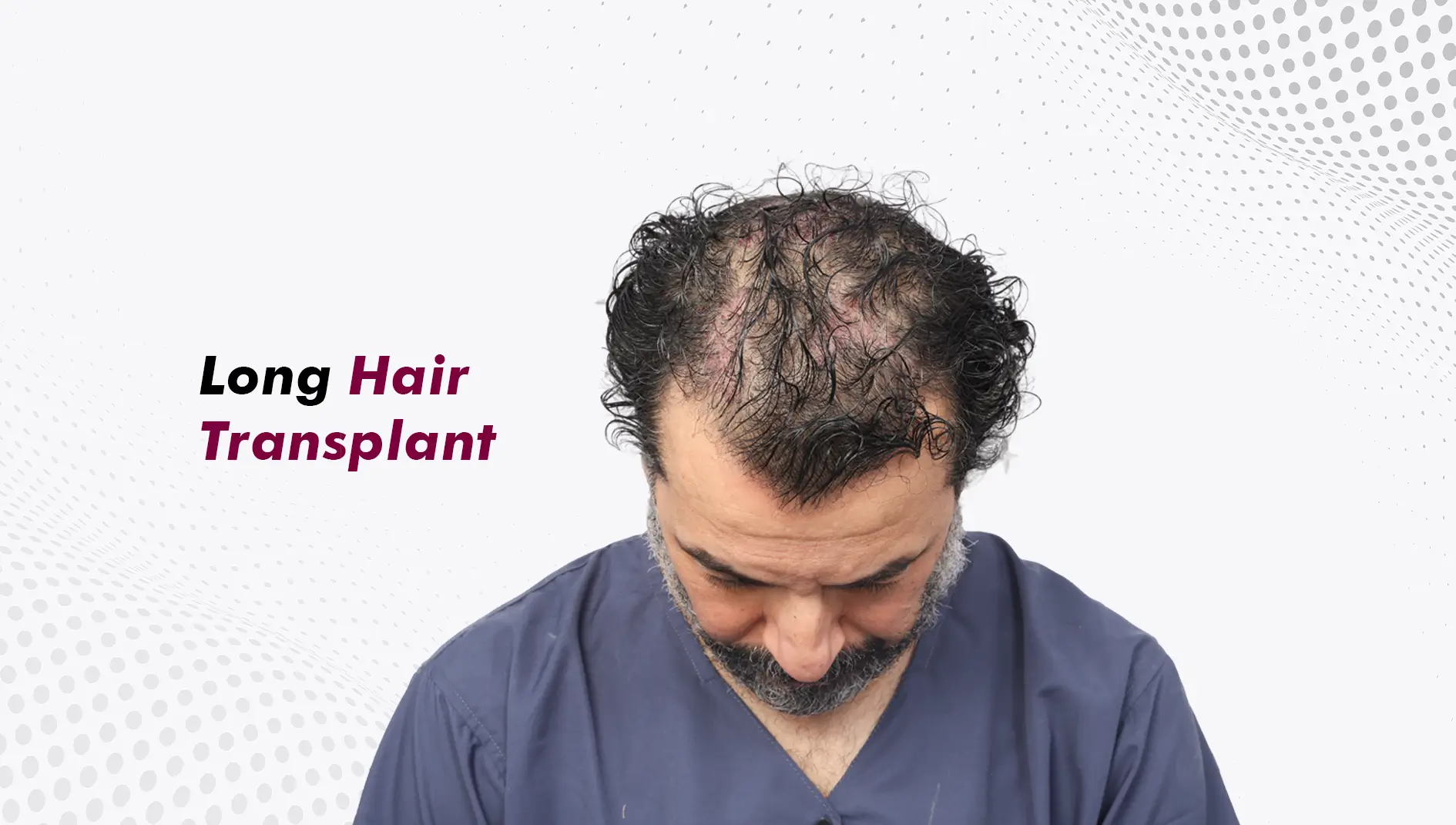
Because those grafts aren’t “secure” yet. That itching is normal, but scratching is a risk you don’t want. The scary part is you might dislodge a graft and not even realize it in the moment, then later wonder why an area looks thin.
If you’re itchy, do the boring things that actually work:
- Follow the washing/cleansing plan your clinic gave you.
- Use saline spray only if your clinic recommended it.
- Keep your hands busy. Seriously. Your hands will become the enemy.
Your future hair is currently in its newborn era. Don’t manhandle it.
2) Going Back to Normal Too Soon: Your Body Heard “Surgery,” Not “Spa Day”
A lot of people feel surprisingly okay after a transplant. And that’s great. But it creates a dangerous confidence.
Exercise, heavy lifting, intense activity. Anything that spikes blood pressure and sweating can increase swelling, cause bleeding, and in some cases disturb grafts. It’s not about being dramatic. It’s just about giving your scalp the calm environment it needs to seal, heal, and settle.
In the early phase:
- Choose slow walks over workouts.
- Skip swimming and steam rooms.
- Avoid anything where your head might get bumped.
- Wait for your doctor’s green light before “going beast mode” again.
You’re not being lazy. You’re being strategic.
3) Sleeping Like a Wrestler: Not the Time
Your sleep matters more than you think, because friction and pressure can mess with healing.
The first nights, you’ll usually be advised to sleep with your head elevated to reduce swelling. But beyond swelling, the bigger issue is contact: stomach sleeping, side sleeping, rolling into a pillow like it’s your soulmate, none of that is ideal early on.
The safest approach:
- Sleep on your back.
- Use pillows to support your head.
- A travel pillow can help keep your head from drifting and rubbing.
Yes, it’s annoying. Yes, you’ll miss your usual sleeping style. But it’s temporary, and it’s worth it.
4) Sun Exposure: Your Scalp Isn’t Ready for “Outdoor Main Character” Energy
Freshly healing skin + UV rays = inflammation, irritation, and sometimes discoloration. Your scalp is healing from hundreds (or thousands) of micro-incisions. It’s not the moment to test your relationship with the sun.
You don’t need to become a vampire. But you do need to be sensible:
- Avoid direct sun, especially peak hours.
- If you go out, wear a loose-fitting hat that won’t rub the grafts.
- Use sunscreen only when your clinic says it’s safe.
This is one of those “small discipline now, better results later” moments.
5) Washing Too Rough / Using Harsh Products: Calm Hands, Calm Scalp
People mess this up because they assume hair washing is “basic.”
But early after a transplant, washing becomes a technique.
Typically, you’ll be instructed to wash gently—often by letting a diluted shampoo mixture flow over the scalp rather than scrubbing like you’re trying to remove engine oil. Even when you’re allowed to wash more normally again, keep it soft. No aggressive rubbing. No nails. No “let me really get in there.”
Also:
- Avoid harsh shampoos that irritate (your clinic may recommend a safe option).
- Skip dye, bleach, chemical treatments for weeks, or until your post surgery care counsellor clears it.
Your scalp is not a chemistry lab right now.
6) Tight Hats and Headwear: Friction is the Silent Villain
A hat can protect you from the sun, but a tight cap can rub against grafts repeatedly, and that friction adds up.
So if you must wear something:
- Keep it loose.
- Make sure it doesn’t press into the transplanted area.
- When indoors, let your scalp breathe.
Your grafts don’t need fashion. They need peace.
7) Skipping Follow-Ups / Ignoring Instructions: Don’t Ghost Your Own Results
Post-op appointments aren’t formalities. They’re checkpoints.
Healing can look “fine” to you while a professional catches early signs of irritation, infection, over-scabbing, or a washing issue. When caught early, most problems are easy to solve. When ignored, they become dramatic.
And those instructions you were given: meds, cleansing, activity restrictions, aren’t random. They’re designed around graft survival and optimal healing.
You’ve invested money, time, hope, and self-esteem into this. Don’t abandon the process halfway.
8) Expecting Instant Results (And Panicking): The Timeline is Not Here to Please You
Here’s what no one loves hearing:
Hair takes time.
A lot of patients go through a mental rollercoaster:
- “It looks great!”
- “Why is it shedding?”
- “Did it fail?”
- “Why does it look worse before it looks better?”
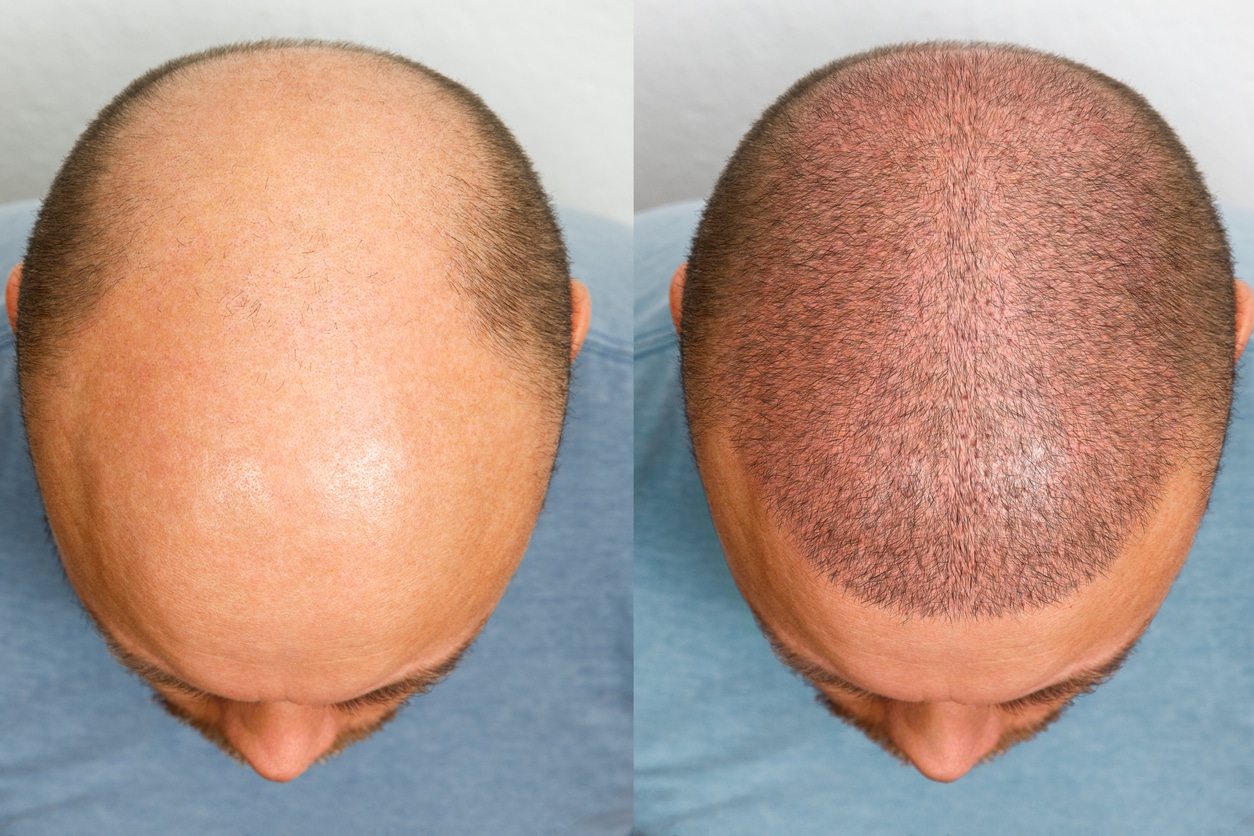
Shock loss and shedding can be normal. New growth is gradual. Real hair transplant results often show in the months ahead, with meaningful changes typically around the 6–12 month mark.
Avoiding these mistakes isn’t about fear. It’s about respect, for your body, for the procedure, and for the future version of you who’s going to look in the mirror one day and feel that steady relief:
“Okay. I’m back.”
At Eugenix, we’re here through the entire journey, not just the surgery day. If something feels off, if you’re unsure, if you’re spiraling at 2 AM because Google just told you your scalp is “doomed”, talk to your clinic. Let professionals guide you, not panic.
Because the goal isn’t just new hair. It’s healthy healing. Natural density. Long-term confidence.
And that part? You protect it, one careful day at a time.
Dr. Arika Bansal
Dr. Arika Bansal, Co-Founder, Eugenix Hair Sciences. MBBS (Gold Medallist, Lady Hardinge Medical College), MD Dermatology, alumni of AIIMS, New Delhi. Fellow of ISHRS. Reg. No. HN-34095 (Haryana Medical Council).