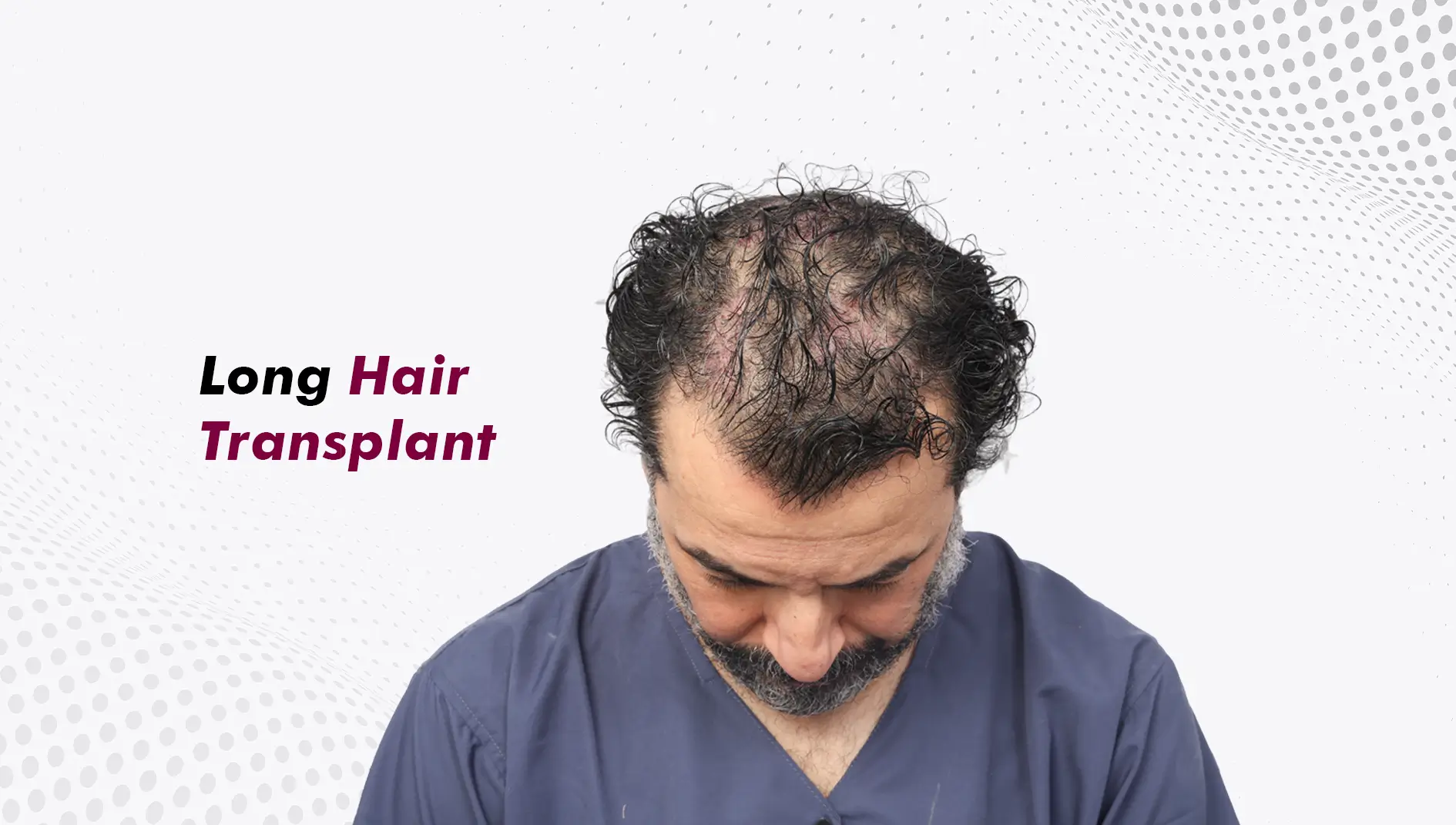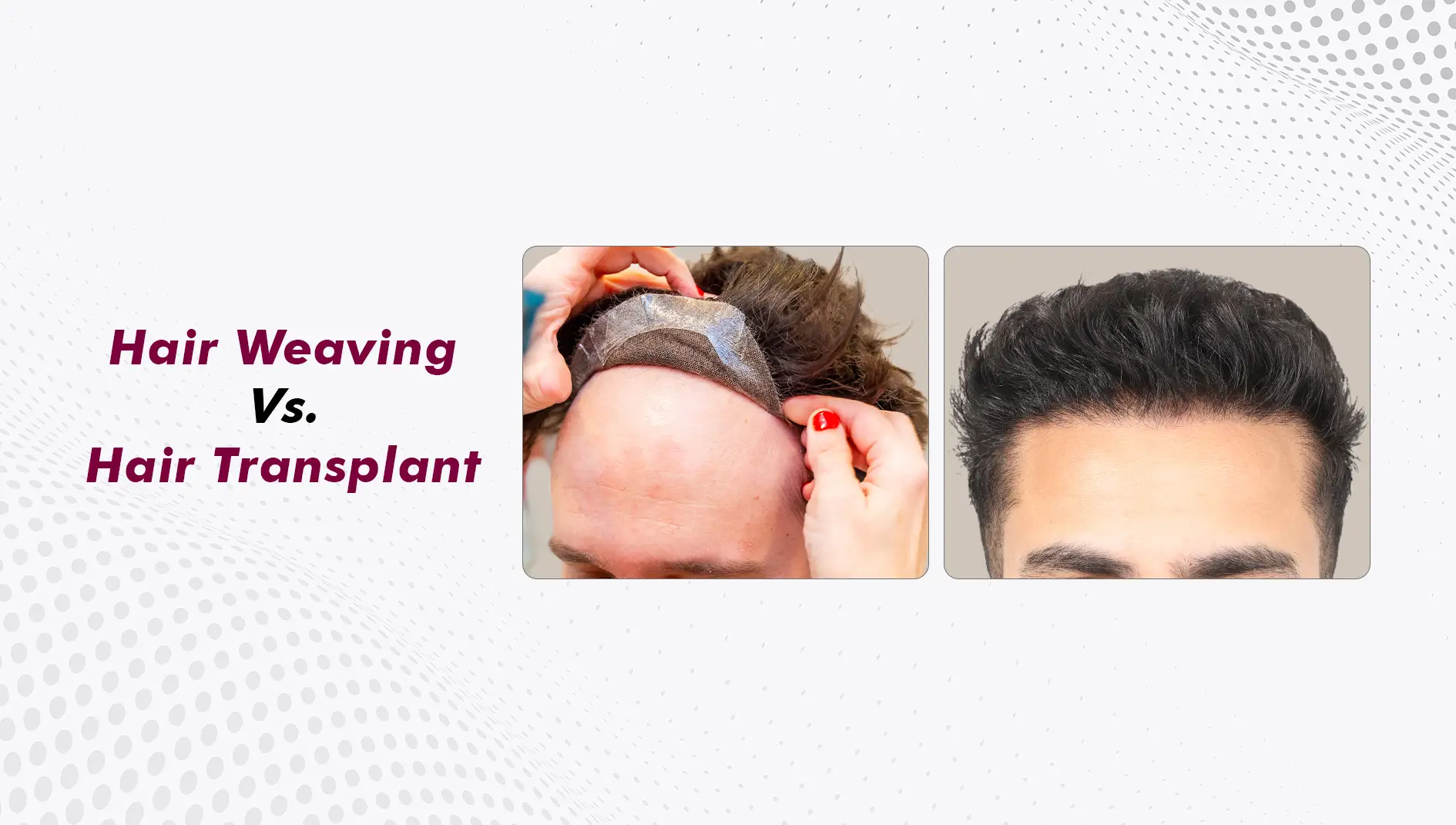


If you are considering a hair transplant for hair loss, hair transplant side effects will be among the first things you want to understand. The honest answer is that hair transplant side effects are, for most patients, mild and temporary. When performed by an experienced surgical team, hair transplant surgery has a strong safety record with major complications being uncommon. This guide explains every effect of hair transplant procedures you might encounter and shows how the right clinic plans hair transplantation to minimize risks.
Are Hair Transplants Safe? An Honest Look at the Risks
A modern hair transplant is one of the safest forms of cosmetic surgery available today. Hair transplantation is minimally invasive, uses only local anesthesia, and does not require hospital admission. Most hair loss patients return to desk work within seven days.
That said, hair restoration is still a surgical procedure. Most reported hair transplant side effects are normal healing responses, not complications. Genuine adverse reactions are rare. Infection occurs in less than 1% of hair transplant cases, and serious risks such as necrosis are even less common. Choosing an experienced clinic is the single most important decision a hair loss patient makes.
Common Side Effects of Hair Transplant Surgery
Common side effects of hair transplant surgery are normal healing responses, not signs that anything has gone wrong.
Swelling Around the Forehead and Eyes
Swelling occurs in approximately 50% of cases and typically peaks on Day 3. It is caused by local anesthetic fluid migrating downward with gravity. It looks alarming but is harmless and resolves within 3 to 4 days. To manage hair transplant swelling, sweep two fingers gently outward from beside the nose to the temples, twenty repetitions, twice a day. Sleeping with the head elevated also helps.
Scabbing Around Transplanted Hair Follicles
Tiny scabs form around the transplanted hair follicles as part of normal healing. Crusting usually falls off on its own within 7 to 10 days, often during the first head wash on Day 7. The Eugenix team provides a step-by-step wash protocol so patients can do this safely at home.
Itching and Tingling as the Scalp Heals
Itching beginning around Day 3 is a clear sign that healing is underway. Many patients also report tingling in the first week as small nerves heal after hair transplant surgery. Saline spray, prescribed for the first week, helps alleviate itching. Patients should never scratch the surgical site in the first seven days.
Numbness and Pain at the Surgical Site
Mild pain or tenderness is common in both donor and recipient areas. Most patients report only mild discomfort for the first 1 to 2 days, rather than severe pain. Pain medications such as ibuprofen or paracetamol are usually sufficient. Numbness pain across the donor or recipient zones can persist for two to six months because small surface nerves take time to reconnect. As the scalp heals, sensation returns gradually.
Shedding of Transplanted Hair
Between Day 30 and Day 90, the transplanted hair sheds almost completely. The hair shaft falls but the root, which is what matters, stays firmly anchored. New hair growth begins around Month 4, with full results at 10 to 12 months and the crown taking 12 to 15 months. Read more on our shedding after hair transplant page.
Less Common Side Effects of Hair Transplant Procedures
These may occur in some patients depending on individual anatomy and hair texture.
Shock Loss in Donor or Bald Areas
Shock loss is the temporary shedding of pre-existing hair near the bald areas being treated. It does not happen to every hair loss patient. It is more likely when the area was not fully bald, when the gap between native hairs in the bald areas was less than 2.5 mm, or when the patient was not on Finasteride before surgery. Shock loss usually resolves within eight to nine months. Eugenix uses thin gauge needles, careful gap analysis, and ongoing treatments such as Finasteride to minimize risks.
Folliculitis Around Hair Follicles
Folliculitis is an inflammation or infection of hair follicles that can occur in rare cases. It presents as small, red, pus-filled bumps, typically between Months 3 and 6, and usually requires antibiotics and warm compresses. Patients should send a photograph to the E-Care team and never squeeze the bumps.
Cobblestoning, Pitting, and Visible Scarring
Raised papules (tenting), depressed marks (pitting), or visible scarring at graft sites are uncommon and typically result from incorrect placement depth. The DHT technique used at Eugenix follows the ADDD principle of Angle, Depth, Density, and Direction, which safeguards against these issues and produces minimal scarring at the donor site.
Rare but Serious Risks of Hair Transplant Surgery
Genuine complications are rare but worth knowing about so warning signs are caught early.
Infection at the Surgical Site
Infection occurs in less than 1% of hair transplant cases. When it does occur, it can typically be treated with antibiotics if caught early. Signs include excessive redness, pus, fever, or severe swelling beyond Day 5. Following proper post operative care instructions is the most effective way to prevent infection.
Excessive Bleeding
Excessive bleeding is uncommon during a hair transplant operation because tumescent solution is used to constrict blood vessels and control bleeding intraoperatively. Patients on blood thinners must declare this during Contact Us. Patients with high blood pressure require additional clearance before surgery to avoid the risk of excessive bleeding.
Allergic Reactions
Allergic reactions to local anesthesia or post-operative medications are rare but possible. Discussing your full medical history, including any known drug allergies, with your healthcare provider before the surgical procedure is essential.
Necrosis and Permanent Skin Damage
Necrosis, the death of bald skin tissue at the donor site or recipient zone, can occur if too many grafts are harvested from one area or if poor tools are used. It is exceptionally rare in clinics that follow strict graft density limits and use high-quality instruments.
Side Effects in Specific Patient Groups
Hair transplant side effects vary across different demographic groups. The side effects of hair transplant procedures can also differ depending on age and health.
Elderly patients may face increased risks during hair transplant procedures due to existing health conditions such as diabetes, hypertension, or cardiovascular disease. These underlying health conditions can lead to longer recovery and higher complication risk. At Eugenix, medicine department clearance is mandatory regardless of age. Elderly hair loss patients undergo particularly thorough cardiac and metabolic evaluation.
How Different Hair Transplant Techniques Compare
Side effects vary depending on the hair transplant techniques used. Understanding the differences helps patients set realistic expectations.
Follicular Unit Extraction (FUE) involves extracting individual hair follicles using a micro punch. FUE leaves tiny dot-like scars instead of a linear scar, has a faster recovery process, and is less painful than FUT. Older techniques such as scalp flap surgery, in which a section of hair-bearing scalp is rotated into a bald region, are rarely used today because flap surgery carries far higher risks than modern follicular unit techniques.
Eugenix uses the Direct Hair Transplant (DHT) technique, an evolution of FUE performed by an experienced surgeon. Grafts spend under 30 minutes outside the body compared to 3 to 6 hours in standard FUE, which significantly improves graft survival and reduces damage to the transplanted follicles. Most hair transplants done at Eugenix produce no visible scarring at the donor site, and natural looking results emerge through careful angle, depth, and direction control during the hair transplant procedure.
What Your Counsellor Will Discuss Before Surgery.
A thorough pre-operative Contact Us is essential to minimize risks of any hair transplant procedure. Your healthcare provider will review your medical history and underlying medical conditions. Blood pressure is checked at Contact Us and on the day of surgery. Patients aged 40 and above require an ECG with cardiologist reporting. Female patients undergo an additional hormonal blood panel on Day 3 to Day 5 of the menstrual cycle.
Your healthcare provider should also help you set realistic expectations. Post-transplant density is approximately 50% of the natural original density. Patients with active androgenetic alopecia or male pattern baldness should discuss long-term Finasteride to prevent further hair loss in non-treated regions.
How Eugenix Minimizes Hair Transplant Side Effects
The entire system around the procedure is designed to reduce the side effects hair transplant patients can experience. Every patient undergoes mandatory pre-operative blood investigations and medicine department clearance, without exception.
The DHT technique reduces graft failure risk by keeping the follicular unit out of the body for under 30 minutes. Slits are made personally by the leading hair transplant surgeon, while extraction and implantation are carried out by senior the Eugenix medical teams trained under the Eugenix protocol. This approach also helps minimize scarring at the donor site.
The Eugenix Gurgaon clinic is NABH accredited (Certificate No. DE-2026-0004). Both founders, Dr. Pradeep Sethi and Dr. Arika Bansal, are alumni of AIIMS, New Delhi and Fellows of the International Society of Hair Restoration Surgery, with 18 years of experience each. The team has performed over 22,000 hair restoration procedures across 15 years, with patients from 90+ countries. Eugenix’s research is published in the Journal of Cutaneous and Aesthetic Surgery.
Every patient is then assigned to the structured E-Care team, which conducts follow up visits at 2 weeks, 3 weeks, 4 weeks, and monthly thereafter, ensuring proper healing throughout the hair transplant journey.
Recovery Process and Post-Operative Care
The recovery process after a hair transplant takes a few weeks for initial healing and several months for noticeable hair growth. Following proper post operative care is essential for optimal outcomes.
For the first 7 days, patients take a standard medication pack: Augmentin, SignoFlam, BIFILAC, and Pantop, with T-Bact ointment on the donor area. The head should be kept elevated when sleeping, and direct sun exposure on the surgical site must be avoided for at least 4 weeks.
Light exercise can be resumed after 1 week, strenuous exercise after 1 week. Alcohol should be avoided for at least 1 week, smoking for 1 week. The first head wash takes place on Day 7, and most superficial recovery is complete within a few weeks. Initial hair growth begins at Month 4, with visible density between Months 6 and 8 and full natural looking results at 10 to 12 months. The crown takes up to 15 months. Beyond Month 12, donor hair behaves identically to surrounding regions, providing a permanent solution for bald or thinning areas.
If you experience unusual symptoms such as severe pain, fever, signs of infection, or excessive bleeding, contact your healthcare provider immediately.
Frequently Asked Questions
Is hair transplant safe or not?
Yes. Major complications occur in only 0.1% to 4.7% of cases. Choosing an experienced clinic with a qualified hair transplant surgeon, plastic surgeons trained in hair restoration, or dermatologists who perform hair transplant surgery regularly is the single biggest factor in safety.
What happens 20 years after a hair transplant?
The transplanted hair follicles are taken from a permanent donor zone genetically resistant to the hormone responsible for thinning. As a result, transplanted hair behaves like donor hair for life and continues to grow even 20 years later. Surrounding hair, however, may continue to thin in non-transplanted thinning areas, which is why long-term Finasteride is often recommended to prevent further hair loss.
What are the negative effects of a hair transplant?
Common hair transplant side effects are short-term: swelling, scabbing, itching, mild pain, and temporary shedding, generally resolving in 1 to 3 weeks. Less common effects include shock loss, folliculitis, and minimal scarring. Side effects hair transplant clinics see on a serious scale, such as infection or necrosis, are rare and largely preventable.
The Bottom Line
Hair transplant side effects are well understood, predictable, and in almost every case temporary. Genuine serious risks are rare and largely preventable. If you want a clear, honest assessment of the risks of a hair transplant for your specific case, book a Contact Us with the Eugenix team.
Dr. Arika Bansal
Dr. Arika Bansal, Co-Founder, Eugenix Hair Sciences. MBBS (Gold Medallist, Lady Hardinge Medical College), MD Dermatology, alumni of AIIMS, New Delhi. Fellow of ISHRS. Reg. No. HN-34095 (Haryana Medical Council).