If your date is booked, the next question is almost always the same: how to prepare for hair transplant surgery so that nothing goes wrong on the day. Preparation is simple. Leave your hair alone, complete a few tests on time, follow the instructions carefully, and be honest with your hair transplant surgeon about every medicine you take.
The month before a hair transplant is when your donor area is protected, your fitness for surgery is confirmed, and your plan is finalised. A hair transplant is a day procedure done under local anaesthesia, not a major operation, but it is still surgery. Patients who leave preparation late often find the surgery moved because a report or clearance is missing.
Start With the Right Clinic and an Honest Initial Consultation
Choosing the right clinic matters more than any other step in hair restoration. Many clinics quote a graft number over a phone call. At a proper initial consultation, your hair loss pattern is graded, donor area density is assessed, and your scalp is examined before any number is committed to.
Use that initial consultation to share your full medical history: diabetes, hypertension, bleeding disorders, past surgeries, and all current medications. Ask about the surgeon’s experience, the surgical technique used, how many hair grafts your hair transplant plan needs, and how your hair growth timeline will run. Experienced surgeons will also tell you if you are not yet a suitable candidate for hair restoration.
Setting Realistic Expectations
Setting realistic expectations is part of preparing for a hair transplant, not an afterthought. Restored density is approximately 50 percent of your original natural density, which is what produces natural-looking results rather than an artificial wall of hair. Transplanted hair sheds between 30 and 90 days, which is normal, because the roots of the transplanted hair stay intact. Most patients see new hair growth around month 4, full results at 10 to 12 months, and crown results at 12 to 15 months. A hair transplant redistributes your own hair follicles, so it does not reverse hair loss in untreated areas, where hair loss continues over time. That is why medical treatment is usually planned alongside surgery to protect a fuller head of hair.
Days 30 to 21: Leave Your Hair Alone and Start the Paperwork
Do not cut your hair short before the procedure. Your hair transplant surgeon needs existing length to assess growth direction, density, and the boundaries of the safe donor site, so leave your scalp untouched for at least 30 days. Trimming is done at the clinic on procedure day, after your plan is marked. For the same reason, stop wearing a toupee, wig, or hair patch, and avoid vigorous scalp massage.
Most patients return to work about 7 days after hair transplantation, and those in public or client-facing roles are advised to plan for 5 to 7 days’ notice.
Once your reservation payment is confirmed and your date is finalised, the E-Care team shares your Pre-Surgical Form. Fill it yourself, even if you gave your medical history at the consultation. It records your medications, allergies, and past surgeries, and your signature on the preoperative instructions is required before surgery.
Days 21 to 15: Blood Tests and Medical Clearance
Blood tests are mandatory for every hair transplant patient, roughly two weeks prior and at least 15 days ahead. Reports done within 3 months of your procedure date are accepted. Blood work charges are not included in any hair transplant package.
The standard panel covers:
– Haemogram (haemoglobin, total and differential leucocyte count, platelet count)
– Prothrombin Time INR
– aPTT
– Random Blood Sugar
– HbA1c
– HIV 1 and 2 antibody test (Anti-HIV)
– HBsAg (Hepatitis B)
– Anti-HCV (Hepatitis C)
Patients aged 40 and above also need an ECG reported by a physician or cardiologist, plus a blood pressure check.
Medicine department clearance is mandatory before any procedure, whether you are perfectly healthy or managing a long-standing condition.
Female Patients Need an Additional Panel
For women, the standard panel is not the complete requirement, because female hair loss is far more often driven by hormonal and nutritional factors.
Pre-menopausal patients need these tests between Day 3 and Day 5 of the menstrual cycle: CBC, T3, T4, TSH, serum ferritin, serum prolactin, serum testosterone (free and total), 17-OH progesterone, FSH and LH, serum DHEA and serum DHEAS, and serum AMH. Post-menopausal patients need CBC, T3, T4, TSH, serum ferritin, serum prolactin, and serum testosterone (free and total). Timing matters, because values shift through the cycle.
Medications to Pause and Medications to Continue
Certain medications are paused before surgery, and other medications are continued. Follow your surgeon’s advice rather than a forum, and disclose everything, including certain vitamins and herbal supplements you may not think of as medicine.
– Blood thinners: Aspirin and painkillers are generally stopped 4 to 7 days before your hair transplant to reduce the risk of excessive bleeding. This applies only to patients with no cardiac history, and only when your doctor confirms it.
– Vitamin E, fish oil, and herbal supplements: declare them. Several act as blood thinners and may need pausing on your surgeon’s advice.
– Minoxidil: stop applying at least 7 to 30 days before your hair transplant, as your surgeon advises.
– Finasteride: do not stop. Oral finasteride continues as normal.
– Allergies: Inform the clinic about any food, drug, or other allergy.
If You Have a Cardiac History, the Rules Are Different
There is no blanket stoppage rule for cardiac patients. If you have had heart surgery in the past 6 months and take aspirin as part of your cardiac care, the standard 4- to 7-day advice does not apply to you automatically. You need written clearance from your cardiologist confirming that you are fit for the procedure and, separately, that stopping aspirin briefly is safe in your case. No procedure is planned until that clearance is received. Never stop a cardiac medicine on your own. Raise your history early so the timeline can be planned around it.
Diet, Alcohol, and Smoking in the Weeks Prior
– Avoid alcohol consumption for at least 1 week before surgery. If you drink alcohol regularly, plan the taper into your final two weeks.
– Avoid smoking for at least 1 week before, and stop smoking for longer if you can. Smoking inhibits blood flow to the scalp, and healthy blood flow is what newly placed hair follicles depend on through the healing process.
– Eat well. A balanced diet rich in protein, iron, and vegetables supports healing better than any last-minute supplement.
– Stay hydrated. Good hydration supports circulation and makes the procedure day easier.
Days 10 to 3: Body Hair, Beard, and Final Details
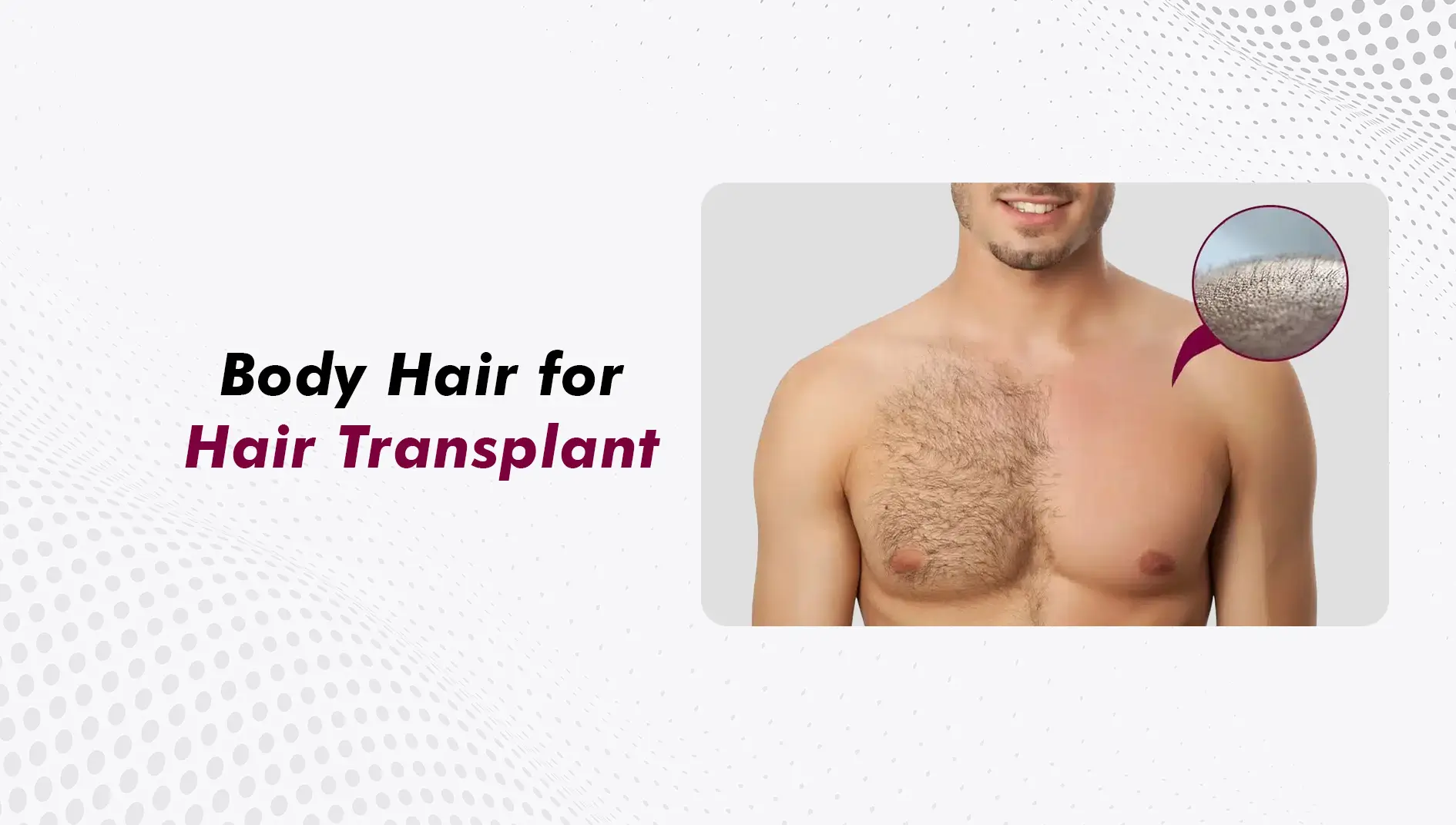
– If body hair is a donor site, shave your chest at least 10 days before so regrowth is the right length for extraction.
– Do not shave or trim your beard for at least 3 days before. Visible length is needed to identify the right hairs if beard grafts are part of your plan.
– Wash your hair regularly with a mild shampoo, and skip styling products such as gel, wax, and serum.
– Hair colour has no restriction before a hair transplant, even on the same day.
The Day of Surgery: What to Wear, Bring, and Expect
Do not apply hair oil on the day of surgery. Wear loose-fitting clothing, ideally a front-open button-down shirt rather than a t-shirt pulled over the head, because nothing should brush the recipient area afterwards. Comfortable clothes make a long procedure easier. Carry your blood reports, clearance letters, photo identity, and completed forms. Your hair science advisor confirms your reporting time and any specific instructions, and arriving on time matters, because procedure day is built around your surgeon’s schedule.
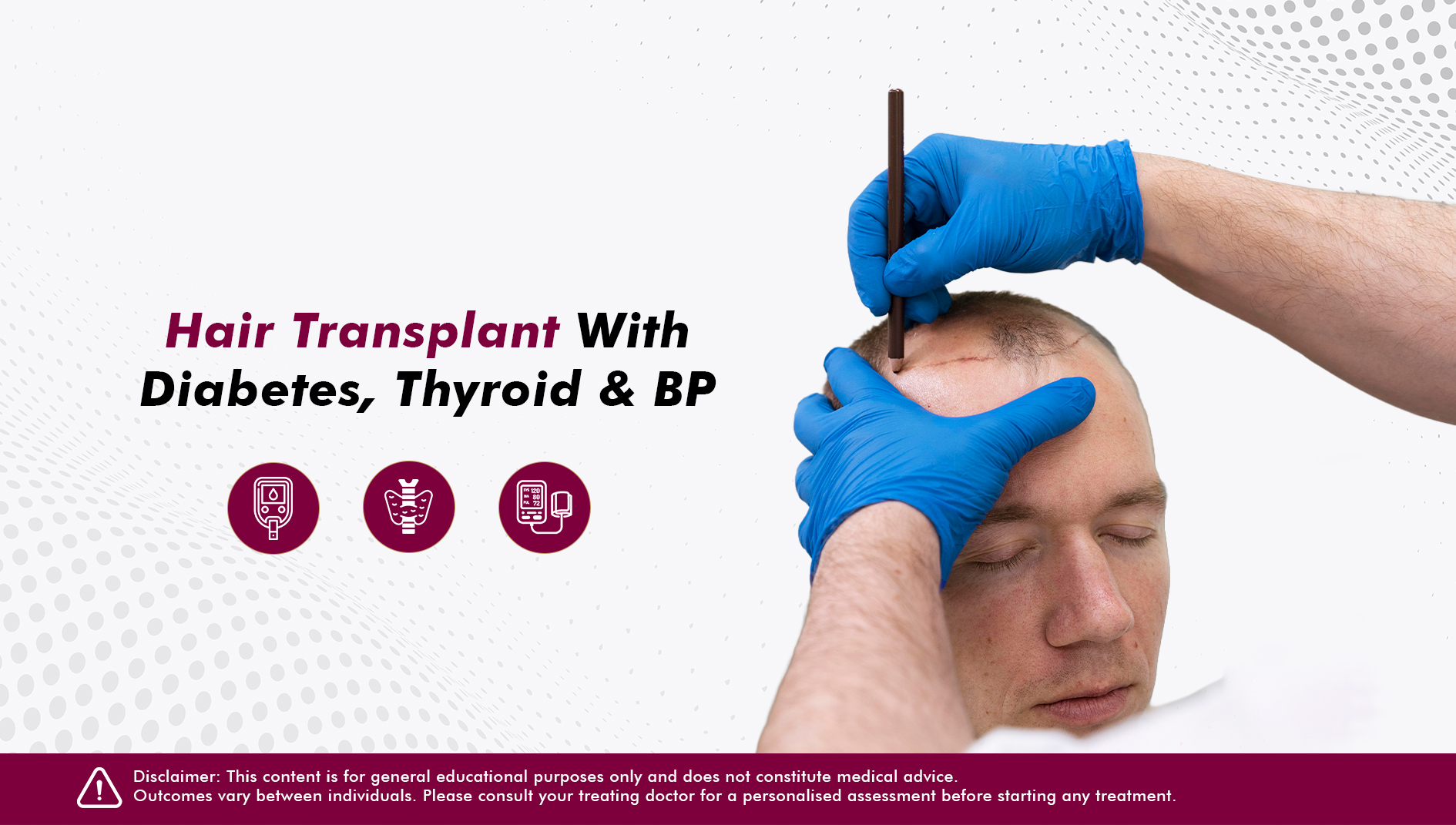
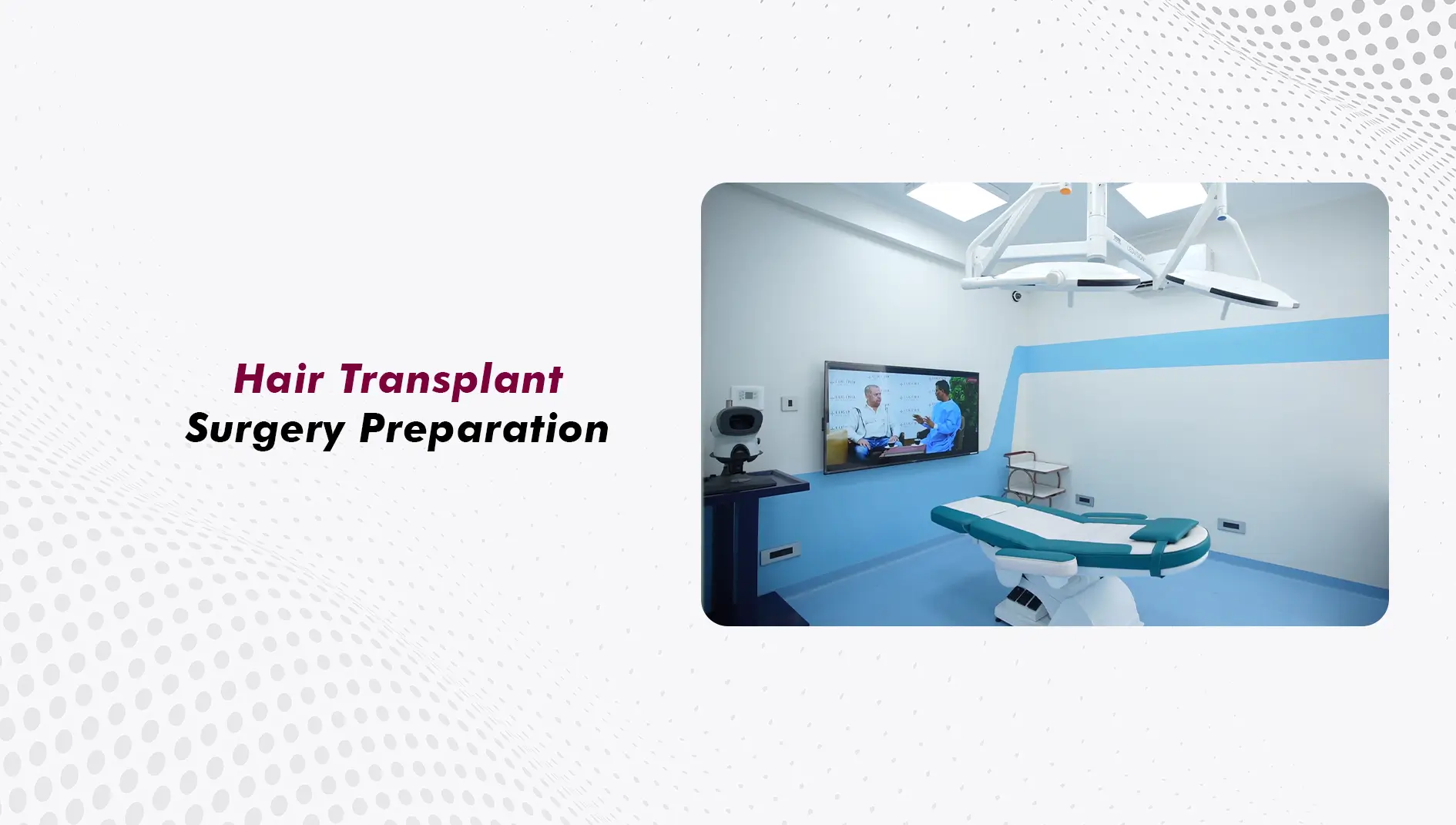
On arrival, photographs come first, then a vitals check, a local anaesthesia sensitivity test on the forearm, and consent forms. Planning & Designing follows: your hair transplant surgeon marks the hairline and donor plan, whether you are treating a receding hairline or a thinning crown, and explains the design on screen before you sign off. Trimming, photographs, and a Betadine scalp wash follow, and then local anaesthesia is administered in the operating theatre.
How the Procedure Itself Works
Eugenix performs its flagship DHT (Direct Hair Transplant) technique, a modified FUE hair transplant developed from follicular unit extraction. Your lead surgeon creates the recipient site slits hands-on and sets every technical parameter, including punch size, angle, depth, and density. Scoring, punching, extraction, and implantation are carried out by senior surgical assistants working to those parameters, using the SAVA Implanter (no-root-touch): the graft stays visible throughout and is inserted smoothly into the pre-made slit without a plunger-based blind push. The lead surgeon supervises your procedure throughout, taking rounds between active steps and remaining available at all times during your surgery.
Because extraction and implantation happen simultaneously, grafts stay outside the body for under 30 minutes. In a traditional FUE hair transplant they stay outside for 3 to 4 hours, and that out-of-body time is the biggest difference between an FUE hair transplant and DHT.
Why Preparation Is Taken Seriously at Eugenix
Eugenix Hair Sciences operates across Gurgaon, Mumbai, Hyderabad, and Bhubaneswar, and the Gurgaon clinic is NABH accredited under Certificate No. DE-2026-0004, valid from 12 March 2026 to 11 March 2030.
Consultations and procedures are carried out by a panel of experienced surgeons handpicked and trained by the co-founders, Dr Pradeep Sethi and Dr Arika Bansal, both Fellows of ISHRS and alumni of AIIMS, New Delhi. They documented the DHT technique in a 2013 PubMed-indexed paper, “Direct hair transplantation: a modified follicular unit extraction technique”, and deliberately never patented it so that the wider hair restoration community could adopt it. Consultations with the co-founders are available by prior appointment. Major complications are exceptionally rare at Eugenix, supported by over 20,000 procedures across more than 15 years of clinical practice.
Frequently Asked Questions
What should you not do before a hair transplant?
Do not cut your hair short, wear a hair patch, or massage your scalp within 30 days of surgery. Do not drink alcohol or smoke in the final week, since smoking reduces blood flow to the scalp, and do not stop or start any medications without your doctor’s advice.
Can I touch my hair 7 days after a hair transplant?
Day 7 is when you wash your hair for the first time, using a mild shampoo with saline, and you may use your fingertips very gently on the transplanted area to loosen scabs during that wash. Until then, do not rub, scratch, or pick at the transplanted area.
Is a hair transplant 100 per cent successful?
No responsible clinic promises a guaranteed figure. Growth depends on donor quality, your hair loss pattern, the surgical technique used, and how carefully you follow post-op care. For optimal results, follow every instruction before and after surgery.
Should I stop finasteride before my hair transplant?
No. Oral finasteride continues as normal. Minoxidil is the medicine that is stopped 7 to 30 days before.
How much time off work should I plan?
About 7 days. Gentle walking, desk work, and household tasks resume the day after surgery, but the first head wash is on Day 7.
Planning Your Procedure
Preparing well is mostly about sequence. Protect your hair for 30 days, book blood tests two weeks before surgery, be transparent about every medicine, and keep the final week clear of alcohol and smoking. If you have a cardiac history or a chronic condition, raise it early rather than close to your date.
For a personalised hair restoration plan and a preoperative checklist, book a consultation at the Eugenix clinic nearest you. Your hair science advisor can also review your photographs and answer your first questions at no cost.
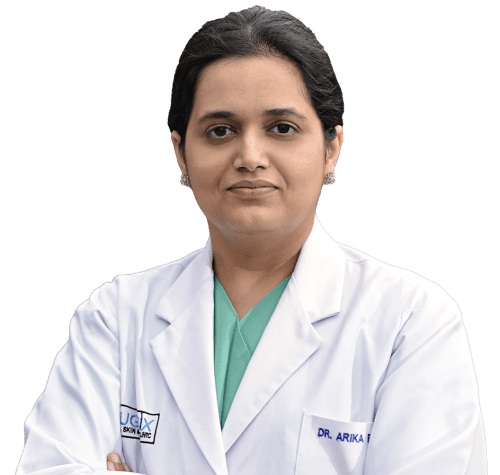
Dr. Arika Bansal
One of only a few female surgeons specializing in hair transplant surgery in India, Dr. Arika Bansal has been voted one of the best doctors in the world. She maintains an active fellowship in the ISHRS and regularly submits research papers to medical journals. 15+ years down the line, 22,000+ surgeries are accomplished under Dr. Bansal’s supervision. She specializes in female hair transplant, density improvement, corrective hair transplantation and hairline design.