

For anyone facing the anxiety of hair loss, the search for a permanent solution can feel like a desperate quest. You’ve likely tried every shampoo, every topical treatment, and every dubious online remedy. When you finally consider a hair transplant, the most important question isn’t about the procedure itself, but about the enduring promise it holds: Is this truly a permanent fix? Or will the new hair eventually fall out, leaving you back at square one?
This question, a mix of hope and deep-seated skepticism, deserves a clear and comprehensive answer. And the answer, I can tell you, is a resounding “yes”—but with a crucial understanding of the science and the common misconceptions that often obscure the truth.
The permanence of a hair transplant is rooted in a fascinating biological principle, a scientific fact that forms the very foundation of this medical marvel.
To understand why a hair transplant is permanent, we must first understand the primary cause of male pattern baldness: the hormone Dihydrotestosterone or DHT. This hormone, a byproduct of testosterone, is the primary culprit behind the miniaturization and eventual loss of hair follicles in the crown and hairline areas.
However, the hair on the back and sides of your head is different. These follicles are genetically programmed to be resistant to the effects of DHT. They are, in essence, a permanent, self-sustaining resource.
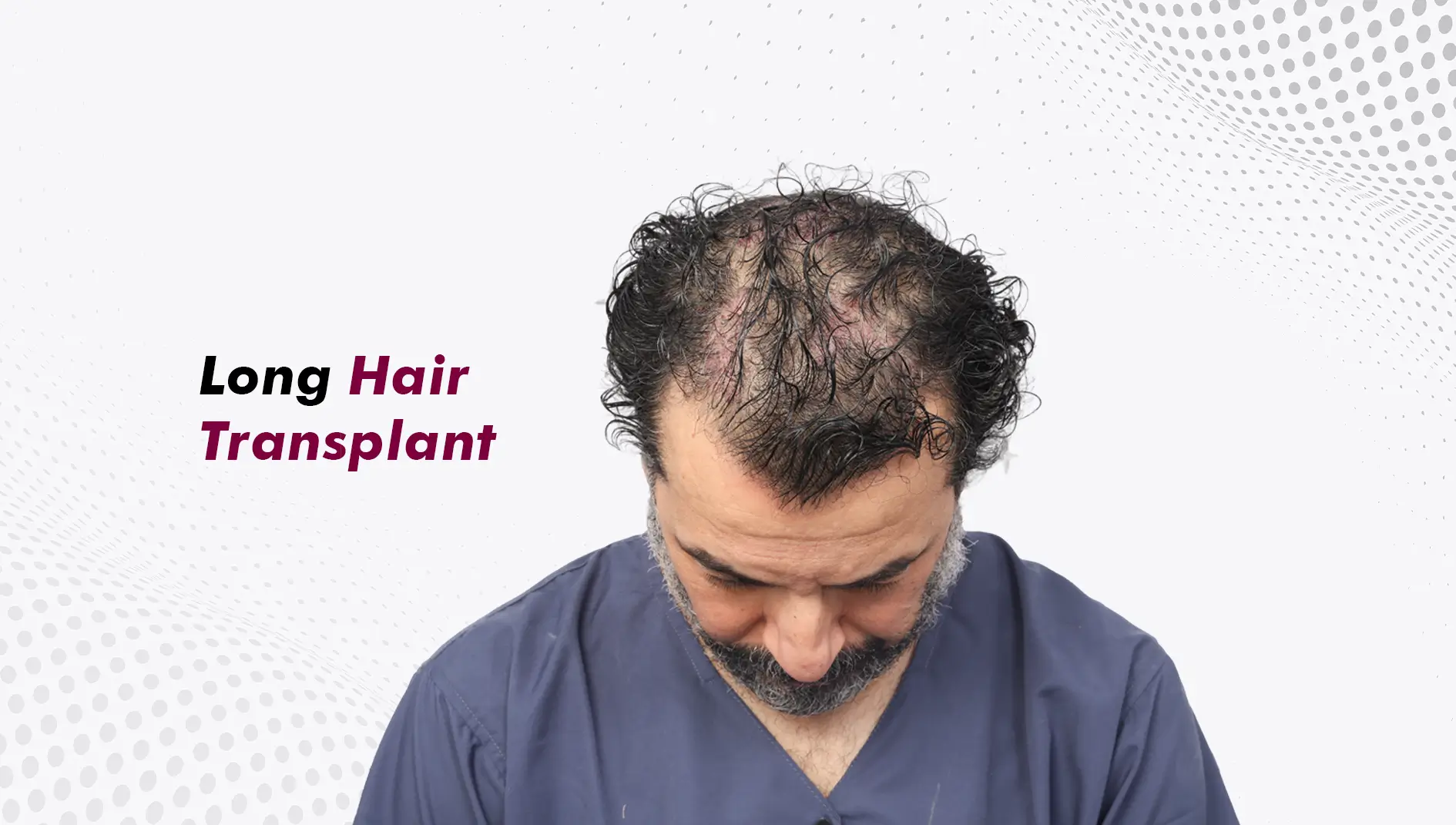
A hair transplant is, at its core, a simple but brilliant act of relocation. During a hair transplant procedure, a surgeon extracts the DHT-resistant hair follicles from the “safe donor area” at the back of the scalp. These follicles are then meticulously implanted into the balding or thinning areas. Because these follicles retain their genetic programming, they will continue to grow as they always have. They do not suddenly become susceptible to the effects of DHT just because they’ve been moved.
This is the truth behind the permanence of a hair transplant. It’s not a temporary solution; it’s a permanent redistribution of your own, natural, and resilient hair.
Debunking the Misconceptions
Despite this scientific reality, several misconceptions continue to confuse and hold back potential patients. Let’s address a few of the most prevalent ones.
Misconception 1: “But I’ve heard the transplanted hair falls out after a few months.”
This is one of the most common points of confusion. What people are referring to is the normal and expected phase of “shedding” that occurs a few weeks after the procedure. The trauma of the transplantation process causes the newly implanted hair strands to enter a resting phase and fall out. This is not a sign of failure; it is a vital part of the process. The transplanted follicle, however, remains safely in place beneath the skin, and a few months later, it will begin to produce a new, permanent hair shaft.
Misconception 2: “So a hair transplant means I’ll never have hair loss again?”
This is a critical distinction to make. The transplanted hair is permanent, but the native hair on your scalp that was not transplanted is still susceptible to the effects of DHT. Over time, if not managed, this native hair may continue to thin. This is why a comprehensive hair restoration plan extends beyond the single procedure. A reputable clinic will always discuss a long-term strategy that may include medical management to preserve your native hair and maintain a full, dense aesthetic for years to come.
Misconception 3: “My friend got a hair transplant, and it looks thin or unnatural now. The permanence isn’t worth it.”
The permanence of a hair transplant is entirely dependent on its success, and success is determined by the skill of the surgeon and the technique used. A poor result, one with an unnatural hairline, poor density, or visible scarring, is not a failure of the principle of permanence, but a failure of execution. The hair may indeed be permanent, but if it looks artificial, the result is still a disappointment. This highlights the absolute necessity of choosing an expert team.
At Eugenix, our commitment to permanence is a dual-fold promise. First, we adhere strictly to the scientific principles of permanence by using only the DHT-resistant follicles. Our proprietary DHT (Direct Hair Transplant) technique, which we have pioneered and perfected, ensures a remarkably high graft survival rate. We meticulously implant each follicle with the precision required to achieve a natural, permanent look.
Second, our dedication to permanence extends beyond the operating room. We provide a long-term plan to help you maintain the health of your native hair, ensuring that your results not only last but also continue to look fantastic as you age. We are not just a clinic that performs a one-time procedure; we are a partner in your journey towards a permanent solution. We walk right beside you.
So, here’s the bottom line: Is hair transplant permanent? – Yes, a hair transplant, when done right, is absolutely a permanent solution to hair loss. The hair we transplant is genetically programmed to stay with you for life. It won’t fall out. But a truly lasting and natural result isn’t just about the science; it’s also about choosing a clinic that cares about more than just the procedure. It’s about partnering with a team that can help you maintain your existing hair and ensure your results look great for years to come. Don’t let old misconceptions hold you back from finding a real, permanent fix. Your journey to a confident, full head of hair starts with a conversation.
Dr. Arika Bansal
One of only a few female surgeons specializing in hair transplant surgery in India, Dr. Arika Bansal has been voted one of the best doctors in the world. She maintains an active fellowship in the ISHRS and regularly submits research papers to medical journals. 15+ years down the line, 22,000+ surgeries are accomplished under Dr. Bansal’s supervision. She specializes in female hair transplant, density improvement, corrective hair transplantation and hairline design.